Tag: sanitation

  • World Bank Water Strategy: Securing Water for People, Food, and Planet Through Innovation and Investment

    World Bank Water Strategy: Securing Water for People, Food, and Planet Through Innovation and Investment


    Illustrative Image: World Bank Water Strategy: Securing Water for People, Food, and Planet Through Innovation and Investment
    Image Source & Credit: Flickr
    Ownership and Usage Policy

    Water: The Cornerstone of Sustainable Development and Human Prosperity

    Water is the bedrock of life and a cornerstone for building a liveable planet. It is fundamental to human survival, agricultural productivity, economic advancement, and ecosystem stability. Yet, this invaluable resource is facing escalating threats from climate change, population growth, and poor management. The world is at a critical juncture: if we are to eradicate poverty and ensure a sustainable future, we must radically transform the way we manage, use, and value water.

    Recognizing this urgency, the World Bank has launched a comprehensive new global water strategy. This ambitious roadmap aims to secure water for people, for food, and for the planet—aligning with broader global development goals and climate adaptation efforts.

    Water Investment as a Driver of Economic Growth

    Water is far more than a natural resource—it is a vital economic input. It supports job creation, industrial output, public health, and gender equity. In regions where water access is stable and sustainable, productivity in agriculture, energy, and manufacturing flourishes. Conversely, water scarcity can devastate livelihoods, as demonstrated by Cape Town’s 2018 drought, which led to the loss of 20,000 agricultural jobs.

    Conversely, investments in water security create transformative opportunities. For instance, in the Democratic Republic of Congo, an expansive water access program is projected to generate approximately 30,000 jobs. Similarly, access to clean water and sanitation services alleviates public health burdens and enables women—who often bear the brunt of water collection responsibilities—to pursue education and employment.

    Ultimately, investing in water is investing in people. It’s about building resilient, inclusive economies that thrive under the pressures of climate variability and global economic shifts.

    Bridging the Financing Gap

    Securing universal access to safe water and sanitation is not just a policy challenge—it’s a financial one. Achieving the Sustainable Development Goals for water requires an estimated annual investment of $131–$140 billion, nearly double current levels. This financing challenge cannot be met by public resources alone. A bold, coordinated approach involving both the public and private sectors is essential.

    The World Bank’s flagship report, Funding a Water-Secure Future, underscores several systemic inefficiencies: low budget utilization, misallocated subsidies, and weak institutional capacity. Strengthening public institutions, introducing performance-based utility reforms, and deploying smart subsidies that benefit the poor can vastly improve sector performance and attract greater volumes of private and international capital.

    Unlocking the Power of Private Sector Innovation

    Private enterprises play an indispensable role in reimagining how we finance and deliver water services. Their ability to innovate—through advanced technologies, performance-based contracts, and blended finance models—offers promising solutions to longstanding water challenges.

    The World Bank is actively enabling this participation by improving regulatory environments, offering de-risking mechanisms, and fostering transparent governance. These initiatives not only reduce investor risk but also build the foundation for impactful, large-scale private sector engagement.

    Harnessing Innovation for Resilient Water Systems

    Technological innovation holds immense potential to revolutionize the water sector—but adoption has lagged, particularly in low- and middle-income countries. Only a fraction of water utilities currently utilize cutting-edge tools like artificial intelligence, predictive analytics, or digital twin modelling.

    Modern sensor technologies and data platforms could transform water quality monitoring, optimize distribution networks, and reduce waste. To accelerate progress, national policies must foster an innovation ecosystem—one that promotes research, scales viable solutions, and equips water professionals with the skills needed to adapt.

    By embedding innovation at the heart of water management, we can create smarter, more efficient, and climate-resilient water systems.

    A Global Strategy for Water Security

    The World Bank’s updated water strategy integrates its technical expertise, partnerships, and financial instruments to deliver water for three interconnected objectives:

    1. Water for People: Achieving universal access to water, sanitation, and hygiene (WASH) services.

    2. Water for Food: Enhancing water efficiency in agriculture to secure food systems and smallholder livelihoods.

    3. Water for Planet: Managing water resources sustainably to reduce risks and preserve ecosystems.

    Through its new Fast Track Water Security and Climate Adaptation program, the World Bank is scaling up and accelerating water solutions. This program fosters rapid innovation deployment and cross-sectoral partnerships—bridging public and private actors to confront water crises at scale.

    Transformative Impact in Action

    Indonesia: Irrigation Modernization for Agricultural Prosperity

    In Indonesia, the Strategic Irrigation Modernization and Urgent Rehabilitation Project is rehabilitating 250,000 hectares of irrigation systems across 10 provinces. By formalizing service delivery through transparent irrigation agreements, the initiative empowers 350,000 farmers to demand accountability, boosting productivity and incomes—vital for the over 3 million Indonesians reliant on agriculture.

    Brazil: Turning Crisis into Resilience

    After a decade-long drought, Brazil invested in proactive drought management with World Bank support. The Brazil Drought Monitor—now nationwide—relies on a coalition of federal and state actors to produce monthly drought maps, guiding timely policy responses. This system represents a model of scalable climate resilience infrastructure.

    India: The World’s Largest Dam Rehabilitation Program

    India’s ambitious dam rehabilitation initiative spans 500 dams with plans to improve all 6,200. These upgrades include Emergency Action Plans and stakeholder-inclusive safety protocols. Additionally, the project supports the creation of the world’s first postgraduate dam safety program—building national capacity for long-term water infrastructure stewardship.

    Sahel Region: Climate-Resilient Farming for Food Security

    In Africa’s Sahel region, where 99% of farmland is rainfed, the Sahel Irrigation Initiative is transforming agriculture. Using modern irrigation tools like drip systems and solar pumps, the project is improving the livelihoods of nearly 400,000 farmers. Stories like that of Fattah Hassan Dubaal in Chad—whose okra yields increased fiftyfold—demonstrate the power of reliable water access to uplift entire communities.

    Ethiopia: Menstrual Health, Sanitation, and Education

    The One WaSH National Program in Ethiopia has built 227 menstrual hygiene rooms in over 1,000 schools. These gender-sensitive facilities have significantly improved school attendance among girls. Addressing menstrual stigma and integrating hygiene education into school curricula are critical to inclusive education.

    Egypt: Expanding Rural Sanitation

    In Egypt, the Sustainable Rural Sanitation Services Program has already improved access for over 1 million people. By investing in treatment infrastructure and connecting more households to the sewer network, the project strengthens governance and service delivery in the sanitation sector. It also laid the groundwork for Egypt’s National Water and Sanitation Strategy.

    Toward a Water-Secure Future

    Water flows through every facet of human development. Ensuring its availability, quality, and sustainable use is not merely a technical challenge—it is a moral imperative and economic necessity. The World Bank, as the largest multilateral financier of water in developing countries, is mobilizing its $27 billion portfolio to catalyze change at scale.

    Through bold investments, institutional reform, and innovation, the new global water strategy seeks to deliver water solutions that empower people, nourish economies, and preserve the planet. Only through such integrated and accelerated efforts can we secure a future where water continues to sustain life, dignity, and development for all.

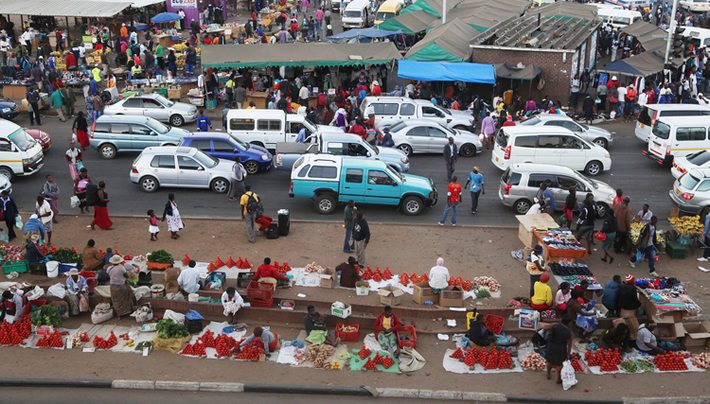
  • Intestinal Parasitic Infections in Diabetic Patients Across Africa: A Systematic Review & Meta-Analysis

    Intestinal Parasitic Infections in Diabetic Patients Across Africa: A Systematic Review & Meta-Analysis

    A recent study by Debash et al. (2025) titled “Burden of intestinal parasites among diabetic patients in Africa: a systematic review and meta-analysis,” published in BMC Infectious Diseases by Springer Nature, reveals that diabetic patients are at a higher risk of intestinal parasitic infections.

    Diabetic patients in Africa face a 31% prevalence of intestinal parasitic infections, with higher risks linked to poor hygiene and sanitation.– Debash et al. 2025

    Intestinal parasite infections (IPIs) pose a significant public health concern, particularly in regions with poor sanitation. Diabetic patients, due to their compromised immune systems, may be more vulnerable to these infections. This systematic review and meta-analysis assess the overall burden of IPIs among diabetic individuals across Africa. A comprehensive search of studies published between January 1, 2000, and August 13, 2024, was conducted, focusing on the prevalence of IPIs in diabetic patients. Sixteen studies were included in the final analysis, with data analyzed using STATA software. Subgroup analysis was performed to address variations across studies. The findings revealed that 31% of diabetic patients in Africa were affected by intestinal parasites, with the highest prevalence reported in Egypt (39%) and in case-control studies (40%). Key factors contributing to higher infection rates included poor hygiene, inadequate sanitation, and diabetes status. Given the increased risk among diabetic individuals, the study highlights the urgent need for regular screening, improved hygiene practices, and better sanitation measures to reduce the burden of IPIs. Implementing preventive strategies and raising awareness among diabetic patients is crucial in mitigating this public health challenge.

    How the Study was Conducted

    The study systematically reviewed research published between January 1, 2000, and August 13, 2024, using institutional repositories and online databases such as PubMed, ScienceDirect, Scopus, and Google Scholar. Search terms included “prevalence,” “incidence,” “intestinal parasites,” “helminths,” “protozoa,” and “Diabetes Mellitus (type I & II DM).”

    Inclusion Criteria: Original research, brief reports, case-control, cross-sectional, and hospital-based studies focusing on diabetic patients with intestinal parasites.
    Exclusion Criteria: Duplicate studies, research conducted outside Africa, studies without diabetic participants, case reports, review articles, studies with sample sizes below 30, and letters.

    Study Selection and Quality Assessment
    The search results were managed using Endnote X7, with duplicates removed systematically. Two independent reviewers screened articles based on titles and abstracts, while another set of reviewers assessed full-text publications. Quality assessment followed the Newcastle-Ottawa Scale (NOS) and Joanna Briggs Institute (JBI) criteria, categorizing studies as high quality (≥7 stars) or intermediate quality (5–7 stars).

    Data Extraction and Statistical Analysis
    Key data points—including author details, publication year, study design, sample size, country, number of cases, and parasite prevalence among diabetic patients—were extracted and recorded in an Excel file. The analysis was conducted using STATA version 17, employing:

         
    Random-effects model for significant heterogeneity (I² > 50%).
    Subgroup analysis by country and study design to refine findings.
    Egger’s test and trim-and-fill analysis to evaluate and adjust for publication bias.
    Sensitivity analysis to validate pooled prevalence estimates.

    What the Authors Found

    The study found that the overall prevalence of intestinal parasites among diabetic patients in Africa is 31% (CI: 23-38%). Geographical variation was observed, with Egypt recording the highest prevalence at 39% (CI: 26-52%) and Nigeria showing a significant prevalence of 33% (CI: 18-49%). Study design impacted the findings, as case-control studies reported a higher prevalence of 40% (CI: 28-52%), while cross-sectional studies showed a prevalence of 22% (CI: 17-27%).

    Several factors were associated with increased infection risk. Poor hygiene and sanitation significantly raised the odds of infection by 8.1 times, while diabetes mellitus itself increased the odds by 5.62 times. The most commonly reported parasites included protozoa such as Cryptosporidium species, Giardia species, and Entamoeba histolytica, as well as helminths like Ascaris lumbricoides, Trichuris trichiura, and hookworm. The study identified high heterogeneity among the included studies (I²=95.94%), indicating variability beyond random chance. While Egger’s test suggested potential publication bias, a trim-and-fill analysis showed no significant differences.

    Why is this important?

    Higher Risk for Diabetic Patients: The study reveals that diabetic patients in Africa are significantly more likely to be infected with intestinal parasites compared to non-diabetic individuals. These infections can exacerbate existing health issues and lead to severe complications.

    Impact on Immune System: Diabetic patients often have compromised immune systems, making them more susceptible to infections. Intestinal parasites can further weaken their immune response, leading to prolonged illness and more severe symptoms.

    Prevalence in Africa: With a pooled prevalence of 31%, the study highlights a considerable burden of intestinal parasites among diabetic patients in Africa. This calls for targeted public health interventions in the region.

    Preventive Measures: Emphasizing the need for better hygiene and sanitation practices can help reduce the transmission of these parasites. Public health campaigns and education programs can play a crucial role in achieving this.

    Screening and Treatment: The study underscores the importance of prioritizing diabetic patients for regular screening and early treatment of intestinal parasitic infections. This can help prevent complications and improve the overall health outcomes for these patients.

    Guidance for Healthcare Providers: The findings provide valuable insights for healthcare providers, enabling them to develop and implement effective strategies for managing and preventing intestinal parasites in diabetic patients.

    Highlighting Knowledge Gaps: The study identifies areas where further research is needed, such as the specific types of intestinal parasites affecting diabetic patients and the mechanisms underlying their increased susceptibility.

    Basis for Future Studies: The systematic review and meta-analysis serve as a foundation for future research, helping to better understand the relationship between diabetes and intestinal parasitic infections.

    What the Authors Recommended

    • The authors recommend that diabetic patients should be prioritized for regular screening of intestinal parasitic infections to facilitate early detection and treatment. This is crucial given their higher susceptibility to these infections.
    • Public health interventions should focus on improving hygiene and sanitation, particularly in areas with inadequate facilities. This can significantly reduce the transmission of intestinal parasites.
    • Develop and implement health education programs aimed at increasing awareness among diabetic patients about the transmission routes and prevention strategies for intestinal parasitic infections. Knowledge about proper hygiene practices, safe food handling, and the importance of clean water can help reduce infection rates.
    • Encourage diabetic patients to practice good personal hygiene, such as regular handwashing, especially before meals and after using the toilet. Ensure proper disposal of human excreta and solid waste to minimize environmental contamination and advise diabetic patients to avoid consuming raw or undercooked vegetables and foods that may be contaminated with parasites.
    • The authors suggest conducting more well-designed case-control and experimental studies to better understand the relationship between diabetes and intestinal parasitic infections. This can help in developing targeted interventions and improving the overall management of diabetic patients.
    • In addition, governments and health authorities should incorporate these findings into national health policies, ensuring that diabetic patients are included in public health plans for controlling intestinal parasitic infections.

    In conclusion, this study highlights the significant burden of intestinal parasitic infections among diabetic patients in Africa, with a prevalence rate of 31%. The findings underscore the urgent need for regular screening, improved hygiene, and enhanced public health interventions to mitigate infection risks. Given the vulnerability of diabetic individuals due to their compromised immune systems, targeted awareness campaigns and preventive measures are essential in reducing disease transmission. Policymakers, healthcare providers, and researchers must work collaboratively to integrate these findings into national health strategies, ensuring better health outcomes for diabetic patients. Addressing this dual burden of diabetes and parasitic infections is crucial for improving overall public health and quality of life in affected regions.

  • Unlocking Sustainable Urban Infrastructure Development in Africa: Challenges, Solutions, and Recommendations

    Unlocking Sustainable Urban Infrastructure Development in Africa: Challenges, Solutions, and Recommendations

    A recent study by El-bouayady, R., & Radoine, H. (2023) titled “Urbanization and Sustainable Urban Infrastructure Development in Africa” published in Environment and Ecology Research by Horizon Research Publishing, examines the effect of urbanization and urban growth on sustainable urban infrastructure development in Africa.

    Infrastructure overload, lack of investment, deficiency & inadequacy are the primary impedements to sustainable development of urban infrastructure in Africa. – El-bouayady, R., & Radoine, H. 2023

    This article explores the challenges and opportunities of urbanization and sustainable urban infrastructure development in Africa. The study provides statistics and projections on the population growth, urbanization rate, and economic development of Africa and also explains how urbanization affects the urban system and the demand for basic services. The authors define urban infrastructure as the provision of energy, transport, water, sanitation, and ICT to industries and households. The authors also argue that urban infrastructure is key to achieving environmental, social, and economic sustainability in cities. This insightful study sheds light on the gap between the current urbanization trend and urban infrastructure development in Africa and identifies the main challenges that urban infrastructure faces in terms of overload, lack of investment, deficiency, and inadequacy. The study proposes some possible solutions and recommendations to address the challenges and improve the sustainable development of urban infrastructure in Africa.

    Challenges of urbanization and urban growth on sustainable urban infrastructure development in Africa

    Energy challenge: The study shows that urbanization increases energy demand, but Africa has low access to energy resources and services. The urban population consumes more than 75% of the total energy but only accounts for 6% and 3% of the global energy and electricity demand, respectively.

    Transport challenge: The authors posit that urbanization leads to more traffic congestion, pollution, and accidents, but Africa has inadequate and inefficient transport infrastructure and services. The urban transport system is dominated by informal and unregulated modes, such as minibuses and motorcycles.

    Water and sanitation challenge: The articles explore that urbanization puts pressure on the water supply and sanitation systems, but Africa faces water scarcity, poor water quality, and low coverage of sanitation facilities. The urban population suffers from waterborne diseases, flooding, and environmental degradation.

    ICT challenge: Urbanization creates opportunities for digital innovation and connectivity, but Africa has low access to ICT infrastructure and services. The urban population lacks affordable and reliable internet, mobile phones, and computers.

    Findings of the Study

    The study explores the effect of urbanization and urban growth on sustainable urban infrastructure development on the African continent, thereby highlighting the discrepancy between the current urbanization trend and urban infrastructure development in the African region. The authors identify three main challenges that impede the sustainable development of urban infrastructure in Africa, which include infrastructure overload, lack of investment, deficiency, and inadequacy. In addition, the authors propose multiple approaches and actions to meet the sustainable development of urban infrastructure in Africa. The author’s approaches include adopting a holistic and integrated approach to urban planning and management, enhancing the governance and institutional capacity of urban authorities, mobilizing financial resources and promoting public-private partnerships, fostering innovation and technology transfer, and strengthening regional and international cooperation.

    Implications of the study

    The study provides a comprehensive assessment of the current state and future trends of urbanization and urban infrastructure in Africa, covering the energy, transport, water, sanitation, and ICT sectors. The article highlights the discrepancy between the urbanization rate and urban infrastructure development in Africa, which results in infrastructure overload, lack of investment, deficiency, and inadequacy. The authors suggest multiple approaches and actions to address the urban infrastructure challenges and achieve sustainable development goals, such as enhancing governance, financing, planning, innovation, and participation.
    It contributes to the knowledge and policy debate on urbanization and urban sustainability in Africa and offers insights and recommendations for urban practitioners, researchers, and decision-makers.

    Recommendations

    • The study suggests that Africa has a huge potential for renewable energy sources such as solar, wind, hydro, and geothermal power. These sources can reduce greenhouse gas emissions, increase energy security, and create jobs.
    • The authors argue that urban planning and governance are essential for managing urban growth, reducing urban sprawl, and enhancing the efficiency and quality of urban services. Therefore, the study suggests that urban planning should involve participatory and inclusive approaches, as well as coordination and integration among different sectors and levels of government.
    • The authors emphasize that urban infrastructure and innovation are key drivers of economic growth and social development. Investing in urban infrastructure and innovation can improve the accessibility, affordability, and reliability of urban services, such as transport, water, sanitation, and ICT. It can also foster creativity, productivity, and competitiveness in urban areas.
    • The study warns that urban areas are vulnerable to various shocks and stresses, such as climate change, natural disasters, conflicts, and pandemics. Therefore, strengthening urban resilience and adaptation can help urban areas cope with and recover from these challenges, as well as reduce their exposure and sensitivity to future risks.

    In conclusion, El-bouayady and Radoine’s study provides a comprehensive analysis of the intricate relationship between urbanization and sustainable urban infrastructure development in Africa. By highlighting challenges in energy, transport, water, sanitation, and ICT, the authors underscore the urgent need for holistic approaches and strategic actions. The findings stress the importance of innovative solutions, participatory urban planning, and investment in renewable energy to bridge the existing gaps. As urban areas face vulnerabilities, the study serves as a crucial resource, offering valuable insights and actionable recommendations to guide policymakers, researchers, and urban practitioners toward a more sustainable and resilient future for African cities.