Tag: rural populations

  • Transforming Rural Livelihoods: The Impact of Aquaculture in Seke Rural District, Zimbabwe

    Transforming Rural Livelihoods: The Impact of Aquaculture in Seke Rural District, Zimbabwe

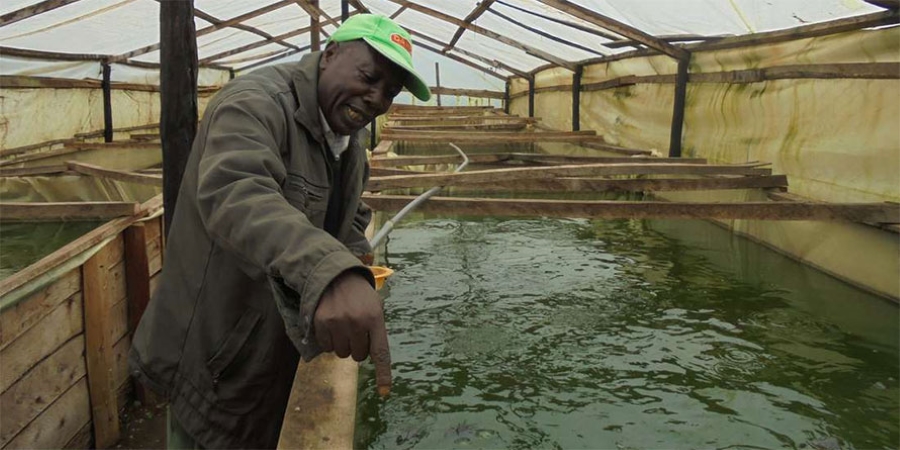
    A recent study by Chipfakacha, C. T. (2024) titled “Aquaculture the New Way of Creating Sustainable Livelihoods Among Rural Populations in Africa. A Case of Seke Rural District Zimbabwe” published in the International Journal of Agricultural Extension and Rural Development Studies, shows that aquaculture has provided a sustainable livelihood for rural populations, especially in areas affected by drought and poor harvests.

    Aquaculture significantly enhances sustainable livelihoods, food security, and employment opportunities for rural populations in Zimbabwe’s Seke District.– Chipfakacha, C. T. 2024

    This article delves into the pivotal role of aquaculture in fostering sustainable livelihoods for rural populations in Africa, with a specific emphasis on the Seke Rural District in Zimbabwe. By examining the emergence of fish farming as a viable alternative to traditional agricultural practices, the article illustrates the numerous benefits associated with aquaculture, including enhanced nutrition and increased employment opportunities, particularly for the youth. Aquaculture has become an essential component of rural development in Seke, addressing food security issues while diversifying income sources for local communities. The nutritional advantages of fish farming are particularly significant, as fish is a valuable source of protein and essential fatty acids, contributing to improved dietary diversity and health outcomes in the region. However, the article also highlights several challenges that aquaculture farmers in Seke face. Water availability remains a critical issue, as many areas struggle with inconsistent access to reliable water sources necessary for fish farming. Additionally, a lack of proper training and technical knowledge among farmers hinders the effective management of aquaculture operations. Economic constraints further exacerbate these challenges, limiting the capacity of farmers to invest in the necessary infrastructure, equipment, and inputs required for successful fish farming. Recognizing the significance of these challenges, the article underscores the crucial role of government and non-governmental organizations (NGOs) in supporting the growth of aquaculture in Seke. Such support can take various forms, including financial assistance, capacity-building training programs, and the provision of essential resources. The author advocates for comprehensive measures to enhance aquaculture practices, such as implementing government subsidies to reduce the financial burden on farmers, developing educational programs to equip them with the necessary skills and knowledge, and promoting better land utilization strategies that optimize the available resources for aquaculture. By addressing these challenges and leveraging the potential of aquaculture, rural communities in Seke can not only improve their economic standing but also work towards achieving sustainable development and food security in the region. The article ultimately calls for a concerted effort among stakeholders to foster a conducive environment for aquaculture to thrive, ensuring that it serves as a catalyst for positive change in the livelihoods of rural populations across Africa.

    How the Study was Conducted

    The author distributed surveys and questionnaires to local fish farmers to gather data on their practices, challenges, and benefits experienced by aquaculture. In-depth interviews were conducted with key stakeholders, including farmers, government officials, and representatives from NGOs, to gain insights into the support systems and policies affecting aquaculture. The author visited various fish farms to observe the farming practices, infrastructure, and environmental conditions firsthand. The collected data was analyzed using statistical tools to identify trends, correlations, and significant factors influencing the success of aquaculture in the region.

    What the Author Found

    The author found that aquaculture has provided a sustainable livelihood for rural populations, especially in areas affected by drought and poor harvests. Fish farming has helped supplement diets with high-protein fish, offering a healthier alternative to red meat. The practice has created jobs, particularly for the youth, who are involved in pond construction and maintenance. In addition, aquaculture has enabled better use of land, including wetlands, which helps preserve the environment and prevent illegal land sales

    Why is this Important?

    Sustainable Livelihoods: Aquaculture has provided a reliable source of income and food security for rural populations, especially in areas affected by drought and poor harvests.
    Nutritional Benefits: Fish farming has improved the nutritional intake of the community by providing a high-protein alternative to red meat.
    Job Creation: The practice has created employment opportunities, particularly for the youth, who are involved in pond construction and maintenance.
    Land Utilization: Aquaculture has enabled better use of land, including wetlands, which helps in preserving the environment and preventing illegal land sales.

    What the Authors Recommended

    • The author suggests increased government involvement through subsidies and funding to help farmers access necessary resources and infrastructure.
    • The study advocates implementing educational programs to train farmers in modern aquaculture techniques and best practices.
    • The study emphasizes improving access to local and regional markets to ensure farmers can sell their produce at fair prices.
    • In addition, developing better water management systems to ensure a reliable water supply for fish farming, especially in drought-prone areas.
    • Furthermore, it encourages further research into sustainable aquaculture practices and the development of resilient fish species.

    In conclusion, the study by Chipfakacha (2024) highlights the transformative potential of aquaculture in Seke Rural District, Zimbabwe, as a viable solution for enhancing sustainable livelihoods among rural populations. By providing a reliable source of income, improving dietary diversity, and creating employment opportunities, fish farming has emerged as a critical strategy for addressing food insecurity, particularly in regions plagued by drought and poor agricultural yields. However, to fully harness the benefits of aquaculture, it is essential to overcome the challenges of water availability, lack of training, and economic constraints. Through increased government intervention, capacity-building initiatives, and improved access to markets, stakeholders can foster an environment where aquaculture thrives. Ultimately, with a collaborative approach and a commitment to sustainable practices, aquaculture can serve as a catalyst for positive change, contributing to the overall development and resilience of rural communities across Africa.

  • Health Chatbots in Africa: Transforming Healthcare for Underserved Populations – A Comprehensive Scoping Review 2023

    Health Chatbots in Africa: Transforming Healthcare for Underserved Populations – A Comprehensive Scoping Review 2023

    A recent article by Phiri, M., & Munoriyarwa, A. (2023) titled Health Chatbots in Africa: Scoping Review published in Journal of Medical Internet Research. The main finding of the paper is that health chatbots in Africa are very instrumental for health promotion, disease prevention, diagnosis, treatment, and self-management, and that they have the potential to improve access to health care, especially for underserved populations, by providing low-cost, convenient, and personalized services.

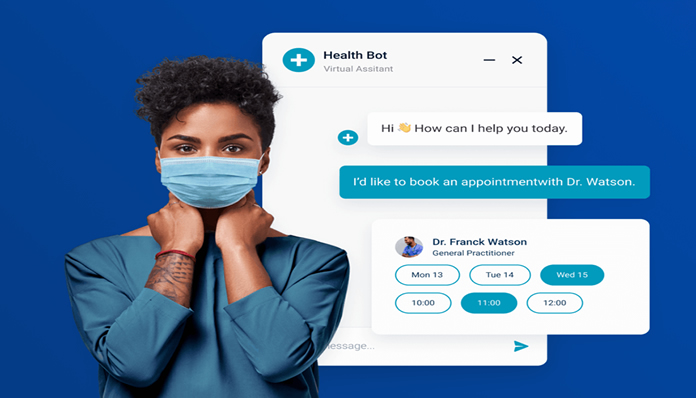
    This article is about health chatbots in Africa, which are computer programs that can interact with users through text or voice to provide health information, services, or support. The article is a scoping review, which means it aims to map the existing literature on this topic and identify the main themes, gaps, and challenges.

    Methods

    The methodology used in the study is based on the scoping review framework proposed by Arksey and O’Malley (2005) and refined by Levac et al. (2010) and the Joanna Briggs Institute (2015). The scoping review methodology consists of six steps:

    Identifying the research question: The authors formulated a broad research question to guide the scoping review: “What is the current state of knowledge on health chatbots in Africa?”

    Identifying relevant studies: The authors searched six electronic databases (PubMed, Scopus, Web of Science, CINAHL, Cochrane Library, and African Journals Online) and two grey literature sources (Google Scholar and OpenGrey) for studies published from January 2017 to December 2020 that reported on health chatbots in Africa. They also searched the reference lists of the included studies and contacted experts in the field for additional studies.

    Study selection: The authors screened the titles and abstracts of the retrieved studies using predefined inclusion and exclusion criteria. They then retrieved the full texts of the potentially relevant studies and assessed them for eligibility. Two reviewers independently performed the screening and selection process, and any disagreements were resolved by consensus or consultation with a third reviewer.

    Charting the data: The authors extracted data from the included studies using a standardized data extraction form. The data extraction form included information on study characteristics, chatbot characteristics, health topic, target population, purpose, functionality, design, development, deployment, evaluation, outcomes, and challenges. Two reviewers independently extracted the data, and any discrepancies were resolved by discussion or consultation with a third reviewer.

    Collating, summarizing, and reporting the results: The authors analyzed the data using descriptive statistics and thematic analysis. They presented the results in tables, figures, and narrative summaries. They also used a PRISMA-ScR flow diagram to report the study selection process and a PRISMA-ScR checklist to ensure transparent reporting of the scoping review.

    Consulting with stakeholders: The authors consulted with stakeholders from academia, industry, policy, and practice to validate and contextualize the findings of the scoping review. They conducted semi-structured interviews with 12 stakeholders who had experience or expertise in health chatbots in Africa. They used an interview guide that covered topics such as current practices, challenges, opportunities, and recommendations for health chatbots in Africa. They analyzed the interview data using thematic analysis and integrated the results with the literature review findings.

    Some of the main findings of the article are:

    • Health chatbots in Africa are mainly used for health promotion, disease prevention, diagnosis, treatment, and self-management.
    • Health chatbots in Africa have the potential to improve access to health care, especially for underserved populations, by providing low-cost, convenient, and personalized services.
    • Health chatbots in Africa face several challenges, such as lack of internet connectivity, low digital literacy, language and cultural barriers, ethical and legal issues, and limited evidence of effectiveness and impact.

    Some common examples of health chatbots in Africa are:

    • NurseBot in South Africa, which provides health information and advice to pregnant women and new mothers through WhatsApp.
    • Mum’s Companion in Zimbabwe, which provides maternal and child health information and support through Facebook Messenger.
    • Nuru in Kenya and Ghana, which provides agricultural, financial, classified ads, and health services through Facebook Messenger⁴.
    • Sexual and Reproductive Health Chatbot in Kenya, which provides sexual and reproductive health information and referrals through Facebook Messenger.
    • Medbit in Nigeria, which provides medical consultations and referrals through WhatsApp.

    Implications of the study

    • The implications of the study are that health chatbots in Africa can have positive impacts on health care delivery and health outcomes, but also face significant challenges and limitations that need to be addressed. Some of the possible implications are:
    • Health chatbots in Africa can improve access to health information and services, especially for rural and remote populations, who may have limited or no access to health facilities, health workers, or reliable sources of health information. Health chatbots can provide health education, awareness, and prevention messages, as well as diagnosis, treatment, and self-management support, through mobile phones or social media platforms that are widely used in Africa. Health chatbots can also reduce the cost and time of seeking health care, as well as the stigma and discrimination that some people may face when accessing health services.
    • Health chatbots in Africa can enhance the quality and efficiency of health care delivery, by providing personalized, tailored, and evidence-based health advice and interventions. Health chatbots can also complement and augment the role of human health workers, by providing them with decision support tools, training opportunities, and feedback mechanisms. Health chatbots can also facilitate communication and coordination among different levels of the health system, such as primary, secondary, and tertiary care.
    • Health chatbots in Africa can improve health behaviors and outcomes, by influencing the knowledge, attitudes, beliefs, and practices of users regarding various health issues. Health chatbots can also monitor and track the progress and adherence of users to health interventions, such as physical activity, healthy diet, weight management, medication intake, etc. Health chatbots can also provide emotional and social support to users, by building rapport, trust, empathy, and motivation.
    • Health chatbots in Africa can also pose several challenges and risks to health care delivery and outcomes, such as lack of internet connectivity, low digital literacy, language and cultural barriers, ethical and legal issues, and limited evidence of effectiveness and impact. Health chatbots may not be able to reach or serve all segments of the population equally, due to disparities in access to technology, infrastructure, or resources. Health chatbots may also not be able to capture or address the complexity and diversity of health needs and contexts in Africa. Health chatbots may also raise ethical and legal concerns regarding data privacy, security, consent, accountability, liability, etc. Health chatbots may also have unintended or adverse effects on health behaviors and outcomes, such as misinformation, misdiagnosis, over-reliance, or user dissatisfaction.

    In conclusion, the scoping review by Phiri and Munoriyarwa highlights the potential and challenges of health chatbots in Africa. These computer programs have demonstrated their significance in promoting health, preventing diseases, and improving access to healthcare for underserved populations. The study sheds light on the various examples of health chatbots in Africa, serving as valuable tools for health promotion and self-management. However, challenges such as internet connectivity, digital literacy, and ethical concerns must be addressed to ensure equitable and effective implementation. Overall, the findings emphasize that while health chatbots hold promise for transforming healthcare delivery in Africa, careful consideration and further research are essential to fully harness their benefits while mitigating potential risks.

    Question for Contribution and Comments

    Dear reader, we value your input! Kindly share your thoughts, ideas, and comments regarding the question below in the comment section. Your valuable input will help shape our next article:

    “Considering the diverse and complex healthcare landscape in Africa, how can health chatbots be culturally sensitive to effectively bridge the gap between traditional medical practices and modern technological solutions?”