Tag: risk assessment

  • Public Perception of Genetically Modified Crops: Insights on Trust, Risks, and Global Acceptance

    Public Perception of Genetically Modified Crops: Insights on Trust, Risks, and Global Acceptance

    A recent study by Dessie, A. M., & Zegeye, Z. B. (2024) titled “Review on: Public Perception of Biotechnology on Genetically Modified Crops, Bio Policy and Intellectual Property Rights” published in American Journal of Polymer Science and Technology by Science Publishing Group shows that public attitudes towards genetically modified (GM) crops are influenced by trust in government and scientists and distrust in biotechnology corporations.

    Public attitudes towards genetically modified crops are shaped by trust in government and scientists and distrust in biotechnology corporations globally.– Dessie, A. M., & Zegeye, Z. B. (2024

    The study explores the varying public opinions on genetically modified (GM) crops, highlighting both support and opposition based on perceived risks and benefits. The authors cover the importance of biosafety regulations and bio-policies in managing the risks associated with GM crops, including ethical and safety concerns. The study examines the status and challenges of GM crop adoption in different regions, including Africa, Latin America, Europe, North America, Asia, and Oceania. The authors further address the role of intellectual property rights in biotechnology, focusing on patents, trade secrets, and plant variety protection.

    How the study was conducted

    The study employed data from various sources, including surveys, public opinion polls, and existing literature on biotechnology and genetically modified organisms (GMOs). The data was analyzed to identify factors influencing public perception, such as socioeconomic status, education, scientific knowledge, and trust in government and corporations. The study compared public perceptions across different regions, including Europe, North America, Latin America, Africa, Asia, and Australia. The research incorporated scientific, ethical, policy, and regulatory perspectives to assess and manage the risks associated with GMOs.

    What the authors found

    The authors found that public attitudes towards genetically modified (GM) crops are influenced by trust in government and scientists and distrust in biotechnology corporations. In addition, the study shows that Europe has the strongest negative attitudes towards GM foods, while acceptance varies globally, with some regions showing moderate to high acceptance.

    Why is this important

    Food Security and Health: Genetically modified (GM) crops have the potential to address global food security challenges by increasing crop yield, improving resistance to pests and diseases, and enhancing nutritional content. Understanding public perception and acceptance is crucial for informed policy decisions.
    Environmental Impact: GM crops can reduce the need for chemical pesticides and fertilizers, benefiting the environment. However, concerns about unintended effects on ecosystems and biodiversity require careful management.
    Economic Growth: Biotechnology innovations contribute to economic growth by fostering agricultural productivity and creating jobs. Public acceptance influences investment in research and development.
    Ethical and Social Considerations: Public trust in the safety and ethical implications of GM crops affects their adoption. Transparent communication and effective biosafety regulations are essential.
    Global Collaboration: Recognizing regional differences in perception allows for targeted strategies to promote acceptance and responsible use of GM technology worldwide.

    What the authors recommended

    • The authors recommend clear labeling of GM products to inform consumers. Transparent communication about the benefits, risks, and safety measures associated with GM crops is essential.
    • The authors advocate that engaging scientists, policymakers, and the public in open discussions about biotechnology and GM crops can foster understanding and address concerns. Public awareness campaigns and educational initiatives are valuable.
    • Strengthening biosafety regulations ensures the responsible use of GM technology. Rigorous risk assessment and monitoring are crucial to prevent unintended consequences.
    • The authors emphasize the importance of intellectual property rights to incentivize research and development in biotechnology. Balancing patents with accessibility for public benefit is recommended.
    • International collaboration allows sharing of best practices, harmonization of regulations, and coordinated efforts to address global challenges related to GM crops.

    In conclusion, the study by Dessie and Zegeye provides valuable insights into the complex dynamics influencing public perception of genetically modified crops. Trust in government and scientists, alongside skepticism towards biotechnology corporations, plays a pivotal role in shaping attitudes. The findings underscore the need for transparent communication, robust biosafety regulations, and inclusive discussions among stakeholders to address concerns and foster acceptance. As GM technology holds significant potential for enhancing food security, environmental sustainability, and economic growth, understanding and addressing public perception is crucial for the responsible and beneficial deployment of biotechnology worldwide.

  • South Sudan’s Central Equatoria State Develops County-Level Disaster Preparedness Plans

    South Sudan’s Central Equatoria State Develops County-Level Disaster Preparedness Plans

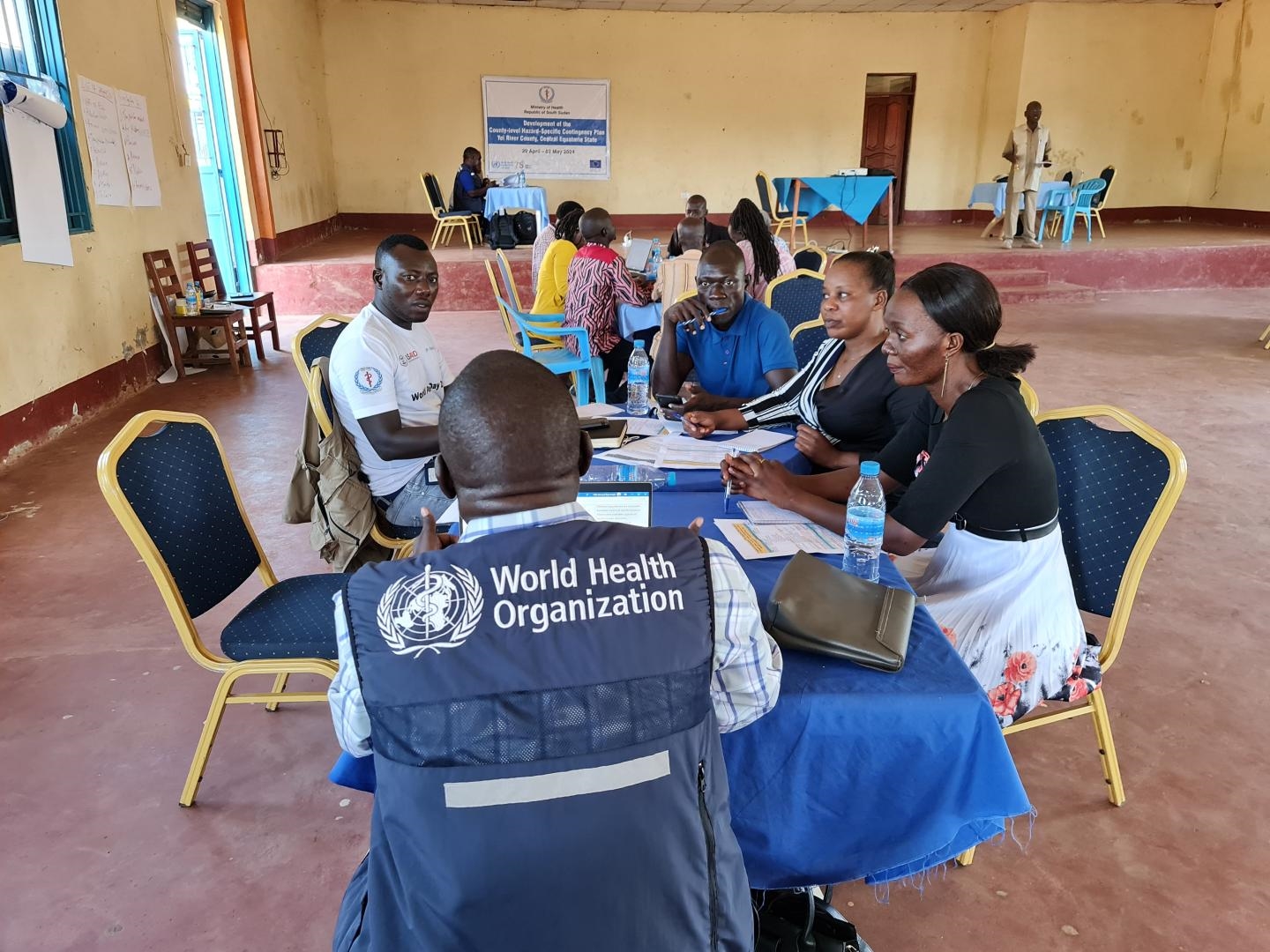
    In a world prone to sudden emergencies and unexpected disasters, the importance of strategic preparation is undeniable. Central Equatoria State in South Sudan is making strides in building resilience to potential threats through the creation of county-level hazard-specific contingency plans. By proactively addressing the risks, the State aims to protect public health and safety while fostering a culture of resilience among its citizens.

    The newly developed plans take into account the unique characteristics and risks of each county, particularly in regions like Yei River County, which are prone to specific hazards. Ms. Agnes Agnes Nyoka, Primary Health Care Supervisor for Yei River County, explains, “The County contingency plans are designed to prepare for potential hazards and ensure a swift and effective response. These plans include hazard-specific strategies, response scales, scenarios, and a multi-hazard core response mechanism.”

    Assessing Risks at a Local Level

    Central Equatoria State faces a range of threats, from armed conflict to infectious diseases and environmental challenges. A comprehensive sub-national risk assessment conducted in October 2023 provided valuable insights into the specific risks that the State faces. The assessment identified a spectrum of dangers, including malaria, Ebola Virus Disease (EVD), and road traffic accidents, among others.

    Based on these findings, Central Equatoria State developed hazard-specific contingency plans tailored to individual counties. The initiative focused on Kajo-keji, Morobo, and Yei River Counties, selected due to their unique geographical attributes and varying levels of risk. The goal of these plans is not only to respond to emergencies and disasters but also to proactively mitigate their impact through effective preparation.

    Developing County-Level Contingency Plans

    The county-level contingency plans are designed with several key objectives in mind. First, they aim to anticipate potential threats and vulnerabilities, allowing the State to implement proactive measures to minimize harm to public health. The plans identify specific needs associated with each hazard and outline customized mitigation actions to address them.

    A detailed roadmap is also provided for implementing these actions, covering resource allocation, time estimates, and other logistical considerations. These plans include the mobilization of necessary resources—personnel, equipment, logistics capabilities, and supplies—to support effective response efforts. Furthermore, ongoing monitoring and evaluation are built into the process to ensure that the plans remain effective and adaptable to changing conditions.

    Building a Culture of Resilience

    By focusing on proactive planning, monitoring, and coordination, Central Equatoria State aims to build a culture of resilience within its communities. The State’s commitment to disaster risk reduction and community involvement is evident in its approach. As Mr. Yona Kenyi, Surveillance Officer for Central Equatoria State, notes, “South Sudan has taken proactive steps to address public health challenges. Our approach prioritizes community involvement in identifying potential hazards and ensures that county-level, hazard-specific contingency plans are developed and fully understood.”

    The development of these contingency plans involved collaboration across various sectors and partner organizations. This inclusive approach ensured a comprehensive understanding of risks and incorporated expertise from a wide range of stakeholders. By involving the community, the State seeks to foster a sense of ownership and commitment to implementing the plans.

    A Model for Disaster Preparedness

    The significance of Central Equatoria State’s initiative extends beyond its borders. The generous support from the European Union for Humanitarian Aid has been crucial in driving this initiative, which now serves as a model for other States facing similar challenges. As Dr. Humphrey Karamagi, WHO Representative for South Sudan, points out, “By prioritizing preparedness, disaster risk reduction, and collaboration, Central Equatoria State demonstrates that proactive measures can mitigate even the most daunting hazards. This approach ensures a safer and more resilient future for all.”

    By investing in proactive preparedness and fostering collaboration across different sectors, Central Equatoria State is taking a significant step toward building a safer, more resilient community. The initiatives in place are not just reactive; they are designed to anticipate and address the unique risks that each county may face, ensuring that the State can respond swiftly and effectively when emergencies occur.

  • Transformational Leadership and Organizational Resilience in Times of Crisis: Insights from Sudan

    Transformational Leadership and Organizational Resilience in Times of Crisis: Insights from Sudan

    A recent study by Sharief, E. (2024) titled “Leadership Styles and Organizational Resilience in Times of Crisis in Sudan” published in American Journal of Leadership and Governance, shows that transformational leadership, which is characterized by vision, inspiration, and individualized consideration, promotes organizational resilience by fostering adaptability, innovation, and employee commitment.

    Transformational leadership significantly boosts organizational resilience during crises by fostering adaptability, innovation, and employee commitment in Sudan’s challenging context.– Sharief, E. (2024)

    The study delves into Leadership Styles and Organizational Resilience during Crises in Sudan. The research investigates various leadership styles and assesses how they influence organizational performance and adaptability when crises occur. It explores approaches like transformational leadership, which inspires and motivates employees, and servant leadership, which focuses on serving others and fostering a culture of empathy and collaboration. The study centers on how organizations in Sudan demonstrate resilience when facing crises. This resilience refers to the ability of organizations to not only withstand disruptions but also to adapt, innovate, and thrive in the face of adversity. It examines factors that contribute to resilience, such as flexibility, resourcefulness, and employee engagement. The study’s focus on Sudan is crucial, given the unique socio-political and economic environment in which these organizations operate. Sudan has faced significant challenges, including political instability, economic fluctuations, and social upheaval. Understanding the specific context helps to identify how local conditions impact leadership and organizational resilience. The research explores various strategies for managing and recovering from crises. It considers how leaders in Sudan approach crises, the processes they implement for quick recovery, and the steps taken to ensure organizational continuity. Effective crisis management involves not only immediate response tactics but also long-term planning and risk assessment. Overall, the study aims to offer valuable insights into the relationship between different leadership styles and organizational resilience in the face of adversity. Focusing on the Sudanese context provides a deeper understanding of how organizations navigate crises and what leadership traits contribute to successful outcomes.

    How the Study was Conducted

    This study utilized a desk study methodology, which is a type of research design that relies on secondary data collection. This approach involves gathering information from existing sources, such as previously published studies, reports, and academic articles. The advantage of a desk study is its cost-effectiveness compared to field research, as it leverages readily available data without requiring new data collection through fieldwork or surveys. In this study, researchers examined a range of published studies and reports, accessing them through online journals, libraries, and other digital resources. This method enabled the researchers to conduct a thorough analysis of existing literature and draw insights without the need for extensive field-based research.

    What the Authors Found

    The research on leadership styles and organizational resilience in times of crisis reveals that transformational leadership, which is characterized by vision, inspiration, and individualized consideration, promotes organizational resilience by fostering adaptability, innovation, and employee commitment. Additionally, servant leadership, with its emphasis on prioritizing the needs of others, empathy, and humility, is associated with enhanced organizational resilience by building trust, collaboration, and a sense of community. This study underscores the significant role of leadership in enabling organizations to navigate turbulent environments successfully.

    Why is this Important

    Leadership and Crisis Management: The research examines the impact of different leadership styles on organizational resilience during crises. Understanding how leadership influences an organization’s ability to withstand and adapt to challenges is crucial for its survival and success.
    Theoretical Contribution: By investigating the mechanisms through which leadership affects organizational resilience, this study contributes to existing academic knowledge. It bridges gaps in the literature and provides insights that can inform future research and theory development.
    Practical Implications: The findings have practical implications for organizations in both the public and private sectors. Organizations can use this research to develop effective leadership strategies that enhance resilience. For example, leaders can learn how to foster a culture of adaptability and preparedness.

    What the Authors Recommend

    • The author recommend that organizations should invest in leadership development programs that focus on enhancing leadership skills related to crisis management and organizational resilience. This includes training leaders to adapt to changing circumstances, communicate effectively during crises, and foster a resilient organizational culture.
    • The author posit that leaders should adopt adaptive leadership styles that allow them to respond flexibly to different situations. For instance, during a crisis, leaders may need to shift from an authoritative style to a more collaborative or participative approach.
    • In addition, the author also emphasize that organizations should engage in scenario planning and preparedness exercises. Leaders can proactively identify potential risks, develop contingency plans, and ensure that the organization is ready to handle unexpected challenges.
    • Building resilience at the team level is equally important. Leaders should encourage collaboration, trust, and open communication among team members. Teams that support each other during difficult times are more likely to bounce back from setbacks.
    • After a crisis, the author advocate that organizations should conduct thorough post-mortem analyses. Leaders can learn from both successes and failures, identifying areas for improvement and adjusting their strategies accordingly.

    The study by Sharief, E. (2024) offers a comprehensive look into how various leadership styles, particularly transformational and servant leadership, can significantly impact organizational resilience during crises in Sudan’s challenging socio-political and economic landscape. The findings underscore the importance of adaptability, innovation, and employee commitment in fostering a resilient organizational culture. As crises continue to test organizations worldwide, the insights from this study offer valuable guidance for leaders and policymakers in developing strategies that promote flexibility, collaboration, and preparedness. The emphasis on leadership development, adaptive approaches, and learning from past crises provides a solid foundation for organizations aiming to not only withstand adversity but also thrive in its wake. Ultimately, this research serves as a vital resource for enhancing organizational resilience and strengthening leadership practices in times of crisis.

  • Unlocking the Power of Digital Elevation Models: Insights from Central and Southern Africa’s Landscapes

    Unlocking the Power of Digital Elevation Models: Insights from Central and Southern Africa’s Landscapes

    A recent study by Okolie, et al, (2024) titled “Assessment of the global Copernicus, NASADEM, ASTER and AW3D digital elevation models in Central and Southern Africa” published in Geo-spatial Information Science, by Taylor & Francis group shows that Copernicus DEM displayed superior accuracy in certain scenarios while ASTER and NASADEM were better suited for other landscapes.

    There are varying accuracies of global Digital Elevation Models across Central and Southern Africa, highlighting Copernicus DEM’s superiority in certain CONDITIONS. – Okolie, et al, (2024)

    The article explores a thorough evaluation of the vertical accuracies of four prominent global Digital Elevation Models (DEMs): NASADEM, Advanced Spaceborne Thermal Emission and Reflection Radiometer (ASTER) GDEM, Copernicus GLO-30, and Advanced Land Observing Satellite (ALOS) World 3D (AW3D), through the comparison with LiDAR ground truth data. Focusing on a range of landscapes across Central and Southern Africa, including urban, agricultural, mountainous, and forested areas, the study scrutinizes the performance of these DEMs across diverse terrains and land cover types, while considering factors such as tree cover and topographic parameters. The results highlight variations in DEM accuracy, with the Copernicus DEM demonstrating superior performance under certain conditions, while ASTER and NASADEM exhibit better accuracy in others.

    How the Study was Conducted

    Grids with a substantial number of data points were generated for Cape Town and Gabon. Elevation data was extracted from LiDAR and global DEMs, and these elevations were recorded. The DEMs were cleaned to eliminate negative elevation values. The Three-sigma rule was applied to identify and filter outliers, and elevation points over water bodies were excluded. Both qualitative (visual) and quantitative analyses were employed. Absolute vertical accuracy was determined by comparing satellite DEMs with the reference DEM (LiDAR). Height Error Maps (HEMs) were created to visually estimate height error across different landscapes. The relative accuracy of the DEMs was ranked based on calculated accuracy measures.

    What the Authors Found

    The authors of the study found the global Digital Elevation Models (DEMs) evaluated—NASADEM, ASTER GDEM, Copernicus GLO-30, and ALOS World 3D (AW3D)—showed varying levels of vertical accuracy. Dense LiDAR ground-truth data was employed to validate the DEMs’ accuracy across diverse landscapes in Central and Southern Africa. The authors found that the accuracy of DEMs differed based on environmental factors such as tree cover and topographic parameters. In addition, the authors posits that Copernicus DEM displayed superior accuracy under certain conditions, while ASTER and NASADEM were better in other scenarios.

    Why is this Important

    Digital Elevation Models (DEMs) find extensive application in environmental research, spanning climate modeling, hydrology, and land cover analysis. The precision of elevation data is pivotal in comprehending terrain features, water flow dynamics, and ecological phenomena.  Within infrastructure planning, dependable elevation data holds significant importance. It aids in the development of infrastructure, urban layouts, and disaster management strategies, enabling engineers to accommodate elevation fluctuations effectively in designing roads, bridges, and buildings.

    In the realm of natural resource management, DEMs facilitate the evaluation of resources like forests, wetlands, and agricultural areas. Accurate elevation data informs decisions regarding land usage and conservation endeavors. In the context of assessing the impacts of climate change, precise elevation information becomes indispensable. It allows for the anticipation of coastal erosion, flooding, and habitat alterations, given the fluctuations in sea levels and weather patterns associated with climate change. For risk assessment purposes, DEMs play a crucial role in evaluating hazards such as landslide susceptibility, flood forecasting, and seismic risk analysis. Accurate elevation data contributes significantly to mitigating potential disasters.

    In scientific research domains like geomorphology, glaciology, and geology, DEMs serve as invaluable tools for analyzing landscape transformations, glacier retreat patterns, and tectonic activities. In essence, ensuring the accuracy of DEMs fosters well-informed decision-making across a diverse array of fields, ranging from environmental preservation to infrastructure advancement.

    What the Authors Recommend

    The authors recommend the following:

    • When choosing a Digital Elevation Model (DEM) for specific applications, consider the environmental context. Different DEMs perform better under varying conditions. For instance:
      Copernicus DEM displayed superior accuracy in certain scenarios.
      ASTER and NASADEM were better suited for other landscapes.
    • Before using DEMs, validate their accuracy against ground-truth data (such as LiDAR). Calibration and adjustment may be necessary to improve reliability.
    • Understand the limitations of DEMs. Factors like tree cover, terrain complexity, and data resolution impact accuracy. Be cautious when interpreting elevation data.
    • Consider regional variations. DEM accuracy can differ significantly across different geographic regions. Local calibration or correction factors may enhance reliability.
    • Collaborate with other researchers and institutions. Sharing groundtruth data and calibration techniques can improve overall DEM accuracy.

    In conclusion, the comprehensive evaluation of global Digital Elevation Models (DEMs) conducted in this study sheds light on their varying accuracies across diverse landscapes in Central and Southern Africa. With Copernicus DEM demonstrating superior performance under specific conditions, while ASTER and NASADEM proving more suitable for other scenarios, understanding these nuances is crucial for informed decision-making across multiple fields. By recognizing the importance of DEM accuracy, validating data against ground truth, and acknowledging regional variations and limitations, researchers and practitioners can harness the full potential of DEMs to advance environmental studies, infrastructure planning, natural resource management, and scientific research, ultimately contributing to more resilient and sustainable development.