Tag: resilience-building

  • Revolutionizing Climate Crisis Management in Africa: Remote Sensing Applications for Risk Mapping, Resilience, and Humanitarian Response

    Revolutionizing Climate Crisis Management in Africa: Remote Sensing Applications for Risk Mapping, Resilience, and Humanitarian Response

    A recent study by Egbebike et al. (2024) titled “REMOTE SENSING APPLICATIONS IN MAPPING RISKS ASSOCIATED WITH CLIMATE CRISIS, RESILIENCE, AND HUMANITARIAN RESPONSE: THE AFRICAN PERSPECTIVE” published in Nnamdi Azikiwe University Journal of Civil Engineering (NAUJCVE) shows that remote sensing technologies, such as NDVI and SAR, were highly effective in mapping climate-related risks like droughts and floods.

    Remote sensing technologies effectively map climate risks, enhance disaster response, support resilience, and improve climate adaptation strategies in Africa. – Egbebike et al. 2024

    This study investigates how remote sensing technology can address the challenges posed by the climate crisis in Africa. It highlights the use of remote sensing in mapping climate-related risks such as droughts and floods, enhancing resilience through early warning systems, and supporting sustainable resource management. The research emphasizes the critical role of remote sensing in humanitarian response efforts, including damage assessment and coordination of relief operations after climate-induced disasters. Key tools and technologies discussed include the Normalized Difference Vegetation Index (NDVI) and the Soil Moisture Active Passive (SMAP) mission, which are used to monitor and predict drought conditions. Additionally, Synthetic Aperture Radar (SAR) and high-resolution optical imagery are employed to monitor and evaluate the impacts of floods, detect drought stress in vegetation, and track surface temperature changes. Data from MODIS sensors on NASA’s Terra and Aqua satellites has been instrumental in monitoring droughts and forecasting crop failures. The study also references the pivotal role of remote sensing during Cyclone Idai in 2019, where it provided rapid damage assessments that supported the humanitarian response. However, challenges such as limited access to high-resolution data and inadequate infrastructure hinder its broader application. The research underscores the importance of building local capacity through training and education to maximize the benefits of remote sensing technology.

    How the Study was Conducted

    High-resolution satellite images from sources like MODIS, Landsat, and Sentinel were used to gather data on various environmental parameters. Field data were also employed to validate and calibrate the satellite data, ensuring accuracy and reliability. The authors also employed Normalized Difference Vegetation Index (NDVI) to monitor vegetation health and detect drought conditions as well as Soil Moisture Active Passive (SMAP) which aimed to provided data on soil moisture levels, crucial for drought prediction and monitoring. Synthetic Aperture Radar (SAR) also employed for flood monitoring, as it can penetrate cloud cover and provide high-resolution images even in adverse weather conditions. In addition, Thermal Infrared Imaging (TIR) were used to detect drought stress in vegetation by measuring surface temperatures. The authors used Geographic Information Systems (GIS) to analyze spatial data and create risk maps. Time-series analysis was conducted to monitor changes over time and identify trends in climate-related risks.

    What the Authors Found

    The authors found that remote sensing technologies, such as NDVI and SAR, were highly effective in mapping climate-related risks like droughts and floods. These tools provided critical data for early warning systems and disaster preparedness. Remote sensing played a crucial role in humanitarian response efforts. High-resolution satellite imagery was instrumental in assessing damage and coordinating relief efforts during climate-induced disasters, such as floods and cyclones.

    Why is this important?

    Addressing Climate Vulnerability: Africa is highly susceptible to the impacts of climate change, including severe weather events, prolonged droughts, and shifting agricultural zones. This study provides valuable insights into how remote sensing can help mitigate these risks by offering accurate and timely data for early warning systems and disaster preparedness.

    Enhancing Resilience: By leveraging remote sensing technologies, the study highlights ways to enhance the resilience of communities against climate impacts. This includes sustainable resource management and improved disaster response capabilities.

    Supporting Humanitarian Efforts: Remote sensing plays a critical role in humanitarian response efforts by providing rapid damage assessments and guiding relief operations during climate-induced disasters. This can significantly improve the efficiency and effectiveness of aid distribution and recovery efforts.

    Technological Advancements: The study showcases the potential of advanced remote sensing technologies, such as Synthetic Aperture Radar (SAR) and Thermal Infrared Imaging (TIR), in monitoring and managing climate-related risks. These technologies offer high-resolution data that can be crucial for detailed analysis and decision-making.

    Capacity Building and Local Expertise: Emphasizing the need for capacity building, the study underscores the importance of training and education in maximizing the benefits of remote sensing technologies. This can empower local communities and institutions to better manage and respond to climate challenges.

    Policy and decision-making: The findings of the study can inform policy and decision-making processes by providing evidence-based insights into the effectiveness of remote sensing applications. This can lead to more informed and strategic approaches to climate adaptation and mitigation.

    What the Authors Recommended

    • The authors advocate improving access to high-resolution remote sensing data for African countries. This includes making satellite imagery more affordable and readily available to local institutions and governments.
    • The study emphasizes investing in training and education programs to build local expertise in remote sensing technologies. This will empower communities and institutions to effectively use remote sensing data for climate risk management and resilience building.
    • The authors ought Africans to develop and improve the infrastructure needed to process and analyze remote sensing data. This includes investing in advanced computing facilities and software tools that can handle large datasets.
    • The study also advocates fostering collaboration between international organizations, governments, and the private sector to support the implementation of remote sensing technologies. Partnerships can help share resources, knowledge, and best practices.
    • Integrate remote sensing data into national and regional policies for climate adaptation and disaster risk management. This will ensure that decision-makers have access to accurate and timely information for planning and response.
    • Promote the use of remote sensing for sustainable resource management. This includes monitoring land use changes, deforestation, and water resources to support conservation efforts and sustainable development.
    • In addition, enhance early warning systems for climate-related hazards by incorporating remote sensing data. This will improve the accuracy and timeliness of warnings, helping communities prepare for and respond to disasters more effectively.

    In conclusion, the study by Egbebike et al. (2024) underscores the transformative potential of remote sensing technologies in addressing the multifaceted challenges of the climate crisis in Africa. By providing critical data for early warning systems, disaster response, and sustainable resource management, these tools offer actionable solutions to enhance resilience and mitigate risks. However, unlocking their full potential requires addressing challenges like data accessibility, infrastructure development, and capacity building. Collaborative efforts among governments, institutions, and international partners are essential to leverage these technologies for a sustainable and climate-resilient future across the continent.
  • South Sudan’s Central Equatoria State Develops County-Level Disaster Preparedness Plans

    South Sudan’s Central Equatoria State Develops County-Level Disaster Preparedness Plans

    In a world prone to sudden emergencies and unexpected disasters, the importance of strategic preparation is undeniable. Central Equatoria State in South Sudan is making strides in building resilience to potential threats through the creation of county-level hazard-specific contingency plans. By proactively addressing the risks, the State aims to protect public health and safety while fostering a culture of resilience among its citizens.

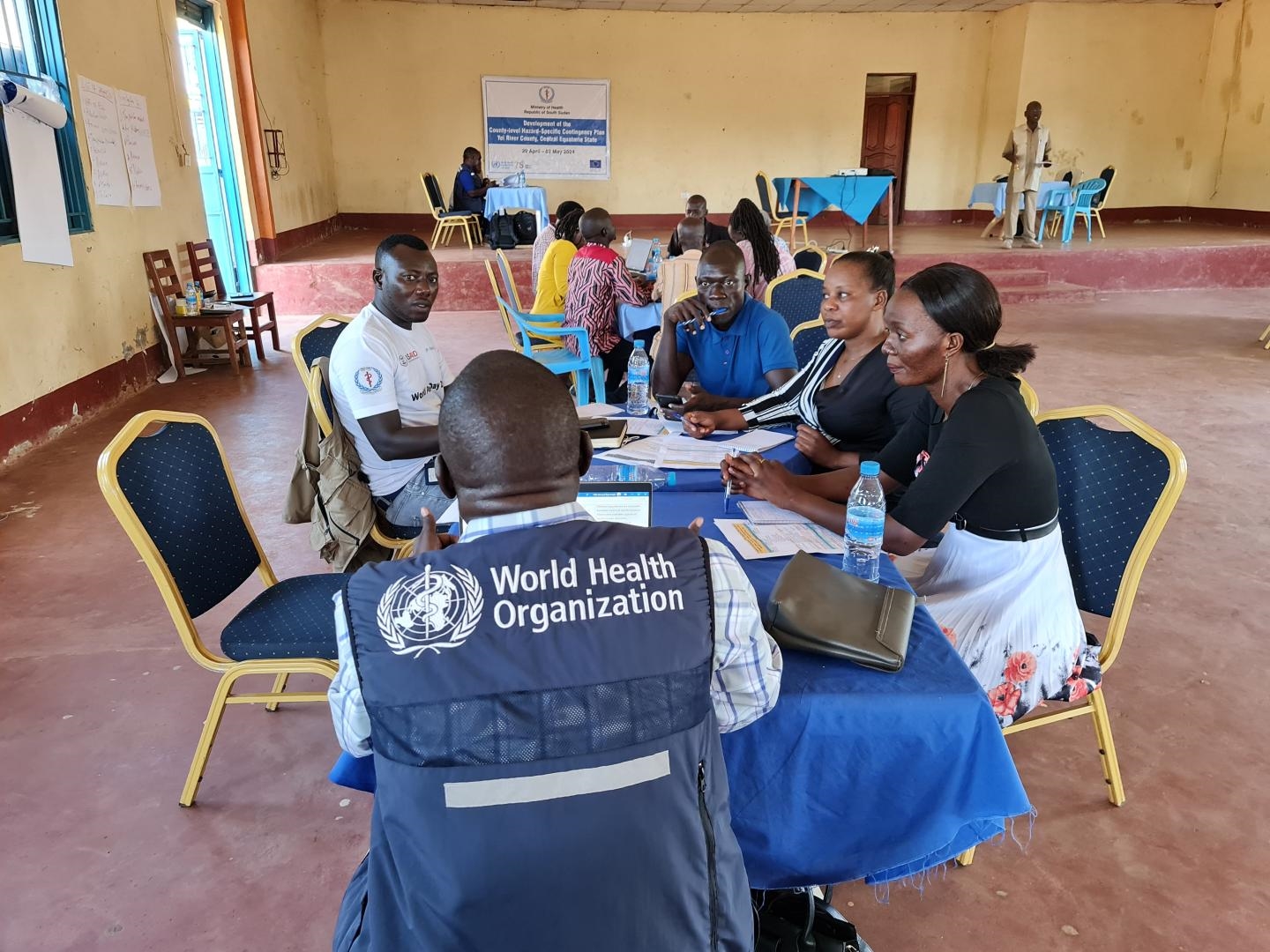
    The newly developed plans take into account the unique characteristics and risks of each county, particularly in regions like Yei River County, which are prone to specific hazards. Ms. Agnes Agnes Nyoka, Primary Health Care Supervisor for Yei River County, explains, “The County contingency plans are designed to prepare for potential hazards and ensure a swift and effective response. These plans include hazard-specific strategies, response scales, scenarios, and a multi-hazard core response mechanism.”

    Assessing Risks at a Local Level

    Central Equatoria State faces a range of threats, from armed conflict to infectious diseases and environmental challenges. A comprehensive sub-national risk assessment conducted in October 2023 provided valuable insights into the specific risks that the State faces. The assessment identified a spectrum of dangers, including malaria, Ebola Virus Disease (EVD), and road traffic accidents, among others.

    Based on these findings, Central Equatoria State developed hazard-specific contingency plans tailored to individual counties. The initiative focused on Kajo-keji, Morobo, and Yei River Counties, selected due to their unique geographical attributes and varying levels of risk. The goal of these plans is not only to respond to emergencies and disasters but also to proactively mitigate their impact through effective preparation.

    Developing County-Level Contingency Plans

    The county-level contingency plans are designed with several key objectives in mind. First, they aim to anticipate potential threats and vulnerabilities, allowing the State to implement proactive measures to minimize harm to public health. The plans identify specific needs associated with each hazard and outline customized mitigation actions to address them.

    A detailed roadmap is also provided for implementing these actions, covering resource allocation, time estimates, and other logistical considerations. These plans include the mobilization of necessary resources—personnel, equipment, logistics capabilities, and supplies—to support effective response efforts. Furthermore, ongoing monitoring and evaluation are built into the process to ensure that the plans remain effective and adaptable to changing conditions.

    Building a Culture of Resilience

    By focusing on proactive planning, monitoring, and coordination, Central Equatoria State aims to build a culture of resilience within its communities. The State’s commitment to disaster risk reduction and community involvement is evident in its approach. As Mr. Yona Kenyi, Surveillance Officer for Central Equatoria State, notes, “South Sudan has taken proactive steps to address public health challenges. Our approach prioritizes community involvement in identifying potential hazards and ensures that county-level, hazard-specific contingency plans are developed and fully understood.”

    The development of these contingency plans involved collaboration across various sectors and partner organizations. This inclusive approach ensured a comprehensive understanding of risks and incorporated expertise from a wide range of stakeholders. By involving the community, the State seeks to foster a sense of ownership and commitment to implementing the plans.

    A Model for Disaster Preparedness

    The significance of Central Equatoria State’s initiative extends beyond its borders. The generous support from the European Union for Humanitarian Aid has been crucial in driving this initiative, which now serves as a model for other States facing similar challenges. As Dr. Humphrey Karamagi, WHO Representative for South Sudan, points out, “By prioritizing preparedness, disaster risk reduction, and collaboration, Central Equatoria State demonstrates that proactive measures can mitigate even the most daunting hazards. This approach ensures a safer and more resilient future for all.”

    By investing in proactive preparedness and fostering collaboration across different sectors, Central Equatoria State is taking a significant step toward building a safer, more resilient community. The initiatives in place are not just reactive; they are designed to anticipate and address the unique risks that each county may face, ensuring that the State can respond swiftly and effectively when emergencies occur.

  • Addressing Climate Change, Flooding, and Diseases in Sub-Saharan Africa: Strategies for Resilience and Community Health

    Addressing Climate Change, Flooding, and Diseases in Sub-Saharan Africa: Strategies for Resilience and Community Health

    A recent study by Angmor, G. D. M. (2024) titled “Climate Change Flooding and Diseases in Sub Sahara Africa: Trends and Adaptions Strategies (A Review)” published in Korean Journal of Physiology and Pharmacology, shows that climate change in Sub-Saharan Africa is leading to increased temperatures, shifts in precipitation patterns, and more extreme weather events.

    Climate change in Sub-Saharan Africa is leading to increased temperatures and extreme weather events. -Angmor, G. D. M. (2024)

    The research delves into the multifaceted challenges posed by climate change, flooding, and disease outbreaks within the context of Sub-Saharan Africa. The study meticulously examines the ramifications of climate change across Sub-Saharan Africa. It scrutinizes the shifting temperatures, alterations in precipitation patterns, and the surge in extreme weather phenomena. These factors collectively contribute to a heightened risk of flooding and the proliferation of diseases within the region. There is a stark illustration of how marginalized communities bear the brunt of these environmental shifts. Socio-economic inequalities are further exacerbated, emphasizing the urgent need for comprehensive adaptation strategies that account for the diverse needs of these vulnerable populations. The study critically assesses a spectrum of adaptation initiatives. These range from the implementation of early warning systems to sustainable water management practices and community-based health interventions. The emphasis lies on empowering communities to bolster their resilience in the face of environmental adversities. A holistic approach is advocated, one that amalgamates traditional wisdom with contemporary scientific methodologies. The importance of community engagement is underscored, alongside the recognition of indigenous knowledge systems. This integrated approach not only fosters sustainable development but also serves as a cornerstone for enhancing public health outcomes across the region.

    How the Study was Conducted

    The research utilized well-known databases like Google Scholar, JSTOR, Science Direct, and Research Gate. A customized search query was created to identify relevant studies. Titles and abstracts were scanned, followed by full-text assessments to filter out off-topic records. A total of 10 studies were included in the review after a rigorous selection process.This methodological approach ensures a thorough understanding of the complex issues related to climate change, flooding, and diseases in the region.

    What the Authors Found

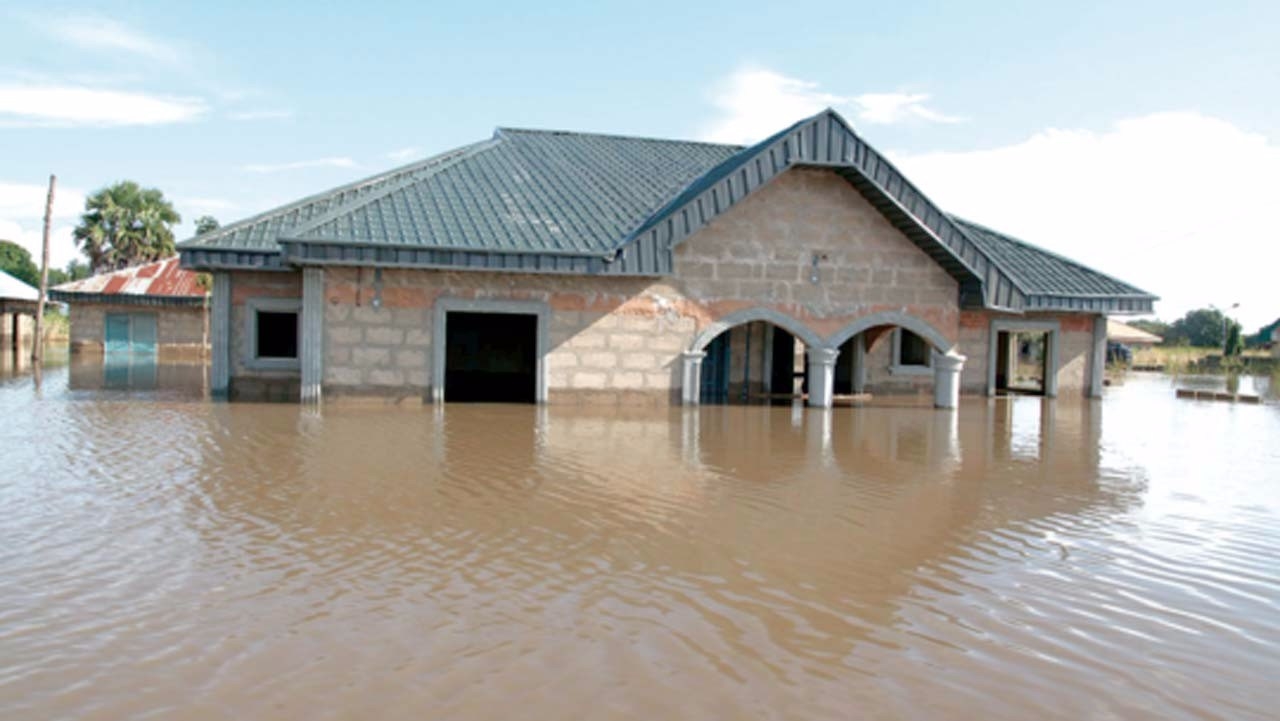
    The author found that climate change in Sub-Saharan Africa is leading to increased temperatures, shifts in precipitation patterns, and more extreme weather events. These changes are causing more frequent and intense floods, which disrupt livelihoods and infrastructure, and create environments conducive to the spread of diseases.

    Why is this Important

    Human Impact: Climate change, flooding, and diseases directly affect human lives, livelihoods, and well-being. Understanding their interconnections allows us to develop targeted interventions to mitigate their impact.
    Vulnerable Communities: Marginalized communities in Sub-Saharan Africa are disproportionately affected. By addressing these challenges, we can reduce disparities and promote social equity.
    Resilience Building: The study emphasizes the need for adaptation strategies. Building resilience at local, national, and international levels is essential to cope with the changing climate and its consequences.
    Global Health: Sub-Saharan Africa’s health is interconnected with global health. Addressing these issues contributes to global disease prevention and control.

    What the Authors Recommend

    The authors recommend several key strategies to address the challenges posed by climate change, flooding, and diseases in Sub-Saharan Africa

    • Early Warning Systems: Implement robust early warning systems to predict extreme weather events, such as floods, and disseminate timely alerts to vulnerable communities. These systems can help reduce the impact of disasters.
    • Sustainable Water Management: Enhance water resource management practices to mitigate the effects of flooding. This includes building reservoirs, improving irrigation techniques, and promoting water conservation.
    • Community-Based Health Interventions: Engage local communities in health promotion and disease prevention. Community health workers can play a crucial role in educating people about hygiene, sanitation, and disease control.
    • Integrated Approaches: Adopt an integrated approach that combines traditional knowledge with modern scientific methods. Collaborate across sectors, including health, agriculture, and disaster management, to develop holistic solutions.
    • Capacity Building: Strengthen the capacity of health systems, disaster response teams, and community organizations. Training and resources are essential for effective adaptation.

    In conclusion, the study sheds light on the interconnected challenges of climate change, flooding, and diseases in Sub-Saharan Africa, emphasizing the urgent need for comprehensive adaptation strategies. By addressing these issues, we can mitigate their impact on human lives, promote social equity, build resilience, and contribute to global health initiatives. Through collaborative efforts and integrated approaches, we can pave the way for sustainable development and improved well-being across the region.

  • Environmental Migration in Sub-Saharan Africa: Drivers, Patterns, and Implications

    Environmental Migration in Sub-Saharan Africa: Drivers, Patterns, and Implications

    A study by Wolde, S. G., D’Odorico, P., & Rulli, M. C. (2023) titled “Environmental drivers of human migration in Sub-Saharan Africa” published in the Global Sustainability, a publication of the Cambridge University Press revealed that migration can be seen as a coping mechanism or adaptation strategy to climate change in sub-Saharan Africa. The paper examines how environmental changes, such as climate events, processes, and disasters, have influenced human displacement across 32 sub-Saharan African countries between 1990 and 2021.

    Migration can be seen as a coping mechanism or adaptation strategy to climate change in sub-Saharan Africa.
    – Wolde et al., 2023

    The authors out of concern for the complex and multifaceted causes and consequences of environmental migration in the region, and the lack of comprehensive and reliable data to assess its magnitude and patterns, decided to conduct this systematic literature review and meta-analysis of 87 case studies from various sources and using various methods to identify the direct and indirect environmental drivers, the geographic patterns, and the regional differences of environmental migration in sub-Saharan African countries over a 31 years period.

    The authors upon learning from evidence, developed a new conceptual framework to investigate the cascading flow of interdependences among environmental change drivers of human displacement in the region – which utilized Qualitative Comparative Analysis (QCA), statistical correlation analysis, and mosaic graphs to analyze the complex causal links and interactions among the multiple factors.

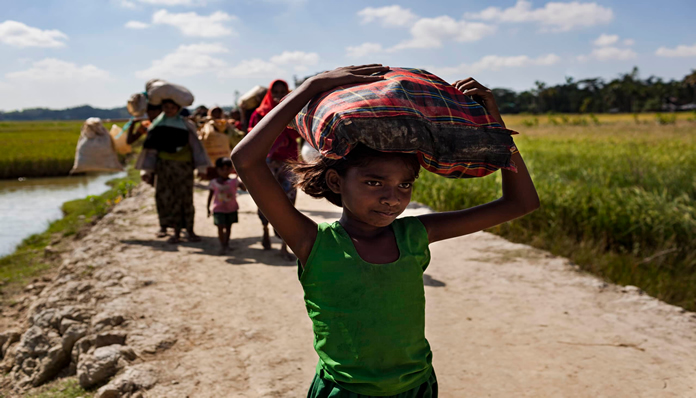
    Findings from their study show that environmental migration pattern in sub-Saharan Africa is mostly internal and regional, and is influenced by multiple direct and indirect factors. The direct environmental drivers are drought, floods, storms, and land degradation. While the indirect environmental drivers: water scarcity, food insecurity, conflict, and health risks. They noted that non-environmental drivers (such as political, economic, administrative, social, and development processes that lead to the depletion/degradation of natural resources) compound the effects of environmental change.

    However, the main environmental factors leading to human displacement are associated with high rainfall (cyclones, storms, floods, heavy rain) or water scarcity and drought, described as push factors for human displacement across 32 sub-Saharan African countries. While the authors could not provide specific findings on the direction of the migration flow, they presented a conceptual framework for investigating the cascading flow of interdependences among environmental change drivers of human displacement while reconstructing the main migration patterns across sub-Saharan Africa.

    The authors identified migration as a coping mechanism or adaptation strategy to climate change in sub-Saharan Africa when coupled with resilience-building techniques. It also explores how migration might contribute to planned relocation as a climate-change adaptation measure. It highlights the challenges and opportunities for enhancing societal resilience in sub-Saharan African countries.

    Implications of the study

    The study provides a better understanding of the complex web of environmental drivers of environmental migration in sub-Saharan Africa while highlighting sub-regional differences in the predominant environmental forcing. The study also highlights the need for a better understanding of the role played by non-environmental factors in the migration and internal displacement process in sub-Saharan Africa. The study argues that hydroclimatic changes may increase or decrease the plausibility of migration, but these outcomes highly depend on the underlying non-environmental contexts. The study suggests that policymakers and practitioners need to take into account the complex interplay of environmental and non-environmental factors when designing and implementing policies and programs aimed at reducing vulnerability and enhancing resilience to environmental change in sub-Saharan Africa.

    In conclusion, this comprehensive study sheds valuable light on the intricate dynamics of environmental migration in sub-Saharan Africa over three decades. It uncovers the diverse factors propelling human displacement, distinguishing between direct drivers like droughts and floods and indirect ones such as water scarcity and conflict. Notably, the research underscores the pivotal role of non-environmental factors in compounding these migratory patterns. Furthermore, the study introduces a groundbreaking conceptual framework, bridging the gap between environmental change and human mobility. It highlights the dual nature of migration as both a response to climate change and a potential catalyst for planned relocation and adaptation strategies. Ultimately, the findings emphasize the necessity for policymakers and practitioners to consider this intricate interplay of factors in crafting effective strategies to bolster resilience and reduce vulnerability in the face of environmental shifts across sub-Saharan Africa.

    Question for Contribution and Comments

    Dear reader, we value your input! Kindly share your thoughts, ideas, and comments regarding the question below in the comment section. Your valuable input will help shape our next article:

    “What are the ethical considerations and potential consequences of using migration as an adaptation strategy to climate change in sub-Saharan Africa, especially in the context of complex interactions with non-environmental factors?”