
Tag: personalized medicine

  • Challenges and Opportunities in Advancing Bioinformatics Proficiency Among African Students: A Comprehensive Study

    Challenges and Opportunities in Advancing Bioinformatics Proficiency Among African Students: A Comprehensive Study

    A recent study by Akintola et al. (2024) titled “Bioinformatics proficiency among African students” published in Frontiers in Bioinformatics, examines that students face significant barriers to gaining proficiency in bioinformatics, including limited access to resources, educational infrastructure, and training opportunities.

    African students face significant barriers to bioinformatics proficiency, including limited resources, inadequate infrastructure, and training challenges.– Akintola et al. 2024

    The article examines the current landscape of bioinformatics literacy among students across Africa, emphasizing the crucial role bioinformatics plays in the advancement of the life sciences. As an interdisciplinary field that merges biology, computer science, and data analytics, bioinformatics has become foundational in research areas such as genomics, personalized medicine, agricultural biotechnology, and environmental conservation. However, African students face unique challenges in achieving proficiency in this vital field due to several limitations, such as restricted access to essential resources, inadequate educational infrastructure, and a scarcity of specialized training opportunities. These obstacles hinder the full participation of African students in bioinformatics, ultimately affecting their ability to engage meaningfully in global scientific progress. For instance, many educational institutions across Africa lack the necessary computational resources, such as high-performance computing facilities, which are essential for processing complex biological data. Additionally, a shortage of trained educators and mentors in bioinformatics limits the ability to provide a robust curriculum that covers essential concepts and tools, from basic coding to advanced data analytics and machine learning. By empowering African students with bioinformatics proficiency, the article envisions a future where they can make significant contributions to critical sectors such as healthcare, where genomics and personalized medicine can improve disease prevention and treatment; agriculture, where bioinformatics can enhance crop resilience and productivity; and biodiversity conservation, where genetic analysis can aid in preserving threatened species. Advancing bioinformatics literacy among African students not only strengthens the continent’s scientific capabilities but also holds promise for improving overall quality of life across Africa, enabling local researchers to devise innovative, sustainable solutions to the continent’s unique challenges.

    How the Study was Conducted

    The study employed a comprehensive methodology to assess the current state of bioinformatics literacy and identify challenges and potential solutions. The study gathered data through surveys and questionnaires distributed to students across various African universities. These instruments were designed to capture information on students’ access to bioinformatics resources, their level of proficiency, and the challenges they face in learning bioinformatics. The study involved organizing bioinformatics training sessions, both virtual and onsite, in collaboration with international institutions. These training programs aimed to enhance student’s skills and provide hands-on experience with bioinformatics tools and techniques. Participants’ satisfaction with the training programs was assessed through surveys that evaluated the quality of presentations, demonstrations, and exercises. Feedback from these surveys was used to gauge the effectiveness of the training and identify areas for improvement. The study leveraged free online bioinformatics resources and tools to overcome the limitations posed by expensive proprietary software. This approach aimed to make bioinformatics education more accessible to students with limited financial means.

    What the Authors Found

    The authors found that African students face significant barriers to gaining proficiency in bioinformatics, including limited access to resources, educational infrastructure, and training opportunities. Issues such as poor internet connectivity, lack of high-performance computing facilities, and insufficient bioinformatics educators were highlighted

    Why is this important?

    Advancing Healthcare: Bioinformatics plays a pivotal role in understanding genetic diseases, developing personalized medicine, and improving public health strategies. By enhancing bioinformatics literacy, African students can contribute to innovative healthcare solutions tailored to the continent’s unique challenges.

    Agricultural Development: Bioinformatics can significantly impact agriculture by improving crop yields, developing disease-resistant varieties, and enhancing livestock breeding programs. This can lead to increased food security and sustainable farming practices in Africa.

    Biodiversity Conservation: Africa is home to a rich diversity of flora and fauna. Bioinformatics tools can help in the conservation of this biodiversity by aiding in species identification, understanding ecological relationships, and managing natural resources effectively.

    Scientific Capacity Building: Developing bioinformatics skills among students fosters a skilled workforce capable of conducting cutting-edge research. This can lead to scientific advancements and innovations that address local and global challenges.

    Economic Growth: Proficiency in bioinformatics can open up job opportunities and entrepreneurial ventures in the growing fields of genomics and data-driven life sciences. This can contribute to economic development and reduce brain drain by retaining talent within the continent.

    Global Collaboration: Bioinformatics is a global field, and proficiency in it allows African researchers to participate in international collaborations, share knowledge, and contribute to global scientific endeavors. This fosters inclusivity and diversity in scientific research.

    What the Authors Recommended

    • The authors emphasize increasing access to up-to-date bioinformatics resources, including scientific journals, textbooks, software, and databases. This can be achieved through partnerships with international institutions and organizations.
    • The study ought government to address the issues of poor internet connectivity, lack of high-performance computing facilities, and unstable power supply. Governments and funding agencies should invest in improving these infrastructures to support bioinformatics education and research.
    • The authors argue that the government should encourage partnerships between African universities and international institutions. Collaborative training programs, workshops, and faculty exchange initiatives can help bridge the knowledge gap and provide students with access to global expertise.
    • Incorporate bioinformatics into existing life sciences curricula and establish specialized bioinformatics programs. This will ensure that students receive comprehensive training tailored to the specific needs of the region.
    • The authors advocate for open data-sharing policies and support local data generation initiatives. This will enhance the accessibility and quality of data necessary for bioinformatics research.
    • Furthermore, the study emphasizes creating a conducive environment for professional growth and scholarly opportunities within Africa. Offering competitive salaries, research grants, and recognition for contributions can help retain bioinformatics professionals on the continent.
    • In addition, involve students in research projects to provide hands-on experience and practical skills. This will not only enhance their proficiency but also contribute to innovative solutions in healthcare, agriculture, and biodiversity conservation.

    In conclusion, enhancing bioinformatics proficiency among African students is essential for empowering the continent’s next generation of scientists to address pressing healthcare, agricultural, and environmental challenges. By overcoming barriers such as limited resources, inadequate infrastructure, and a lack of specialized training, African nations can foster a skilled bioinformatics workforce capable of driving innovation and contributing to global scientific progress. Implementing the study’s recommendations—including improving access to resources, integrating bioinformatics into curricula, and establishing collaborative partnerships—will not only strengthen Africa’s scientific capabilities but also support sustainable development, economic growth, and inclusive participation in the global research community.

  • Revolutionizing Drug Delivery: Advancements and Challenges in Microbial Nanotechnology

    Revolutionizing Drug Delivery: Advancements and Challenges in Microbial Nanotechnology

    A recent article by Enitan, et al., (2024) titled “Leveraging on Microbial Nanotechnology for Drug Delivery and Targeting: Challenges and Prospects” published in Journal of Scientific & Technical Research shows that microbial nanotechnology, which combines microbiology and nanotechnology, offers significant advancements in drug delivery systems.

    Microbial nanotechnology offers significant advancements in drug delivery, enhancing treatment precision and effectiveness while reducing side effects and overcoming biological barriers. – Enitan, et al., 2024

    The article explores the emerging and innovative field of Microbial Nanotechnology, which synergizes microbiology and nanotechnology to develop nanoscale materials utilizing microorganisms. This groundbreaking approach holds significant promise, particularly in the realm of precise drug delivery and targeting. Microbial nanotechnology represents a cutting-edge intersection of microbiology and nanotechnology. By harnessing the unique properties of microorganisms, scientists can create nanoscale materials designed for highly precise drug delivery systems. These microbial nanoparticles can be tailored to navigate the complex environments within the human body, ensuring that therapeutic agents are delivered directly to specific cells or tissues. One of the most compelling aspects of microbial nanotechnology is its potential for targeted therapy. By engineering microbial nanoparticles, researchers can enhance the effectiveness of treatments while minimizing adverse side effects. These nanoparticles can be programmed to recognize and bind to specific biomarkers on diseased cells, ensuring that drugs are released only where needed. This targeted approach not only improves therapeutic outcomes but also reduces the risk of damage to healthy tissues, making treatments safer and more efficient.

    Challenges and Prospects

    Despite its promising potential, the field of microbial nanotechnology is not without its challenges. Safety concerns are paramount, as the introduction of microbial nanoparticles into the human body must be carefully controlled to avoid unintended immune responses or toxicity. Scaling up production from laboratory settings to industrial levels also presents significant hurdles. Additionally, navigating the complex regulatory landscape to ensure the safety and efficacy of microbial nanotechnology-based treatments requires meticulous planning and robust clinical trials. Addressing these challenges is crucial for the successful translation of this technology from research to clinical practice.

    Broad Applications

    The potential applications of microbial nanotechnology extend far beyond traditional drug delivery. In gene therapy, these nanoparticles could facilitate the precise insertion of genetic material into cells, offering new treatments for genetic disorders. Overcoming the blood-brain barrier, a significant obstacle in treating neurological diseases, could become feasible with microbial nanoparticles engineered to traverse this barrier. Environmental remediation is another exciting application, where microbial nanotechnology could be used to detect and neutralize pollutants at a nanoscale, offering new solutions for environmental protection and sustainability.

    What the Authors Found

    The authors of the article found that microbial nanotechnology, which combines microbiology and nanotechnology, offers significant advancements in drug delivery systems. The authors also highlighted the potential for targeted drug delivery, enhanced therapeutic effectiveness, and reduced side effects. The field holds promise in various areas including gene therapy, overcoming the blood-brain barrier, and environmental remediation.

    Why is this Important

    Targeted Drug Delivery: By using engineered microbial nanoparticles, researchers can precisely deliver drugs to specific sites in the body. This enhances treatment effectiveness while minimizing side effects.
    Overcoming Biological Barriers: Microbial nanotechnology allows drugs to bypass biological barriers like the blood-brain barrier, enabling treatments for central nervous system disorders.
    Environmental Applications: Beyond medicine, microbial nanotechnology has potential in environmental remediation, such as cleaning up pollutants or hazardous materials.
    Future Innovations: Continued research in this field could lead to breakthroughs in gene therapy, personalized medicine, and other areas.

    What the Authors Recommend

    • The authors stress the importance of fostering collaboration among microbiologists, nanotechnologists, and medical researchers. These interdisciplinary efforts are crucial for advancing the field of microbial nanotechnology. By working together, these experts can develop innovative solutions and overcome the complex challenges associated with this emerging technology.
    • Safety is a paramount concern when it comes to microbial nanoparticles. The authors recommend rigorous safety assessments and comprehensive risk evaluations to address potential safety issues. Ensuring that microbial nanoparticles are safe for clinical use is essential before they can be integrated into therapeutic applications.
    • The authors emphasize the need for developing specific regulatory guidelines for microbial nanotechnology. Clear and well-defined regulations will help facilitate the integration of microbial nanotechnology into medical practice. These guidelines will provide a framework for ensuring the safety and efficacy of microbial nanoparticles in healthcare.
    • For microbial nanotechnology to be practically implemented, scalable production methods are essential. The authors recommend research into efficient and cost-effective methods for large-scale manufacturing of microbial nanoparticles. Scaling up production is critical for translating laboratory research into real-world medical applications.
    • The final recommendation is to conduct thorough clinical trials to validate the efficacy and safety of microbial nanotechnology-based drug delivery systems. These trials are necessary to demonstrate the potential benefits and identify any risks associated with the use of microbial nanoparticles in treating diseases. Successful clinical trials will pave the way for the adoption of this technology in healthcare.

    In conclusion, microbial nanotechnology stands at the forefront of innovation in drug delivery and beyond. By merging the principles of microbiology and nanotechnology, this field offers unprecedented precision in targeting therapeutic agents, potentially transforming treatments for various medical conditions and addressing significant challenges such as the blood-brain barrier and environmental pollution. Despite its promise, the path forward requires overcoming safety, production, and regulatory hurdles. Interdisciplinary collaboration, rigorous safety assessments, and comprehensive clinical trials are essential to unlock the full potential of microbial nanotechnology. With continued research and development, this groundbreaking technology could usher in a new era of medical and environmental advancements.

  • Revna Biosciences: Pioneering Genomic Advancements for Personalized Medicine in Africa

    Revna Biosciences: Pioneering Genomic Advancements for Personalized Medicine in Africa

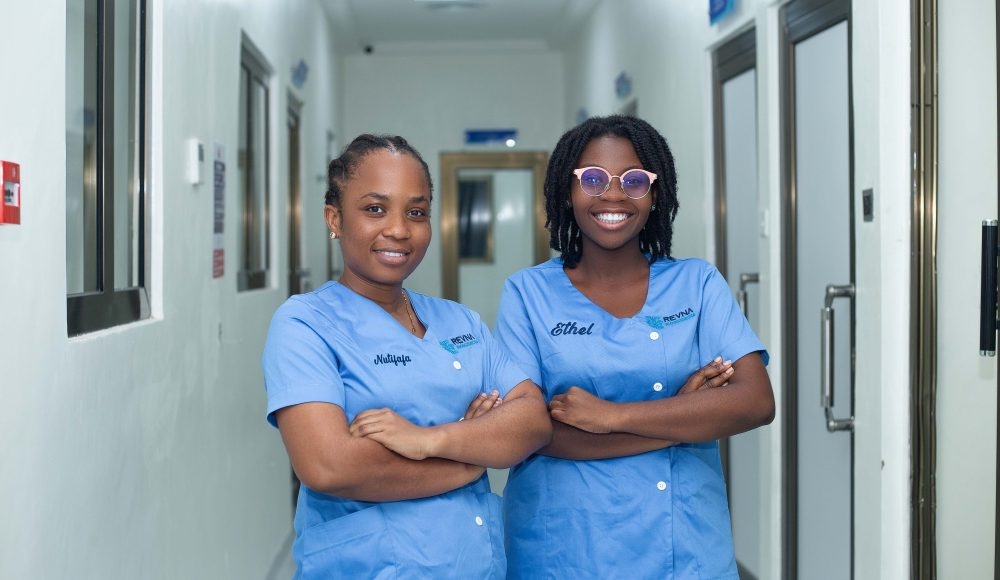
    Revna Biosciences, a startup based in Accra, Ghana, is dedicated to revolutionizing the genomics landscape in sub-Saharan Africa, with a primary focus on improving local patient care through enhanced access to personalized medicine. The company, established in 2022, has recently forged strategic partnerships with Diatech Pharmacogenetics and Qiagen to address critical knowledge and care gaps prevalent in the region.

    About Revna Biosciences

    The name “Revna” is derived from the Greek word “erevna,” meaning research or inquiry, reflecting the company’s commitment to dispel the misconception that commercial biomedical sciences cannot thrive on the African continent. The CEO and co-founder, Derrick Edem Akpalu, emphasizes the global nature of the issue, noting that people from Africa are significantly underrepresented in global genomics studies, with less than 2 percent of genomes sequenced and deposited in global databases. Despite Africa’s genetic richness, molecular diagnostic penetration in sub-Saharan Africa is limited, often occurring through external clinical trials with restricted data sharing.

    Revna’s Approach

    Revna’s approach, founded on diagnostics, clinical research, and biobanking, aims to create a comprehensive ecosystem. By addressing diagnostic needs, the company generates local public health data, fosters clinical trials, and builds a biobank across various indications. The long-term goal is to provide insights for companion diagnostics and therapeutics tailored to the African population.

    In its first year, Revna dedicated efforts to building a state-of-the-art facility and achieving ISO certification, ensuring international standards in its operations. The company has registered two molecular diagnostic test systems with the Ghana Food and Drug Authority and initiated patient testing, along with conducting clinical studies in stealth mode. Revna’s emphasis on self-sustainability led to an extensive angel round of financing, with plans to self-fund clinical studies through commercial activities, avoiding traditional venture capital pressures.

    Addressing Global Disparities

    The mantra “Where clinical goes, commercial goes” resonates with Revna’s strategy. By showcasing the need for molecular testing in the African patient population, the company aims to attract life sciences companies and therapeutics developers to the region. The treatment-naïve local population presents an opportunity for investment, and clinical trial data collected in Africa can support FDA directives on diversity in global clinical trials.

    Strategic Partnerships

    Revna has partnered with Diatech Pharmacogenetics and Qiagen to offer molecular diagnostic test services, targeting local hospitals and university research programs. The collaboration involves presenting molecular profiling panels and explaining their significance in patient-treatment matching. The company has already registered two molecular diagnostic systems with the Ghana FDA and is actively engaged in cancer clinical research.

    The collaboration with Qiagen, in particular, is viewed as part of a broader developmental plan, emphasizing not just commercial aspects but also public health and diagnostic penetration in the region. Training initiatives ensure that Revna’s scientists are well-versed in utilizing the systems, contributing to maintenance, and minimizing downtime. Qiagen’s broader strategy in Africa aligns with addressing skill gaps, increasing genomic capacity, and making diagnostics more accessible and affordable. The goal is to empower the region in precision medicine, with a focus on deepening genomic research in West Africa.

    Future Outlook

    Despite the current lag in molecular diagnostics in Africa, there is optimism about the region’s growing knowledge base in precision medicine, potentially leading to increased clinical trials. Revna aims to play a pivotal role in this transformation, keeping the community at the forefront of its work. The team is motivated by a moral imperative to bridge the gap between Africa and the rest of the world in the realm of genomics and personalized medicine. As the company moves forward, it seeks to build more collaborations, earn the trust of patients, physicians, and lab partners, and ultimately contribute to improving healthcare for both current and future generations in Africa.