Tag: natural resource management

  • International Climate Protection Fellowship: Advancing Global Climate Solutions for Future Leaders and Postdocs

    International Climate Protection Fellowship: Advancing Global Climate Solutions for Future Leaders and Postdocs

    The International Climate Protection Fellowship is a prestigious program offered by the Alexander von Humboldt Foundation aimed at prospective leaders and postdocs who are passionate about climate protection or climate-relevant resource conservation. This fellowship provides an excellent opportunity for professionals from non-European developing and transition countries to engage in research projects in Germany that focus on key climate issues such as combating climate change, adapting to climate impacts, preserving ecosystems and biodiversity, and promoting sustainable use of natural resources like the seas and oceans.

    Fellowship Overview

    The fellowship is designed to support two categories of applicants:

    • Prospective Leaders (practical experience): Individuals who are taking on or preparing for leadership roles and wish to deepen their expertise in climate protection and related fields. They will work on a one-year research project in Germany.
    • Postdocs: Early-career researchers who have recently completed their PhD and wish to engage in long-term academic research (12-24 months). The fellowship supports individuals working on projects that address pressing climate-related challenges in their home countries.

    Key Areas of Focus

    The fellowship’s core areas of interest include:

    • Climate Change Mitigation and Adaptation: Strategies to reduce carbon emissions and build resilience against climate impacts.
    • Biodiversity and Ecosystem Conservation: Efforts to preserve the natural world amid growing human pressures.
    • Sustainable Resource Use: Promoting efficient consumption and sustainable urban development.
    • Marine Conservation: Focused on preserving oceans, seas, and marine biodiversity.
    • Natural Resource Management: Addressing sustainability issues tied to land, water, and energy.

    These themes are critical to fostering a sustainable global future, especially in countries vulnerable to climate-related risks. The fellowship offers a platform for participants to contribute to the scientific and practical solutions necessary to tackle these global challenges.

    Fellowship Benefits

    The Alexander von Humboldt Foundation provides a comprehensive support package to ensure fellows can focus on their research and professional development while in Germany. Benefits include:

    • Monthly Stipend: Depending on the applicant’s career stage, the monthly stipend ranges from €2,200 to €2,700 for prospective leaders, and €2,700 for postdocs.
    • Additional Financial Support: For partners and children, travel expenses, private health insurance, and the possibility of a German language course.
    • Introductory Event: A three-week orientation program where fellows can network with other climate protection fellows, visit research institutions, and experience German culture.
    • Research Costs: Hosts receive an allowance for research-related expenses—€800 for natural sciences and engineering projects and €500 for projects in the humanities and social sciences.

    Moreover, the fellowship fosters long-term connections by offering extensive alumni support, ensuring continued collaboration between fellows and their German hosts throughout their careers.

    Eligibility Criteria

    Applicants must meet the following requirements:

    1. Engagement with Climate Issues: Applicants should be actively working in the fields of climate protection or climate-related resource conservation in their home countries.
    2. Nationality: Applicants must be citizens of a non-European developing or transition country.
    3. Leadership Experience: Prospective leaders should have at least 24 months of professional experience, or hold a Master’s degree with relevant professional experience.
    4. Postdoctoral Requirements: Postdocs must have completed their PhD no more than four years ago by the application deadline or plan to do so by 31 August of the selection year.
    5. Language Skills: Fluency in English and/or German is required.

    Application Process

    Applicants must first agree on a research project with a host institution in Germany, ensuring their project aligns with the fellowship’s goals. The application process involves submitting the following documents online:

    1. Application Form: Including personal information, motivation letter, and research proposal.
    2. Mentoring Agreement: A statement of support from the chosen host in Germany.
    3. Two Letters of Recommendation: From individuals familiar with the applicant’s academic or professional background.

    Once submitted, the application will undergo a thorough review. Applicants will receive confirmation once all documents are received. Should any questions arise during the process, applicants are encouraged to contact the Humboldt Foundation for guidance.

    Host Institutions and Collaboration

    The fellowship partners with a wide range of institutions in Germany engaged in climate protection research, including universities, research institutes, NGOs, think tanks, and consulting agencies. These institutions offer a rich environment for learning and collaboration, with many having hosted Climate Protection Fellows in the past.

    Impact and Long-Term Opportunities

    The fellowship not only supports the academic growth of individuals but also nurtures international cooperation and knowledge exchange in the critical field of climate protection. Fellows are expected to bring back their enhanced expertise to their home countries, where they can influence climate policy, implement sustainable practices, and train the next generation of climate leaders.

    In conclusion, the International Climate Protection Fellowship offers an unparalleled opportunity for individuals from developing and transition countries to advance their careers, collaborate internationally, and contribute meaningfully to addressing the global climate crisis.

    How to Apply

    For more details,visit Alexander von Humboldt Foundation webpage
  • Belmont Forum: Advancing Global Sustainability Through Collaborative Research Actions (CRAs)

    Belmont Forum: Advancing Global Sustainability Through Collaborative Research Actions (CRAs)

    The Belmont Forum is an international partnership that supports research addressing global environmental challenges. It aims to foster collaboration among scientists, stakeholders, and policymakers worldwide to tackle pressing issues related to sustainability and climate change. The Forum’s primary mechanism for supporting this research is through Collaborative Research Actions (CRAs), which are equivalent to calls for proposals.

    Collaborative Research Actions (CRAs)

    The CRAs are designed to:

    1. Address Belmont Challenge Priorities: These priorities focus on global sustainability and environmental challenges, such as climate change, biodiversity loss, and natural resource management.
    2. Leverage Existing Investments: The CRAs utilize the current investments and expertise of Belmont Forum members to maximize impact and efficiency.
    3. Foster New Partnerships: By bringing together researchers from various disciplines and countries, the CRAs promote international collaboration and innovation.

    Current Opportunities

    The Belmont Forum regularly announces open CRAs, inviting researchers to submit proposals that align with the identified themes. Some of the ongoing and recent calls include:

    • Africa Regional Call (ARC): This call supports the African Union’s goals for climate, environment, and sustainability, as outlined in Agenda 2063. It focuses on addressing climate change vulnerability through research on themes like the Water-Energy-Food-Health Nexus, pollution, and disaster preparedness. The call also emphasizes the integration of blue and green economies and encourages educational and awareness activities.
    • Tropical Forests Call: This call seeks to understand the global implications of tropical forests and promotes actions to address urgent environmental concerns related to these ecosystems.

    Proposal Requirements

    To be considered for funding, proposals must:

    • Be Transdisciplinary: Proposals should include researchers from social sciences, humanities, economics, natural sciences, physical sciences, engineering, and technology. They should also involve societal partners like citizens, industry, and civil society organizations, using a participatory, co-designed, and co-implementation approach.
    • Include International Collaboration: Each proposal must involve collaborators from at least three different countries, ensuring a diverse and global perspective.
    • Address Identified Themes: Proposals must tackle at least one of the identified themes and demonstrate cross-cutting linkages across multiple areas, such as integrating blue and green economies, education, and awareness.

    Application Process

    1. Accessing the Call Documents: Interested researchers can find detailed call documents in multiple languages (English, French, Portuguese, and Spanish) and the necessary registration forms and instructions on the Belmont Forum’s website.
    2. Registration: Applicants must register their proposals by a specified deadline (e.g., September 2, 2024, for the Africa Regional Call).
    3. Funding Annexes: These documents outline the eligibility criteria and funding availability for various countries and regions. They list the participating funding agencies, such as the French National Research Agency (ANR), the National Research Fund of Kenya (NRF KE), and the National Science Foundation (NSF) of the United States.
    4. Proposal Submission: Only one proposal is submitted per team, and researchers not eligible for funding from participating agencies must provide their monetary resources or in-kind support.

    The Belmont Forum encourages researchers to contact their national funding agencies for guidance before preparing proposals and offers training modules on its YouTube channel to assist applicants.

    Overall, the Belmont Forum plays a crucial role in facilitating international collaboration and advancing scientific research to address complex environmental challenges, fostering sustainable solutions for the future.

    For more information, visit Belmont Forum

  • Unlocking the Power of Digital Elevation Models: Insights from Central and Southern Africa’s Landscapes

    Unlocking the Power of Digital Elevation Models: Insights from Central and Southern Africa’s Landscapes

    A recent study by Okolie, et al, (2024) titled “Assessment of the global Copernicus, NASADEM, ASTER and AW3D digital elevation models in Central and Southern Africa” published in Geo-spatial Information Science, by Taylor & Francis group shows that Copernicus DEM displayed superior accuracy in certain scenarios while ASTER and NASADEM were better suited for other landscapes.

    There are varying accuracies of global Digital Elevation Models across Central and Southern Africa, highlighting Copernicus DEM’s superiority in certain CONDITIONS. – Okolie, et al, (2024)

    The article explores a thorough evaluation of the vertical accuracies of four prominent global Digital Elevation Models (DEMs): NASADEM, Advanced Spaceborne Thermal Emission and Reflection Radiometer (ASTER) GDEM, Copernicus GLO-30, and Advanced Land Observing Satellite (ALOS) World 3D (AW3D), through the comparison with LiDAR ground truth data. Focusing on a range of landscapes across Central and Southern Africa, including urban, agricultural, mountainous, and forested areas, the study scrutinizes the performance of these DEMs across diverse terrains and land cover types, while considering factors such as tree cover and topographic parameters. The results highlight variations in DEM accuracy, with the Copernicus DEM demonstrating superior performance under certain conditions, while ASTER and NASADEM exhibit better accuracy in others.

    How the Study was Conducted

    Grids with a substantial number of data points were generated for Cape Town and Gabon. Elevation data was extracted from LiDAR and global DEMs, and these elevations were recorded. The DEMs were cleaned to eliminate negative elevation values. The Three-sigma rule was applied to identify and filter outliers, and elevation points over water bodies were excluded. Both qualitative (visual) and quantitative analyses were employed. Absolute vertical accuracy was determined by comparing satellite DEMs with the reference DEM (LiDAR). Height Error Maps (HEMs) were created to visually estimate height error across different landscapes. The relative accuracy of the DEMs was ranked based on calculated accuracy measures.

    What the Authors Found

    The authors of the study found the global Digital Elevation Models (DEMs) evaluated—NASADEM, ASTER GDEM, Copernicus GLO-30, and ALOS World 3D (AW3D)—showed varying levels of vertical accuracy. Dense LiDAR ground-truth data was employed to validate the DEMs’ accuracy across diverse landscapes in Central and Southern Africa. The authors found that the accuracy of DEMs differed based on environmental factors such as tree cover and topographic parameters. In addition, the authors posits that Copernicus DEM displayed superior accuracy under certain conditions, while ASTER and NASADEM were better in other scenarios.

    Why is this Important

    Digital Elevation Models (DEMs) find extensive application in environmental research, spanning climate modeling, hydrology, and land cover analysis. The precision of elevation data is pivotal in comprehending terrain features, water flow dynamics, and ecological phenomena.  Within infrastructure planning, dependable elevation data holds significant importance. It aids in the development of infrastructure, urban layouts, and disaster management strategies, enabling engineers to accommodate elevation fluctuations effectively in designing roads, bridges, and buildings.

    In the realm of natural resource management, DEMs facilitate the evaluation of resources like forests, wetlands, and agricultural areas. Accurate elevation data informs decisions regarding land usage and conservation endeavors. In the context of assessing the impacts of climate change, precise elevation information becomes indispensable. It allows for the anticipation of coastal erosion, flooding, and habitat alterations, given the fluctuations in sea levels and weather patterns associated with climate change. For risk assessment purposes, DEMs play a crucial role in evaluating hazards such as landslide susceptibility, flood forecasting, and seismic risk analysis. Accurate elevation data contributes significantly to mitigating potential disasters.

    In scientific research domains like geomorphology, glaciology, and geology, DEMs serve as invaluable tools for analyzing landscape transformations, glacier retreat patterns, and tectonic activities. In essence, ensuring the accuracy of DEMs fosters well-informed decision-making across a diverse array of fields, ranging from environmental preservation to infrastructure advancement.

    What the Authors Recommend

    The authors recommend the following:

    • When choosing a Digital Elevation Model (DEM) for specific applications, consider the environmental context. Different DEMs perform better under varying conditions. For instance:
      Copernicus DEM displayed superior accuracy in certain scenarios.
      ASTER and NASADEM were better suited for other landscapes.
    • Before using DEMs, validate their accuracy against ground-truth data (such as LiDAR). Calibration and adjustment may be necessary to improve reliability.
    • Understand the limitations of DEMs. Factors like tree cover, terrain complexity, and data resolution impact accuracy. Be cautious when interpreting elevation data.
    • Consider regional variations. DEM accuracy can differ significantly across different geographic regions. Local calibration or correction factors may enhance reliability.
    • Collaborate with other researchers and institutions. Sharing groundtruth data and calibration techniques can improve overall DEM accuracy.

    In conclusion, the comprehensive evaluation of global Digital Elevation Models (DEMs) conducted in this study sheds light on their varying accuracies across diverse landscapes in Central and Southern Africa. With Copernicus DEM demonstrating superior performance under specific conditions, while ASTER and NASADEM proving more suitable for other scenarios, understanding these nuances is crucial for informed decision-making across multiple fields. By recognizing the importance of DEM accuracy, validating data against ground truth, and acknowledging regional variations and limitations, researchers and practitioners can harness the full potential of DEMs to advance environmental studies, infrastructure planning, natural resource management, and scientific research, ultimately contributing to more resilient and sustainable development.

  • CARI 2024: Bridging Continents in Computer Science and Applied Mathematics – A Decades-Long Partnership for African Scholars and Global Innovation

    CARI 2024: Bridging Continents in Computer Science and Applied Mathematics – A Decades-Long Partnership for African Scholars and Global Innovation

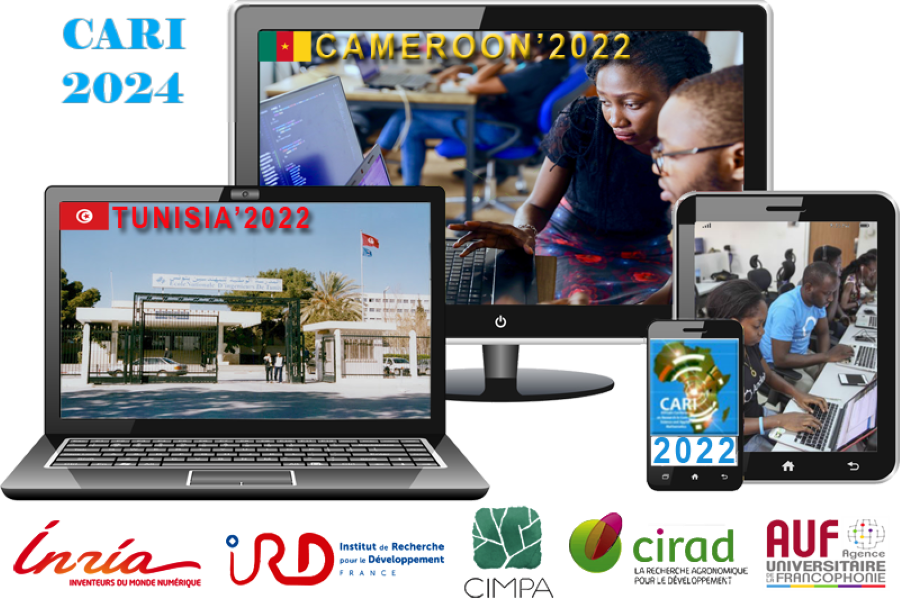
    The African Conference on Research in Computer Science and Applied Mathematics (CARI) is a distinguished biennial event that serves as a vital platform for fostering collaboration, knowledge exchange, and scientific advancement within the fields of computer science and applied mathematics. The upcoming edition, CARI 2024, promises to build upon a rich history spanning 32 years, reflecting a steadfast commitment to scientific partnership between France and Africa.

    Organizers and Partnerships

    CARI 2024 is organized under the auspices of the African Society in Digital Science (ASDS). The conference proudly collaborates with esteemed institutions such as the Institut National de Recherche en Informatique et en Automatique (Inria), the Institut de Recherche pour le Développement (IRD), and the Centre de coopération Internationale en Recherche Agronomique pour le Développement (CIRAD).

    Conference Vision and Objectives

    More than a mere scientific gathering, CARI embodies a dynamic environment for cooperation, bringing together African researchers, industry professionals, and decision-makers in computer science and applied mathematics. The overarching vision is to contribute to technological development, environmental awareness, and effective natural resource management through cutting-edge research.

    Conference Timeline and Venue

    CARI 2024 is scheduled to take place in November 2024, hosted by the University of Bejaia in Algeria. The conference timeline is structured to facilitate meaningful participation and engagement, with the opening of the submission site in October 2023, a submission deadline in January 2024, notifications of acceptance by May 15, 2024, and the final version due on July 01, 2024.

    Submission Guidelines

    Authors are invited to submit original works that are not simultaneously under consideration elsewhere. Papers can be submitted in either English or French, reflecting the conference’s commitment to inclusivity. The submission process adheres to specific guidelines outlined on the official CARI website, with accepted papers published in the HAL archive.

    Conference Tracks and Topics

    CARI 2024 is structured around two distinct tracks – Computer Science and Applied Mathematics. The conference covers an extensive array of topics, including but not limited to data management systems, artificial intelligence, numerical analysis, mathematical modeling, and more. This diversity ensures a comprehensive exploration of contemporary issues in both disciplines.

    Special Issue in ARIMA Journal

    Acknowledging and celebrating exceptional contributions, CARI 2024 will select some of the best papers for inclusion in a special issue of the ARIMA journal. This provides an additional avenue for recognizing and disseminating high-impact research presented at the conference.

    Encouraging Innovation and Collaboration

    CARI 2024 actively encourages the presentation of methodological contributions in Computer Science and Applied Mathematics. The conference serves as a forum for students, academics, and industrial researchers to discuss recent trends, share innovative research directions, and contribute to the ongoing development of these dynamic fields.

    32 Years of Scientific Partnership

    With a history spanning over three decades, CARI represents a lasting scientific partnership between France and Africa. This longstanding commitment underscores the conference’s role as a cornerstone in the advancement of digital science on the African continent.

    Empowering African Scholars: CARI 2024 as a Catalyst for Global Collaboration, Innovation, and Sustainable Development

    1. Knowledge Exchange and Collaboration:

      • CARI 2024 serves as a critical platform for African scholars to engage in meaningful knowledge exchange and collaboration. It brings together researchers, decision-makers, and industry professionals, fostering an environment where ideas are shared, collaborations are formed, and networks are established.
    2. Technological Development:

      • The conference places a strong emphasis on research that can contribute to technological development. This focus is particularly relevant for African scholars as it provides an opportunity to showcase and discuss innovations that can address the unique challenges faced by the continent.
    3. Environmental Awareness and Resource Management:

      • CARI 2024 recognizes the importance of research in environmental awareness and natural resource management. African scholars can contribute to discussions on sustainable practices, innovative technologies, and strategies for managing natural resources effectively, aligning with the continent’s needs.
    4. International Exposure and Recognition:

      • Participating in CARI allows African scholars to gain international exposure for their research. The collaboration with French research institutes and international organizations enhances visibility, potentially leading to collaborations beyond the conference and increasing the global impact of African research.
    5. Publication Opportunities:

      • The conference offers scholars the opportunity to publish their original research in the HAL archive and potentially in the special issue of the ARIMA journal. This dissemination of research contributes to building a robust body of knowledge and enhances the academic visibility of African scholars.
    6. Capacity Building and Skill Development:

      • CARI 2024 provides a forum for capacity building and skill development. By engaging with cutting-edge research presented at the conference, African scholars can enhance their skills, stay abreast of the latest trends, and contribute to the development of expertise within the continent.
    7. Inclusivity through Language Options:

      • CARI recognizes linguistic diversity by accepting papers in both English and French. This inclusive approach accommodates scholars who are more comfortable expressing their research findings in their native language, thereby ensuring a diverse range of perspectives and contributions.
    8. Forum for Students:

      • CARI 2024 creates a space for students to actively participate and engage with seasoned academics and industry professionals. This interaction is invaluable for students, offering them a chance to showcase their work, gain feedback, and potentially lay the foundation for future research collaborations.
    9. Addressing African Challenges:

      • The conference explicitly encourages contributions dedicated to African issues. This focus allows scholars to direct their research towards addressing challenges specific to the continent, fostering solutions that are contextually relevant and impactful.
    10. Long-Standing Scientific Partnership:

    • With a history spanning 32 years, CARI represents a long-standing scientific partnership between France and Africa. For African scholars, this continuity signifies a commitment to sustained collaboration, providing a stable and reputable platform for the advancement of digital science.

    In essence, CARI 2024 is not just a conference; it is a conduit for African scholars to contribute to the global discourse, address local challenges, and actively participate in the advancement of digital science, ultimately shaping the trajectory of research and innovation on the African continent.

  • Balancing Conservation and Cultural Heritage: Ethnomedicinal Use of Vultures in KwaZulu-Natal, South Africa

    Balancing Conservation and Cultural Heritage: Ethnomedicinal Use of Vultures in KwaZulu-Natal, South Africa

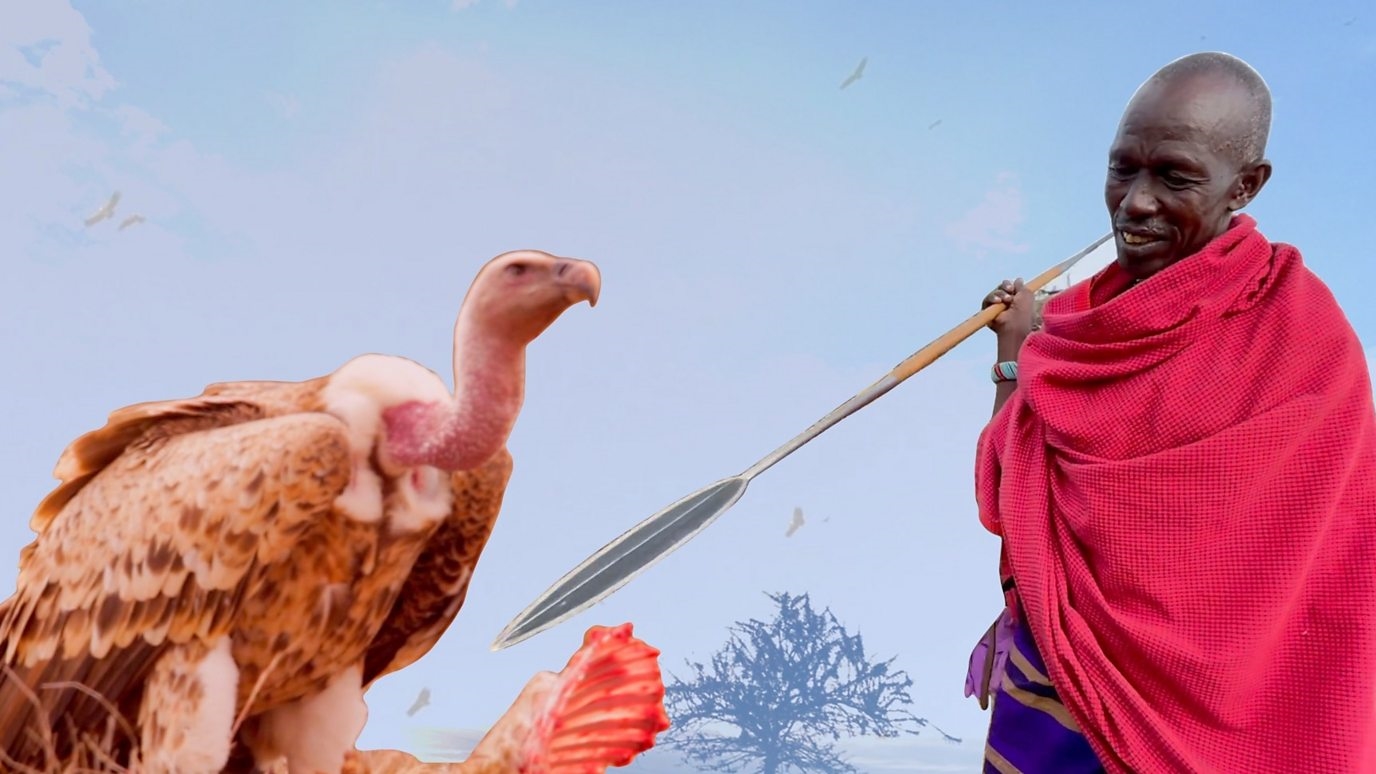
    A recent study by Manqele et al., (2023) titled “The Ethnomedicinal use of Vultures by Traditional Health Practitioners in KwaZulu-Natal, South Africa” published in Journal of Ornithology by Springer shows that the Vulture Head had the highest use value index (UV-Index).

    Diverse beliefs among traditional health practitioners in KwaZulu-Natal regarding vulture parts, emphasizing the increasing threat to conservation.– Manqele et al., 2023

    In the vibrant landscapes of KwaZulu-Natal, South Africa, traditional medicine stands as a cornerstone of healthcare for rural communities. However, an intriguing conundrum arises as ancient practices intersect with modern conservation concerns, particularly in the ethnomedicinal use of vultures. This article delves into the intricate balance between preserving cultural heritage and safeguarding endangered species.

    Traditional Medicine’s Crucial Role:
    Traditional medicine has been a lifeline for communities where accessibility to modern healthcare is limited. This article underscores its significance in providing primary healthcare and the challenges it faces, notably the efficacy, safety, and conservation issues tied to the utilization of animals and their parts.

    Discovering Vulture Parts and Purposes:
    The study’s exploration reveals the rich tapestry of beliefs as the authors documented seven vulture parts and 21 diverse uses attributed to them. The findings, deeply rooted in spiritual practices, bring to light the intricate relationship between traditional health practitioners and these magnificent birds, showcasing the multiplicity of beliefs across the study area.

    Awareness and Attitudes:
    The authors delve into the minds of traditional health practitioners, unravelling their awareness and attitudes towards the threats posed by vultures. The study uncovers a spectrum of perspectives on the hunting and poisoning of vultures, emphasizing the need for nuanced approaches to conservation that respect diverse viewpoints.

    How the study was conducted

    The authors conducted in-depth interviews with 26 traditional health practitioners from two district municipalities. The authors used a semi-structured questionnaire to collect information on the participants’ demographic characteristics, knowledge and use of vulture parts, sources and methods of obtaining vulture parts, and awareness of vulture conservation issues. The study also employed qualitative and quantitative methods to analyse the data and thematic analysis to identify the main themes and patterns in the participants’ responses. The authors calculated the use value (UV) index for each vulture part, which is a measure of the relative importance of a part based on its frequency and purpose of use. The study employed descriptive statistics to summarise the demographic data and the UV index results and also performed a chi-square test to examine the association between the participants’ gender and their use of vulture parts.

    What the authors found

    The authors found that the head had the highest use value index (UV-Index). The authors found that there was generally low agreement among the traditional health practitioners on which parts of the vulture to use and for what reasons. The study suggests that this may reflect the diversity of beliefs and practices in the study area. The study reveals that traditional health practitioners were aware of the hunting of vultures using poison but had different views on the risks associated with using such material. Some believed that the poison would not affect them, while others preferred to use fresh or unpoisoned vultures. The study confirms the increasing use of African vultures in traditional medicine, which poses a threat to their survival.

    Why is this important

    The spotlight turns to the implications for conservation as the ethnomedicinal use of vultures emerges as a potent threat. Balancing the preservation of vulture populations with the cultural significance attached to them becomes imperative. The article proposes a collaborative approach, intertwining conservation efforts with the wisdom of traditional health practitioners in natural resource management. Beyond the immediate conservation concerns, we explore the potential health risks faced by consumers of vulture-based products. Additionally, the article delves into the cultural and spiritual values attributed to vultures, emphasizing the need for dialogue and collaboration between conservationists and traditional healers.

    What the authors recommend

    The study suggests that raising awareness and involving traditional health practitioners in natural resource management may help to protect vultures and other wildlife species used in belief-based practices. The authors recommend that more research is needed to assess the safety and efficacy of vulture parts used in traditional medicine. The study suggests that understanding and respecting the cultural and spiritual values of vultures may facilitate dialogue and collaboration between conservationists and traditional health practitioners.

    In conclusion, the study by Manqele et al. sheds light on the intricate relationship between traditional health practitioners and vultures in KwaZulu-Natal, South Africa. As traditional medicine continues to play a crucial role in providing healthcare for communities with limited access to modern services, the ethnomedicinal use of vultures presents a complex intersection of cultural heritage and conservation concerns. The findings underscore the need for a nuanced approach to conservation that respects diverse perspectives among traditional health practitioners. The highest use value index assigned to vulture heads highlights their significant role in spiritual practices.

    The study not only documents the various vulture parts and their purposes but also delves into the awareness and attitudes of traditional health practitioners towards the threats faced by vultures. The low agreement among practitioners regarding which vulture parts to use and for what reasons reflects the diversity of beliefs in the study area. The recognition of the increasing use of African vultures in traditional medicine raises alarms about the potential threat to their survival.

    Implications for conservation emphasize the importance of balancing preservation efforts with the cultural significance attached to vultures. The article advocates for a collaborative approach, involving traditional health practitioners in natural resource management, to benefit vulture conservation. The recommendation to raise awareness and conduct further research on the safety and efficacy of vulture parts used in traditional medicine underscores the importance of understanding and respecting the cultural and spiritual values associated with these magnificent birds. Dialogue and collaboration between conservationists and traditional healers emerge as essential for addressing the challenges posed by the ethnomedicinal use of vultures while safeguarding both cultural heritage and endangered species.