Tag: mitigation

  • Climate Change Threatens African Great Apes: Urgent Conservation Strategies Needed

    Climate Change Threatens African Great Apes: Urgent Conservation Strategies Needed

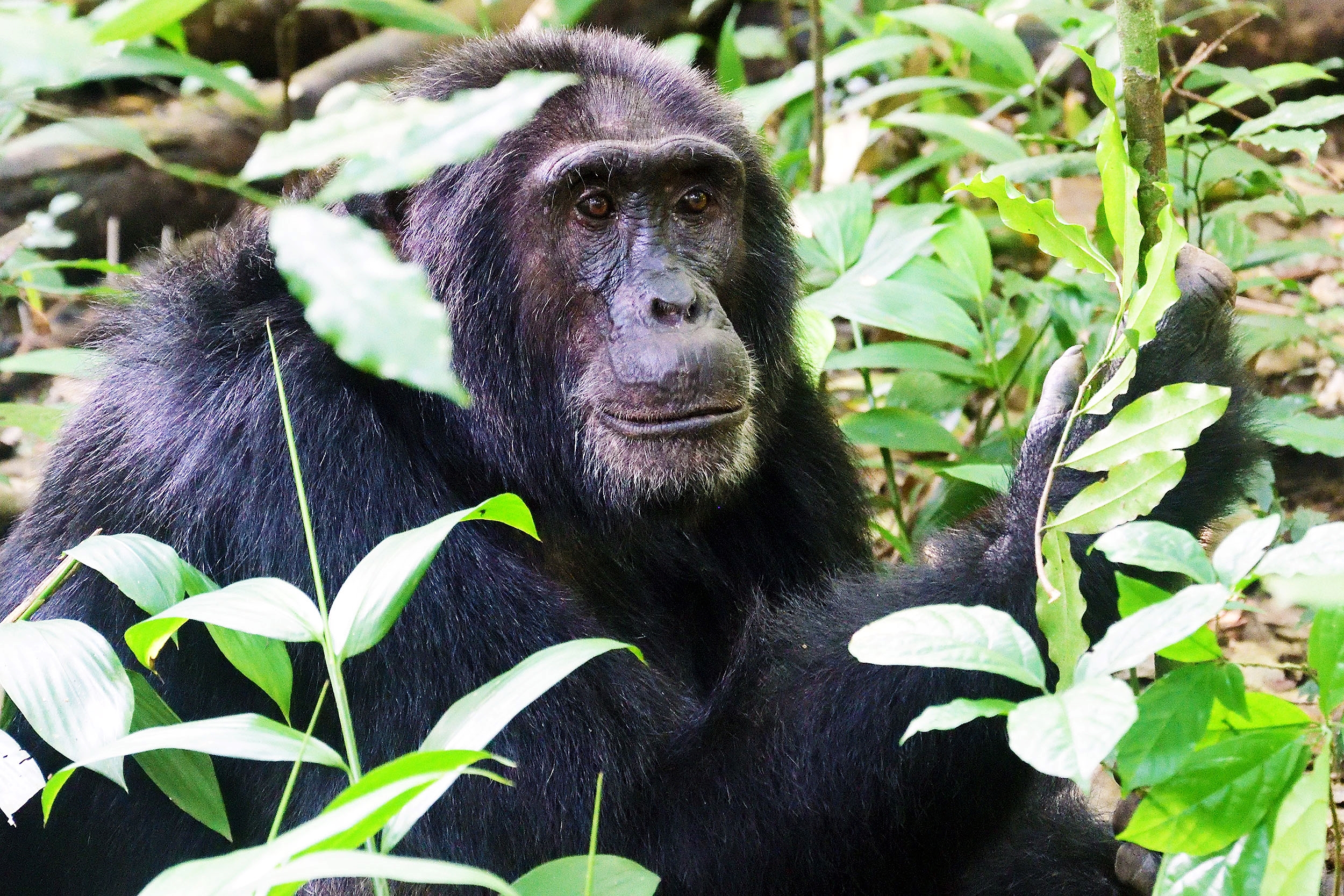
    A recent study, led by Razak Kiribou, a Ph.D. student at Haramaya University’s African Center of Excellence for Climate Smart Agriculture and Biodiversity Conservation in Ethiopia, sheds light on the escalating challenges faced by African great apes due to climate change. These majestic primates, humans’ closest relatives, are already experiencing and are projected to face intensified climate-related events such as heat waves, wildfires, and flooding over the next three decades.

    The research underscores the critical role played by primates within their ecosystems, contributing significantly to forest community structure through activities like seed dispersal and plant pollination. However, their vital ecosystem services are under threat as climate projections reveal that a substantial portion of primate habitat across Africa is likely to face significant temperature increases and altered precipitation patterns.

    To delve into the effects of climate change on African great apes, the study analyzed climate data from 363 sites across Africa, examining both past trends and future projections. The researchers identified six types of extreme events—such as droughts, wildfires, and crop failures—that have the potential to negatively impact ape populations directly or indirectly.

    The findings highlight that nearly half of the sites studied from 2007 to 2016 had already experienced temperatures above average, with eastern chimpanzees facing the most extreme temperature anomalies. These rising temperatures are predicted to persist and escalate in the coming years, leading to widespread crop failures and frequent wildfires, which can exacerbate habitat destruction due to human activities seeking alternative food sources.

    The study emphasizes the urgent need for conservation strategies that consider the resilience of African great apes to climate change. Kiribou stresses the importance of integrating climate change impacts into conservation efforts and advocating for increased awareness and education at both local and global levels. By understanding how these extreme events affect ape behavior and habitat, conservationists can develop more effective strategies to mitigate the impacts of climate change on these endangered species.

    In conclusion, the study serves as a wake-up call, highlighting the pressing need for concerted action to protect Africa’s great apes in the face of escalating climate change impacts. By incorporating climate resilience into conservation plans and fostering greater public awareness, there is hope for securing a more sustainable future for these iconic and invaluable creatures.
  • Climate Change and Humanitarian Crises: Urgent Action Needed for Adaptation and Mitigation

    Climate Change and Humanitarian Crises: Urgent Action Needed for Adaptation and Mitigation

    In recent years, the world has witnessed an alarming escalation in humanitarian crises due to the exacerbating effects of climate change. The World Health Organization estimates that over 3 billion people reside in regions highly susceptible to climate-related adversities such as severe heatwaves, floods, droughts, and storms. If current trends persist, by 2050, an additional 250,000 deaths annually could occur from malnutrition, disease, and heat stress, attributing to the ramifications of climate change.

    El Niño Drives Climate Variability

    The El Niño Southern Oscillation (ENSO) cycle plays a pivotal role in driving climate variability, characterized by abnormal ocean temperature fluctuations in the tropical Pacific. While ENSO is a naturally occurring phenomenon, research suggests that climate change may exacerbate the intensity and frequency of El Niño events. Consequently, regions particularly vulnerable to natural disasters, such as Africa, Latin America, and Asia, experience severe repercussions including prolonged droughts, crop failures, and water shortages, thus perpetuating a cycle of agricultural distress and food insecurity.

    Devastating Impacts on Farming Communities

    In African nations like Zambia, where agriculture is a cornerstone of livelihoods, the ramifications of climate change and El Niño-induced droughts are profoundly felt. Signs of impending drought are unmistakable, with dire predictions of long-lasting effects on millions of lives through crop failures, livestock losses, and shortages of food and water. Small-scale farmers, already marginalized, face the grim reality of being unable to sustain their families. Beyond agriculture, the ramifications of drought extend to degraded water sources, diminished biodiversity, and compromised health and infrastructure, exacerbating the vulnerability of communities already on the brink.

    Climate Change and Humanitarian Crises: Urgent Action Needed for Adaptation and Mitigation

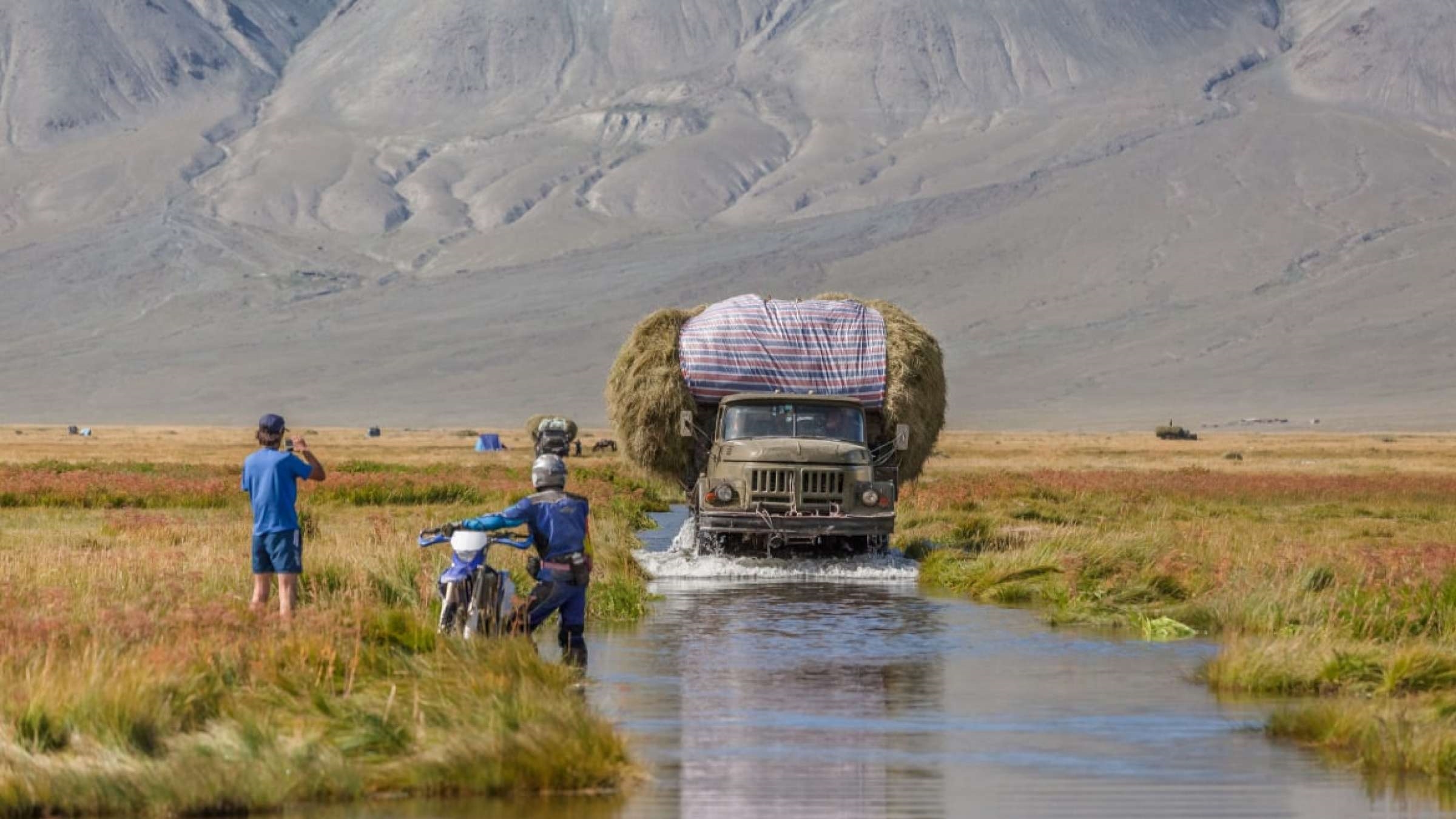
    Illustrative Image: Climate Change and Humanitarian Crises: Urgent Action Needed for Adaptation and Mitigation
    Image Source & Credit: People in need
    Ownership and Usage Policy

    Regional Agricultural Outlook

    Across southern and eastern Africa, unfavorable weather patterns pose significant challenges to crop and pastoral agriculture. Forecasts linked to El Niño predict below-average precipitation and heightened temperatures, likely diminishing yields in crucial cereal production regions. Similarly, pastoral communities in areas like southeastern Ethiopia grapple with acute food insecurity due to consecutive seasons of failed rains, resulting in widespread livestock fatalities. While some regions, such as the coastal areas of Angola, may experience favorable conditions, the overarching impact of climate fluctuations persists throughout much of sub-Saharan Africa, underscoring the urgent need for targeted intervention and support.

    Urgent Adaptation and Mitigation Needed

    In light of the escalating climate shocks, urgent measures are imperative to bolster adaptation, disaster risk management, and resilience-building efforts. Communities must be empowered to diversify livelihoods, embrace climate-smart agricultural practices, and access early warning systems to mitigate the impact of disasters. Additionally, there is a pressing need for global cooperation to curtail greenhouse gas emissions and minimize future climatic disruptions. Organizations like People in Need are at the forefront of this endeavor, working tirelessly to mitigate the impact of natural disasters and bolster the resilience of vulnerable communities worldwide.

    Conclusion
    As climate change continues to escalate, the imperative for concerted action has never been more urgent. It is imperative that we prioritize adaptation and mitigation efforts to safeguard vulnerable communities from the ravages of climate-induced humanitarian crises. Through collective action and unwavering commitment, we can strive towards a more sustainable and resilient future for all.