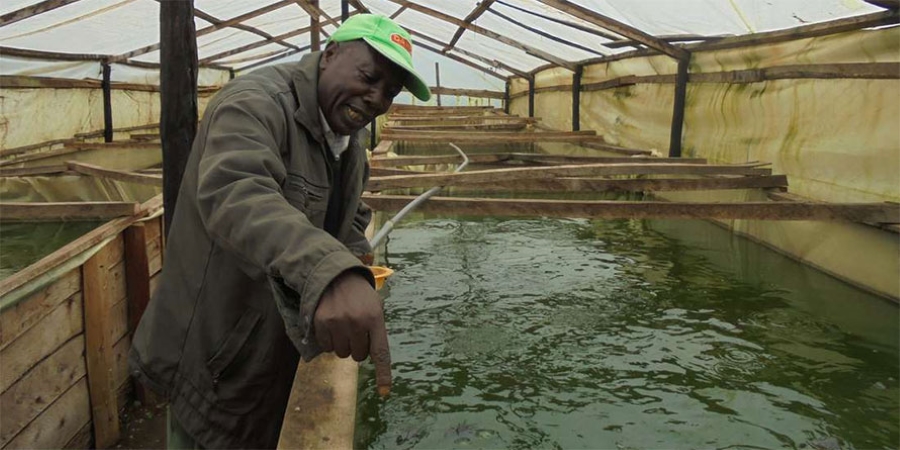
Tag: land utilization

  • Transforming Rural Livelihoods: The Impact of Aquaculture in Seke Rural District, Zimbabwe

    Transforming Rural Livelihoods: The Impact of Aquaculture in Seke Rural District, Zimbabwe

    A recent study by Chipfakacha, C. T. (2024) titled “Aquaculture the New Way of Creating Sustainable Livelihoods Among Rural Populations in Africa. A Case of Seke Rural District Zimbabwe” published in the International Journal of Agricultural Extension and Rural Development Studies, shows that aquaculture has provided a sustainable livelihood for rural populations, especially in areas affected by drought and poor harvests.

    Aquaculture significantly enhances sustainable livelihoods, food security, and employment opportunities for rural populations in Zimbabwe’s Seke District.– Chipfakacha, C. T. 2024

    This article delves into the pivotal role of aquaculture in fostering sustainable livelihoods for rural populations in Africa, with a specific emphasis on the Seke Rural District in Zimbabwe. By examining the emergence of fish farming as a viable alternative to traditional agricultural practices, the article illustrates the numerous benefits associated with aquaculture, including enhanced nutrition and increased employment opportunities, particularly for the youth. Aquaculture has become an essential component of rural development in Seke, addressing food security issues while diversifying income sources for local communities. The nutritional advantages of fish farming are particularly significant, as fish is a valuable source of protein and essential fatty acids, contributing to improved dietary diversity and health outcomes in the region. However, the article also highlights several challenges that aquaculture farmers in Seke face. Water availability remains a critical issue, as many areas struggle with inconsistent access to reliable water sources necessary for fish farming. Additionally, a lack of proper training and technical knowledge among farmers hinders the effective management of aquaculture operations. Economic constraints further exacerbate these challenges, limiting the capacity of farmers to invest in the necessary infrastructure, equipment, and inputs required for successful fish farming. Recognizing the significance of these challenges, the article underscores the crucial role of government and non-governmental organizations (NGOs) in supporting the growth of aquaculture in Seke. Such support can take various forms, including financial assistance, capacity-building training programs, and the provision of essential resources. The author advocates for comprehensive measures to enhance aquaculture practices, such as implementing government subsidies to reduce the financial burden on farmers, developing educational programs to equip them with the necessary skills and knowledge, and promoting better land utilization strategies that optimize the available resources for aquaculture. By addressing these challenges and leveraging the potential of aquaculture, rural communities in Seke can not only improve their economic standing but also work towards achieving sustainable development and food security in the region. The article ultimately calls for a concerted effort among stakeholders to foster a conducive environment for aquaculture to thrive, ensuring that it serves as a catalyst for positive change in the livelihoods of rural populations across Africa.

    How the Study was Conducted

    The author distributed surveys and questionnaires to local fish farmers to gather data on their practices, challenges, and benefits experienced by aquaculture. In-depth interviews were conducted with key stakeholders, including farmers, government officials, and representatives from NGOs, to gain insights into the support systems and policies affecting aquaculture. The author visited various fish farms to observe the farming practices, infrastructure, and environmental conditions firsthand. The collected data was analyzed using statistical tools to identify trends, correlations, and significant factors influencing the success of aquaculture in the region.

    What the Author Found

    The author found that aquaculture has provided a sustainable livelihood for rural populations, especially in areas affected by drought and poor harvests. Fish farming has helped supplement diets with high-protein fish, offering a healthier alternative to red meat. The practice has created jobs, particularly for the youth, who are involved in pond construction and maintenance. In addition, aquaculture has enabled better use of land, including wetlands, which helps preserve the environment and prevent illegal land sales

    Why is this Important?

    Sustainable Livelihoods: Aquaculture has provided a reliable source of income and food security for rural populations, especially in areas affected by drought and poor harvests.
    Nutritional Benefits: Fish farming has improved the nutritional intake of the community by providing a high-protein alternative to red meat.
    Job Creation: The practice has created employment opportunities, particularly for the youth, who are involved in pond construction and maintenance.
    Land Utilization: Aquaculture has enabled better use of land, including wetlands, which helps in preserving the environment and preventing illegal land sales.

    What the Authors Recommended

    • The author suggests increased government involvement through subsidies and funding to help farmers access necessary resources and infrastructure.
    • The study advocates implementing educational programs to train farmers in modern aquaculture techniques and best practices.
    • The study emphasizes improving access to local and regional markets to ensure farmers can sell their produce at fair prices.
    • In addition, developing better water management systems to ensure a reliable water supply for fish farming, especially in drought-prone areas.
    • Furthermore, it encourages further research into sustainable aquaculture practices and the development of resilient fish species.

    In conclusion, the study by Chipfakacha (2024) highlights the transformative potential of aquaculture in Seke Rural District, Zimbabwe, as a viable solution for enhancing sustainable livelihoods among rural populations. By providing a reliable source of income, improving dietary diversity, and creating employment opportunities, fish farming has emerged as a critical strategy for addressing food insecurity, particularly in regions plagued by drought and poor agricultural yields. However, to fully harness the benefits of aquaculture, it is essential to overcome the challenges of water availability, lack of training, and economic constraints. Through increased government intervention, capacity-building initiatives, and improved access to markets, stakeholders can foster an environment where aquaculture thrives. Ultimately, with a collaborative approach and a commitment to sustainable practices, aquaculture can serve as a catalyst for positive change, contributing to the overall development and resilience of rural communities across Africa.
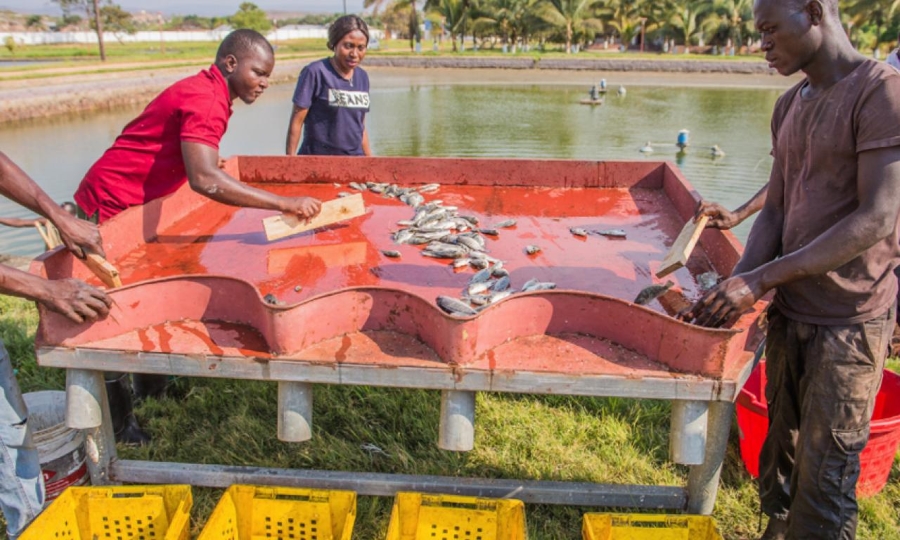
  • How Aquaculture is Transforming Rural Livelihoods in Zimbabwe: A Case Study of Seke Rural District

    How Aquaculture is Transforming Rural Livelihoods in Zimbabwe: A Case Study of Seke Rural District

    A recent study by Chipfakacha, C. T. (2024) titled “Aquaculture: The New Way of Creating Sustainable Livelihoods Among Rural Populations in Africa. A Case of Seke Rural District Zimbabwe” published in the International Journal of Agricultural Extension and Rural Development Studies, shows that aquaculture has provided a sustainable livelihood for rural populations, especially in areas affected by drought and poor harvests.

    Aquaculture, particularly fish farming, is emerging as a sustainable and vital livelihood for rural communities in Zimbabwe, with the Seke Rural District serving as a prime example of this transformative industry. This burgeoning sector is not only providing a new source of income for many households but also playing a crucial role in enhancing food security and nutrition in the region.

    Aquaculture in Seke Rural District, Zimbabwe, is providing sustainable livelihoods, improving food security, and creating economic opportunities for rural communities.– Chipfakacha, C. T. 2024

    Economic and Nutritional Benefits

    Fish farming offers substantial economic benefits by creating jobs and generating income for rural populations. Many families in Seke have embraced aquaculture as a viable alternative to traditional farming, which is often hampered by unpredictable weather patterns and land degradation. Fish farming, on the other hand, is less dependent on climatic conditions and offers a more reliable source of income. Additionally, the practice of aquaculture significantly contributes to dietary supplementation by providing a readily available source of protein. In regions where malnutrition is a pressing concern, the inclusion of fish in the local diet is invaluable.

    Challenges Facing Aquaculture

    However, the expansion of aquaculture in Zimbabwe is not without challenges. One of the most pressing issues is the availability of water. Sustainable fish farming requires consistent water sources, but many rural areas, including Seke, face water scarcity. This challenge is exacerbated by the effects of climate change, which has led to reduced rainfall and shrinking water bodies. Another significant hurdle is the lack of proper training and technical knowledge among fish farmers. Without adequate expertise, many farmers struggle to maintain healthy fish stocks and maximize their yields, leading to losses and discouragement.

    Role of Government and NGOs

    Recognizing the potential of aquaculture to uplift rural economies and improve food security, both the government and non-governmental organizations (NGOs) have been actively promoting this sector. Their efforts include providing funding to support the establishment and expansion of fish farms, as well as offering training programs to equip farmers with the necessary skills and knowledge. These initiatives are crucial in helping farmers overcome the challenges they face, particularly in terms of water management and technical know-how.

    How the study was conducted

    The author interviewed local fish farmers, government officials, and NGO representatives to gather qualitative data on the impact and challenges of aquaculture in the region. The author employed quantitative data on fish production, income levels, and employment rates among the rural population involved in aquaculture. The author engaged in participant observation, spending time with the fish farmers to understand their daily activities, practices, and the overall aquaculture process. These methods helped provide a comprehensive understanding of how aquaculture is contributing to sustainable livelihoods in Seke Rural District.

    What the authors found

    The author found that aquaculture has provided a sustainable livelihood for rural populations, especially in areas affected by drought and poor harvests. Fish farming has supplemented diets with high-protein fish, offering a healthier alternative to red meat. The study posits that the practice has created jobs, particularly for the youth, who are involved in pond construction and maintenance as well as helped utilize idle land throughout the year, making it a viable alternative to traditional seasonal farming.

    Why is this important?

    Sustainable Development: It highlights how aquaculture can be a sustainable livelihood option, especially in regions facing agricultural challenges due to climate change.
    Economic Empowerment: By creating jobs and generating income, aquaculture helps alleviate poverty and improve the economic status of rural communities.
    Nutritional Improvement: The introduction of fish farming provides a reliable source of protein, enhancing the nutritional intake of the local population.
    Resource Utilization: It demonstrates effective use of idle land and water resources, promoting efficient land management practices.
    Policy Implications: The findings can inform government and NGO policies, encouraging support and investment in aquaculture as a viable development strategy. Understanding these aspects can help replicate the success of aquaculture in other regions, contributing to broader sustainable development goals.

    What the authors recommended

    • The author suggests that governments should provide subsidies, low-interest loans, and grants to support the initial setup and ongoing operations of aquaculture farms.
    • The study advocates implementing comprehensive training programs for farmers on best practices, disease management, and sustainable techniques.
    • The author recommends the government invest in essential infrastructure such as hatcheries, feed mills, and cold storage facilities to support the aquaculture supply chain.
    • The study suggests that the government should fund research to improve fish breeds, feed quality, and disease resistance, as well as to develop innovative farming techniques.
    • The government should create policies that facilitate better market access for aquaculture products, including export incentives and local market development.

    In conclusion, aquaculture has proven to be a transformative force in Seke Rural District, Zimbabwe, offering a sustainable and reliable livelihood for rural populations. By providing economic empowerment, enhancing food security, and effectively utilizing natural resources, fish farming addresses the challenges posed by climate change and declining agricultural productivity. However, to fully realize its potential, ongoing support from the government, NGOs, and the local community is essential. With the right investments and training, aquaculture could become a cornerstone of rural development, not only in Zimbabwe but across Africa.