Tag: infectious diseases

  • Climate Change and Infectious Diseases in Rural LMICs: A Six-Step Framework for Climate-Resilient Health Systems in East Africa

    Climate Change and Infectious Diseases in Rural LMICs: A Six-Step Framework for Climate-Resilient Health Systems in East Africa


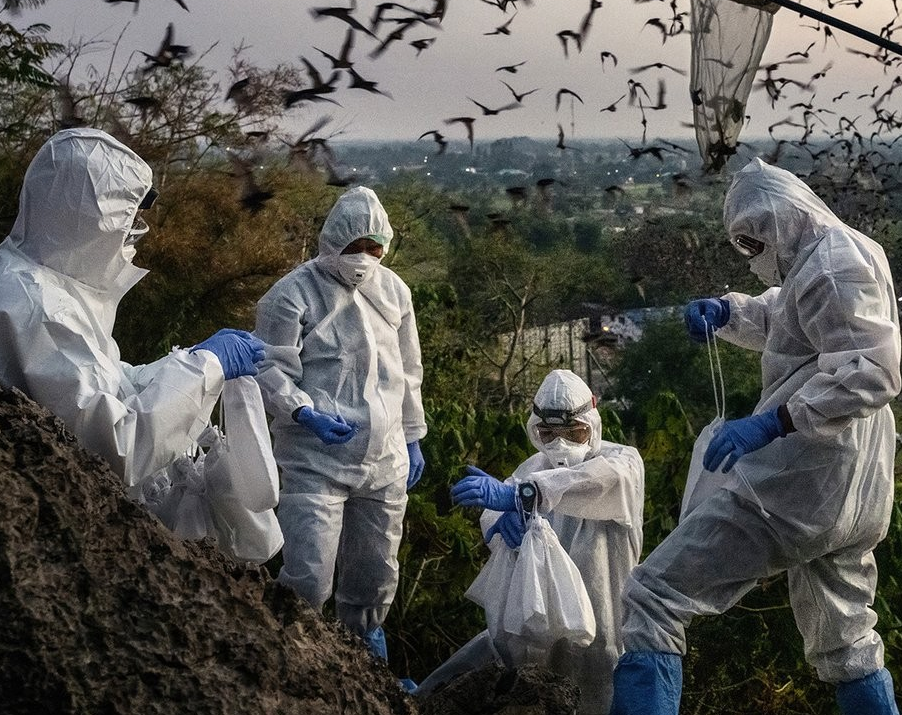
    Illustrative Image: Climate Change and Infectious Diseases in Rural LMICs: A Six-Step Framework for Climate-Resilient Health Systems in East Africa
    Image Source & Credit: Council on Foreign Relations.
    Ownership and Usage Policy

    A recent study by Worsley-Tonks et al. (2025) titled “A framework for managing infectious diseases in rural areas in low-and middle-income countries in the face of climate change—East Africa as a case study” published in PLOS global public health, reveals that climate change is significantly intensifying infectious disease risks in rural LMICs—particularly East Africa—by expanding pathogen hazards.

    Climate change is intensifying infectious disease risks in rural LMICs, requiring climate-resilient health systems built on a six-step strategic framework.
    – Worsley-Tonks et al. 2025

    The study presents a comprehensive review that develops a strategic framework to help health systems adapt to the rising burden of infectious diseases driven by climate change. Focusing on rural communities in East Africa—regions marked by high exposure to climate-related hazards such as droughts and floods, limited access to healthcare, water, and sanitation, and a heavy burden of infectious and neglected tropical diseases (NTDs)—the framework highlights the urgent need for climate-resilient health systems.

    The authors structure their approach around three pillars of infectious disease risk: pathogen hazard (the presence and behavior of disease-causing organisms), exposure (the frequency and intensity of human contact with these hazards), and vulnerability (the susceptibility of individuals and communities to illness). Climate change is reshaping the distribution of vectors like mosquitoes and wildlife reservoirs, increasing spillover risks, while environmental degradation, food insecurity, and migration further amplify exposure and vulnerability. Current health systems in low-resource settings remain ill-equipped to address these evolving challenges.

    To address this gap, the study proposes six strategic steps: (1) educating stakeholders about climate–health connections, (2) promoting interdisciplinary research on disease risk, (3) strengthening surveillance and control through technology and One Health approaches, (4) improving rural infrastructure and preserving biodiversity to reduce exposure, (5) enhancing community resilience via nutrition, vaccination, and adaptive healthcare, and (6) establishing climate–health intelligence teams to guide policy and coordinated response. While East Africa serves as the central case study, the framework is designed to be adapted across other low- and middle-income countries, tailored to local ecological and socio-economic realities. Ultimately, this work issues a clear call to action: integrating climate adaptation into global health strategies is essential to prevent escalating disease burdens in vulnerable rural populations.

    How the Study was Conducted

    This study is a comprehensive review and conceptual framework rather than an empirical field investigation. It was conducted through an extensive literature review, synthesizing existing research on climate change, infectious diseases, and rural health systems in low- and middle-income countries (LMICs), with particular emphasis on East Africa. Building on this evidence base, the authors developed a conceptual framework structured around three central components of infectious disease risk: pathogen hazard (the presence and behavior of disease-causing organisms), exposure (the ways and frequency with which people come into contact with these hazards), and vulnerability (the susceptibility of individuals and communities to illness).

    The study integrated multiple sources of information, including epidemiological data from national and regional health systems, climate data and projections, ecological and socio-economic models, and case studies from East African countries. Insights were also drawn from the One Health and Planetary Health perspectives, highlighting the interconnections between human, animal, and environmental health. To ensure scientific depth and practical relevance, the framework was developed through collaboration among a multidisciplinary team comprising epidemiologists, ecologists, public health experts, veterinarians, and climate scientists. This diversity of expertise allowed for a comprehensive model that reflects both ecological complexity and real-world health system challenges.

    What the Authors Found

    The authors found that climate change is significantly intensifying infectious disease risks in rural LMICs—particularly East Africa—by expanding pathogen hazards, increasing human exposure, and deepening community vulnerability, while current health systems remain underprepared to cope with these evolving threats.

    Why is this important

    Climate Change as a Public Health Emergency
    Shifting weather patterns, rising temperatures, and extreme events are reshaping infectious disease risks by expanding the range of vectors and wildlife reservoirs.

    Rural LMIC Communities Are Most at Risk
    East Africa and similar regions face compounded vulnerabilities—limited healthcare access, high climate exposure, and deep socio-economic challenges—while often remaining invisible to traditional surveillance systems.

    Health Systems Are Underprepared
    Most systems rely on reactive outbreak response. Without proactive, climate-adapted strategies, escalating disease burdens could undermine progress toward global health goals.

    A Globally Relevant Framework
    Although based on East Africa, the proposed six-step framework is adaptable to other LMICs, integrating One Health, biodiversity preservation, infrastructure, and community engagement.

    Strategic Roadmap for Resilience
    The framework enables governments, researchers, and health workers to predict and prevent outbreaks, strengthen rural infrastructure, reduce vulnerabilities, and build climate-resilient health systems.

    What the Authors Recommended

    • The authors emphasise building climate–health awareness among policymakers, health workers, and communities, and integrate climate literacy into health training programs.
    • The study advocates for collaboration across epidemiology, ecology, veterinary science, and climate science, and invest in studies on climate–disease interactions.
    • Leverage digital tools, mobile technologies, and One Health approaches to track and manage human, animal, and environmental health together.
    • Improve rural water, sanitation, and healthcare infrastructure while preserving biodiversity to minimize human–wildlife contact and spillover risks.
    • In addition, support nutrition, vaccination, and mental health programs, with tailored services for mobile and marginalized populations.
    • Establish dedicated units to integrate climate forecasting into health planning, strengthen preparedness, and guide evidence-based policy responses.

    In conclusion, addressing climate-driven infectious disease risks in rural LMICs demands urgent integration of climate adaptation into health systems, ensuring resilience, equity, and sustainability for vulnerable communities.

  • August 2025: Professor Novel Njweipi Chegou – African Male Researcher of the Month

    August 2025: Professor Novel Njweipi Chegou – African Male Researcher of the Month
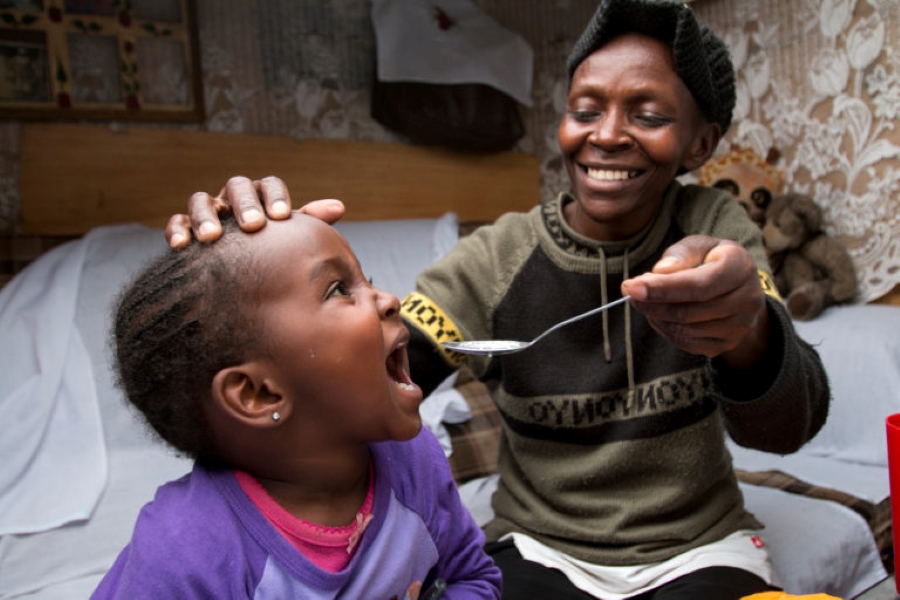



    Illustrative Image: August 2025: Professor Novel Njweipi Chegou – African Male Researcher of the Month
    Image Source & Credit: SAMRC
    Ownership and Usage Policy

    African Researchers AwardAugust 2025: Professor Novel Njweipi Chegou – African Male Researcher of the Month
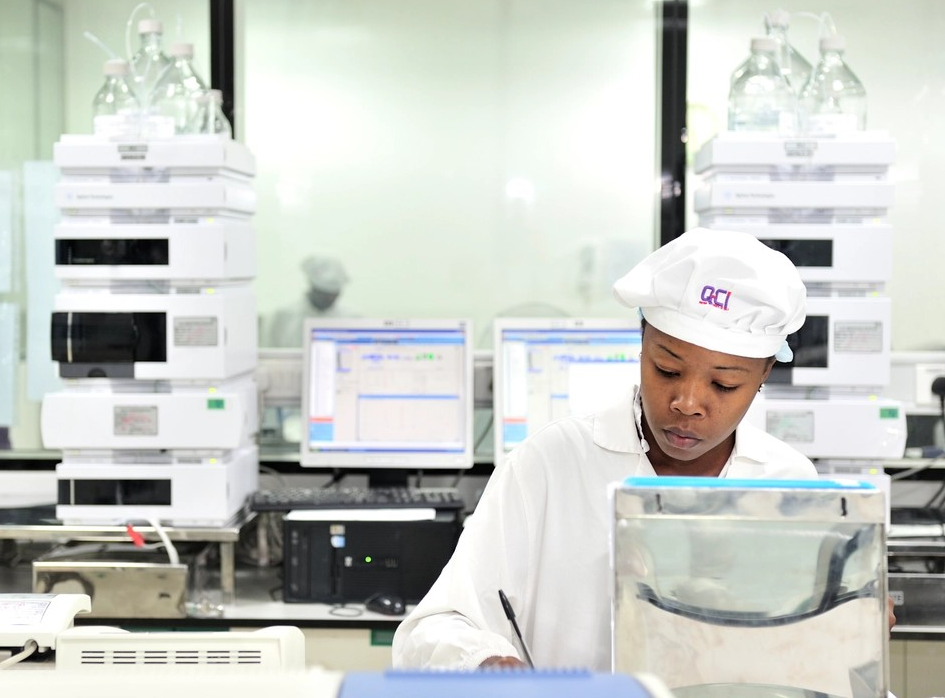
    Overview

    Professor Novel Njweipi Chegou is an internationally acclaimed Cameroonian molecular biologist and immunologist whose groundbreaking work in tuberculosis (TB) diagnostics has placed him at the forefront of global TB research. He is currently a senior researcher and head of the TB Diagnostic Biomarkers Laboratory within the Stellenbosch University Immunology Research Group (SU-IRG), where he leads one of five independent research laboratories.

    Prof. Chegou’s research primarily focuses on the development of innovative diagnostic tools for both pulmonary and extrapulmonary TB, with a particular emphasis on biomarker discovery and the development of point-of-care testing platforms suitable for use in low-resource settings.

    Education and Early Career

    Originally from the Anglophone region of Cameroon, Prof. Chegou began his academic journey at the University of Buea, where he trained as a Medical Laboratory Scientist. Driven by a desire to address pressing health issues in Africa, he pursued postgraduate studies in South Africa at Stellenbosch University, where he obtained his MSc and PhD in Health Sciences. His MSc research, which was later upgraded to a PhD, marked the beginning of a focused career in TB immunology.

    During his doctoral studies, he identified and patented a QuantiFERON supernatant biosignature capable of distinguishing between active and latent TB infection—a major advancement in TB diagnostics. This work laid the foundation for his continuing efforts in biomarker-based diagnostic innovation.

    Research Focus

    Prof. Chegou has spent nearly two decades dedicated to understanding and improving the way TB is diagnosed and managed. His work is particularly focused on:

    • Biomarker discovery for TB diagnosis

    • Monitoring of treatment response in TB patients

    • Point-of-care diagnostics for rural and under-resourced communities

    • Diagnosis of extrapulmonary TB, including TB meningitis in children

    • Immunological and microbiota-related factors influencing TB disease

    He has also pioneered animal model studies to explore the link between gut microbiota composition and TB pathogenesis, as well as how bacterial polysaccharides may affect TB treatment response.

    One of his current focal areas is the diagnosis of TB meningitis in children, a notoriously difficult form of TB to detect early. His lab is working to refine existing biomarkers into diagnostic tools that could be deployed outside tertiary hospitals, significantly reducing delays in diagnosis and preventing irreversible neurological damage in children.

    Awards and Recognitions

    Prof. Chegou’s innovative contributions have been recognized both nationally and internationally. Some of his most significant accolades include:

    • Royal Society Africa Prize (2022):
      Awarded by the UK’s national science academy, this prestigious prize recognises Prof. Chegou’s innovative contributions to TB diagnostics and his impact on African science. It is one of the highest honours in scientific achievement and places him alongside some of the world’s most influential scientists.

    • SAMRC Silver Scientific Achievement Award (2019):
      From the South African Medical Research Council, this award recognises his outstanding scientific contributions to TB research.

    • UNESCO-MARS Young Researcher Award (2015):
      Recognised at the Merck Africa Research Summit for his excellence in scientific innovation and dedication to health challenges in Africa.

    • NSTF-South32 Awards Finalist (2019):
      Acknowledged for his significant research contributions to the scientific and technological advancement of South Africa.

    • SU Rector’s Award for General Performance (2015):
      Honoured for academic and research excellence at Stellenbosch University.

    • Best Honours Student in South Africa (2005):
      Awarded by the South African Society of Biochemistry and Molecular Biology.

    Institutional Roles and Collaborations

    At Stellenbosch University, Prof. Chegou plays a dual role as both an academic mentor and research leader. He supervises a wide range of postgraduate students, many of whom are from underrepresented African regions, thereby nurturing the next generation of African scientists.

    His work has led to multiple international collaborations, including with organizations involved in the European & Developing Countries Clinical Trials Partnership (EDCTP), through which he has served as a Senior Fellow, and with institutions across Europe and North America.

    Impact and Vision

    Prof. Chegou’s research is driven by a commitment to solving real-world problems in global health. His contributions are not limited to the lab; they aim to translate scientific discovery into accessible health tools that save lives, especially in resource-limited communities where the burden of TB remains high.

    As he reflects on the significance of winning the Royal Society Africa Prize, he notes:

    “It sends out a message that somebody out there sees what you are doing, and that they value what you are doing.”

    Prof. Chegou hopes that the award will amplify awareness about TB, foster new partnerships, and open doors for increased funding and broader dissemination of the diagnostic tools his team is developing.

    Legacy and Continuing Work

    As a National Research Foundation (NRF) B-rated Scientist, Prof. Chegou is recognized as an internationally acclaimed researcher with high impact in his field. His legacy lies not only in his scientific contributions but also in his mentorship, leadership, and his role in shaping Africa’s research capacity in infectious diseases.

    Looking ahead, his ambition is clear:
    To develop reliable, affordable, and rapid diagnostic tools that can change the course of TB detection and treatment, especially for vulnerable populations such as children and the rural poor.

    In Summary:
    Prof. Novel Njweipi Chegou stands as a beacon of excellence in African science—a visionary researcher whose work is transforming TB diagnostics globally while championing local innovation, capacity building, and equitable healthcare solutions.

  • NIH Funding Cuts Threaten Global HIV and TB Research: South Africa Faces Collapse of Clinical Trials and Scientific Workforce

    NIH Funding Cuts Threaten Global HIV and TB Research: South Africa Faces Collapse of Clinical Trials and Scientific Workforce


    Illustrative Image: NIH Funding Cuts Threaten Global HIV and TB Research: South Africa Faces Collapse of Clinical Trials and Scientific Workforce
    Image Source & Credit: Health Policy Watch.
    Ownership and Usage Policy

    In a decision sending shockwaves through the global health community, the U.S. National Institutes of Health (NIH) have abruptly terminated their funding mechanisms for international research collaborations, bringing decades of critical HIV and tuberculosis (TB) research in South Africa to a sudden halt. This action, rooted in a new prohibition on “subawards” to foreign entities, has triggered the mass cancellation of NIH-supported clinical trials in South Africa, leaving research teams, patients, and institutions in crisis.

    South Africa stands at the epicenter of this upheaval. With one of the highest burdens of HIV and TB worldwide, the country has long served as a vital hub for global clinical research. At least 39 clinical research sites and nearly 50 trials—including 27 HIV trials and 20 TB trials—are now in jeopardy. These trials, many of which are multinational in scope, are not only instrumental to South Africa but are also foundational to international treatment strategies and public health outcomes.

    What’s at Stake: A Global Scientific Setback

    The termination of NIH subawards has immediate and far-reaching consequences. According to an analysis by the Treatment Action Group (TAG) and Médecins Sans Frontières (MSF), the cancellation of these trials could derail crucial advancements in:

    • TB treatment innovations, such as vaccines, improved drug regimens, and life-saving therapies for TB meningitis.

    • HIV prevention and cure research: including work on broadly neutralizing antibodies (bNAbs), HIV vaccines, pre-exposure prophylaxis (PrEP), and interventions tailored for women and children.

    South Africans constitute 30–50% of global trial participants, and in studies involving pregnant women and children, they make up an even larger share—50–90%. These numbers reflect not just the country’s burden of disease but also its central role in advancing global medical research.

    Each clinical trial participant represents an average investment of $12,000, and many studies have been ongoing for several years. Abrupt discontinuation risks squandering hundreds of millions in sunk costs, compromising long-term datasets, and potentially endangering patient safety due to unfinished treatment protocols.

    Research Institutions in Crisis

    Beyond the immediate implications for patients and data, the NIH cuts could cause a financial collapse in South Africa’s research ecosystem. Up to 30% of annual institutional income for universities and research centers may vanish, leading to mass retrenchments and operational paralysis.

    Professor Ntobeko Ntusi, head of the South African Medical Research Council (SAMRC), highlighted the particularly harsh impact on South African institutions, noting that they were selected for this research not through aid or charity but through competitive NIH grant processes based on scientific excellence.

    “We are already witnessing large-scale retrenchments,” Ntusi warned. “This is not just a funding issue—it’s an existential crisis for a generation of emerging scientists.”

    The ripple effect extends to hundreds of postgraduate and postdoctoral researchers, whose work and livelihoods are now uncertain. Without stable funding, their academic and professional futures are in peril.

    An Ethical and Regulatory Quagmire

    The sudden termination of grants poses an “ethical nightmare”, according to Professor Ian Sanne, co-principal investigator at the Wits HIV Research Group Clinical Trials Unit. Not only has his unit lost upwards of $180 million in NIH funding, but it must also comply with South African labor laws that prohibit abrupt staff dismissals, depleting reserves in the absence of transitional support from U.S. funders.

    In KwaZulu-Natal, one USAID-funded trial was ended without notifying participants, who were using ARV-infused microbicide rings for HIV prevention. The abrupt withdrawal of care presents severe ethical challenges, particularly for women at high risk of infection who were left without alternative interventions or follow-up care.

    Losing Infrastructure Built Over Decades

    South Africa’s research infrastructure has been developed over three decades with a cumulative NIH investment of nearly $2 billion. Leading institutions, such as the Desmond Tutu HIV Centre at the University of Cape Town, now face devastating losses. Its director, Prof. Linda-Gail Bekker, noted that her centre stands to lose $6.9 million of its current $10 million NIH funding and already forfeited a $45 million HIV vaccine grant from USAID earlier this year.

    “This funding loss threatens not only our staff—up to 50% of whom may be laid off—but also the global pipeline of new treatments and vaccines,” said Bekker, who recently presented pioneering work on long-acting injectable ARVs that demonstrated 100% efficacy in trial participants.

    The scale and quality of South African clinical research institutions have made them critical assets in global public health. Their rapid pivot to COVID-19 vaccine testing demonstrated their adaptability and capacity under crisis, offering a model for agile, high-quality research under pandemic conditions.

    Implications for Africa and Beyond

    The impact of South African science extends far beyond its borders. Dr Tom Ellman, director of MSF’s Southern Africa Medical Unit, emphasized that innovations developed in South Africa have been scaled across low-resource settings in Africa. From the Democratic Republic of Congo to Kenya, South African-derived treatment regimens have provided lifesaving care under the most difficult conditions.

    “The research we’ve used in Kinshasa and conflict zones like South Kivu wouldn’t have been possible without South African science,” said Ellman. “Losing this capability now, just when we are on the brink of ending the HIV and TB pandemics, is particularly cruel.”

    A Call for Immediate Action

    In response to the crisis, TAG, MSF, and the SAMRC have called for emergency support from global donors, foundations, and governments to prevent the collapse of essential research.

    While some funding entities have expressed willingness to help, most are staying anonymous for now. The priority, according to researchers, is to safeguard participant care, complete trials ethically, and preserve critical data. Any lapse in care, especially in interventions dealing with drug resistance or long-term outcomes, could lead to patient harm and compromise scientific integrity.

    “South African trial participants must be supported to complete treatments safely, and research sites must be able to complete data analysis,” TAG and MSF emphasized in their joint statement.

    Conclusion

    The NIH’s withdrawal of support from South African institutions has illuminated the fragile foundation upon which global health research is built. While South Africa has long carried the weight of global TB and HIV research, this decision threatens to upend not only years of scientific progress but the lives and health of millions worldwide.

    The urgency now is twofold: rescue the infrastructure that has supported decades of progress, and ensure that scientific collaboration across borders is not a casualty of shifting bureaucratic or political agendas.

  • May 2025: Dr. Chikwe Andreas Ihekweazu – African Male Researcher of the Month
    May 2025: Dr. Chikwe Andreas Ihekweazu – African Male Researcher of the Month
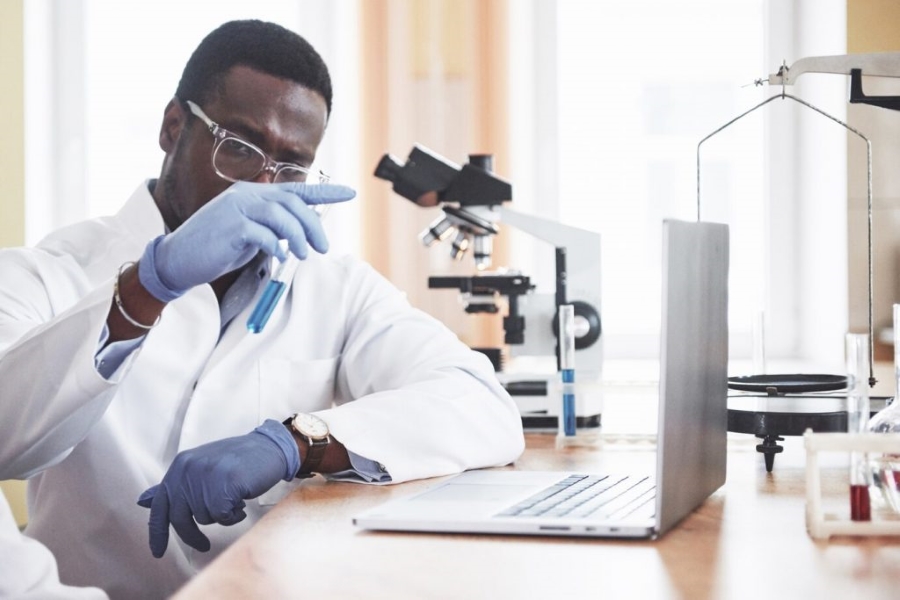


    Illustrative Image: May 2025: Dr. Chikwe Andreas Ihekweazu – African Male Researcher of the Month

    Image Source & Credit: Wikipedia
    Ownership and Usage Policy

    African Researchers AwardMay 2025: Dr. Chikwe Andreas Ihekweazu – African Male Researcher of the Month
    Introduction

    Dr. Chikwe Andreas Ihekweazu is a distinguished Nigerian-German epidemiologist, public health physician, and global health leader who has dedicated his career to strengthening epidemic intelligence, preparedness, and response systems worldwide. He currently serves as the Assistant Director-General of the World Health Organization (WHO), where he heads the Division of Health Emergency Intelligence and Surveillance Systems and leads the WHO Hub for Epidemic and Pandemic Intelligence in Berlin, Germany.

    Widely recognized for transforming Nigeria’s public health landscape, Dr. Ihekweazu is credited with building the Nigeria Centre for Disease Control (NCDC) into one of Africa’s foremost national public health institutions. His work has positioned him at the forefront of the fight against infectious diseases globally, including COVID-19, tuberculosis, monkeypox, yellow fever, and emerging epidemic threats.

    Early Life and Education

    Dr. Ihekweazu was born in Germany to a Nigerian father, a physician, and a German mother, a professor. His family moved to Nigeria in the late 1970s, and he grew up in the academic town of Nsukka. He attended Federal Government College, Enugu, before earning his MBBS degree from the University of Nigeria, Nsukka.

    He pursued further training internationally, obtaining:

    • Diploma in Tropical Medicine and Hygiene, University of Heidelberg, Germany

    • Master of Public Health (MPH), Heinrich Heine University Düsseldorf, Germany

    • European Programme for Intervention Epidemiology Training (EPIET) Fellowship

    • Fellowship of the Faculty of Public Health (FFPH), United Kingdom

    These qualifications laid the foundation for his career in infectious disease epidemiology and public health leadership.

    Professional Career

    Early Career and International Experience

    Dr. Ihekweazu began his medical career in Nigeria, completing his housemanship and serving the National Youth Service Corps (NYSC) at Abia State University Teaching Hospital and Police College, Ikeja, Lagos.

    He went on to hold senior roles in leading public health institutions globally, including:

    • Robert Koch Institute (RKI), Germany – Medical Epidemiologist, leading investigations of hospital-associated infections.

    • National Health Service (NHS), UK – Public Health Analyst and later Specialist Registrar, working on surveillance, outbreak investigations, and emergency preparedness.

    • Health Protection Agency (HPA), UK – Consultant Medical Epidemiologist, managing the Regional Epidemiology Unit for Southeast England, serving over 10 million people.

    • National Institute for Communicable Diseases (NICD), South Africa – Co-Director of the Centre for Tuberculosis, where he established provincial epidemiology services and national surveillance systems.

    Through these positions, Dr. Ihekweazu gained hands-on experience in outbreak management, data-driven health intelligence, and institutional capacity-building.

    Transforming the Nigeria Centre for Disease Control (NCDC)

    In August 2016, President Muhammadu Buhari appointed Dr. Ihekweazu as the first Director-General of the NCDC. Under his leadership (2016–2021), NCDC grew from a small unit within the Ministry of Health into a world-class national public health agency, recognized across Africa.

    His achievements at NCDC include:

    • Legal Framework: Secured the passage of the NCDC Act (2018), making the Centre an independent agency.

    • Laboratory Expansion: Established the National Reference Laboratory in Abuja and expanded molecular diagnostic capacity nationwide.

    • Emergency Response: Oversaw responses to multiple outbreaks including Lassa fever, monkeypox, yellow fever, and meningitis.

    • COVID-19 Response: Led Nigeria’s public health response during the COVID-19 pandemic, expanding laboratory networks, establishing Public Health Emergency Operations Centres, and deploying real-time data systems.

    • Capacity Building: Strengthened the Nigeria Field Epidemiology Training Program (NFELTP) to train the next generation of disease detectives.

    His leadership earned international recognition, with visits from WHO Director-General Dr. Tedros Adhanom Ghebreyesus and former UK Prime Minister Tony Blair to NCDC during his tenure.

    World Health Organization (WHO)

    In November 2021, Dr. Ihekweazu was appointed Assistant Director-General for Health Emergency Intelligence and Surveillance Systems at WHO. He also heads the WHO Hub for Pandemic and Epidemic Intelligence in Berlin, a flagship initiative supported by the German government.

    At WHO, he oversees critical initiatives, including:

    • Epidemic Intelligence from Open Sources (EIOS) – Harnessing real-time data to detect health threats.

    • International Pathogen Surveillance Network (IPSN) – Coordinating global genomic surveillance.

    • Open Source Programme Office (OSPO) – Promoting open science and data sharing for global health security.

    His work underscores his philosophy that no single institution or country can prepare for future pandemics alone, advocating for cross-disciplinary and global collaboration.

    Awards and Recognitions

    Dr. Ihekweazu has received numerous awards for his leadership and contributions to public health:

    • National Productivity Order of Merit (NPOM) – Awarded by the President of Nigeria (2021).

    • Officer of the Order of the Niger (OON) – National honour awarded by the President of Nigeria (2022).

    • Honorary Doctor of Science (DSc) – Liverpool School of Tropical Medicine, UK (2022).

    • Clara Southmayd Ludlow Medal – American Society of Tropical Medicine and Hygiene (ASTMH), for advancing tropical medicine (2022).

    These recognitions highlight his outstanding service to Nigeria and his contributions to global health security.

    Publications and Advocacy

    Dr. Ihekweazu has authored over 150 peer-reviewed publications on epidemiology, infectious diseases, and public health systems. He is a strong advocate for strengthening epidemic preparedness in Africa and has served on the boards of major organizations, including:

    • Society for Family Health (Nigeria)

    • Health Advocacy Organisation – Nigeria Health Watch

    • Virchow Prize for Global Health Council

    • Editorial Boards of Epidemiology and Infection and Journal of Public Health in Africa

    He has been vocal about Africa’s vulnerability to epidemics, emphasizing the importance of investment in health systems, data, and workforce development.

    Conclusion

    Dr. Chikwe Andreas Ihekweazu is a global leader whose vision, expertise, and dedication have reshaped public health in Nigeria, Africa, and beyond. From building NCDC into a resilient national health agency to leading WHO’s pandemic intelligence hub, his work reflects a lifelong commitment to epidemic preparedness, disease surveillance, and global health security.

    His awards – including the National Productivity Order of Merit, Officer of the Order of the Niger, and the Clara Southmayd Ludlow Medal – stand as recognition of his enduring impact on health systems worldwide.

  • Unlocking South Africa’s Potential: Chemistry’s Role in Healthcare and Economic Growth

    Unlocking South Africa’s Potential: Chemistry’s Role in Healthcare and Economic Growth

    A recent study by Veale et al. (2025) titled “Chemistry as a Catalyst for Transforming the Health and Wealth of South Africa” published in Angewandte Chemie International Edition, reveals that chemistry plays a crucial role in South Africa’s healthcare and economic development, but the country faces significant challenges.

    Chemistry is vital to improving South Africa’s healthcare and economy, but greater investment and equity in research are urgently needed.– Veale et al. 2025

    The study examines the role of chemistry in South Africa’s unique history and current socio-economic landscape, particularly in relation to healthcare and biomedical research. The authors highlight how the country’s rich natural resources have driven chemical industrialization but also acknowledges the constraints imposed by its colonial past. The research underscores the importance of chemistry in addressing South Africa’s infectious disease burden, which disproportionately affects disadvantaged communities. The authors argue for increased investment in chemistry research and local pharmaceutical manufacturing to improve healthcare outcomes and drive economic growth. They also emphasize the need to integrate scientific advancements with South Africa’s socioeconomic realities to create a more sustainable and equitable future.

    How the Study was Conducted

    The study was conducted as a viewpoint article, meaning it presents a broad examination of South Africa’s chemistry landscape rather than following traditional experimental methodologies. The authors analyze historical, socioeconomic, and scientific factors influencing chemical research in the country. They draw from existing literature, government initiatives, and industry trends to highlight how chemistry plays a role in healthcare and economic development. The study also discusses how South African universities contribute to chemistry research, focusing on funding challenges, diversity issues, and infrastructure needs. It argues for increased investment in research and local pharmaceutical production to improve healthcare and drive economic growth.

    What the Authors Found

    The authors found that chemistry plays a crucial role in South Africa’s healthcare and economic development, but the country faces significant challenges. Despite its rich natural resources and strong research potential, deep sociopolitical inequalities limit access to healthcare and scientific opportunities, particularly for disadvantaged communities.

    One major finding is that South Africa’s infectious disease burden remains a critical issue, and chemistry-driven biomedical research could help combat it. However, local pharmaceutical manufacturing and research infrastructure require more investment to become globally competitive. The study highlights that while South African universities contribute meaningfully to research, historically disadvantaged institutions still struggle with limited resources and funding.

    Why is this important

    This study is important because it highlights the critical role of chemistry in addressing South Africa’s healthcare challenges and economic development. It emphasizes how scientific research, particularly in medicinal chemistry, can help combat the country’s high infectious disease burden while also fostering local pharmaceutical manufacturing and innovation.

    By focusing on chemistry-driven solutions, the study advocates for a more self-sufficient approach to medicine production, reducing reliance on international pharmaceutical imports. This not only improves healthcare access but also strengthens South Africa’s economy by creating job opportunities and boosting research capabilities.

    Additionally, the study underscores the importance of integrating scientific advancements with South Africa’s socioeconomic realities, ensuring that innovations are tailored to the country’s specific healthcare needs. It calls for increased investment in chemistry research and development to enhance local expertise and improve overall public health outcomes.

    What the Authors Recommended

    • The authors argue that tailored scientific advancements integrated with South Africa’s socioeconomic realities could lead to more sustainable healthcare improvements. They advocate for increased investment in chemistry research and development, particularly in local medicine production, to reduce dependence on international pharmaceutical imports.
    • Increased funding for chemistry research would help address healthcare challenges, especially in combating infectious diseases and developing South Africa’s capacity to produce medicines locally could reduce reliance on international imports and create economic opportunities.
    • More support is needed for historically disadvantaged institutions, ensuring equitable access to resources and research opportunities as well as expanding representation in drug development could help create treatments that are better suited for African populations.

    In conclusion, the study by Veale et al. underscores the transformative potential of chemistry in shaping a healthier and more economically resilient South Africa. By investing in local research, pharmaceutical manufacturing, and inclusive scientific development, the nation can address pressing health challenges while unlocking new avenues for innovation and growth. Bridging the gap between scientific progress and socioeconomic realities is essential for building a sustainable and equitable future for all South Africans.

  • Why Africa Needs More Women Scientists to Tackle Health Challenges

    Why Africa Needs More Women Scientists to Tackle Health Challenges

    Africa faces enormous health challenges from the persistent threats of malaria and HIV to neglected tropical diseases and maternal health crises. Addressing these challenges requires an inclusive and diverse scientific workforce, yet women remain vastly underrepresented in health research.

    We are two African women scientists working in infectious disease and tropical medicine research. Over the course of our careers, we have led groundbreaking clinical trials, shaped policy, and contributed to life-saving diagnostic tools and treatments. We have mentored the next generation of African researchers, ensuring that the continent’s scientific progress continues.

    Despite these achievements, we often find ourselves among the few, if not the only, African women in decision-making rooms where critical policies and scientific breakthroughs are discussed. This gender imbalance is not just a matter of fairness—it directly impacts the quality and relevance of research.

    Women’s Underrepresentation in Research Has Dire Consequences

    Women make up only 31% of researchers in sub-Saharan Africa, according to a report by UN Women. This lack of representation creates critical blind spots in scientific inquiry and healthcare policy.

    Diseases such as schistosomiasis and soil-transmitted helminths, which have severe reproductive health consequences, are under-researched from a gender perspective. Similarly, while women constitute 64% of adults living with HIV in Africa, there remains a gap in research focused on sex-specific responses to treatment and prevention.

    One of the most glaring issues is the exclusion of women of childbearing age from clinical trials. This practice, based on outdated concerns about fetal health and legal liabilities, leaves many women without access to life-saving treatments or forces them to rely on limited or unsafe medical options. If science is to serve all of society, it must reflect the needs of all its members.

    The Systemic Barriers Women Face in Science

    African culture and societal norms significantly contribute to the gender disparity in science. Leadership—whether in politics, business, or academia—is still largely seen as a male domain. Many young girls are conditioned to be reserved, not to take up space, and to pursue supportive roles rather than leadership positions.

    Even when women do break into the field, structural barriers persist. A 2022 study found that women submit fewer grant applications than men, and when they do, they receive significantly less funding. In fact, 63% of research awards go to men, and grants awarded to men tend to be of higher monetary value than those given to women.

    Some African nations, including Ghana, Rwanda, and Mozambique, have attempted to address these disparities through hiring quotas and other policies. However, these efforts have not been enough to overcome entrenched cultural and systemic biases. Women in Africa continue to shoulder a disproportionate burden of domestic responsibilities, often juggling careers in science with unpaid care work and household duties. Without affordable childcare, flexible work policies, and a cultural shift toward recognizing women as leaders, many women either abandon their scientific careers or fail to advance.

    Accelerating Change: Solutions to Close the Gender Gap

    1. Mentorship and Career Support

    Mentorship is one of the most powerful tools for breaking barriers. Having role models and guidance can significantly change the trajectory of a woman’s career in science.

    Consider Dr. Loyce Faith Nangiro, a young Ugandan doctor who received the 2025 Women in Global Health Award. Despite significant obstacles in her education, she found mentors who not only guided her but also helped pay her tuition. Instead of staying in the city to build a comfortable career, she returned to Karamoja, Uganda, to work at a local hospital treating visceral leishmaniasis—one of the deadliest parasitic diseases after malaria.

    This story underscores the impact of mentorship. Initiatives such as the Women in Global Health Programme, the L’Oréal-UNESCO For Women in Science Programme, and the Mwele Malecela Mentorship Programme are providing opportunities for African women in science—but we need more.

    2. Male Allies and Institutional Support

    Advancing gender equity in science is not just a women’s fight. Male allies—mentors, colleagues, and policymakers—must actively support their female counterparts. This means advocating for women in hiring processes, ensuring fair distribution of research funding, and challenging biases in academic and research institutions.

    Research shows that women-led teams in science often produce more collaborative, innovative, and inclusive research. Institutions must take deliberate steps to increase female representation in leadership roles by offering leadership training, fair funding opportunities, and research grants specifically targeted at women-led projects.

    3. Representation and Visibility

    Women’s contributions to science must be celebrated and showcased. One of us leads Women in Vector Control, a program that highlights the work of female scientists tackling malaria and dengue. Research has shown that when women actively participate in disease vector control, community health improves.

    Platforms such as the Africa Health Agenda International Conference (AHAIC) are also playing a critical role by recognizing young African women who are solving major health challenges. The more women are seen in leadership positions, the more young girls will be inspired to enter the field.

    4. Gender Equality in Research and Funding

    Institutions must implement clear policies and targets for gender equity in hiring, research funding, and academic publishing. Grant-awarding bodies must track and report on gender disparities to ensure that women researchers are not sidelined.

    Research must also be more inclusive of women’s health needs, particularly in clinical trials. Women of childbearing age should no longer be automatically excluded from drug development research.

    Africa’s Scientific Future Depends on Women Scientists

    African women scientists have already demonstrated their ability to lead groundbreaking research and shape global health solutions. However, we cannot afford to wait another 133 years—the projected timeline for gender parity—to fully integrate women into Africa’s scientific workforce.

    If we are serious about solving Africa’s greatest health challenges, we must accelerate action now. By investing in mentorship, challenging institutional biases, amplifying female leadership, and ensuring equitable access to research funding, we can build a scientific ecosystem that truly serves Africa’s entire population.

    The future of African health research—and the lives it will save—depends on it.

    About the Authors

    Dr. Damaris Matoke-Muhia is a biotechnologist, a senior principal research scientist in infectious and neglected tropical diseases, and the Deputy Director of the Biotechnology Programme at the Kenya Medical Research Institute (KEMRI).

    Dr. Monique Wasunna is a physician, an infectious disease and tropical medicine specialist, and the Africa Ambassador for the Drugs for Neglected Diseases initiative (DNDi).

  • AJCEM Joins AR Index: Advancing Medical Microbiology with Open-Access Research and Ethical Publishing

    AJCEM Joins AR Index: Advancing Medical Microbiology with Open-Access Research and Ethical Publishing

    The African Journal of Clinical and Experimental Microbiology (AJCEM) is making notable strides in the field of medical microbiology as it continues to serve as a valuable platform for researchers across the globe. As of January 2025, this prestigious journal has been officially indexed in the AR Index, further solidifying its reputation in the scientific community. This recognition marks a significant achievement for the journal, which has long been a key player in the dissemination of critical research related to microbiology, infectious diseases, and clinical practices.

    About AJCEM: A Platform for Groundbreaking Research

    The African Journal of Clinical and Experimental Microbiology is the official journal of the African Society for Clinical Microbiology. It has been in publication since 1999, and it offers a dedicated space for original research in various subfields of microbiology, such as bacteriology, virology, rickettsiology, chlamydiology, mycology, mycobacteriology, actinomycetes, parasitology, and molecular genetics. It also extends its scope to cover clinical microbiology and clinical veterinary microbiology, ensuring a comprehensive approach to the discipline.

    With an ISSN online of 1595-689X, AJCEM is a significant resource for researchers, clinicians, and educators alike, providing cutting-edge research and reviews that span the diverse landscape of medical microbiology. It is published annually by the African Society for Clinical Microbiology, with its home base at LAUTECH Teaching Hospital in Ogbomoso, Nigeria.

    Indexed in AR Index: A Mark of Academic Excellence

    The inclusion of AJCEM in the AR Index represents a major milestone for the journal. The AR Index is an academic indexing platform that recognizes high-quality research publications with rigorous peer review processes. For a journal to be included in the AR Index, it must meet stringent criteria, including maintaining a consistent standard of quality, having a substantial contribution to its field, and showcasing a high volume of impactful research. AJCEM’s inclusion underscores its importance in the scientific community and highlights its role in advancing research in medical microbiology.

    As an open-access journal, AJCEM makes its content freely available to readers worldwide, ensuring that its research can reach a broad audience. This is especially significant in the context of Africa, where access to high-quality research can sometimes be limited. By promoting free online access to its articles through platforms like AJOL (African Journals Online), AJCEM is helping bridge the knowledge gap in global microbiology research.

    Submission and Publication Fees

    For researchers seeking to contribute to AJCEM, the journal has transparent submission and publication fees. Submission fees are set at $15, which covers the administrative costs associated with the initial processing of submissions. Once a paper is accepted, authors are required to pay publication fees of $100 to help cover the costs of open-access publication. It’s important to note that authors from certain countries may be eligible for a waiver on the article processing charges (APC), which are granted at the discretion of the editorial board based on gross national income (GNI) classification by the World Bank.

    Commitment to Ethical Publishing

    AJCEM maintains a strong commitment to academic integrity and publication ethics. The journal follows the guidelines of the International Committee of Medical Journal Editors (ICMJE) and adheres to the Committee on Publication Ethics (COPE). This ensures that all research published in AJCEM is of the highest standard, and authors are required to comply with ethical publishing practices, including disclosure of conflicts of interest and adherence to research ethics.

    Furthermore, AJCEM publishes under the Creative Commons Attribution 4.0 International License, meaning that authors retain the copyright to their work but allow others to share and distribute it, as long as proper attribution is given. This licensing model aligns with the journal’s goal of maximizing the reach and impact of the research it publishes.

    A Bright Future Ahead

    As AJCEM continues to grow in stature and influence, its role in advancing the field of medical microbiology—particularly in the African context—becomes ever more critical. Researchers and healthcare professionals can look to AJCEM not only as a source of knowledge but also as an essential partner in the global fight against infectious diseases.

    With its peer-reviewed and open-access model, combined with the recent recognition in the AR Index, the journal is poised to further solidify its reputation as a cornerstone of scientific excellence in the African and global research communities.

    For more information, including submission guidelines and access to current articles, visit the African Journal of Clinical and Experimental Microbiology website.

    Conclusion

    The African Journal of Clinical and Experimental Microbiology is a cornerstone in the field of microbiology, particularly within the African continent. With its recent AR Index inclusion, open-access model, and commitment to ethical publishing, AJCEM remains a vital resource for researchers and healthcare professionals dedicated to advancing our understanding of infectious diseases and microbiological science.

  • Strengthening Africa’s Diagnostic Capacity and Disease Surveillance: Challenges, Insights, and Solutions

    Strengthening Africa’s Diagnostic Capacity and Disease Surveillance: Challenges, Insights, and Solutions

    In the wake of the COVID-19 pandemic, Africa has made strides in its technical capacity to diagnose infectious diseases. However, the continent still faces critical challenges in disease surveillance and diagnostic readiness, underscoring an urgent need to bridge these gaps. Research recently published in Frontiers in Public Health highlights these shortcomings and offers insights into strengthening Africa’s health systems against future outbreaks.

    The Africa Centres for Disease Control and Prevention (Africa CDC) reports that in 2023 alone, the continent experienced 180 public health emergencies. A staggering 90% of these were due to infectious diseases, with 75% being zoonotic in nature. The outbreaks included mpox, diphtheria, dengue, Lassa fever, measles, poliomyelitis, Rift Valley fever, and cholera. These figures emphasize the pressing need for robust diagnostic and surveillance mechanisms.

    Prioritizing Epidemic-Prone Diseases

    Africa CDC has developed a risk-ranking tool—a list of priority epidemic-prone diseases—to guide research, preparedness, and response strategies. This framework not only informs the development of vaccines, diagnostics, and therapeutics but also adapts based on emerging evidence to remain relevant to current challenges.

    “The study conducted by the Africa CDC identifies diagnostic and surveillance gaps, offering valuable insights to guide policymaking, resource allocation, and interventions,” said Dr. Aytenew Ashenafi of the Centre of Laboratory Systems Division, Africa CDC, who led the research.

    Assessing Diagnostic Capacities Across Africa

    The research involved an online self-assessment survey conducted from February to April 2023, covering 15 African Union (AU) Member States. It examined the diagnostic capacity for 22 priority epidemic-prone diseases. The survey aimed to:

    1. Assess existing diagnostic technologies.
    2. Explore challenges in building and maintaining diagnostic capacity.
    3. Analyze current surveillance programs.

    Participating countries spanned all five African regions, including South Africa, Lesotho, and Madagascar in the south; Ethiopia and Somalia in the east; and The Gambia and Sierra Leone in the west. However, significant gaps in participation from certain regions reflect disparities in infrastructure and resources.

    The Africa Laboratory Technical Working Group validated the survey, which was available in English and French, ensuring its robustness.

    Findings: Major Barriers to Diagnostics and Surveillance

    Key challenges identified in the study include:

    • Inconsistent Laboratory Supplies (85%): A critical barrier, with shortages of essential materials like PCR reagents and extraction kits.
    • Inadequate Infrastructure (45%): Many laboratories lack the physical resources required to perform advanced diagnostics.
    • Limited Government Funding (43%): Chronic underinvestment hampers progress in health system development.
    • Inadequate Equipment Management (35%) and Human Resources (25%): These deficiencies limit operational efficiency and scalability.

    Implications and Recommendations

    The variation in laboratory capacities across AU Member States was striking, with some countries exhibiting pronounced limitations. These disparities highlight the need for tailored investments to build resilient diagnostic systems.

    To address these gaps, the study proposes several strategies:

    1. Adopting Rapid Diagnostic Tests and Portable Technologies: These tools can improve accessibility and timeliness in disease detection, especially in remote areas.
    2. Strengthening Laboratory Networks: Collaboration at national and regional levels can foster resource sharing and standardization.
    3. Enhancing Funding Mechanisms: Increased government and international funding is critical to sustain and expand diagnostic capacities.
    4. Fostering Human Resource Development: Training programs can build a skilled workforce to manage and operate advanced diagnostic systems effectively.

    A Roadmap for Resilience

    The study’s findings provide a comprehensive roadmap for AU Member States to enhance laboratory and surveillance capabilities. Targeted investments and informed policymaking can significantly improve Africa’s preparedness for health crises.

    “African countries must prioritize diagnostics, fortify infrastructure, and cultivate regional collaboration to combat future epidemics,” Dr. Ashenafi emphasized.

    By addressing these challenges, Africa can establish a robust public health framework capable of mitigating the impacts of disease outbreaks and ensuring the well-being of its populations. This proactive approach is essential for building a resilient health system that safeguards the continent against future pandemics.

  • Rising Antibiotic Use and AMR in Sub-Saharan Africa During COVID-19: Insights from the ANDEMIA Study

    Rising Antibiotic Use and AMR in Sub-Saharan Africa During COVID-19: Insights from the ANDEMIA Study

    A recent study by Wieters, et al. (2024) titled “Reported antibiotic use among patients in the multicenter ANDEMIA infectious diseases surveillance study in sub-Saharan Africa,” published in Antimicrobial Resistance & Infection Control by Springer Link, examines that the use of Watch antibiotics increased during the COVID-19 pandemic, especially among patients with acute febrile disease of unknown cause (AFDUC).

    Patients with respiratory conditions showed different usage patterns compared to those with gastrointestinal or febrile diseases– Wieters, et al. 2024

    The study examines antibiotic use patterns among patients in sub-Saharan Africa, emphasizing its significant role in contributing to the growing problem of antimicrobial resistance (AMR). Conducted across 12 health facilities located in Côte d’Ivoire, Burkina Faso, the Democratic Republic of the Congo, and South Africa, the research focused on individuals presenting with acute respiratory infections, gastrointestinal illnesses, and febrile conditions. Among a total cohort of 19,700 patients, 36.8% reported having used antibiotics, with a concerning prevalence of antibiotics listed in the World Health Organization’s (WHO) “Watch” category, such as ceftriaxone. These antibiotics are classified as those with a higher risk of leading to AMR, necessitating careful monitoring and restricted use. The study found notable variations in antibiotic consumption based on both the type of illness and geographic location. For example, patients with respiratory conditions showed different usage patterns compared to those with gastrointestinal or febrile diseases, and the accessibility and type of antibiotics used varied significantly across the countries involved in the study. The over-reliance on broad-spectrum antibiotics like ceftriaxone raises concerns about inappropriate prescribing practices and the broader implications for AMR in the region.

    How the Study was Conducted

    The study employed a descriptive analysis of data from the ANDEMIA infectious disease surveillance network, covering 12 urban and rural health facilities in Côte d’Ivoire, Burkina Faso, the Democratic Republic of Congo, and the Republic of South Africa from February 2018 to May 2022. Clinical, demographic, socio-economic, and behavioral data were collected using standardized questionnaires. The data included patient demographics, symptoms, medical history, hospitalization, medication, and other relevant factors. Antibiotic use was defined as self-reported use in the ten days prior to study enrollment. Antibiotics were categorized according to the WHO AWaRe classification and analyzed by location, disease syndrome, and patient factors. Data were cleaned and analyzed using Stata software. Variables such as climatic region, pandemic period, and biometric measures were also considered in the analysis.

    What the Authors Found

    The author found that among 19,700 patients, 36.8% reported antibiotic use, with a significant portion using WHO Watch antibiotics like ceftriaxone, and antibiotic use varied by country, health facility location, and disease syndrome, highlighting the need for tailored interventions. No reserve antibiotics were reported, but some recommended antibiotics were used, particularly in the Democratic Republic of Congo. In addition, the use of Watch antibiotics increased during the COVID-19 pandemic, especially among patients with acute febrile disease of unknown cause (AFDUC).

    Why is this important?

    Antimicrobial Resistance (AMR): High antibiotic use, especially of WHO Watch antibiotics, can drive the development of AMR, making infections harder to treat and increasing the risk of disease spread, severe illness, and death.
    Tailored Interventions: The variation in antibiotic use by location and disease syndrome suggests that interventions need to be customized to specific contexts to be effective. This can help in designing better policies and practices for antibiotic use.
    Public Health Policies: Understanding the patterns of antibiotic use can inform public health policies and strategies to promote the rational use of antibiotics, ensuring they remain effective for future generations.
    Impact of COVID-19: The increase in antibiotic use during the COVID-19 pandemic highlights the need for careful monitoring and management of antibiotic prescriptions during health crises to prevent unnecessary use and resistance.

    What the Authors Recommended

    • The authors advocate that tailored antibiotic use interventions are needed to address the specific patterns of use observed in different locations and among different disease syndromes.
    • Enhanced monitoring and regulation of antibiotic use, especially WHO Watch antibiotics, to prevent the development and spread of antimicrobial resistance (AMR).
    • The study emphasizes further evaluation of the accessibility and affordability of antibiotics to ensure that patients can obtain the necessary treatments without contributing to misuse or overuse.
    • Furthermore, the development of public health strategies that promote rational antibiotic use, particularly during health crises like the COVID-19 pandemic, to avoid unnecessary prescriptions and resistance.

    In conclusion, the study by Wieters et al. underscores the critical need for tailored interventions and stricter regulation of antibiotic use in sub-Saharan Africa, particularly during health crises like the COVID-19 pandemic. The overuse of WHO Watch antibiotics, such as ceftriaxone, poses a significant risk in accelerating antimicrobial resistance (AMR), which could severely undermine global public health efforts. To combat this, enhanced monitoring, responsible prescribing practices, and context-specific strategies are essential to preserving the effectiveness of antibiotics for future generations.

  • Integrated Care for NCDs and IDs in Sub-Saharan Africa: Challenges, Solutions, and Policy Recommendations

    Integrated Care for NCDs and IDs in Sub-Saharan Africa: Challenges, Solutions, and Policy Recommendations

    A recent study by Ibro, et al. (2024) titled “Mapping the evidence on integrated service delivery for non-communicable and infectious disease comorbidity in sub-Saharan Africa: protocol for a scoping review” published in BMJ Open, shows that Sub-Saharan Africa faces a significant burden of both non-communicable diseases (NCDs) and infectious diseases (IDs), with high comorbidity rates.

    Integrated care models are crucial for managing NCD-ID comorbidities in sub-Saharan Africa, improving patient outcomes.– Ibro, et al. 2024

    The article explores the healthcare challenges in sub-Saharan Africa (SSA) due to the simultaneous presence of infectious diseases (IDs) and non-communicable diseases (NCDs). It emphasizes the importance of developing integrated care models to manage these comorbidities effectively. The study is guided by the Joanna Briggs Institute (JBI) framework for scoping reviews and involves an extensive search of peer-reviewed and grey literature from 2018 onward. The goal is to identify and analyze integrated care models for managing NCD-ID comorbidities in SSA. The article also addresses the unique obstacles faced by healthcare systems in SSA, such as resource constraints and fragmented services, which make managing these comorbidities more challenging.

    How the Study was Conducted

    The authors searched both peer-reviewed and grey literature from 2018 onwards to gather relevant studies and data. The collected data was analyzed to identify and evaluate integrated care models for managing non-communicable diseases (NCDs) and infectious diseases (IDs) comorbidities in sub-Saharan Africa (SSA). Since the study synthesized already published data, ethical approval was not required. This approach allowed the researchers to systematically review and synthesize existing knowledge on integrated care models for NCD-ID comorbidities in SSA.

    What the Authors Found

    The authors found that Sub-Saharan Africa faces a significant burden of both non-communicable diseases (NCDs) and infectious diseases (IDs), with high comorbidity rates. The study posits that the region’s healthcare systems are often fragmented and underresourced, making it difficult to address the complex needs of patients with both NCDs and IDs. In addition, the authors also found that integrated care models are essential for improving patient outcomes, optimizing resource allocation, and reducing healthcare costs, and there is variability in the uptake and implementation of integrated care models across different countries in the region, influenced by systemic, cultural, and policy-related factors.

    Why is this Important

    Healthcare Improvement: By identifying effective integrated care models, the study aims to improve the management of patients with both non-communicable diseases (NCDs) and infectious diseases (IDs) in sub-Saharan Africa (SSA). This can lead to better health outcomes and quality of life for patients.
    Resource Optimization: Integrated care models can help optimize the use of limited healthcare resources in SSA. This is crucial in a region where healthcare systems are often under-resourced and fragmented.
    Policy and Practice: The findings can inform healthcare policies and practices, guiding the development and implementation of integrated care strategies. This can lead to more efficient and effective healthcare delivery.
    Research and Knowledge: The study contributes to the existing body of knowledge on NCD-ID comorbidities and integrated care. It highlights gaps in current research and suggests areas for future investigation.
    Global Health: Addressing the dual burden of NCDs and IDs is a global health priority. The insights from this study can be applied to other regions facing similar challenges, promoting global health equity.

    What the Authors Recommended

    • The authors emphasize the need for healthcare systems in sub-Saharan Africa to adopt and implement integrated care models to effectively manage the comorbidities of non-communicable diseases (NCDs) and infectious diseases (IDs).
    • The study calls for stronger policy support to facilitate the integration of services. This includes creating policies that promote collaboration between different healthcare sectors and stakeholders.
    • The authors highlight the importance of allocating sufficient resources to support integrated care initiatives. This includes financial, human, and infrastructure resources.
    • The authors also recommend investing in training and capacity building for healthcare workers to ensure they are equipped to deliver integrated care.
    • Continuous research and monitoring are recommended to evaluate the effectiveness of integrated care models and to identify areas for improvement.

    In conclusion, the study by Ibro et al. underscores the urgent need for integrated care models to address the dual burden of non-communicable and infectious diseases in sub-Saharan Africa. By fostering collaboration, optimizing resources, and supporting healthcare workers, these models can significantly enhance patient outcomes and strengthen healthcare systems across the region. The findings serve as a crucial call to action for policymakers, healthcare providers, and researchers to prioritize and invest in integrated care strategies, paving the way for more effective, equitable, and sustainable healthcare delivery in sub-Saharan Africa and beyond.