Tag: income generation

  • Unlocking Energy Access: The Economic Viability of Decentralized Biogas Plants in Sub-Saharan Africa

    Unlocking Energy Access: The Economic Viability of Decentralized Biogas Plants in Sub-Saharan Africa

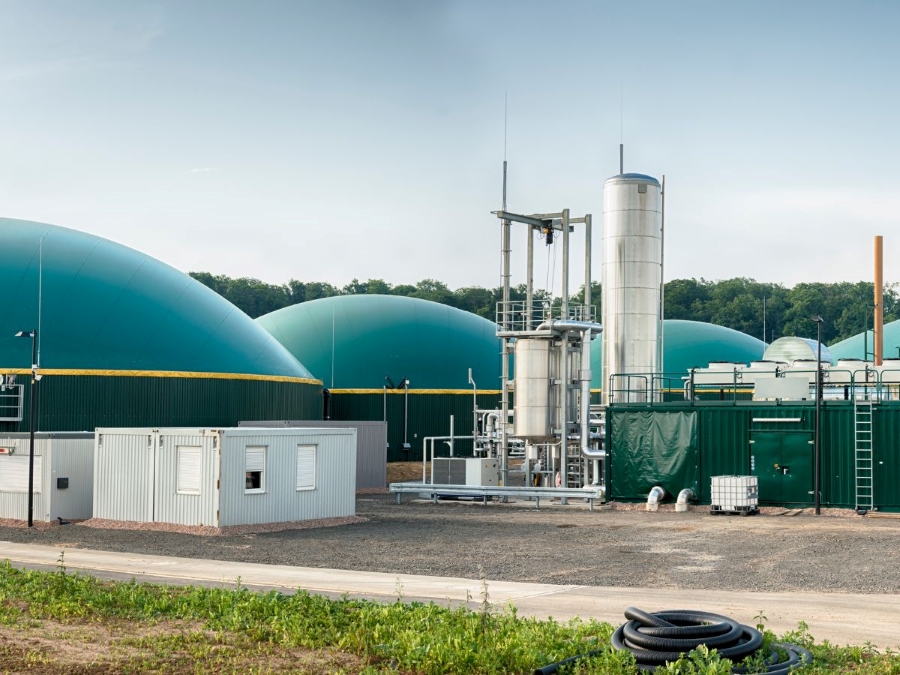
    A recent study by Robin, T., & Ehimen, E. (2024) titled “Exploring the Potential Role of Decentralized Biogas Plants in Meeting Energy Needs in Sub-Saharan African Countries: a Techno-Economic Systems Analysis” published in the Sustainable Energy Research by Springer Link shows that feasibility of biogas technology is highly influenced by national economic factors like inflation, electricity prices, and construction material costs.

    Decentralized biogas plants can be economically viable and environmentally beneficial, enhancing energy access in rural Malawi.– Robin, T., & Ehimen, E. 2024

    This article examines the potential of decentralized biogas plants to address energy needs in sub-Saharan Africa, focusing on Malawi as a case study. It assesses the feasibility of producing biogas through anaerobic digestion, considering various reactor sizes and feedstock options. The economic analysis reveals positive net present values when biogas and fertilizers are sold, depending on factors like national inflation and electricity prices. The study also emphasizes the environmental advantages of biogas production, including reduced deforestation and better waste management. Ultimately, the feasibility of such projects hinges on the broader economic conditions of the country.

    How the Study was Conducted

    The research focused on rural areas in Malawi, assuming households were not connected to the national grid and had an average of 4.5 people. Different scenarios were considered based on the number of cows owned and various feedstocks. The study examined different sizes of fixed dome reactors (3, 6, 12 m³) and various feedstocks like cow dung, human faeces, grass, and maize residue. The biogas production process and the efficiency of the reactors were analyzed. The economic feasibility was assessed using net present value (NPV) calculations, considering factors like inflation, electricity prices, and construction costs. Sensitivity analysis was performed to evaluate the impact of external economic fluctuations. The study calculated the environmental benefits, such as carbon dioxide savings, and examined the thermal energy produced by the reactors. The design and construction of the reactors were also detailed.

    What the Authors Found

    The authors found that co-generating cow dung and grass silage in a 12 m³ reactor with six cows yielded a positive NPV of $8962, demonstrating economic feasibility. Additionally, a 25% rise in electricity costs could transform the negative NPV of biogas generation from cow dung alone into a positive one. The overall feasibility of biogas technology is highly influenced by national economic factors like inflation, electricity prices, and construction material costs.

    Why is this Important

    Economic Feasibility: Demonstrating a positive net present value (NPV) for biogas production indicates that this technology can be economically viable. This is crucial for encouraging investment and adoption in rural areas.
    Energy Access: By providing a sustainable and local source of energy, decentralized biogas plants can improve access to electricity for households not connected to the national grid. This can enhance the quality of life and support economic activities.
    Environmental Benefits: The use of biogas reduces reliance on traditional biomass fuels like wood, which can help decrease deforestation and carbon emissions. This contributes to environmental conservation and climate change mitigation.
    Income Generation: The sale of biogas and digestate (a byproduct used as fertilizer) can provide an additional source of income for rural households, helping to alleviate poverty.
    Resilience to Economic Fluctuations: The sensitivity analysis shows that biogas technology can remain viable under varying economic conditions, such as changes in electricity prices and inflation. This resilience makes it a reliable energy solution.

    What the Authors Recommend

    • The authors suggest promoting biogas technology in rural areas to improve energy access and economic conditions. This includes raising awareness and providing education on the benefits and operation of biogas plants.
    • The authors advocate for government policies and incentives to support the adoption of biogas technology. This could include subsidies for construction materials, tax incentives, and financial support for households and communities.
    • The study recommends ongoing research to optimize biogas production processes and improve the efficiency of reactors. This includes exploring different feedstocks and reactor designs to maximize output and economic benefits.
    • The authors highlight the importance of integrating biogas production with agricultural practices. Using agricultural residues and animal waste as feedstocks can enhance the sustainability and economic viability of biogas plants.
    • The authors emphasize the need for community-based approaches to biogas plant implementation. Engaging local communities in the planning, construction, and operation of biogas plants can ensure long-term success and sustainability.

    In conclusion, the study on decentralized biogas plants in Malawi highlights a promising pathway to meet energy needs while simultaneously addressing economic and environmental challenges. By leveraging locally available feedstocks and optimizing reactor designs, biogas technology can significantly improve energy access for rural communities, fostering sustainable development and resilience against economic fluctuations. The positive net present values obtained from various scenarios underscore the economic viability of biogas production, making it an attractive investment opportunity. Furthermore, the environmental advantages, including reduced deforestation and improved waste management, position biogas as a crucial player in combating climate change. By promoting awareness, supporting policy initiatives, and engaging local communities, stakeholders can effectively harness potential of biogas technology to create a more sustainable and prosperous future for sub-Saharan Africa.
  • How Aquaculture is Transforming Rural Livelihoods in Zimbabwe: A Case Study of Seke Rural District

    How Aquaculture is Transforming Rural Livelihoods in Zimbabwe: A Case Study of Seke Rural District

    A recent study by Chipfakacha, C. T. (2024) titled “Aquaculture: The New Way of Creating Sustainable Livelihoods Among Rural Populations in Africa. A Case of Seke Rural District Zimbabwe” published in the International Journal of Agricultural Extension and Rural Development Studies, shows that aquaculture has provided a sustainable livelihood for rural populations, especially in areas affected by drought and poor harvests.

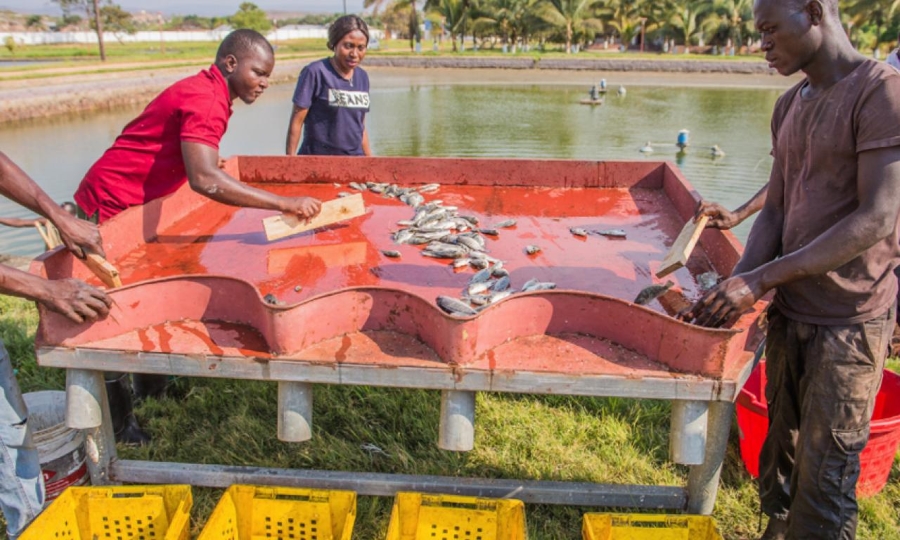
    Aquaculture, particularly fish farming, is emerging as a sustainable and vital livelihood for rural communities in Zimbabwe, with the Seke Rural District serving as a prime example of this transformative industry. This burgeoning sector is not only providing a new source of income for many households but also playing a crucial role in enhancing food security and nutrition in the region.

    Aquaculture in Seke Rural District, Zimbabwe, is providing sustainable livelihoods, improving food security, and creating economic opportunities for rural communities.– Chipfakacha, C. T. 2024

    Economic and Nutritional Benefits

    Fish farming offers substantial economic benefits by creating jobs and generating income for rural populations. Many families in Seke have embraced aquaculture as a viable alternative to traditional farming, which is often hampered by unpredictable weather patterns and land degradation. Fish farming, on the other hand, is less dependent on climatic conditions and offers a more reliable source of income. Additionally, the practice of aquaculture significantly contributes to dietary supplementation by providing a readily available source of protein. In regions where malnutrition is a pressing concern, the inclusion of fish in the local diet is invaluable.

    Challenges Facing Aquaculture

    However, the expansion of aquaculture in Zimbabwe is not without challenges. One of the most pressing issues is the availability of water. Sustainable fish farming requires consistent water sources, but many rural areas, including Seke, face water scarcity. This challenge is exacerbated by the effects of climate change, which has led to reduced rainfall and shrinking water bodies. Another significant hurdle is the lack of proper training and technical knowledge among fish farmers. Without adequate expertise, many farmers struggle to maintain healthy fish stocks and maximize their yields, leading to losses and discouragement.

    Role of Government and NGOs

    Recognizing the potential of aquaculture to uplift rural economies and improve food security, both the government and non-governmental organizations (NGOs) have been actively promoting this sector. Their efforts include providing funding to support the establishment and expansion of fish farms, as well as offering training programs to equip farmers with the necessary skills and knowledge. These initiatives are crucial in helping farmers overcome the challenges they face, particularly in terms of water management and technical know-how.

    How the study was conducted

    The author interviewed local fish farmers, government officials, and NGO representatives to gather qualitative data on the impact and challenges of aquaculture in the region. The author employed quantitative data on fish production, income levels, and employment rates among the rural population involved in aquaculture. The author engaged in participant observation, spending time with the fish farmers to understand their daily activities, practices, and the overall aquaculture process. These methods helped provide a comprehensive understanding of how aquaculture is contributing to sustainable livelihoods in Seke Rural District.

    What the authors found

    The author found that aquaculture has provided a sustainable livelihood for rural populations, especially in areas affected by drought and poor harvests. Fish farming has supplemented diets with high-protein fish, offering a healthier alternative to red meat. The study posits that the practice has created jobs, particularly for the youth, who are involved in pond construction and maintenance as well as helped utilize idle land throughout the year, making it a viable alternative to traditional seasonal farming.

    Why is this important?

    Sustainable Development: It highlights how aquaculture can be a sustainable livelihood option, especially in regions facing agricultural challenges due to climate change.
    Economic Empowerment: By creating jobs and generating income, aquaculture helps alleviate poverty and improve the economic status of rural communities.
    Nutritional Improvement: The introduction of fish farming provides a reliable source of protein, enhancing the nutritional intake of the local population.
    Resource Utilization: It demonstrates effective use of idle land and water resources, promoting efficient land management practices.
    Policy Implications: The findings can inform government and NGO policies, encouraging support and investment in aquaculture as a viable development strategy. Understanding these aspects can help replicate the success of aquaculture in other regions, contributing to broader sustainable development goals.

    What the authors recommended

    • The author suggests that governments should provide subsidies, low-interest loans, and grants to support the initial setup and ongoing operations of aquaculture farms.
    • The study advocates implementing comprehensive training programs for farmers on best practices, disease management, and sustainable techniques.
    • The author recommends the government invest in essential infrastructure such as hatcheries, feed mills, and cold storage facilities to support the aquaculture supply chain.
    • The study suggests that the government should fund research to improve fish breeds, feed quality, and disease resistance, as well as to develop innovative farming techniques.
    • The government should create policies that facilitate better market access for aquaculture products, including export incentives and local market development.

    In conclusion, aquaculture has proven to be a transformative force in Seke Rural District, Zimbabwe, offering a sustainable and reliable livelihood for rural populations. By providing economic empowerment, enhancing food security, and effectively utilizing natural resources, fish farming addresses the challenges posed by climate change and declining agricultural productivity. However, to fully realize its potential, ongoing support from the government, NGOs, and the local community is essential. With the right investments and training, aquaculture could become a cornerstone of rural development, not only in Zimbabwe but across Africa.