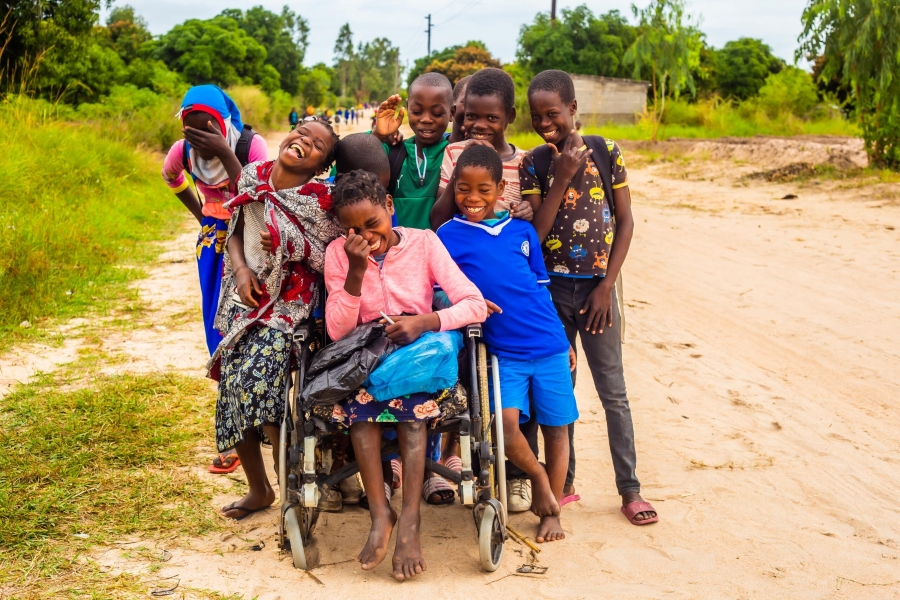
A recent study by Odhiambo, J. A. (2024) titled “Exploring the attitudes of girl learners with physical disabilities towards education in Kisumu, Kenya” published in the International Journal of Studies in Inclusive Education, reveals that most girl learners with physical disabilities (GLwPDs) in Kisumu, Kenya, hold negative attitudes toward education due to societal discrimination, low expectations from teachers and parents, and a lack of role models.
“
Societal discrimination, low expectations, and lack of role models hinder GLwPDs’ education.– Odhiambo, J. A. 2024
The article examines the perspectives of girl learners with physical disabilities (GLwPDs) on their education in Kisumu, Kenya, shedding light on the numerous challenges they encounter. These include societal prejudice, discrimination, and insufficient support, which adversely affect their attitudes towards schooling. Employing a descriptive exploratory design within a qualitative framework, the study gathered data through interviews, focus group discussions, and document analysis involving 50 participants. These participants included GLwPDs, their parents, teachers, and community opinion leaders. The findings reveal that GLwPDs often harbor negative attitudes toward education, primarily due to societal discrimination, limited encouragement from teachers and parents, and the absence of positive role models. The study underscores the importance of providing greater support and encouragement to these girls to enhance their educational experiences and boost their self-esteem. It also calls for collaborative efforts among parents, educators, and stakeholders to address these barriers and promote gender equality in education.
How the Study was Conducted
The study involved 50 participants, including 18 girl learners with physical disabilities (GLwPDs), 20 parents of GLwPDs, 10 teachers from a special school for the physically challenged, and 2 opinion leaders. Participants were selected through convenience and purposive sampling techniques. In-depth interviews were conducted with GLwPDs, teachers, and opinion leaders. The questions were open-ended to provide detailed responses. Two focus group discussions were held with 10 parents in each group. These discussions allowed participants to freely share their opinions, perceptions, beliefs, and ideas. Data on admission, attendance, performance, fee payment, and completion rates of GLwPDs were collected through document analysis. The qualitative data were analyzed using thematic analysis. This involved summarizing, categorizing, rearranging, and ordering the data thematically according to the study objectives. The six steps of thematic analysis were followed: familiarization with data, generation of initial codes, identification of themes, review and definition of themes, and writing. Informed consent was obtained from participants, and they were assured of anonymity and confidentiality. Participants were informed of their right to withdraw from the study without prejudice and were treated respectfully. Any risks and benefits were distributed fairly.
What the Authors Found
The study reveals that most girl learners with physical disabilities (GLwPDs) in Kisumu, Kenya, hold negative attitudes toward education due to societal discrimination, low expectations from teachers and parents, and a lack of role models. Many GLwPDs drop out before completing primary education, often facing challenges such as being the last to be enrolled, transportation issues, and struggling to keep up with peers. Discrimination and lack of support undermine their enthusiasm, while low expectations from teachers and parents lead to poor academic performance and self-motivation. A sense of hopelessness about future employment further diminishes their self-esteem and interest in education. Additionally, the absence of successful role models with disabilities discourages them from pursuing education. Parents often prioritize the education of non-disabled children, reflecting a negative attitude toward their daughters’ education and reinforcing these challenges.
Why is this important?
Highlighting Challenges: It brings to light the specific challenges faced by girl learners with physical disabilities (GLwPDs) in accessing education. Understanding these challenges is crucial for developing targeted interventions.
Promoting Inclusivity: The study emphasizes the need for inclusive education practices that cater to the needs of GLwPDs. This can help create a more equitable education system where all students have the opportunity to succeed.
Changing Attitudes: By documenting the negative attitudes and discrimination faced by GLwPDs, the study aims to change societal perceptions and attitudes towards these learners. This can lead to greater acceptance and support for GLwPDs in educational settings.
Policy Development: The findings can inform policymakers and educators about the necessary changes and support systems required to improve the educational experiences of GLwPDs. This can lead to the development of policies that promote gender equality and inclusivity in education.
Empowering GLwPDs: The study highlights the importance of role models and support systems for GLwPDs. By addressing the lack of role models and providing encouragement, the study aims to empower GLwPDs to pursue their education and achieve their full potential.
Addressing Discrimination: The study underscores the need to address discrimination and low expectations from teachers, parents, and society. By tackling these issues, the study aims to create a more supportive and encouraging environment for GLwPDs.
What the Authors Recommend
- The author recommends that parents, teachers, and peers of GLwPDs should collaborate with other stakeholders in education to recognize the challenges faced by these girls and provide strategies to overcome the obstacles.
- The study also emphasizes that GLwPDs should be exposed to opportunities to interact with female role models with physical disabilities in promising careers. This can motivate them to complete their education and aspire to achieve their goals.
- In addition, the government and the Ministry of Education should put more effort into advancing gender equality in special needs education and inclusive education. This includes creating policies and programs that support the education of GLwPDs and promote gender equality.
In conclusion, the study by Odhiambo (2024) underscores the critical need for targeted interventions to address the challenges faced by girl learners with physical disabilities in Kisumu, Kenya. By highlighting the adverse impacts of societal discrimination, low expectations, and a lack of role models, the research calls for collaborative efforts among parents, teachers, policymakers, and the broader community to create an inclusive and supportive educational environment. Empowering these girls through encouragement, representation, and equitable policies not only enhances their educational opportunities but also contributes to a more just and inclusive society. The findings serve as a foundation for meaningful action to break down barriers and inspire positive change for GLwPDs.