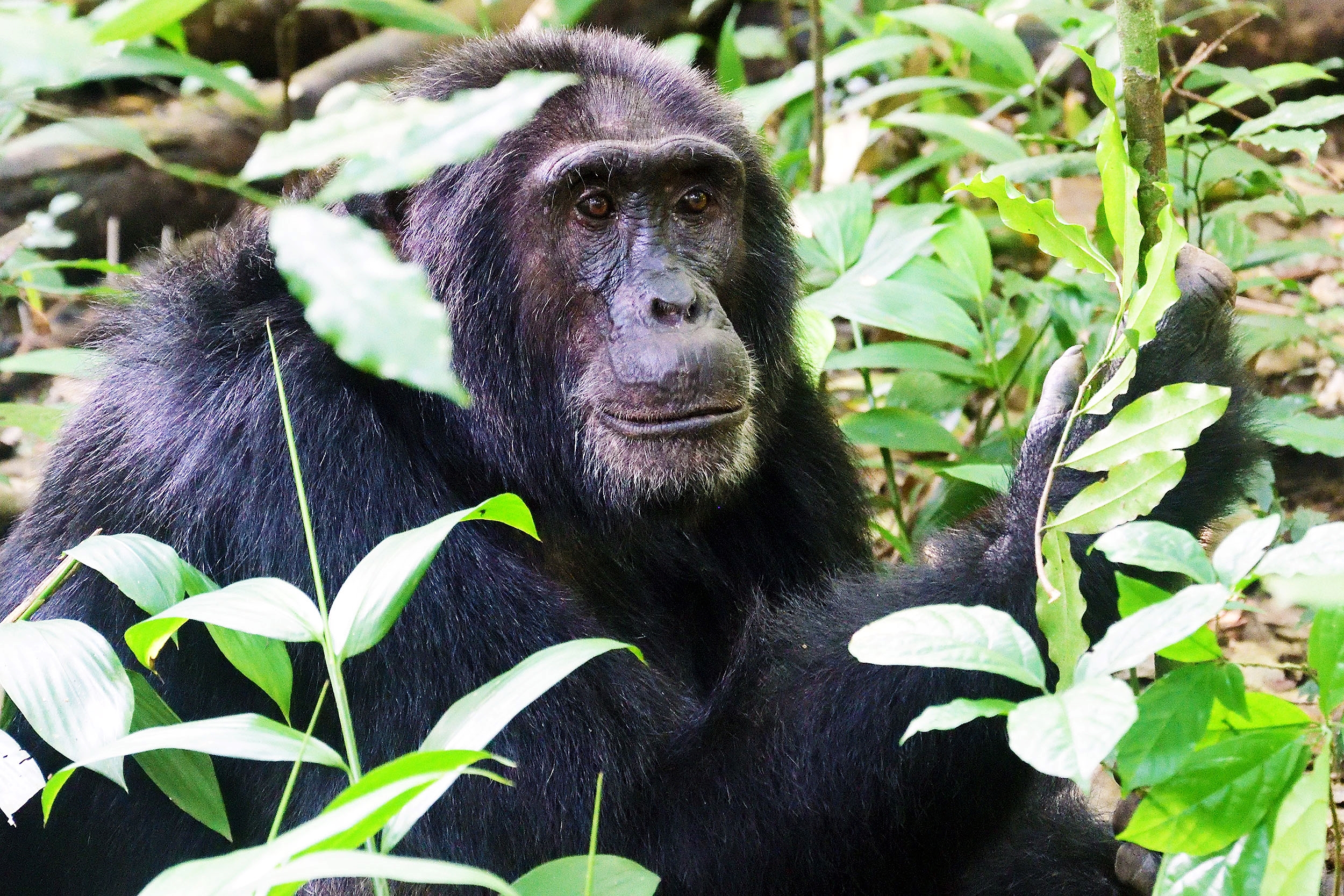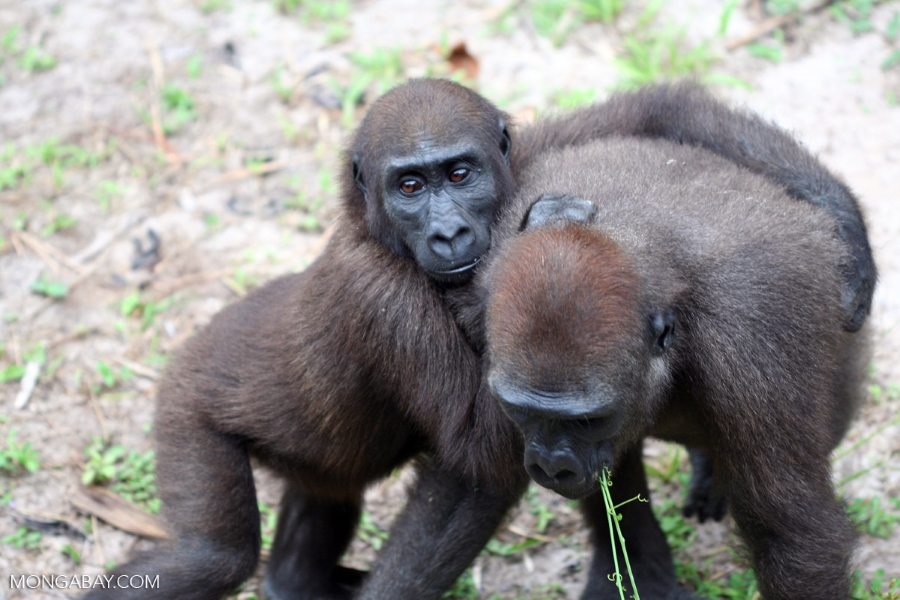
A recent study conducted in Gabon reveals how the symbiotic relationship between humans and gorillas, along with traditional Indigenous knowledge, has uncovered potential medicinal properties in certain plants. The research team, seeking plants with bioactive compounds, turned to two sources for guidance: the Vungu healers, a group of Indigenous people living near Gabon’s Moukalaba-Doudou National Park, and the park’s resident western lowland gorillas (Gorilla gorilla gorilla). Gorillas are known to harbor pathogens such as E. coli without developing serious illnesses, suggesting that their diet may hold clues to their resilience.
In an innovative approach, the researchers conducted interviews with Vungu healers and herbalists to learn about their use of local plants for medicinal purposes. Simultaneously, they observed gorillas within the park, focusing on the plant species the apes consumed. Over 10 days in August 2022, botanists on the team, guided by the Vungu community’s traditional knowledge, collected samples from plants that were part of both human and gorilla diets. The research team eventually narrowed their focus to four species: Ceiba pentandra, Myrianthus arboreus, Ficus spp., and Milicia excelsa.
Subsequent lab tests on bark extracts from these plants revealed promising bioactive properties. The extracts demonstrated antimicrobial and antioxidant activities, along with organic compounds known to combat malaria, diarrhea, inflammation, and muscle spasms. This reinforces the medicinal value of these plants and underscores their potential for pharmaceutical applications.
One of the key takeaways from the study is the shared evolutionary history between humans and gorillas. Both species have long coexisted in these ecosystems, relying on similar plant species for medicinal purposes. For the Vungu people, who are intimately familiar with these forest environments, the gorillas’ use of medicinal plants was unsurprising. They have long observed the animals’ behaviors and recognize the therapeutic benefits of the same plant species.
The study, published in PLOS ONE and led by Leresche Oyaba Yinda from the Interdisciplinary Medical Research Center of Franceville in Gabon, illustrates the value of combining ethnobotanical knowledge with modern science. Yinda emphasized that the collaboration with Indigenous communities was pivotal to the success of the research. The Vungu people expressed interest in the findings, recognizing that the study could enhance their knowledge of traditional medicine.
The implications of this research go beyond understanding gorillas’ dietary habits. The results highlight the need to preserve the rich biodiversity of tropical rainforests, where both humans and gorillas live in harmony. Protecting these ecosystems not only conserves species like gorillas but also safeguards a natural pharmacy that could provide future medicinal resources.
Experts like Cameroonian primatologist Denis Ndeloh Etiendem, who previously studied the relationship between humans and Cross River gorillas, believe the study underscores the interconnectedness between humans and other great apes. He warns that the extinction of gorillas due to habitat loss and hunting would have devastating effects—not only on biodiversity but on human survival. Gorillas’ knowledge of medicinal plants could be key to advancing human medicine, particularly as they live in areas rich with known and emerging infectious diseases.
Ultimately, the research serves as a reminder of the profound wisdom embedded in traditional ecological knowledge. It highlights the necessity of protecting both the species that use these plants and the habitats that sustain them, ensuring that humans and gorillas can continue to benefit from these natural resources for generations to come.