
Tag: Government support

  • Mathematics and Energy Diversification in Sub-Saharan Africa: Insights on GDP Growth, Education, and Sustainability

    Mathematics and Energy Diversification in Sub-Saharan Africa: Insights on GDP Growth, Education, and Sustainability

    A study by Ezekiel, U. A. (2023) titled “SUB-SAHARAN AFRICAN BRIEF HISTORY OF MATHEMATICS DEVELOPMENT AND SUB-SAHARAN ENERGY DIVERSIFICATION AND SUSTAINABILITY USING MATHEMATICAL TOOLS FOR ANALYSIS, published in BW Academic Journal reveals that there is a negative correlation between GDP growth rate and energy diversification in sub-Saharan Africa.

    There is a negative correlation between GDP growth and energy diversification in Sub-Saharan Africa, emphasizing the need for strategic reforms.– Ezekiel, U. A. 2023

    The study examines the historical evolution of mathematics in selected Sub-Saharan African countries, emphasizing its role in technological and scientific progress. The study critiques the reliance on rote learning in elementary education and advocates for a shift toward critical thinking and independent problem-solving skills in mathematics instruction.

    Additionally, the research investigates energy diversification efforts in the region using the Energy Mix Concentration Index (EMCI). It assesses the relationship between GDP growth and energy diversification, revealing that economic expansion does not necessarily lead to a more diverse energy mix. The findings underscore the importance of a well-balanced energy portfolio for sustainable economic growth and energy security. Ultimately, the study provides key recommendations for enhancing mathematics education and advancing energy diversification strategies to support long-term development in Sub-Saharan Africa.

    How the Study was Conducted

    The author employed a combination of historical and mathematical methodologies; the study provides a comprehensive analysis of these interconnected themes. The research examines the evolution of mathematics in selected Sub-Saharan African countries, highlighting both its contributions to technological advancements and the challenges posed by traditional rote learning methods. It evaluates the effectiveness of mathematics education by analyzing teacher-student ratios in primary and secondary schools, emphasizing the need for improved instructional approaches that foster critical thinking and independent problem-solving.

    To assess energy diversification, the study utilizes the Energy Mix Concentration Index (EMCI) to measure the diversity of energy sources across various African nations. It further employs mathematical tools for economic analysis, including GDP growth rate evaluations, and applies the Pearson correlation test to investigate the relationship between economic growth and energy diversification. Findings indicate that a higher GDP does not necessarily correspond with a more diverse energy mix, reinforcing the need for strategic diversification to ensure sustainable economic growth and energy security. Ultimately, the study underscores the crucial role of mathematics in fostering innovation and economic development while advocating for policies that enhance both mathematics education and energy sustainability in Sub-Saharan Africa.

    What the Authors Found

    The study discovered that there is a negative correlation between GDP growth rate and energy diversification in sub-Saharan Africa. The paper emphasizes the usefulness of mathematical tools in the critical economic analysis of GDP and energy diversification. The analysis used the Energy Mix Concentration Index (EMCI) to examine the growth rates of selected countries. In addition, the study highlights the importance of mathematics in technological and scientific development and condemns the rote learning system prevalent in elementary schools.

    Why is this important?

    Preserving Cultural Heritage: By exploring the history of mathematics in sub-Saharan Africa, the study highlights the region’s rich contributions to the field, which have often been overlooked in mainstream historical accounts.

    Improving Education: The critique of rote learning and the emphasis on critical thinking and independent reflection provide valuable insights for improving mathematics education in the region. Stronger mathematics education is crucial for developing future scientists, technologists, and innovators.

    Energy Diversification: Understanding the correlation between GDP growth and energy diversification helps policymakers and stakeholders recognize the importance of a diversified energy mix for sustainable economic growth and energy security.

    Policy Recommendations: The study provides actionable recommendations for improving mathematics education and supporting energy diversification efforts. These recommendations can guide governments, educational institutions, and international organizations in their efforts to foster development in sub-Saharan Africa.

    Technological Advancements: A well-educated population in mathematics and science is essential for technological innovations. By emphasizing the need for better mathematics education, the study supports the goal of making sub-Saharan Africa a producer of technology rather than just a consumer.

    Sustainable Development: Energy diversification is critical for ensuring a stable and sustainable energy supply, which is essential for economic development and poverty reduction. The study’s findings underscore the need for strategic planning and investment in diverse energy sources.

    What the Authors Recommended

    • The study suggests stronger teaching of primary and secondary students in mathematics.
    • The authors call for more direct government support for teachers, faculty, and infrastructure.
    • The study recommends strengthening and expanding training and research activities, especially regional networks of people and institutions.
    • Furthermore, it advocates for scholarships for graduate students and fellowships for faculty.
    • In addition, the study underscores the need for a clearer path to rewarding mathematics-based careers and support for energy diversification efforts.

    In conclusion, the study by Ezekiel, U. A. (2023) provides valuable insights into the interconnected roles of mathematics education and energy diversification in Sub-Saharan Africa. By highlighting the negative correlation between GDP growth and energy diversification, the research underscores the need for strategic policies that promote a balanced energy mix to ensure long-term economic sustainability. Additionally, the study advocates for a shift away from rote learning toward critical thinking and problem-solving in mathematics education, which is essential for fostering technological and scientific advancements. Implementing the recommended reforms in education and energy policy will be crucial for driving innovation, economic resilience, and sustainable development across the region.
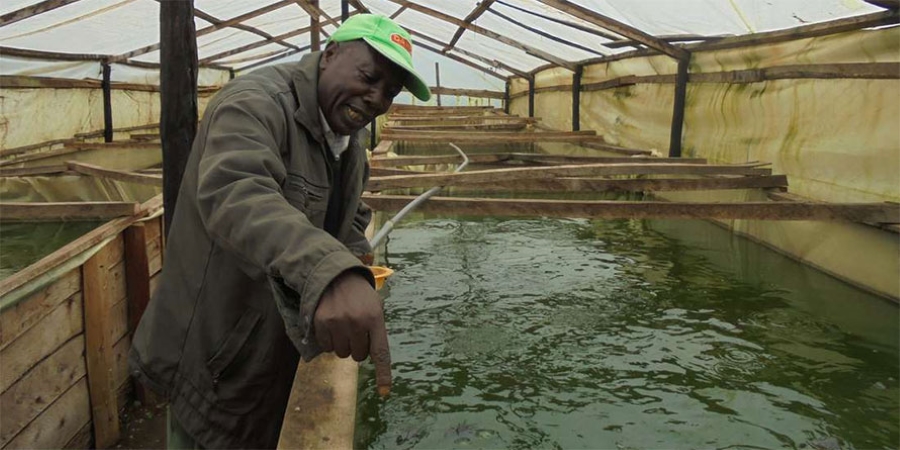
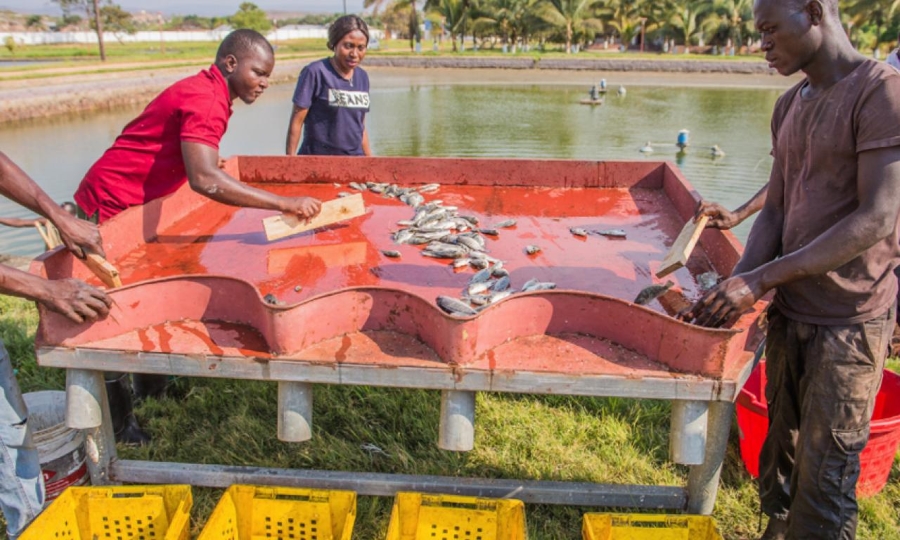
  • Transforming Rural Livelihoods: The Impact of Aquaculture in Seke Rural District, Zimbabwe

    Transforming Rural Livelihoods: The Impact of Aquaculture in Seke Rural District, Zimbabwe

    A recent study by Chipfakacha, C. T. (2024) titled “Aquaculture the New Way of Creating Sustainable Livelihoods Among Rural Populations in Africa. A Case of Seke Rural District Zimbabwe” published in the International Journal of Agricultural Extension and Rural Development Studies, shows that aquaculture has provided a sustainable livelihood for rural populations, especially in areas affected by drought and poor harvests.

    Aquaculture significantly enhances sustainable livelihoods, food security, and employment opportunities for rural populations in Zimbabwe’s Seke District.– Chipfakacha, C. T. 2024

    This article delves into the pivotal role of aquaculture in fostering sustainable livelihoods for rural populations in Africa, with a specific emphasis on the Seke Rural District in Zimbabwe. By examining the emergence of fish farming as a viable alternative to traditional agricultural practices, the article illustrates the numerous benefits associated with aquaculture, including enhanced nutrition and increased employment opportunities, particularly for the youth. Aquaculture has become an essential component of rural development in Seke, addressing food security issues while diversifying income sources for local communities. The nutritional advantages of fish farming are particularly significant, as fish is a valuable source of protein and essential fatty acids, contributing to improved dietary diversity and health outcomes in the region. However, the article also highlights several challenges that aquaculture farmers in Seke face. Water availability remains a critical issue, as many areas struggle with inconsistent access to reliable water sources necessary for fish farming. Additionally, a lack of proper training and technical knowledge among farmers hinders the effective management of aquaculture operations. Economic constraints further exacerbate these challenges, limiting the capacity of farmers to invest in the necessary infrastructure, equipment, and inputs required for successful fish farming. Recognizing the significance of these challenges, the article underscores the crucial role of government and non-governmental organizations (NGOs) in supporting the growth of aquaculture in Seke. Such support can take various forms, including financial assistance, capacity-building training programs, and the provision of essential resources. The author advocates for comprehensive measures to enhance aquaculture practices, such as implementing government subsidies to reduce the financial burden on farmers, developing educational programs to equip them with the necessary skills and knowledge, and promoting better land utilization strategies that optimize the available resources for aquaculture. By addressing these challenges and leveraging the potential of aquaculture, rural communities in Seke can not only improve their economic standing but also work towards achieving sustainable development and food security in the region. The article ultimately calls for a concerted effort among stakeholders to foster a conducive environment for aquaculture to thrive, ensuring that it serves as a catalyst for positive change in the livelihoods of rural populations across Africa.

    How the Study was Conducted

    The author distributed surveys and questionnaires to local fish farmers to gather data on their practices, challenges, and benefits experienced by aquaculture. In-depth interviews were conducted with key stakeholders, including farmers, government officials, and representatives from NGOs, to gain insights into the support systems and policies affecting aquaculture. The author visited various fish farms to observe the farming practices, infrastructure, and environmental conditions firsthand. The collected data was analyzed using statistical tools to identify trends, correlations, and significant factors influencing the success of aquaculture in the region.

    What the Author Found

    The author found that aquaculture has provided a sustainable livelihood for rural populations, especially in areas affected by drought and poor harvests. Fish farming has helped supplement diets with high-protein fish, offering a healthier alternative to red meat. The practice has created jobs, particularly for the youth, who are involved in pond construction and maintenance. In addition, aquaculture has enabled better use of land, including wetlands, which helps preserve the environment and prevent illegal land sales

    Why is this Important?

    Sustainable Livelihoods: Aquaculture has provided a reliable source of income and food security for rural populations, especially in areas affected by drought and poor harvests.
    Nutritional Benefits: Fish farming has improved the nutritional intake of the community by providing a high-protein alternative to red meat.
    Job Creation: The practice has created employment opportunities, particularly for the youth, who are involved in pond construction and maintenance.
    Land Utilization: Aquaculture has enabled better use of land, including wetlands, which helps in preserving the environment and preventing illegal land sales.

    What the Authors Recommended

    • The author suggests increased government involvement through subsidies and funding to help farmers access necessary resources and infrastructure.
    • The study advocates implementing educational programs to train farmers in modern aquaculture techniques and best practices.
    • The study emphasizes improving access to local and regional markets to ensure farmers can sell their produce at fair prices.
    • In addition, developing better water management systems to ensure a reliable water supply for fish farming, especially in drought-prone areas.
    • Furthermore, it encourages further research into sustainable aquaculture practices and the development of resilient fish species.

    In conclusion, the study by Chipfakacha (2024) highlights the transformative potential of aquaculture in Seke Rural District, Zimbabwe, as a viable solution for enhancing sustainable livelihoods among rural populations. By providing a reliable source of income, improving dietary diversity, and creating employment opportunities, fish farming has emerged as a critical strategy for addressing food insecurity, particularly in regions plagued by drought and poor agricultural yields. However, to fully harness the benefits of aquaculture, it is essential to overcome the challenges of water availability, lack of training, and economic constraints. Through increased government intervention, capacity-building initiatives, and improved access to markets, stakeholders can foster an environment where aquaculture thrives. Ultimately, with a collaborative approach and a commitment to sustainable practices, aquaculture can serve as a catalyst for positive change, contributing to the overall development and resilience of rural communities across Africa.

  • How Aquaculture is Transforming Rural Livelihoods in Zimbabwe: A Case Study of Seke Rural District

    How Aquaculture is Transforming Rural Livelihoods in Zimbabwe: A Case Study of Seke Rural District

    A recent study by Chipfakacha, C. T. (2024) titled “Aquaculture: The New Way of Creating Sustainable Livelihoods Among Rural Populations in Africa. A Case of Seke Rural District Zimbabwe” published in the International Journal of Agricultural Extension and Rural Development Studies, shows that aquaculture has provided a sustainable livelihood for rural populations, especially in areas affected by drought and poor harvests.

    Aquaculture, particularly fish farming, is emerging as a sustainable and vital livelihood for rural communities in Zimbabwe, with the Seke Rural District serving as a prime example of this transformative industry. This burgeoning sector is not only providing a new source of income for many households but also playing a crucial role in enhancing food security and nutrition in the region.

    Aquaculture in Seke Rural District, Zimbabwe, is providing sustainable livelihoods, improving food security, and creating economic opportunities for rural communities.– Chipfakacha, C. T. 2024

    Economic and Nutritional Benefits

    Fish farming offers substantial economic benefits by creating jobs and generating income for rural populations. Many families in Seke have embraced aquaculture as a viable alternative to traditional farming, which is often hampered by unpredictable weather patterns and land degradation. Fish farming, on the other hand, is less dependent on climatic conditions and offers a more reliable source of income. Additionally, the practice of aquaculture significantly contributes to dietary supplementation by providing a readily available source of protein. In regions where malnutrition is a pressing concern, the inclusion of fish in the local diet is invaluable.

    Challenges Facing Aquaculture

    However, the expansion of aquaculture in Zimbabwe is not without challenges. One of the most pressing issues is the availability of water. Sustainable fish farming requires consistent water sources, but many rural areas, including Seke, face water scarcity. This challenge is exacerbated by the effects of climate change, which has led to reduced rainfall and shrinking water bodies. Another significant hurdle is the lack of proper training and technical knowledge among fish farmers. Without adequate expertise, many farmers struggle to maintain healthy fish stocks and maximize their yields, leading to losses and discouragement.

    Role of Government and NGOs

    Recognizing the potential of aquaculture to uplift rural economies and improve food security, both the government and non-governmental organizations (NGOs) have been actively promoting this sector. Their efforts include providing funding to support the establishment and expansion of fish farms, as well as offering training programs to equip farmers with the necessary skills and knowledge. These initiatives are crucial in helping farmers overcome the challenges they face, particularly in terms of water management and technical know-how.

    How the study was conducted

    The author interviewed local fish farmers, government officials, and NGO representatives to gather qualitative data on the impact and challenges of aquaculture in the region. The author employed quantitative data on fish production, income levels, and employment rates among the rural population involved in aquaculture. The author engaged in participant observation, spending time with the fish farmers to understand their daily activities, practices, and the overall aquaculture process. These methods helped provide a comprehensive understanding of how aquaculture is contributing to sustainable livelihoods in Seke Rural District.

    What the authors found

    The author found that aquaculture has provided a sustainable livelihood for rural populations, especially in areas affected by drought and poor harvests. Fish farming has supplemented diets with high-protein fish, offering a healthier alternative to red meat. The study posits that the practice has created jobs, particularly for the youth, who are involved in pond construction and maintenance as well as helped utilize idle land throughout the year, making it a viable alternative to traditional seasonal farming.

    Why is this important?

    Sustainable Development: It highlights how aquaculture can be a sustainable livelihood option, especially in regions facing agricultural challenges due to climate change.
    Economic Empowerment: By creating jobs and generating income, aquaculture helps alleviate poverty and improve the economic status of rural communities.
    Nutritional Improvement: The introduction of fish farming provides a reliable source of protein, enhancing the nutritional intake of the local population.
    Resource Utilization: It demonstrates effective use of idle land and water resources, promoting efficient land management practices.
    Policy Implications: The findings can inform government and NGO policies, encouraging support and investment in aquaculture as a viable development strategy. Understanding these aspects can help replicate the success of aquaculture in other regions, contributing to broader sustainable development goals.

    What the authors recommended

    • The author suggests that governments should provide subsidies, low-interest loans, and grants to support the initial setup and ongoing operations of aquaculture farms.
    • The study advocates implementing comprehensive training programs for farmers on best practices, disease management, and sustainable techniques.
    • The author recommends the government invest in essential infrastructure such as hatcheries, feed mills, and cold storage facilities to support the aquaculture supply chain.
    • The study suggests that the government should fund research to improve fish breeds, feed quality, and disease resistance, as well as to develop innovative farming techniques.
    • The government should create policies that facilitate better market access for aquaculture products, including export incentives and local market development.

    In conclusion, aquaculture has proven to be a transformative force in Seke Rural District, Zimbabwe, offering a sustainable and reliable livelihood for rural populations. By providing economic empowerment, enhancing food security, and effectively utilizing natural resources, fish farming addresses the challenges posed by climate change and declining agricultural productivity. However, to fully realize its potential, ongoing support from the government, NGOs, and the local community is essential. With the right investments and training, aquaculture could become a cornerstone of rural development, not only in Zimbabwe but across Africa.

  • Driving African Entrepreneurship: Overcoming Challenges and Fostering Growth

    Driving African Entrepreneurship: Overcoming Challenges and Fostering Growth

    A recent study by Odeyemi, et al., (2024) titled, “Entrepreneurship in Africa: A Review of Growth and Challenges” published in the International Journal of Management & Entrepreneurship Research, shows that African entrepreneurship is driven by demographic trends, urbanization, support, partnerships, and innovation, but faces infrastructure, financial, regulatory, and educational challenges.

    African entrepreneurship’s growth driven by demographics, urbanization, innovation, but hindered by infrastructure, finance, regulation challenges.– Odeyemi, et al., 2024

    The article explores a comprehensive review of entrepreneurship in Africa, discussing its growth, challenges, and socio-economic impact. The study identifies factors contributing to the growth of entrepreneurship in Africa, such as population dynamics, urbanization, government initiatives, international partnerships, and a culture of innovation. The authors posit that entrepreneurs in Africa face obstacles like infrastructure deficits, limited access to financing, regulatory complexities, and political instability. Entrepreneurial growth in Africa has significant implications for job creation, economic diversification, and social empowerment. These elements collectively provide a nuanced understanding of the entrepreneurial landscape in Africa. The study emphasizes the need for tailored support mechanisms and comprehensive strategies to foster sustainable economic development.

    What the Authors Found

    The authors found that the growth of African entrepreneurship is driven by a young and growing population, urbanization, government support, international partnerships, and a culture of innovation, especially in the tech sector. Authors also found that entrepreneurs in Africa face obstacles such as infrastructure deficits, limited access to financing, complex regulations, and political instability. In addition, educational disparities and gender inequities present additional challenges that need to be addressed to foster a robust entrepreneurial ecosystem.

    Why is this Important

    Economic Growth: Entrepreneurship drives economic growth by creating jobs, fostering innovation, and contributing to GDP. A thriving entrepreneurial ecosystem can lead to sustainable economic development.
    Poverty Alleviation: Successful entrepreneurs can lift themselves and others out of poverty. By creating employment opportunities and generating income, they contribute to poverty reduction.
    Innovation and Technology: Entrepreneurs often introduce innovative products, services, and business models. This innovation can lead to technological advancements and improve overall quality of life.
    Social Empowerment: Entrepreneurship empowers individuals, especially women and marginalized groups, by providing them with economic independence and a platform to express their creativity.
    Regional Competitiveness: A robust entrepreneurial environment enhances a country’s competitiveness on the global stage. It attracts investment, encourages collaboration, and fosters a culture of resilience.

    What the Authors Recommend

    • The authors recommend that Africa should engage in simplifying bureaucratic processes and reduce red tape for entrepreneurs. Clear and efficient regulations can encourage business growth.
    • The authors advocate improved access to capital for startups and small businesses. This could involve creating specialized funds, promoting venture capital, and supporting microfinance institutions.
    • Strengthen entrepreneurship education at all levels, from schools to universities. Equipping aspiring entrepreneurs with relevant skills and knowledge is essential.
    • Furthermore, African countries should address gender disparities by encouraging more women to participate in entrepreneurship. Initiatives like mentorship programs and funding opportunities can help.
    • In addition, the authors suggest fostering partnerships with global organizations, investors, and other countries. International collaboration can bring expertise, funding, and market access.

    In conclusion, the study underscores the dynamic landscape of entrepreneurship in Africa, highlighting its drivers such as demographic shifts and innovation culture, alongside formidable obstacles including infrastructure gaps and regulatory complexities. Addressing these challenges through targeted support mechanisms and strategic initiatives not only fosters economic growth and innovation but also holds the promise of substantial social empowerment and regional competitiveness, crucial for sustainable development across the continent.

  • Microfinance Impact on Nigerian SMMEs: A Comprehensive Study Unveiling Growth Catalysts and Policy Recommendations

    Microfinance Impact on Nigerian SMMEs: A Comprehensive Study Unveiling Growth Catalysts and Policy Recommendations

    A recent article by Ekpo, V., & Ebewo, P. (2023) titled “The Influence of Microfinance Institutions on Nigerian Small, Micro, and Medium Enterprises” published in IJEBD (International Journal of Entrepreneurship and Business Development), shows that microfinance institutions (MFIs) have a positive influence on the growth and development of small, micro, and medium enterprises (SMMEs) in Nigeria.

    Microfinance institutions positively influence Nigerian SMMEs, enhancing growth, technology transfer, and economic development, with policy improvements recommended for challenges.– Ekpo, V., & Ebewo, P. 2023

    This article delves into the transformative role of microfinance institutions in supporting small, micro, and medium enterprises (SMMEs) in Nigeria. Its objective is to explore how microfinance can serve as a catalyst for overcoming the persistent challenges faced by SMMEs, specifically in terms of accessing finance, markets, and essential skills. The authors define microfinance as the delivery of financial services to individuals and groups with limited financial resources, while SMMEs are characterized as enterprises employing fewer than 250 individuals with a turnover below N100 million. Emphasis is placed on the crucial role of SMMEs in fostering economic development and alleviating poverty in Nigeria. The authors further identify and discuss three primary challenges confronting SMMEs in Nigeria—namely, limited access to finance, restricted market opportunities, and a scarcity of essential skills. It elaborates on the adverse effects these challenges have on the growth and sustainability of SMMEs and highlights how microfinance interventions can effectively address these issues.

    How the Study was Conducted

    This study employed a descriptive survey design to investigate the impact of microfinance institutions on small, micro, and medium enterprises (SMMEs) in Nigeria. The study encompassed all SMMEs located in Ibadan, Oyo State, Nigeria, forming the population under scrutiny. A sample size of 200 SMMEs was selected through a stratified random sampling technique. Data collection was executed through a structured questionnaire designed for the study. The questionnaire comprised two sections: Section A gathered information on the socio-demographic characteristics of respondents, while Section B focused on exploring the influence of microfinance institutions on SMMEs. The authors employed both descriptive and inferential statistical methods to analyze the data. Descriptive statistics, such as frequency, percentage, mean, and standard deviation, were employed, while inferential statistics encompassed correlation and regression analyses. The authors further employed SPSS version 20 for data analysis.

    What the Authors Found

    The authors found that microfinance institutions (MFIs) have a positive influence on the growth and development of small, micro, and medium enterprises (SMMEs) in Nigeria. In addition, the authors found that MFIs provide access to credit and other financial services to SMMEs, which in turn helps them grow and develop. The authors also found that MFIs help to reduce poverty and promote economic development in Nigeria.

    Why is this important?

    MFIs can enhance the growth and development of SMMEs in Nigeria. The study found that MFIs significantly influenced SMMEs regarding technology transfer and financial services and aided SMME growth. This implies that MFIs can play a vital role in supporting the SMME sector, which is regarded as a key driver of poverty reduction and economic growth in Nigeria. The study also revealed that MFIs in Nigeria are ineffective in offering the services of aspects such as facilitator of SMEs growth, tool for social change, provider of banking services to the people, and transferor of technology. This suggests that MFIs need to enhance their capacity, efficiency, and accessibility to meet the diverse needs and expectations of their clients, especially the poor and marginalized segments of society. The study identified some of the factors that hinder the performance and impact of MFIs in Nigeria, such as inadequate capital, high interest rates, poor infrastructure, weak regulation, low awareness, and socio-cultural barriers. This indicates that MFIs need to overcome these challenges and constraints to achieve their objectives and potential in Nigeria.

    What the Authors Recommend

    The authors recommend the following actions for improving the impact of microfinance institutions (MFIs) on Nigerian small, micro, and medium enterprises (SMMEs):

    • The authors urge policymakers to strengthen the regulatory framework for MFIs to ensure compliance, transparency, and accountability.
    • The study advocates for policymakers to enhance the capacity of MFIs to provide adequate and affordable financial services to SMMEs, such as credit, savings, insurance, and training.
    • The authors argue that policymakers should promote collaboration among MFIs, government agencies, and other stakeholders to create a conducive environment for SMMEs development and growth.
    • The authors further urge policymakers to encourage the innovation and diversification of MFIs products and services to meet the diverse and changing needs of SMMEs.

    In conclusion, the study by Ekpo and Ebewo sheds light on the pivotal role of microfinance institutions in fostering the growth and development of small, micro, and medium enterprises (SMMEs) in Nigeria. The findings underscore the positive influence of microfinance on SMMEs, particularly in addressing challenges related to access to finance, market opportunities, and essential skills. The study emphasizes the significance of SMMEs in driving economic development and poverty alleviation in the country. The research methodology employed a descriptive survey design, encompassing a sample of 200 SMMEs in Ibadan, Oyo State. Through a structured questionnaire and statistical analyses, the authors revealed the tangible impacts of microfinance interventions. Notably, microfinance institutions were found to significantly contribute to technology transfer, financial services, and overall SMME growth. However, the study also identified areas of improvement for MFIs, highlighting challenges such as inadequate capital, high interest rates, and weak regulation. The authors recommend strategic actions for policymakers, urging the strengthening of regulatory frameworks, capacity enhancement for MFIs, collaboration among stakeholders, and the promotion of innovation in MFI products and services. In essence, this research underscores the transformative potential of microfinance in propelling the SMME sector forward while calling for concerted efforts to address existing challenges and optimize the positive impact of microfinance institutions on Nigerian businesses.

  • Empowering Women Through Vocational Skills: A Key to Economic Growth in Southwest Nigeria

    Empowering Women Through Vocational Skills: A Key to Economic Growth in Southwest Nigeria

    A recent article by Alabi et al., (2023) titled “Skill Development and Economic Empowerment among Women in Selected State in Southwest Nigeria, published in International Journal of Science and Academic Research, shows that skill development has significant effects on women’s economic empowerment in Southwest Nigeria.

    This article explores how different types of vocational skills (such as hairdressing, fashion design, culinary arts, computer technician, and graphic design) affect the income and productivity of women in selected states in Southwest Nigeria, using survey data and multiple regression analysis. The authors explore previous studies on women’s empowerment, skill development, and economic development and adopt change theory as the main framework to explain how skill development can enhance women’s power and agency and contribute to sustainable development. The study also shed light on the barriers and challenges that women face in accessing and benefiting from skill development programs, such as cultural norms, household responsibilities, mobility restrictions, and a lack of financial support.

    Skill development significantly enhances women’s economic empowerment, improving income and productivity, contributing to sustainable development and poverty reduction in Southwest Nigeria– Alabi et al., 2023

    The Barriers and Challenges that Women Face in Accessing and Benefiting from Skill Development Programs

    Cultural norms and gender stereotypes

    Women may face social and cultural barriers that limit their access to education and training opportunities, especially in male-dominated fields. For instance, some communities may view women’s participation in vocational training as inappropriate or unnecessary.

    Mobility restrictions and safety concerns

    Women may face mobility restrictions that prevent them from attending training sessions or workshops, especially in rural areas. They may also face safety concerns while traveling to and from training centers.

    Lack of financial support

    Women may lack the financial resources to pay for training fees, transportation, or other related expenses. They may also face discrimination when accessing credit or loans to start their own businesses.

    Household responsibilities

    Women may have to balance their training with household responsibilities, such as childcare, cooking, and cleaning. This can limit their time and energy to attend training sessions or practice their skills.

    Limited access to technology and infrastructure

    Women may face limited access to technology and infrastructure, such as computers, the internet, and electricity, which can hinder their ability to learn and practice new skills. These barriers and challenges can limit women’s access to skill development programs and hinder their economic empowerment.

    How the Study was Conducted

    The authors adopt a survey research design, administering questionnaires to 665 women across Oyo, Ogun, and Ekiti states who have participated in skill development programs. The sample size is determined using Cochran’s formula, and stratified random techniques are employed for respondent selection. Descriptive and inferential statistics, including kurtosis, skewness, mean, standard deviation, and simple percentage, are employed to analyze the data. The authors also employed correlation and regression analyses to gauge the relationship between women’s skill development and self-reliance.

    What the Authors Found

    The authors found that skill development has significant effects on women’s economic empowerment in Southwest Nigeria. The authors show that acquiring skills such as hairdressing, fashion design, culinary arts, computer technician, and graphic design can improve women’s income and productivity in the selected states of Oyo, Ogun and Ekiti. The authors also found that women’s empowerment is influenced by various contextual and structural factors. In addition, the study found that women’s empowerment contributes to sustainable development and poverty reduction. The study argues that empowering women economically can enhance their well-being, agency, and participation in decision-making, as well as improve the livelihoods of their families and communities.

    Why is this Important

    Skill development can help women improve their income, productivity, and living standards, which can contribute to poverty reduction and economic growth. Economic empowerment can enhance women’s agency, voice, and participation in decision-making, which can promote gender equality and social justice. Skill development and economic empowerment can also foster women’s creativity, innovation, and self-reliance, which can benefit their personal and professional aspirations.

    What the Authors Recommend

    • The authors recommend that governments in the three tiers of governance should focus more of their attention on empowering women through vocational training to improve their income and productivity.
    • The authors argue that the government should allocate additional funds to vocational centers to enable more women to acquire the necessary skills that will make them more productive and self-reliant.
    • The study argues that women should be encouraged to participate in skill development programs that match their interests, abilities, and market demands.
    • In addition, the author recommends that the government should provide women with adequate support and mentoring to sustain and expand their businesses after acquiring skills.

    In conclusion, the study underscores the pivotal role of vocational skills in enhancing women’s economic empowerment in Southwest Nigeria. The identified barriers and challenges, such as cultural norms and financial constraints, emphasize the urgency of targeted interventions. The findings affirm that skill development not only positively impacts women’s income and productivity but also contributes to broader societal benefits, including sustainable development and poverty reduction. As the authors recommend increased government attention, funding, and tailored support, it becomes evident that fostering women’s participation in skill development programs is a strategic pathway to fostering gender equality, economic growth, and lasting societal progress in the region.

  • Unlocking Sustainable Growth: A Comprehensive Review of Biofuel Production in South Africa and Its Socio-Economic Impact

    Unlocking Sustainable Growth: A Comprehensive Review of Biofuel Production in South Africa and Its Socio-Economic Impact

    A recent study by Mvelase et al., (2023) titled “The socio-economic impact assessment of biofuels production in South Africa: A rapid structured review of literature” published in Cogent Engineering by Taylor and Francis Group shows that Biofuel production has positive socio-economic impacts on GDP, employment, income, and poverty reduction.

    Biofuel production in South Africa positively impacts the economy, employment, and poverty reduction, yet requires government support for competitiveness and sustainability. – Mvelase et al., 2023

    This study explores the socioeconomic impact assessment of biofuel production in South Africa, based on a rapid structured literature review. The article explores different types and generations of biofuels, such as first-generation (1G), second-generation (2G), third-generation (3G), and fourth-generation (4G) biofuels, and their respective feedstocks and production technologies. The study also explores methods and tools that have been applied in previous studies, such as techno-economic analysis (TEA), life cycle assessment (LCA), cost-benefit analysis (CBA), social impact assessment (SIA), computable general equilibrium model (CGEM), input-output (IO) model, machine learning (ML), artificial neural network (ANN), and geographic information system (GIS). In addition, the authors summarize the main results and implications of previous studies on the economic, environmental, and social impacts of biofuels production in different countries and regions, such as Brazil, USA, Germany, China, India, Tanzania, Mozambique, and Italy. The authors also identify the factors that influence the viability and competitiveness of biofuels, such as feedstock and capital costs, government support, market conditions, and technological innovations.

    Factors that influence the viability and competitiveness of biofuels

    Government support: Biofuel production is often not commercially viable without government support, such as subsidies, credits, grants, and tax exemptions. Government support can help reduce the feedstock and capital costs, which are the major contributors to the net cost of biofuels.
    Feedstock availability and price: The availability and price of feedstock can affect the profitability and sustainability of biofuel production. Feedstock costs account for a significant portion of the total production costs of biofuels, especially first-generation biofuels that use food crops as feedstock. Feedstock availability can also depend on the land use, climate, and agricultural practices of the region.
    Production technology and scale: The production technology and scale can affect the efficiency and cost-effectiveness of biofuel production. Advanced technologies, such as enzymatic hydrolysis, gasification, and fermentation, can improve the conversion yield and reduce the environmental impact of biofuels. However, these technologies are often expensive and require high capital investment. The production scale can also influence the economies of scale and the competitiveness of biofuels relative to conventional fuels.
    Market demand and price: The market demand and price of biofuels can affect the viability and competitiveness of biofuel production. The demand and price of biofuels depend on various factors, such as consumer preferences, environmental awareness, fuel quality standards, blending mandates, and the price of conventional fuels. The market demand and price of biofuels can also influence the investment decisions and the production capacity of biofuel producers.

    How the study was conducted

    The authors employed a rapid structured review of literature on the socio-economic impact of biofuel production, using the Scopus database and the PRISMA framework. The authors analyzed and discussed the results of the literature review, focusing on the main themes, trends, and gaps in the existing studies. The authors compared and contrasted the different methods, data sources, and indicators used to assess the socio-economic impact of biofuel production.

    What the authors found

    The authors found that biofuel selling prices are generally not competitive with conventional fuel prices, mainly due to high feedstock and capital costs. Therefore, government subsidies, credits, and grants are needed to stimulate biofuel production and ensure positive socio-economic outcomes. The study also shows that biofuel production stimulates economic growth, creates employment opportunities, improves household welfare, and reduces poverty, especially in rural areas.
    The study found that biofuel production can reduce greenhouse gas emissions and improve health and ecosystem quality, still,it can also cause land use change, loss of natural vegetation and species habitat, food insecurity, and water scarcity, depending on the feedstock, land use, and production technology.

    Why is this important

    Biofuels can offer positive socio-economic benefits such as economic growth, employment creation, improved household welfare, and poverty reduction, as well as environmental benefits such as reduced greenhouse gas emissions and better health for humans and the ecosystem. Biofuel production also involves trade-offs and challenges such as food security, land use change, water availability, and natural habitat loss, which need to be carefully considered and addressed. Biofuel production is not commercially viable without government support due to the high feedstock and capital costs and the low competitiveness of biofuel prices relative to conventional fuels. Therefore, policy interventions and financial incentives are needed to stimulate biofuel production and ensure its sustainability. Advanced biofuels from non-food feedstocks and crop residues have more potential to overcome the food vs fuel dilemma and reduce the negative impacts of biofuel production on land, water, and biodiversity. However, they require more investment in research and development and technological innovation to reduce their production costs and improve their efficiency. South Africa has a great opportunity to develop its bio-economy and biofuel industry by utilizing its abundant renewable energy resources and aligning its biofuel strategy with its national development plan. However, it also faces several barriers and gaps such as lack of empirical studies, inadequate regulatory framework, and technological constraints that need to be addressed.

    Study Recommendations

    • The authors suggest that the government should provide financial incentives, such as subsidies, credits, and grants, to stimulate biofuel production and make it more competitive with conventional fuels. The government should also guarantee a positive profit for biofuel producers by setting a minimum price or a blending mandate for biofuels.
    • The authors recommend that more resources should be allocated to R&D on biofuels, especially advanced biofuels that use non-food feedstocks and have lower environmental impacts. R&D could help improve existing technologies, reduce production costs, and develop new and eco-friendly biofuel products.
    • The study also proposes that the current biofuel regulatory framework in South Africa should be revised to include support for advanced biofuels, which are currently excluded. The document argues that advanced biofuels could offer more benefits in terms of greenhouse gas emission reduction, economic growth, and social welfare than first-generation biofuels.
    • In addition, the authors emphasize the need for a comprehensive and objective assessment of the environmental and social impacts of biofuel production in South Africa, especially on food security, water availability, and natural habitats. The authors suggest that biofuel production should be done cautiously and avoid competing with food crops for land and water resources.

    In conclusion, the study by Mvelase et al. sheds light on the multifaceted impact of biofuel production in South Africa. While presenting a compelling case for its positive socio-economic contributions, including economic growth, employment generation, and poverty reduction, the study underscores the crucial role of government support in overcoming the inherent challenges of high feedstock and capital costs. The findings highlight the intricate balance required to navigate environmental considerations, such as reduced greenhouse gas emissions, against potential drawbacks like land use change and water scarcity. The recommendations emphasize the need for strategic policy interventions, increased research and development in advanced biofuels, and a revised regulatory framework to foster a sustainable and competitive biofuel industry in South Africa. As the nation stands at the crossroads of bioeconomic potential, careful and comprehensive planning becomes paramount to maximize benefits while minimizing environmental and social risks.

    Question for Contribution and Comments

    Dear reader, we value your input! Kindly share your thoughts, ideas, and comments regarding the question below in the comment section. Your valuable input will help shape our next article:

    “Can South Africa successfully balance the promising socio-economic benefits of biofuel production with the critical environmental and social considerations, and what innovative strategies should be prioritized to navigate this complex challenge?”