Tag: global partnerships

  • TWAS-SISSA-Lincei Research Cooperation Visits Programme 2025: Fully Funded 3-Month Fellowship in Italy for Scientists from Least Developed Countries (LDCs)

    TWAS-SISSA-Lincei Research Cooperation Visits Programme 2025: Fully Funded 3-Month Fellowship in Italy for Scientists from Least Developed Countries (LDCs)


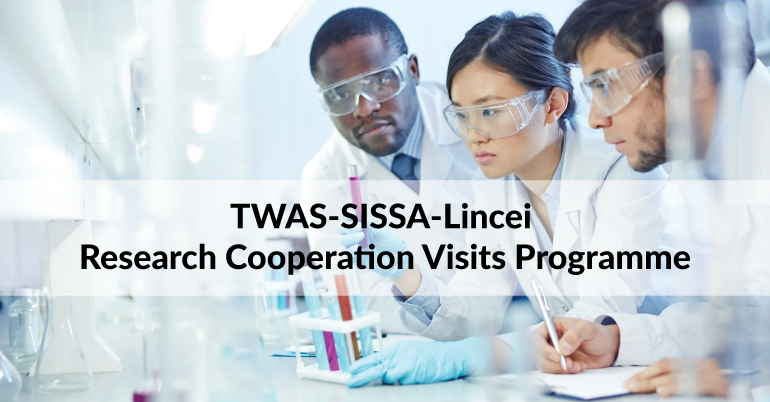
    Illustrative Image: TWAS-SISSA-Lincei Research Cooperation Visits Programme 2025: Fully Funded 3-Month Fellowship in Italy for Scientists from Least Developed Countries (LDCs)
    Image Source & Credit: Youth Opportunities
    Ownership and Usage Policy

    Overview

    The TWAS-SISSA-Lincei Research Cooperation Visits Programme is a prestigious initiative jointly organized by UNESCO-TWAS (The World Academy of Sciences), the Accademia Nazionale dei Lincei, and the International School for Advanced Studies (SISSA) in Italy.

    This programme provides young scientists from Least Developed Countries (LDCs) who hold at least an MSc degree the opportunity to spend three months in leading research laboratories located in the Friuli Venezia Giulia region of Italy — specifically in Trieste and Udine.

    These visits aim to foster collaborative research, training, and knowledge exchange in scientific fields that contribute directly to the United Nations Sustainable Development Goals (SDGs).


    🌱 Purpose and Philosophy

    This initiative follows a South-North-South Circular Model, designed to:

    1. Strengthen research capacity in developing nations by exposing scientists to cutting-edge facilities and methods in the Global North.

    2. Catalyze long-term international partnerships that continue even after the fellowship, ensuring sustained collaboration and knowledge transfer.

    3. Advance sustainability science, focusing on research that addresses global challenges such as climate change, energy, health, and biodiversity.

    This structure aligns with UNESCO-TWAS’s mission to promote scientific excellence and equity between nations, ensuring that talent from LDCs has access to world-class opportunities.


    🧭 Programme Details

    • Extended Deadline: 17 November 2025

    • Duration: 3 months

    • Host Country: Italy (Friuli Venezia Giulia Region)

    • Eligible Applicants: Nationals of Least Developed Countries

    • Minimum Qualification: MSc or higher

    • Age Limit: 40 years (as of 31 December 2025)

    • Funding:

      • Travel expenses and living costs are covered by the Italian Ministry of Foreign Affairs and International Cooperation (MAECI) and the Italian Agency for Development Cooperation (AICS) through TWAS.


    🏛️ Host Institutions

    Participants can undertake their research at world-class Italian institutions, including:

    • SISSA (International School for Advanced Studies)

    • ICGEB (International Centre for Genetic Engineering and Biotechnology)

    • INFN (National Institute for Nuclear Physics)

    • OGS (National Institute of Oceanography and Applied Geophysics)

    • Universities of Trieste and Udine

    • IOM-CNR Materials Foundry

    • Area Science Park

    • Elettra Sincrotrone Trieste

    Each institution offers diverse research areas ranging from physics, mathematics, and neuroscience to sustainable agriculture, blue economy, biotechnology, artificial intelligence, and environmental science.


    🔬 Fields of Study

    Research proposals must align with sustainability science and the UN SDGs.
    Some thematic areas include:

    • Physics & Cosmology (Astroparticle physics, statistical mechanics, quantum systems)

    • Neuroscience & Cognitive Science

    • Mathematics & Data Science

    • Biotechnology & Computational Biology

    • Oceanography, Climate Resilience & Marine Systems

    • Geophysics, Seismology & Earth Systems

    • Energy, Environment, and Sustainable Chemistry

    • Artificial Intelligence & High-Performance Computing

    • Cultural Heritage, Humanities, and Social Sciences


    🧩 Eligibility Criteria

    Applicants must:

    • Be nationals of an LDC (as defined by the UN).

    • Hold at least an MSc degree.

    • Be aged 40 or below.

    • Occupy a research position in their home country.

    • Present a research proposal relevant to sustainability and the SDGs.

    • Obtain a formal invitation from a host institution in Italy.

    • Provide two recommendation letters from referees familiar with their work.


    📑 Application Procedure

    Applications must include:

    1. Completed and signed application form.

    2. Copy of passport (bio-data page only).

    3. Curriculum Vitae (CV).

    4. Statement of research interests and future goals, indicating SDG relevance.

    5. List of publications (no reprints needed).

    6. Degree certificates (MSc or higher).

    7. Invitation letter from a host supervisor in Italy.

    8. Two letters of recommendation submitted separately to TWAS.

    Applications must be submitted via email to exchanges@twas.org by the extended deadline 17 November 2025.


    🕊️ Expected Outcomes

    • Capacity Building: Fellows return home with enhanced technical and analytical skills, contributing to national scientific development.

    • Sustainable Collaboration: Encourages ongoing partnerships between institutions in the Global North and South.

    • SDG Alignment: Ensures that research directly contributes to global sustainability goals.


    💡 Conceptual Insight: The South–North–South Model

    The TWAS-SISSA-Lincei programme represents an equitable model of scientific cooperation known as South–North–South collaboration.

    Unlike traditional models where talent flows one way (from South to North), this circular framework emphasizes reciprocity and mutual benefit:

    • Scientists from the South gain advanced training and exposure.

    • Host institutions in the North gain new perspectives and research diversity.

    • Knowledge and innovation are ultimately transferred back to the South, enriching local institutions and communities.

    This cycle strengthens global scientific ecosystems and ensures that scientific advancement serves all humanity, not just a select few regions.


    📬 Contact Information

    Email: exchanges@twas.org
    Website: www.twas.org
    Location: The World Academy of Sciences (TWAS), ICTP Campus,
    Strada Costiera 11, 34151 Trieste, Italy
  • Boosting Patient Care and Research: Key Insights and Strategies for Successful International Collaborations in Resource-Limited Settings

    Boosting Patient Care and Research: Key Insights and Strategies for Successful International Collaborations in Resource-Limited Settings

    A recent study by Mekonnen, H. D., & Topazian, M. (2024) titled “Opportunities for international collaboration in resource-limited settings: insights from Africa” published in Techniques and Innovations in Gastrointestinal Endoscopy shows that international collaborations can significantly improve patient care, research, and education, benefiting all parties involved.

    International collaborations significantly enhance patient care, research, and education in resource-limited settings through mutual benefits, cultural understanding, and communication. – Mekonnen, H. D., & Topazian, M. 2024

    The article underscores the significance of international collaborations in enhancing patient care, education, and research, particularly in resource-limited environments. It addresses the challenges posed by cultural differences, limited resources, and communication barriers, while offering strategies to overcome these obstacles. Key factors for successful partnerships are highlighted, such as mutual benefits, effective communication, and cultural understanding. The article also offers recommendations for building strong, mutually beneficial collaborations between resource-rich and resource-limited settings.

    How the Study was Conducted

    The authors interviewed colleagues who have established sustainable international collaborations to gather insights and best practices. The authors reviewed existing literature on international collaborations, focusing on clinical, educational, and research settings. Examples of successful collaborations, such as the Ethiopian Hepatitis B Program, were analyzed to identify key elements and strategies. The study developed a conceptual outline to guide the discussion on starting and nurturing successful cross-cultural collaborations.

    What the Authors Found

    The authors found that international collaborations can significantly improve patient care, research, and education, benefiting all parties involved. Understanding and respecting cultural differences is crucial for successful collaborations. The study also posits that clear communication, mutual benefit, and proper planning are essential for maintaining long-term, productive partnerships, and short-term visits and training programs can enhance local medical education and raise awareness of health issues

    Why is this important?

    Improved Patient Care: By sharing knowledge and resources, international collaborations can enhance the quality of healthcare in resource-limited settings, leading to better patient outcomes.
    Enhanced Research: Collaborations can lead to more comprehensive and diverse research, incorporating different perspectives and expertise, which can result in more robust and applicable findings.
    Educational Benefits: These partnerships often include training and educational programs that can significantly improve the skills and knowledge of healthcare professionals in resource-limited areas.
    Cultural Exchange: Understanding and respecting cultural differences can lead to more effective and harmonious collaborations, fostering mutual respect and learning.
    Sustainability: Well-planned and mutually beneficial collaborations are more likely to be sustainable, ensuring long-term benefits for all parties involved.

    What the Authors Recommended

    • The study suggests establishing open and transparent communication channels to ensure all parties are on the same page.
    • The authors also suggest setting shared objectives that benefit all collaborators, ensuring the partnership is equitable and mutually beneficial.
    • The study recommended developing long-term plans that include sustainability measures to ensure the collaboration can continue to thrive.
    • In addition, the study emphasizes continuously assessing the progress and impact of the collaboration to make necessary adjustments and improvements.

    In conclusion, international collaborations offer immense potential to transform healthcare, education, and research, particularly in resource-limited settings. By fostering mutual understanding, clear communication, and sustainable strategies, these partnerships can significantly enhance patient care and empower local healthcare systems. With a focus on long-term benefits and cultural respect, international collaborations not only address immediate challenges but also pave the way for ongoing improvements in global health outcomes.

  • Unlocking Entrepreneurship in Africa: Addressing Challenges and Driving Growth for Inclusive Development

    Unlocking Entrepreneurship in Africa: Addressing Challenges and Driving Growth for Inclusive Development

    A recent study by Odeyemi, et al., (2024) titled “ENTREPRENEURSHIP IN AFRICA: A REVIEW OF GROWTH AND CHALLENGES” published in International Journal of Management & Entrepreneurship Research, showed that entrepreneurs in Africa face challenges like infrastructure deficiencies, limited access to financing, regulatory complexities, and political instability.

    Entrepreneurs in Africa face challenges like infrastructure deficits, limited financing, regulatory complexities, and gender disparities, hindering entrepreneurial growth.– Odeyemi et al., 2024

    The article explores a comprehensive review of entrepreneurship in Africa, discussing both the growth and challenges entrepreneurs face on the continent. The authors identify factors contributing to the growth of entrepreneurship in Africa, such as a young and dynamic population, urbanization, government initiatives, international partnerships, and a culture of innovation, especially in the technology sector. The study posits that entrepreneurs in Africa face obstacles including infrastructure deficits, limited access to financing, regulatory barriers, and political instability. The review highlights educational disparities and gender inequities as significant challenges that affect the development of entrepreneurial skills and the participation of women in entrepreneurship. Entrepreneurial growth in Africa has the potential to create employment, diversify economies, and empower communities socially, contributing to sustainable development.

    What the Authors Found

    The authors found that entrepreneurs in Africa face challenges like infrastructure deficiencies, limited access to financing, regulatory complexities, and political instability. In addition, there are educational disparities and gender-related issues that affect entrepreneurship, requiring policy reforms and educational system improvements.

    Why is this Important

    Economic Growth: Entrepreneurship plays a pivotal role in driving economic growth and job creation. By understanding the growth drivers and challenges faced by entrepreneurs in Africa, policymakers and stakeholders can devise effective strategies to foster economic development.
    Inclusive Development: Addressing socio-cultural barriers and promoting entrepreneurship among marginalized communities, including women, is essential for achieving inclusive development. These findings highlight the need for targeted interventions to empower underrepresented groups.
    Policy Formulation: Policymakers can use these insights to formulate policies that encourage entrepreneurship. Streamlined regulations, improved access to financing, and practical education can create an enabling environment for aspiring entrepreneurs.
    Global Partnerships: The findings emphasize the importance of international partnerships. Collaborations between African entrepreneurs and global networks can facilitate knowledge exchange, technology transfer, and market access.

    What the Authors Recommend

    • The authors suggest that simplifying bureaucratic processes and reducing red tape can encourage more entrepreneurs to start and scale businesses. Clear and efficient regulations facilitate business operations and attract investment.
    • Access to finance remains a significant challenge for entrepreneurs. The authors propose creating financial mechanisms that cater to diverse needs, including microfinance, venture capital, and angel investors. Ensuring financial inclusion is crucial.
    • The authors further posit that strengthening entrepreneurship education at all levels is essential. Practical training, mentorship programs, and exposure to real-world business scenarios can equip aspiring entrepreneurs with the necessary skills.
    • Gender disparities persist in entrepreneurship. The authors emphasize the need for targeted support for women entrepreneurs, including access to capital, networking opportunities, and mentorship.
    • Building networks and partnerships within Africa and globally is vital. The authors emphasize Collaborations with other entrepreneurs, industry experts, and international organizations can foster knowledge exchange and market access.

    In conclusion, the study sheds light on the intricate landscape of entrepreneurship in Africa, underscoring both the remarkable growth drivers and the formidable challenges faced by entrepreneurs on the continent. Addressing infrastructure deficiencies, enhancing access to financing, streamlining regulations, and promoting inclusive development through targeted interventions are pivotal steps toward unlocking Africa’s entrepreneurial potential. By fostering an enabling environment, empowering underrepresented groups, and fostering global partnerships, Africa can harness the transformative power of entrepreneurship to drive sustainable economic growth, create employment opportunities, and uplift communities across the continent.

  • Advancing African Science: Innovative Funding Models and Urgent Calls for R&D Investment

    Advancing African Science: Innovative Funding Models and Urgent Calls for R&D Investment

    Africa stands at a pivotal juncture in its scientific advancement, with innovative funding systems emerging as critical tools to combat inequities within its research landscape. Susan Gichoga, a grants officer at the Science for Africa Foundation in Nairobi, Kenya, advocates for a transformative approach to funding African research and development (R&D). She highlights the pressing need for African countries to increase investment in R&D, emphasizing that while external grants currently sustain much of the continent’s scientific endeavors, true sovereignty in research can only be achieved through internal commitment and financial backing.

    Gichoga underscores the inherent limitations of merit-based grant systems, which often favor researchers and institutions from affluent nations, perpetuating disparities in access and opportunity. To address this imbalance, she champions the hub-and-spoke model as a promising paradigm shift in funding allocation. In this model, a central hub, typically an African research institution, receives funding and strategically distributes resources to satellite institutions or “spokes,” fostering collaboration and knowledge exchange.

    Central to the hub-and-spoke model is its emphasis on diversity and equity. Gichoga emphasizes the importance of inclusivity in grant allocation, advocating for a balanced distribution of funding across diverse research entities. By prioritizing African institutions and fostering global partnerships, this model aims to democratize access to research opportunities while amplifying the continent’s scientific voice on the world stage.

    DELTAS Africa, spearheaded by the Science for Africa Foundation, exemplifies the successful implementation of the hub-and-spoke model, with support from prominent international funders like Welcome and the UK Foreign, Commonwealth, and Development Office. Through DELTAS Africa, Gichoga highlights the strides made towards gender parity and inclusive representation within the scientific community, challenging conventional norms and promoting a more equitable research ecosystem.

    However, Gichoga acknowledges the inherent complexities and challenges of implementing such innovative funding mechanisms. Cultural differences, administrative hurdles, and performance evaluation pose significant obstacles to effective grant management. Nonetheless, she contends that the benefits outweigh the challenges, as evidenced by the model’s ability to enhance proposal quality, foster collaboration, and maximize research impact.

    Paul Adepoju, echoing Gichoga’s sentiments, emphasizes the urgency of bolstering R&D investment across the continent. As president of the African Development Bank, Adepoju advocates for a paradigm shift in Africa’s approach to research funding, citing the continent’s dismal track record in R&D expenditure compared to the global average. He underscores the critical role of research in addressing Africa’s unique public health challenges and reducing reliance on imported pharmaceuticals.

    Advancing African Science: Innovative Funding Models and Urgent Calls for R&D Investment

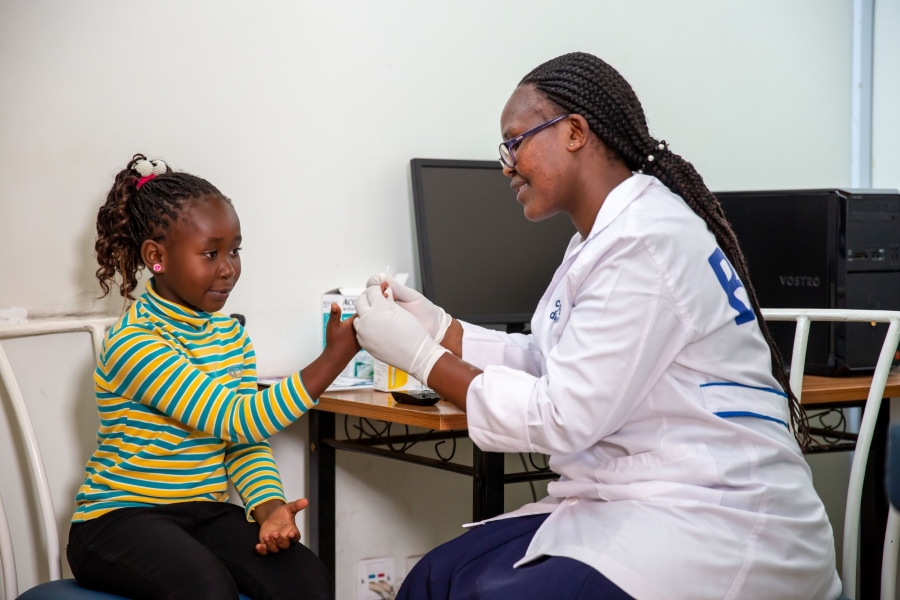
    Illustrative Image: Advancing African Science: Innovative Funding Models and Urgent Calls for R&D Investment
    Image Source & Credit: Carb-X
    Ownership and Usage Policy

    Adepoju’s call to action resonates with Janet Midega and her colleagues, who emphasize the integral link between higher education and scientific research. They highlight the need for African universities to expand their research infrastructure and integrate teaching with hands-on scientific inquiry. However, they lament the pervasive challenges facing many African universities, including inadequate funding, resource shortages, and prolonged periods of unrest.

    In response to these challenges, Adepoju emphasizes the imperative of stable learning environments and well-supported faculty to drive meaningful scientific progress. He underscores the detrimental impact of protracted strikes and institutional instability on knowledge dissemination and scientific innovation, advocating for greater governmental accountability and investment in higher education.

    In conclusion, Gichoga and Adepoju offer a compelling vision for advancing African science through innovative funding models, collaborative partnerships, and sustained investment in research and development. Their impassioned advocacy underscores the transformative potential of equitable funding mechanisms to catalyze scientific innovation, address systemic inequities, and propel Africa towards a more prosperous and sustainable future.