Tag: Global Health Equity

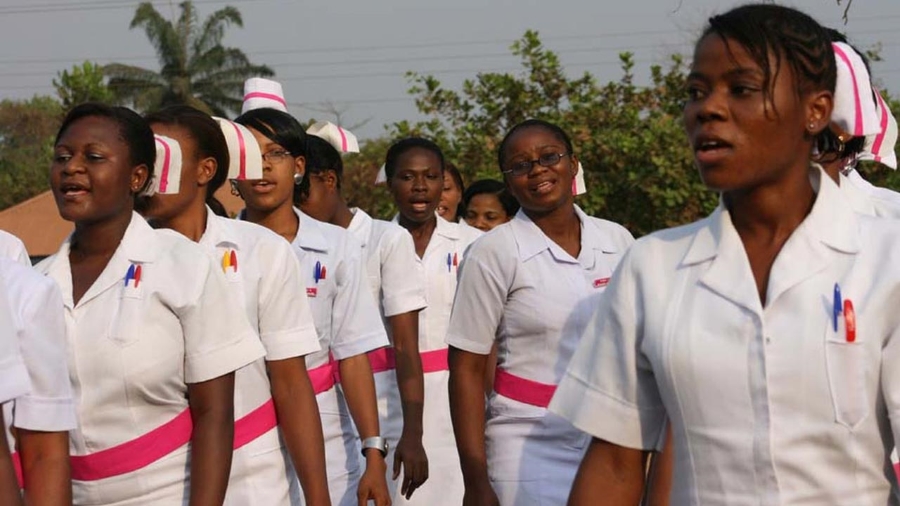
  • Nurse Retention Crisis in Sub-Saharan Africa: New Study Reveals Urgent Need for Workforce Reform and Global Accountability

    Nurse Retention Crisis in Sub-Saharan Africa: New Study Reveals Urgent Need for Workforce Reform and Global Accountability

    A recent study Kiptulon et al. (2025) titled “Retaining nurses in Sub-Saharan Africa: A systematic review and meta-analysis,” published in the International Journal of Nursing Sciences, reveals that educational barriers also persist, with outdated training models and insufficient mentorship

    Nurse Retention Crisis in Sub-Saharan Africa: New Study Reveals Urgent Need for Workforce Reform and Global Accountability -Kiptulon et al. 2025

    The study presents a critical evaluation of the persistent nursing workforce crisis across Sub-Saharan Africa (SSA). With healthcare systems under severe strain, the report underscores the urgent need for comprehensive strategies to improve nurse retention, strengthen healthcare delivery, and prevent a deepening public health emergency. The analysis reveals that, on average, only 53% of nurses in SSA remain in their jobs, and just 57% express an intention to stay (ITS) in their current roles. Regional variations are stark: East Africa reports the highest ITS at 65%, followed closely by West Africa at 63%, while Southern Africa lags far behind at just 35%.

    Despite some progress, the region faces systemic challenges, including underinvestment in health infrastructure, political interference, and inconsistent HR management. Nurses often work in poor conditions marked by supply shortages, burnout, and inter-staff conflict. Educational barriers also persist, with outdated training models and insufficient mentorship. Compounding the crisis is aggressive global recruitment, particularly by wealthier countries, which continues to siphon skilled nurses out of Africa—exacerbating the brain drain.

    How the Study was Conducted

    Study Methodology Overview
    This study employed a systematic review and meta-analysis, rigorously adhering to the PRISMA (Preferred Reporting Items for Systematic Reviews and Meta-Analyses) guidelines, which are the gold standard for ensuring transparency and reliability in evidence synthesis. The review was registered with PROSPERO (ID: CRD42024580615), a global registry for systematic reviews that helps prevent duplication and enhances credibility.

    Search and Selection Strategy
    The researchers performed a comprehensive literature search across five major databases—PubMed, Ovid Medline, Embase, CINAHL, and Scopus—and supplemented this with grey literature from sources like ResearchGate and Google Scholar. The search spanned from each database’s inception up to August 2024, using keywords such as “nurse,” “retention,” and “intention to stay,” alongside the names of all 39 Sub-Saharan African (SSA) countries.

    To be included in the review, studies had to meet strict criteria: they must be conducted in one of the 39 SSA nations, focus primarily on nurses, and report data on retention rates, intention-to-stay (ITS), strategies for retention, or challenges faced. Only peer-reviewed articles published in English within the past 15 years were considered.

    Following the initial organization and deduplication of articles in EndNote, the researchers used Covidence software to manage the screening process. Four reviewers independently assessed the titles, abstracts, and full texts in a blinded manner to ensure objectivity.

    Data Handling and Quality Evaluation
    Key data points—such as author information, country of study, research design, sample size, findings on retention, and reported strategies or barriers—were extracted from the selected studies. The quality of each study was evaluated using the Mixed Methods Appraisal Tool (MMAT), with all 31 included studies achieving high scores between 80% and 100%, indicating strong methodological quality.

    Meta-Analysis and Subgroup Insights
    The pooled analysis was conducted using MetaXL software, employing a random-effects model to account for variability across studies. Retention and ITS rates were standardized as percentages, even when originally reported using different scales. High heterogeneity was detected in both metrics (I² > 95%), which led the authors to perform a subgroup analysis based on African regions.

    What the Authors Found

    Sub-Saharan Africa faces a critical nurse retention crisis, with only 53% of nurses remaining in their jobs and 57% intending to stay—highlighting severe workforce instability driven by poor working conditions, migration, and weak policy implementation, especially in Southern Africa, where retention is lowest at 35%.

    Why is this important

    1. Nurses Are Vital to SSA’s Health Systems: Sub-Saharan Africa carries 25% of the global disease burden with just 3% of the world’s nurses, making them essential to frontline care—especially in rural and underserved areas.

    2. Alarming Nurse Turnover Threatens UHC Goals: With only 53% retention, high nurse turnover leads to staff shortages, burnout, and poor patient outcomes, putting Universal Health Coverage (UHC) and SDG targets at risk.

    3. Massive Financial Loss from Migration: SSA loses an estimated US$2 billion annually from nurse migration, as governments train professionals who are later recruited by wealthier nations.

    4. Global Brain Drain Deepens Inequities: Active recruitment of African nurses by high-income countries drains SSA’s health systems and fuels a vicious cycle of poor health and further emigration.

    5. Proven, Data-Driven Retention Strategies: The study highlights region-specific solutions like financial incentives, better housing, leadership development, career growth, and ethical recruitment practices.

    6. Urgent Need for Global Accountability: Authors call for WHO, AU, and global partners to enforce ethical recruitment, invest in SSA’s workforce, and promote collaborative policies to protect health equity worldwide.

    What the Authors Recommended

    • Sub-Saharan African countries should provide permanent employment contracts, improve salary structures (including rural and hardship allowances), and build supportive work environments that prioritize safety, fair staffing ratios, and job satisfaction.
    • Governments must expand nursing education capacity, align curricula with health system needs, recruit from underserved regions, and offer flexible professional development, including short courses, career ladders, and promotion pathways.
    • Offer quality housing, modern facilities, and essential supplies in rural areas. Ensure transparent HR practices, fair transfers, and respect for religious and cultural values that influence job commitment.
    • Establish AU-led frameworks to harmonize employment terms, create regional licensing for easier intra-Africa mobility, and develop a continental nursing protection policy through blocs like ECOWAS, EAC, and SADC.
    • High-income countries and donors must support binding recruitment agreements, compensate SSA nations through bilateral deals, and fund digital training platforms to reduce migration pressure. Institutions like WHO, ILO, and the World Bank should prioritize health workforce sustainability in funding strategies.

    In conclusion, the study by Kiptulon et al. (2025) presents compelling evidence that the nurse retention crisis in Sub-Saharan Africa is not only a regional emergency but a global concern. Urgent, multi-level interventions—from national workforce reforms to international accountability—are essential to stabilize the nursing workforce, achieve universal health coverage, and uphold global health equity. Without swift and strategic action, the cycle of poor retention, migration, and health system collapse will only deepen.

  • Why Expanding Clinical Trials in Africa is Key to Global Health and Access to Innovative Medicines

    Why Expanding Clinical Trials in Africa is Key to Global Health and Access to Innovative Medicines


    Illustrative Image: Why Expanding Clinical Trials in Africa is Key to Global Health and Access to Innovative Medicines
    Image Source & Credit: The World Economic Forum
    Ownership and Usage Policy

    Africa carries a staggering 25% of the global disease burden, yet the continent hosted only 1.1% of global clinical trials in 2023, according to the World Health Organization (WHO). This significant underrepresentation not only limits access to life-saving treatments for millions of Africans but also weakens the global health security landscape.

    Why Clinical Trials Matter

    Clinical trials are more than a mechanism for developing new therapies — they are a gateway to healthcare access. They determine:

    • Where and how quickly new drugs and therapies are approved,

    • Whether treatments are tested for safety and efficacy across diverse populations, and

    • Which countries receive first access to the latest healthcare innovations.

    If Africa is excluded from these studies, the continent not only loses out on immediate access to innovation but also lacks the evidence base needed for localized medical guidelines and regulatory decisions. This ultimately slows the availability of effective therapies in African markets and impedes efforts to strengthen healthcare systems on the continent.

    A Narrow R&D Focus Leaves Africa Behind

    The 2024 Access to Medicine Index highlights a major gap: only 27.5% of late-stage R&D projects from 20 major pharmaceutical companies included at least one African country. Furthermore, of 80 medicines being developed for priority diseases, only 16 are being tested in Africa, despite the continent bearing the brunt of many of these illnesses.

    This gap is especially troubling in areas like sickle cell disease, which disproportionately affects African populations (over 80% of global cases occur in Africa). Despite promising breakthroughs like gene therapy, not a single clinical trial for these advanced treatments is currently underway in Africa. Similarly, long-acting injectables, which improve treatment adherence, remain largely trialed in Africa only for HIV/AIDS, neglecting other chronic or non-communicable diseases (NCDs).

    The Broader Implications for Global Health

    Africa’s exclusion from the clinical research ecosystem is not just a regional concern — it has global consequences. Diseases don’t respect borders, and inclusive research improves preparedness and resilience worldwide. Moreover, failure to involve African populations in trials leads to treatments that may not work as effectively due to genetic, environmental, or sociocultural differences.

    Promising Progress: Infrastructure and Innovation

    Despite these challenges, Africa is making strides. Investments in clinical trial infrastructure for infectious diseases have established a robust foundation, thanks to collaborations with:

    • The Africa Centres for Disease Control and Prevention (Africa CDC)

    • The European and Developing Countries Clinical Trials Partnership (EDCTP)

    • WHO-TDR (Special Programme for Research and Training in Tropical Diseases)

    • Regional Centres of Regulatory Excellence (RCOREs)

    These institutions have:

    • Trained hundreds of local researchers and healthcare professionals,

    • Set up networks like the Africa Clinical Research Network, and

    • Enabled significant trials like IMPALA, which evaluates long-acting HIV treatments across multiple African sites.

    Furthermore, Africa is undergoing a regulatory transformation. The upcoming African Medicines Agency (AMA) promises to accelerate drug approval timelines and harmonize regulatory processes across the continent. This can substantially boost local access to innovative treatments and strengthen Africa’s participation in global health governance.

    What Needs to Change: Industry Engagement and Investment

    While infrastructure and policy are improving, the pharmaceutical industry must take responsibility. Inclusive trial design is possible — some companies have already demonstrated early access strategies and local data collection. However, these examples remain rare.

    To correct this imbalance:

    • Pharmaceutical companies must expand their clinical trial footprint in Africa beyond infectious diseases to encompass NCDs such as cancer, diabetes, and cardiovascular conditions.

    • Investors and global health donors must support African-led initiatives, ensuring financial and technical backing.

    • Governments and health ministries across Africa must advocate for inclusion in multinational trials and build strong ethical and scientific review boards.

    The Way Forward: Partnering for Impact

    Organizations such as the Africa Clinical Research Network stand ready to connect global sponsors with qualified African trial sites, doctors, and institutions. However, unlocking this potential requires more than partnerships—it demands commitment, investment, and trust.

    By putting African people and institutions at the center of the clinical research process, we can design medicines for their specific needs, improve health equity, and create a research ecosystem that benefits everyone, everywhere.

    Conclusion

    Inclusion in clinical trials is not a luxury — it is a necessity for equitable healthcare. Africa is ready with growing infrastructure, regulatory reform, and skilled personnel. What remains is for the pharmaceutical industry, policymakers, and investors to act decisively. Integrating African countries into global research from the outset is essential to ensure timely access to medicines, enhance global health security, and build resilient health systems for the future.

  • Health Care Advocates International Fund 2025: Apply Now for LGBTQ+ NGO Grants & US Philanthropy Partnerships

    Health Care Advocates International Fund 2025: Apply Now for LGBTQ+ NGO Grants & US Philanthropy Partnerships


    Illustrative Image: Health Care Advocates International Fund 2025: Apply Now for LGBTQ+ NGO Grants & US Philanthropy Partnerships
    Image Source & Credit: HCAI
    Ownership and Usage Policy

    📅 Deadline: 30 September 2025

    Are you an NGO committed to promoting health equity and social justice for the LGBTQ+ community? The Health Care Advocates International (HCAI) Fund is now accepting applications to support organizations working to dismantle discrimination and promote the overall well-being—physical, mental, and emotional—of LGBTQ+ individuals.

    This funding opportunity is more than a one-time grant—it’s a potential long-term partnership with U.S.-based philanthropy networks that are increasingly investing in global movements through direct collaboration and shared values.

    💡 What Is the HCAI Fund?

    The Health Care Advocates International Fund is a philanthropic initiative led by Health Care Advocates International, a U.S.-based non-profit organization devoted to LGBTQ+ health, advocacy, education, and treatment. As both a medical and advocacy organization, HCAI serves as a comprehensive resource for individuals and communities that face marginalization, particularly in accessing equitable care and community services.

    The Fund’s mission is clear: to financially support non-profits that directly improve the lives of LGBTQ+ people by addressing urgent needs, combating stigma, ensuring access to care, and promoting education and equality. Whether your organization tackles housing insecurity, provides HIV support services, or fights workplace discrimination, your work may be eligible for this transformative funding.

    ✅ Funding Priorities

    Priority will be given to organizations that:

    • Present clear and realistic budgets that align with the purpose of the donation

    • Submit well-documented, goal-driven proposals with measurable outcomes

    • Have proven experience delivering programs that align with HCAI’s mission

    • Demonstrate the ability to sustain programming beyond HCAI funding

    • Exhibit innovation and community trust in delivering LGBTQ+ services

    📌 Areas of Focus

    Eligible proposals should address one or more of the following:

    • Basic Needs Support: e.g., food security, housing assistance, homelessness prevention

    • Mental Health Services: tailored to LGBTQ+ youth, adults, and communities

    • Substance Abuse Treatment: especially where addiction intersects with other medical needs

    • Equality & Inclusion: access to education, employment, housing, and healthcare

    • HIV/AIDS Programs: prevention, education, testing, treatment, and support

    • Anti-Discrimination & Stigma Reduction: community-based education and empowerment

    🚫 What Will Not Be Funded?

    The following types of requests are not eligible for support:

    • Salaries and travel expenses

    • Individual medical procedures

    • Endowment or capital campaigns

    • Political or religious programs

    • Core administrative costs (with limited exceptions)

    • Scholarships or tuition fees

    • Re-granting to other entities (intermediary funding)

    🌐 Go Beyond the Grant: Leverage U.S. Philanthropy Networks

    U.S. philanthropy is evolving—today’s funders are looking for long-term allies, not just one-time grantees. By applying to the HCAI Fund, you’re entering a broader network of collaborative funders committed to social justice, inclusion, and community transformation.

    📘 Special Offer:
    Download the eBook “Raising Funds from US Philanthropy Networks” to understand how your NGO can strategically position itself within U.S. giving ecosystems. Plus, get a seat at the Concept Note Training Webinar and learn how to craft powerful, funder-aligned proposals.

    🚨 Limited-Time Bonus
    85% discount + double bonus available for the next 5 days only—don’t miss out on this dual opportunity for funding and fundraising capacity building.

    🔗 Learn More and Apply

    To explore eligibility details and submit your application, visit the Health Care Advocates International website.

    This is more than a funding call—it’s an invitation to build lasting partnerships with U.S. donors who believe in your cause and want to walk with you on the journey to equality.

  • Unlocking Africa’s Genetic Potential: The African Genomics Program Transforming Global Healthcare

    Unlocking Africa’s Genetic Potential: The African Genomics Program Transforming Global Healthcare

    The African Genomics Program (AGP) is an ambitious initiative uniting African researchers, governments, non-profit organizations, multilateral bodies, and the private sector to accelerate genomic research across the African continent. This transformative collaboration seeks to address the significant gaps in genomic data representation, which have historically limited scientific and medical advancements in understanding human diversity. By harnessing Africa’s unparalleled genomic richness, the program aims to enhance healthcare, drive innovation, and advance personalized medicine, not only for Africans but also for global populations.

    Genomics: A Gateway to Understanding Human Health

    Genomic research holds the key to revolutionizing healthcare. It provides profound insights into how genetic variations influence health, disease, and responses to medications. Beyond the realm of genetics, genomic discoveries enable scientists and clinicians to:

    • Improve the safety and efficacy of treatments: Tailoring medical interventions based on genetic profiles enhances outcomes and reduces adverse effects.
    • Optimize clinical trials: Diverse genomic data ensures trials are inclusive and outcomes are broadly applicable.
    • Develop preventive strategies: Understanding genetic predispositions helps design interventions to mitigate risks.
    • Enhance drug development: Genomic insights double the success rate of identifying viable drug targets.

    Africa’s Untapped Genomic Wealth

    Africa is home to the most genetically diverse population on the planet, with over 99% of human evolutionary history rooted on the continent. Despite this, less than 3% of global genomic datasets derive from individuals of recent African descent. This imbalance limits scientific understanding and perpetuates inequities in global health research. Compounding this issue is the underrepresentation of Africa in global R&D investment (1.3%) and clinical trials (2.5%).

    The African Genomics Program is designed to bridge these gaps, leveraging Africa’s rich genetic tapestry to propel scientific advancements. By focusing on inclusive and equitable representation, the program has the potential to address global health disparities and enable groundbreaking medical discoveries.

    The Vision of the African Genomics Program

    The AGP, spearheaded by Roche, aims to establish a robust, African-led genomic research ecosystem. This ecosystem will feature an open, federated network of clinical, genomic, and outcome biobanks hosted across the continent. The program’s five pillars of action include:

    1. Expanding Data Access
      Supporting African institutions in hosting and managing genomic data while ensuring open accessibility for researchers within and beyond Africa.
    2. Accelerating Research
      Sequencing over 50,000 genomes from diverse African samples, leading genomic consortiums, and fostering research collaborations to amplify impact.
    3. Building Capacity
      Investing in talent development, infrastructure, and scientific networks to empower African researchers and institutions.
    4. Partnerships for Greater Impact
      Creating synergies among African researchers, healthcare providers, NGOs, governments, academia, and industry to maximize efficiency and reach.
    5. Investing in Personalized Healthcare
      Using population-level data to inform health policies and develop precision medicine tailored to African populations.

    Key Partnerships Driving Change

    The AGP collaborates with numerous institutions and initiatives to achieve its goals:

    • Together for Change Genomics Initiative: The world’s largest study of African American ancestry, complemented by the collection of 20,000 African genomic samples.
    • AREF-Roche Fellowship: Empowering emerging African scientists with training in clinical pharmacology, pathology, and human genetics, including a nine-month residency at Genentech laboratories.
    • Discover Me South Africa: A pioneering research initiative integrating health and genetic data from 100,000 South African participants to build extensive genetic datasets.
    • Swiss Tropical and Public Health Institute (Swiss TPH): Collaborating to expand genomic research in Côte d’Ivoire, focusing on chronic diseases, environmental exposures, and dual disease burdens.
    • Genomic Centers of Excellence (GenCoE): Establishing Africa’s first unified network of genomic research centers to drive discovery, train the next generation of scientists, and reduce global health disparities.
    • University of the Witwatersrand: Supporting the Sydney Brenner Institute for Molecular Bioscience through the Roche Research Chair for Precision Medicine and Genomics, fostering cutting-edge research tailored to Africa’s unique challenges.

    Transforming the Future of Genomics in Africa

    Through the African Genomics Program, Africa is poised to become a global leader in genomic science. By empowering African scientists, fostering collaborations, and investing in infrastructure, the program lays the groundwork for transformative breakthroughs in healthcare. These advancements will benefit not only Africa but also the global community, addressing health challenges with innovative, equitable solutions.

    As the AGP continues to grow, it underscores a critical truth: the future of genomics is inextricably linked to Africa’s genetic diversity. Roche and its partners remain committed to this inspiring journey, striving to advance science and improve health outcomes for all. The African Genomics Program exemplifies the power of collaboration in achieving sustainable, impactful change in global healthcare.

  • Addressing Africa’s Healthcare Paradox: Unveiling the Surplus of Underemployed Health Workers and Bridging Workforce Gaps

    Addressing Africa’s Healthcare Paradox: Unveiling the Surplus of Underemployed Health Workers and Bridging Workforce Gaps

    A recent study by Hutchinson, et al., (2024) titled “The paradoxical surplus of health workers in Africa: the need for research and policy engagement” published in The International Journal of Health Planning and Management shows that many trained health workers are un- or underemployed, while there’s a shortage of staff in formal health systems

    Africa has surplus underemployed health workers alongside shortages in formal healthcare systems, demanding attention.– Hutchinson, et al., 2024

    Africa faces a perplexing dilemma in its healthcare sector: while there is a widely recognized shortage of staff in formal health systems, there is simultaneously a surplus of underemployed or unemployed health workers. This paradoxical situation arises from various structural, economic, and policy-related issues that prevent the effective integration of available health professionals into the workforce. The disparity between the availability of trained health workers and their actual employment in the health sector needs urgent attention.The phenomenon of surplus health workers remains significantly understudied. There is a dearth of comprehensive research aimed at understanding the full scope, underlying dynamics, and broader consequences of this surplus. This lack of research impedes the development of effective strategies to address the issue. Consequently, policymakers are often left without the necessary data to make informed decisions, resulting in missed opportunities to optimize the healthcare workforce.

    To address this issue, there is a critical need for enhanced research efforts that include both quantitative and qualitative approaches. Such research would provide a clearer picture of the surplus health workforce, enabling policymakers to develop strategies that align with national, regional, and global health goals. Effective policy engagement, informed by robust research, is essential to create a cohesive framework that can harness the potential of these underutilized health professionals. A thorough understanding of the economic, political, and social factors contributing to the surplus of health workers is imperative. Factors such as inadequate funding, inefficient workforce planning, and limited career opportunities play significant roles in this paradox. By identifying and addressing these factors, it is possible to develop solutions that not only mitigate the surplus but also leverage the expertise of these health workers to strengthen the health system. Integrating these professionals effectively can improve healthcare delivery, stimulate economic growth, and enhance social well-being.

    What the Authors Found

    The authors found that many trained health workers are un- or underemployed, while there’s a shortage of staff in formal health systems as well as a lack of detailed research on the circumstances and potential of these surplus health workers.

    Why is this Important

    Healthcare Access: Despite the surplus, many communities still lack access to quality healthcare due to shortages in formal health systems. Understanding this paradox can help address disparities in healthcare provision.
    Resource Utilization: Efficiently utilizing the expertise of health workers is crucial. The surplus represents untapped potential that could be harnessed to improve health outcomes.
    Policy Implications: Policymakers need evidence-based insights to create effective policies. Research on this topic can inform decisions related to workforce planning, training, and deployment.
    Global Health Equity: Addressing the surplus can contribute to equitable distribution of healthcare resources, benefiting both health workers and patients.

    What the Authors Recommend

    • The authors advocate conducting comprehensive research and detailed studies to understand the scale, dynamics, and consequences of the surplus. This includes both qualitative and quantitative research.
    • The authors also emphasize on using research findings to inform policy decisions at national, regional, and global levels. Policies should aim to improve employment rates and effectively utilize the expertise of health workers.
    • Focus on equitable distribution of health workers. Address shortages in underserved areas while ensuring that surplus health workers are utilized efficiently.
    • In addition, the authors recommend leveraging the surplus workforce to enhance healthcare provision, especially in areas with shortages. Consider innovative deployment models and training programs.

    In conclusion, addressing the paradoxical surplus of underemployed health workers in Africa requires concerted efforts from researchers, policymakers, and stakeholders across the healthcare sector. By conducting comprehensive research, informing evidence-based policies, and focusing on equitable distribution and innovative deployment strategies, Africa can harness the untapped potential of its health workforce to improve healthcare access, resource utilization, and global health equity. It’s imperative to act decisively to bridge the gap between the availability and effective utilization of health workers, ultimately enhancing healthcare provision and societal well-being.

  • UM’s Impact in Kenya: Transforming Healthcare for Marginalized Sex Workers and Advancing Global Health Equity

    UM’s Impact in Kenya: Transforming Healthcare for Marginalized Sex Workers and Advancing Global Health Equity

    Sex workers in Africa, particularly in Kenya, face significant challenges due to criminalization and stigmatization of their work. This marginalization creates barriers to accessing healthcare, impacting their overall well-being and increasing their vulnerability to infectious diseases such as HIV/AIDS. Researchers from the University of Manitoba (UM) have been collaborating with the University of Nairobi since the 1980s, focusing on addressing these health disparities by working closely with the affected communities and fostering global health equity.

    UM’s Commitment to Health Equity in Kenya

    UM researchers, including Dr. Keith Fowke and Dr. Mario Pinto, have been instrumental in transforming the landscape of healthcare for marginalized populations in Kenya. Their work involves a collaborative approach that integrates laboratory research with social advocacy and community-based supports. This holistic strategy aims to address both the medical and social factors that contribute to health disparities.

    The researchers have established several major programs in Kenya, emphasizing the importance of patient-centered research and advocacy. By working with marginalized patient cohorts, they have gained insights into the community’s needs and tailored programs to provide meaningful and accessible healthcare services.

    Historical Context and Progress

    In the early 1980s, UM researchers, led by Dr. Allan Ronald and Dr. Francis Plummer, played a key role in addressing sexually transmitted infections (STIs) in Kenya. Their work uncovered the link between STIs and the emerging HIV/AIDS epidemic, leading to groundbreaking discoveries and prevention strategies.

    A notable achievement was the identification of a group of women with natural immunity to HIV-1, providing valuable insights into potential approaches to HIV prevention. Over the years, UM researchers, including Dr. Fowke, have studied the immune systems of these women, contributing to advances in HIV prevention and treatment.

    Community-Centric Research and Empowerment

    The patient-directed research model developed by Dr. Elizabeth Ngugi in the 1980s emphasized the importance of incorporating the voices and needs of sex workers into research initiatives. Her peer educator model has been adopted globally, providing education and support to sex workers as community leaders.

    Today, UM’s research encompasses 10 Sex Worker Outreach Program (SWOP) clinics in Nairobi, serving tens of thousands of female sex workers, men who have sex with men (MSM), and transgender individuals. These clinics provide HIV prevention and care services, despite the challenges posed by the criminalization of sex work and homosexuality in Kenya.

    Challenges and Strategies for HIV Prevention

    The criminalization of sex work and homosexuality creates significant barriers to accessing healthcare, as possession of HIV medications or condoms can provoke harassment. UM researchers are working on innovative approaches to HIV prevention, such as using anti-inflammatory drugs like aspirin to prevent immune cells from entering the vaginal mucosal environment.

    Community Empowerment and Advocacy

    UM’s collaborations in Kenya have empowered local communities to take charge of their own health initiatives. Organizations like SWOP Ambassadors and HOYMAS provide legal aid and support to sex workers, engage with police to ensure access to healthcare services, and advocate for human rights.

    By mapping hotspots where MSM congregate, UM’s Global Public Health team supports local clinicians and community organizations in establishing program catchments and generating accurate health data to guide funding and policy decisions.

    Impact and Future Directions

    UM’s work in Kenya has laid the groundwork for future research and advocacy initiatives in marginalized communities worldwide. The university’s commitment to health equity has fostered strong partnerships and global collaborations, leading to tangible improvements in the lives of marginalized populations.

    The shifting scope of Global Public Health research in Kenya reflects transformational success, as the work of dedicated researchers has empowered underserved communities. By promoting health as a human right and enabling self-advocacy, the research has paved the way for community-driven initiatives and international recognition.

    Lessons for Health Equity in Manitoba

    UM’s work in Kenya offers valuable lessons for addressing health disparities in Manitoba. By collaborating with local community organizations like Sunshine House and the Sex Workers of Winnipeg Action Coalition (SWWAC), UM researchers are facilitating an exchange of knowledge and strategies.

    The focus on de-monopolizing science and placing power in the hands of those most affected by health disparities is crucial for making meaningful change. By applying best practices from global research, Manitoba can improve its approach to HIV prevention and healthcare services for marginalized populations.

    In summary, UM’s global impacts on promoting health equity demonstrate the importance of collaborative, community-centered research and advocacy. By empowering marginalized communities and fostering international partnerships, UM continues to advance health as a human right and make significant strides toward achieving global health equity.

  • March 2024: Lamis Yahia Mohamed Elkheir – African Female Researcher of the Month

    March 2024: Lamis Yahia Mohamed Elkheir – African Female Researcher of the Month

    African Researchers Award
    March 2024: Lamis Yahia Mohamed Elkheir – African Female Researcher of the Month

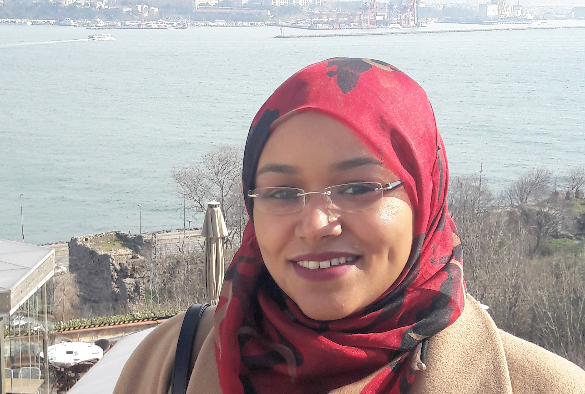
    Lamis Yahia Mohamed Elkheir stands as a beacon of resilience and determination in the scientific community, embodying the spirit of innovation and advocacy for equity in global health. With a background deeply rooted in molecular medicine and a fervent dedication to addressing neglected tropical diseases, Lamis has not only carved a distinguished path for herself but has also become a source of inspiration for aspiring scientists worldwide.

    Hailing from Sudan, Lamis’s academic journey began at the prestigious University of Khartoum, where she pursued a Master’s degree in molecular medicine from the Institute of Endemic Diseases. Her early years were marked by a fervent commitment to understanding the complexities of diseases that disproportionately affect marginalized communities. Lamis’s passion for making a tangible difference in healthcare led her to embark on a joint PhD program between the University of Khartoum and the University of Tours in France, specializing in medicinal chemistry.

    However, Lamis’s journey was not without its challenges. Amidst the turmoil of conflict in Sudan, she faced obstacles that could have deterred even the most determined individuals. Yet, Lamis’s resolve remained unshaken, fueled by her unwavering dedication to advancing scientific research for the betterment of society.

    It is in the face of adversity that Lamis’s remarkable resilience shines brightest. Despite a career hiatus induced by the war in Sudan, Lamis emerged stronger, more determined than ever to pursue her passion for neglected tropical disease research. Her decision to leverage data science methodologies as a means to rekindle this passion underscores her adaptability and innovative spirit, showcasing her willingness to embrace interdisciplinary approaches to tackle pressing global health challenges.

    In recognition of her outstanding contributions and unwavering commitment to bridging the gender gap in data science, Lamis was honored as the recipient of the prestigious Women in Data Science 2024 Scholarship. This annual award, bestowed by the University of Liverpool’s Computational Biology Facility (CBF), serves as a testament to Lamis’s exemplary achievements and her potential to catalyze transformative change in the field of data science.

    Through the scholarship, Lamis gains access to the CBF’s professional courses for a period of five years, providing her with invaluable opportunities for professional development and peer-to-peer support. Her selection as the scholarship winner not only acknowledges her individual accomplishments but also reflects the recognition of her role as a trailblazer for women in science, particularly those from conflict-affected regions.

    Lamis’s dedication extends beyond her academic pursuits, as she actively champions openness in science and science communication. Through her participation in programs such as the ASAPbio Fellows program, she seeks to advance her knowledge of preprints and promote their adoption within her community. Her steadfast commitment to promoting equity in accessibility to scientific knowledge underscores her belief in the transformative power of open science in driving global progress.

    As Lamis continues her journey as a pharmaceutical chemistry lecturer, researcher, and advocate for global health equity, her story serves as a powerful reminder of the indomitable human spirit and the boundless potential of science to effect positive change. With her passion, perseverance, and unwavering commitment to excellence, Lamis Yahia Mohamed Elkheir is poised to leave an indelible mark on the world of science, inspiring future generations to pursue their dreams and make a difference in the world.