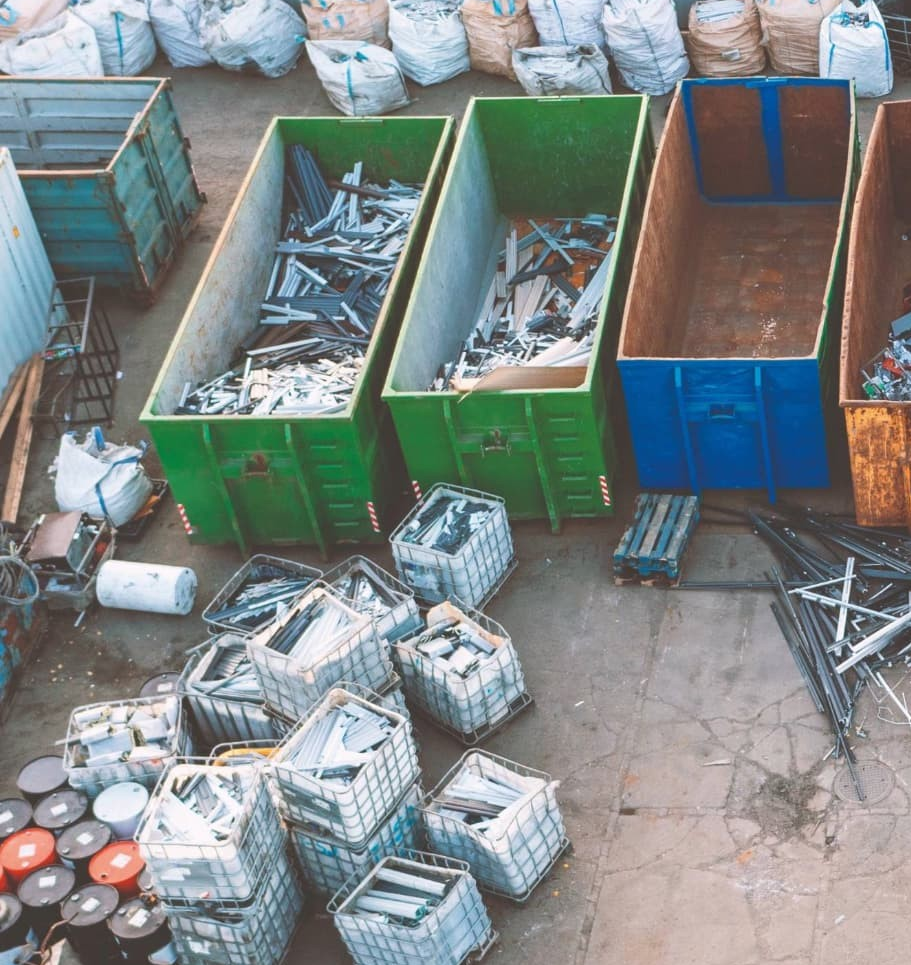
Illustrative Image: Healthcare Waste Management in Developing Countries: Challenges, Risks, and AI-Driven Solutions for a Safer Future
Image Source & Credit: OECD
Ownership and Usage Policy
A study by Raji, M. O., & Adeogun, A. G. (2024) titled “Healthcare waste management: An overview,” published in ABUAD Journal of Engineering Research and Development (AJERD), reveals that many developing countries face systemic challenges in HCWM, ranging from poor segregation practices and outdated disposal methods to inadequate training, limited equipment, and underfunded systems
“
Healthcare waste management in developing countries is dangerously inadequate, posing severe health and environmental risks that demand urgent systemic reform.
– Raji, M. O., & Adeogun, A. G. 2024
The study provides an in-depth exploration of how healthcare facilities—particularly in developing countries—handle their waste, spotlighting a critical but often overlooked public health issue. It examines global healthcare waste management (HCWM) practices by analyzing the types of waste generated, the handling process, the associated risks, and potential solutions. Healthcare waste is categorized into both solid (non-hazardous, infectious, and hazardous) and liquid forms (greywater, blackwater, stormwater). The study outlines the key stages of waste handling, including segregation, collection, transportation, treatment, and final disposal. Improper management at any of these stages poses serious environmental and health threats, such as air pollution from incinerators, contamination of water bodies, and the spread of infections due to needle-stick injuries or chemical exposure. The research highlights that many developing countries face systemic challenges in HCWM, ranging from poor segregation practices and outdated disposal methods to inadequate training, limited equipment, and underfunded systems. The COVID-19 pandemic further exacerbated these issues with a sharp rise in disposable personal protective equipment (PPE) waste. Beyond merely identifying these issues, the study offers forward-looking solutions. It advocates for the integration of Artificial Intelligence (AI) and Geographic Information Systems (GIS) to predict waste generation patterns and optimize the placement of treatment and disposal sites. Additionally, the application of statistical and machine learning models is recommended to forecast future healthcare waste trends, enabling better planning and resource allocation.
How the Study was Conducted
The research team conducted a comprehensive literature review, selecting studies from 2004 to 2023 across over 25 countries, analyzing both qualitative and quantitative data.
What the Authors Found
Healthcare waste management in many developing countries is critically inadequate—marked by poor segregation, unsafe disposal, and systemic neglect—posing serious health and environmental risks that demand urgent policy, education, and infrastructure reforms.
Why is this important
Severe Public Health Risks: Improperly managed healthcare waste spreads infectious diseases (HIV, Hepatitis B/C, typhoid) and causes injuries from sharps and contaminated materials, endangering healthcare workers and nearby communities.
Major Environmental Harm: Toxic emissions from outdated incinerators, contaminated water and soil from untreated dumping, and loss of recyclable resources due to poor segregation severely impact ecosystems.
Systemic Failures Undermine HCWM: Weak regulation, lack of staff training, poor motivation, and chronic shortages in infrastructure and equipment prevent effective waste management across many developing nations.
Pandemic Pressures Exacerbated Waste Crisis: COVID-19 led to a sharp rise in medical waste (e.g., PPE), overwhelming existing systems and highlighting the urgent need for scalable, sustainable HCWM solutions.
Global Relevance and Opportunity: Addressing HCWM aligns with key Sustainable Development Goals (SDGs 3, 6, and 12), and emerging technologies like AI and GIS offer promising tools—if adequately supported.
What the Authors Recommended
- The authors argue that management should provide regular, targeted training for healthcare workers and waste handlers, alongside community sensitization to promote safe waste practices.
- The study posits that the government should develop national manuals tailored to local environmental, financial, and cultural contexts, aligning with—but refining—global WHO standards.
- Enforce the use of labeled, color-coded bins (minimum of three categories) at all waste generation points to ensure safe and efficient sorting.
- Improve access to essential materials like PPE and liners, and invest in cleaner treatment technologies such as autoclaves to replace outdated incinerators.
- In addition, the author recommends implementing AI for waste prediction and GIS for real-time monitoring and site planning, supported by accurate record-keeping to inform policy and resource allocation.
In conclusion, effective healthcare waste management is not just an environmental necessity but a public health imperative—especially in developing nations where systemic failures pose grave risks. By investing in training, modern infrastructure, smart technologies like AI and GIS, and locally tailored policies, countries can turn this pressing challenge into a sustainable opportunity aligned with global health and environmental goals.