Tag: Generate 20 keywords from the text above separated by comma

  • Western Union Foundation Fellowship Program 2025

    Western Union Foundation Fellowship Program 2025


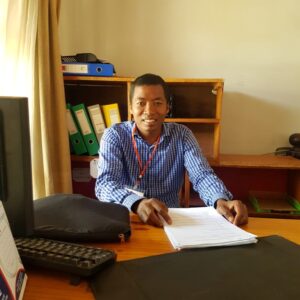
    Illustrative Image: Western Union Foundation Fellowship Program 2025
    Image Source & Credit: IIE
    Ownership and Usage Policy

    Overview

    The Western Union Foundation Fellowship Program 2025 is a prestigious, fully funded Impact Fellowship designed for innovative individuals who come from — or actively serve — refugee, marginalized, or forcibly displaced communities around the world. This dynamic and inclusive program is aimed at social entrepreneurs who are already driving change in their communities and are looking to scale their ventures to new heights.

    Through a high-impact curriculum supported by the Watson Institute, this fellowship equips participants with cutting-edge entrepreneurial tools, mentorship from global experts, and access to a powerful network of changemakers and funders. Whether you run a non-profit or a for-profit social venture, the program offers the structure and support to amplify your mission.

    About the Western Union Foundation

    The Western Union Foundation is the philanthropic arm of the Western Union Company. Operating independently as a charitable corporation, it is backed by contributions from the company’s employees, agents, consumers, and business partners. For over 20 years, the Foundation has worked globally to empower underserved populations through economic opportunity and education.

    Headquartered in Denver, Colorado, the foundation is led by a board of directors composed of senior Western Union executives and a dedicated team of grantmakers, fundraisers, and social impact professionals.

    Goals and Benefits of the Fellowship

    The fellowship is tailored to amplify your social venture’s reach and deepen its community impact. Key benefits include

    • Full funding for all program activities

    • Live online workshops three times a week

    • Mentorship from seasoned social entrepreneurs and thought leaders

    • A Community Development Stipend to support your local Basecamp project

    • An invitation to a Virtual Summit, where you’ll pitch your venture to an audience of global funders, leaders, and change agents

    • Long-term access to a supportive global network of Fellows and mentors

    Eligibility Criteria

    Entrepreneur Profile

    Applicants must have a personal or professional connection to a marginalized, refugee, or displaced community. Ideal candidates are actively working to improve the lives of such populations through innovative and sustainable solutions.

    Venture Stage

    Your organization (non-profit or for-profit) should already have a functioning business model and be actively serving a community in need. You should be at a stage where scaling your impact is your next strategic goal.

    Geographic Focus

    Applicants must be located in — or have active projects serving — the following countries:
    Costa Rica, Argentina, Lithuania, the Philippines, the United States, Brazil, Uganda, Nigeria, the United Kingdom, India, Bangladesh, Mexico, Germany, Colombia, Japan, and Pakistan.

    Program Timeline & Format

    • Program Dates: August 25 – December 16, 2025

    • Immersive Period: Begins August 25 with a 2-week intensive online experience

    • Weekly Commitment: 8–10 hours (includes 2-hour sessions every Tuesday, Wednesday, and Thursday, 8:30–10:30 AM MT / GMT-6)

    • Immersive Commitment: 10–15 hours per week during the virtual Immersive

    • Capstone Event: Virtual Summit on December 16, 2025

    Core Components

    • Interactive Virtual Workshops: Skill-building and collaboration sessions with your global cohort

    • Basecamp Project: You’ll design and lead a 1–3 day workshop in your own community, using program-provided resources

    • Mentorship & Community: Direct engagement with mentors and a global network of social innovators

    • Virtual Summit: Showcase your progress and pitch your venture to global stakeholders

    How to Apply

    If you are ready to grow your social impact venture and meet the eligibility criteria, visit the Watson Institute application portal to submit your application:
    Apply here via Watson Institute

    For further information and program updates, visit the Western Union Foundation website.
  • Combating Malaria and Schistosomiasis: Heroes, Strategies, and Innovations in West Africa

    Combating Malaria and Schistosomiasis: Heroes, Strategies, and Innovations in West Africa

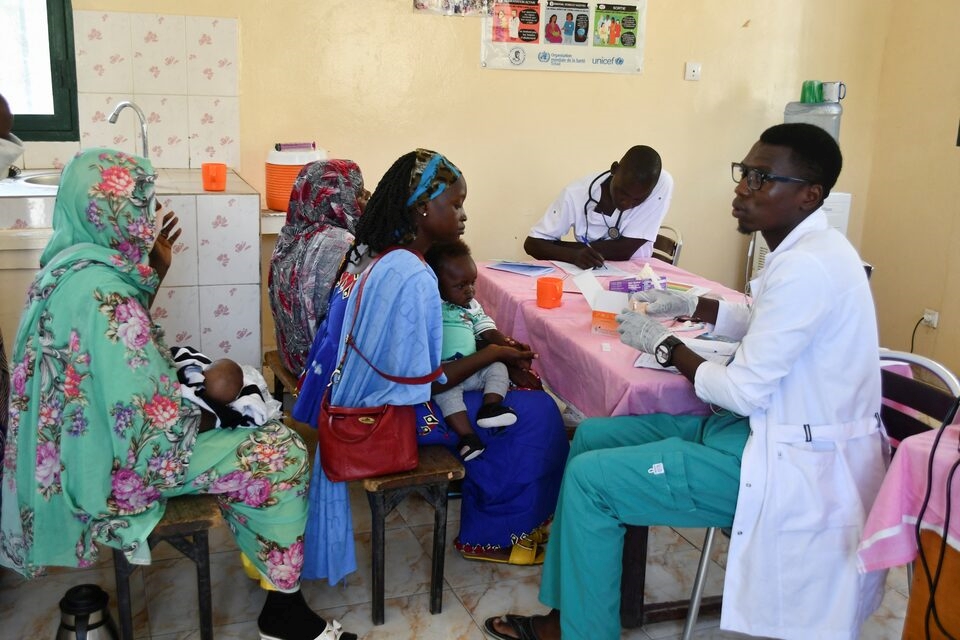
    Malaria and schistosomiasis, two of the most prevalent and deadly diseases in West Africa, are at the forefront of public health efforts in the region. Malaria, a preventable yet potentially fatal disease caused by parasites transmitted by mosquitoes, accounted for approximately 94% of global cases in the WHO African Region in 2022. Tragically, 78% of these deaths were children under the age of five. This dire situation has galvanized scientists and healthcare professionals to intensify their research and intervention strategies, with substantial support from the Special Programmed for Research and Training in Tropical Diseases (TDR).

    One notable figure in this battle is Dr. Mamy Andrianirina Rakotondratsara, a medical doctor and research technician at Madagascar’s National Institute of Public and Community Health (INSPC). Rakotondratsara, hailing from an endemic region in eastern Madagascar, was personally affected by malaria, having lost his older brother to the disease. This personal loss fueled his dedication to combating malaria through rigorous research and practical interventions.

    A Journey Fueled by Personal Loss and Academic Pursuits

    Rakotondratsara pursued his master’s in public health at the Cheikh Anta Diop University of Dakar (UCAD), supported by a TDR fellowship. During his studies, he completed TDR’s Massive Open Online Course (MOOC) on implementation research, which equipped him with the skills to design and conduct effective health interventions. His research focuses on the correlation between the frequency of malaria episodes and mosquito bed net coverage in Madagascar’s rural Anosibe An’Ala district. Although the results are pending, this study aims to provide actionable insights for improving malaria prevention strategies.

    Dr Mamy Andrianirina Rakotondratsara

    Illustrative Image: Dr Mamy Andrianirina Rakotondratsara
    Image Source & Credit: healthpolicy-watchnews
    Ownership and Usage Policy

    Training the Next Generation of Public Health Professionals

    The TDR global postgraduate training scheme plays a crucial role in building the capacity of public health professionals in West Africa. This program, co-sponsored by UNICEF, UNDP, WHO, and the World Bank, focuses on interdisciplinary research that addresses barriers and opportunities for better uptake of preventative and treatment methods. UCAD, along with the University of Sciences, Techniques and Technologies in Bamako, Mali, serves as a sub-regional training center for Francophone Africa, providing students with the skills needed to tackle infectious diseases.

    Rakotondratsara reflects on the transformative impact of the TDR training: “The TDR training allowed us to have a new vision of the health system. It changed my way of asking questions when faced with poor health indicators. Regarding my Master’s thesis, it gave me an idea of issues to be explored in the mosquito net distribution process, starting with the quantification of needs to end point use.” His experience has empowered him to integrate these insights into his work at INSPC and pursue further specialization in implementation research.

    Tackling Schistosomiasis: A Lesser-Known but Deadly Foe

    Schistosomiasis, also known as bilharzia, is the second most prevalent disease after malaria in Senegal and much of sub-Saharan Africa. Urogenital schistosomiasis, the most common form, can cause significant damage to the bladder, urethra, and kidneys. This parasitic disease thrives in tropical and subtropical regions with limited access to clean water, such as the Senegal River Basin.

    Dr. Oumy Kaltome Boh, a physician from Dakar, has dedicated her career to addressing the burden of neglected tropical diseases (NTDs) like schistosomiasis. Inspired by her desire to see these diseases eradicated by 2030, Boh pursued a Masters in Health Programme Management at UCAD and an International Inter-University Diploma in Emerging Infections. With a TDR grant, she conducted a study examining the lifestyle practices and environmental factors that facilitate schistosomiasis transmission in Senegal.

    Her study, in collaboration with Senegal’s national bilharziasis program, involved 287 children and assessed the effectiveness of praziquantel, the only available treatment for schistosomiasis. The results showed a 98% reduction in parasite eggs by day 21, demonstrating the drug’s efficacy. Now serving as the deputy chief medical officer in Saint-Louis, Senegal, Boh applies the skills she acquired through the TDR program to manage public health challenges, particularly for people living with HIV or tuberculosis.

    Embracing Innovative Approaches for Disease Control

    TDR-supported training programs are instrumental in introducing new health research and management approaches to West African students. Among these is the One Health approach, which examines disease emergence from a holistic, ecosystem-oriented perspective, considering the interconnected roles of humans, animals, plants, and microorganisms. This comprehensive approach is critical for addressing the complex factors that contribute to the spread of infectious diseases.

    By combining scientific rigor with strategic implementation training, TDR grants enable students to evaluate and enhance health interventions against poverty-related infectious diseases. These opportunities not only benefit the students but also contribute to the broader goal of achieving the Sustainable Development Goals (SDGs) by addressing the neglect of diseases that disproportionately affect vulnerable populations.

    This article is part of a series on TDR’s research capacity strengthening program, which aims to build the skills of public health researchers, implementers, health practitioners, and policymakers in the rapidly evolving field of implementation research. Through this program, TDR continues to empower the next generation of public health leaders in French-speaking Africa to make a lasting impact on the health of their communities.