Tag: functional food

  • Egusi Melon Seed Oil Improves Cholesterol and Heart Health: Study on Cardioprotective Benefits and Nutritional Potential

    Egusi Melon Seed Oil Improves Cholesterol and Heart Health: Study on Cardioprotective Benefits and Nutritional Potential


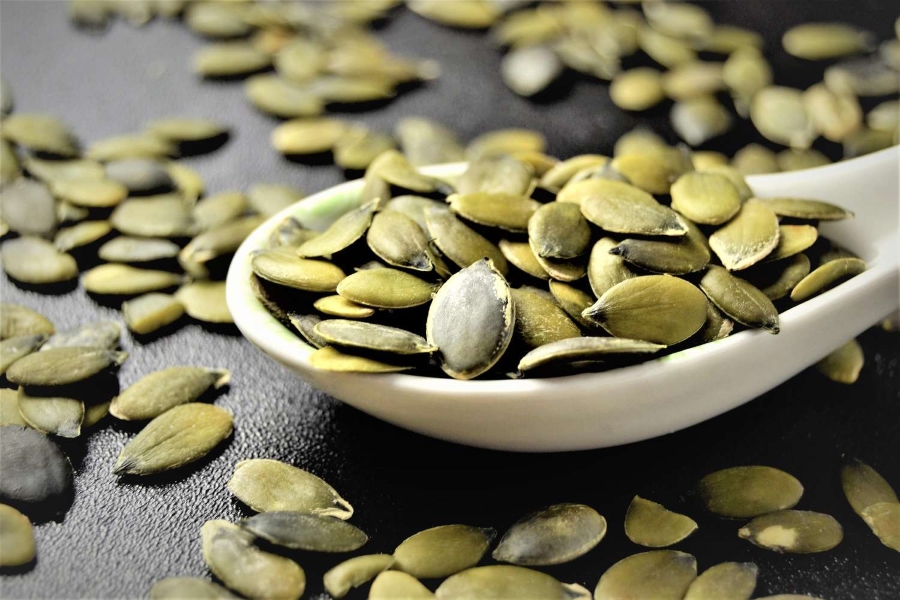
    Illustrative Image: Egusi Melon Seed Oil Improves Cholesterol and Heart Health: Study on Cardioprotective Benefits and Nutritional Potential
    Image Source & Credit: Health
    Ownership and Usage Policy

    A recent study by Omozuwa et al. (2025) titled “THE EFFECT OF MELON (Citrilus colocynthis) SEED OIL ON LIPID PROFILE AND HAEMATOLOGY INDICES IN WISTAR RAT” published in Open Journal of Bioscience Research reveals that Egusi melon seed oil produced a marked reduction in harmful blood lipids.

    Egusi melon seed oil significantly reduces total cholesterol, LDL, and triglycerides, offering cardioprotective benefits without affecting hematological health.
    -Omozuwa et al. 2025

    This study explored the impact of Egusi melon (Citrilus colocynthis) seed oil, a traditional West African ingredient, on lipid metabolism and blood health in Wistar rats. The authors aimed to determine how the oil influenced lipid profile markers—total cholesterol, triglycerides, low-density lipoprotein (LDL), and high-density lipoprotein (HDL)—as well as hematological indices such as red and white blood cells, hemoglobin, and platelets. The findings revealed that Egusi melon seed oil produced a marked reduction in harmful blood lipids. Specifically, it significantly lowered total cholesterol and showed the strongest LDL-lowering effect compared to all other groups, while also reducing triglyceride levels alongside olive oil. However, HDL levels remained unchanged across treatments. In contrast, hematological parameters were largely unaffected, suggesting the oil’s primary action is on lipid metabolism rather than blood cell function. These results highlight the cardioprotective potential of Egusi melon seed oil, positioning it as a natural dietary alternative for individuals at risk of cardiovascular disease or lipid metabolism disorders. Given its widespread use in West African cuisine, particularly in soups, the study provides scientific support for the traditional consumption of Egusi while uncovering possible therapeutic benefits beyond its culinary role.

    How the Study was Conducted

    The study employed a controlled animal experiment to investigate the effects of Egusi melon (Citrilus colocynthis) seed oil on lipid profile and hematological parameters. A total of 16 healthy Wistar rats were randomly assigned into four groups (A–D), with each group comprising four rats. The experimental period lasted 28 days, during which the animals received daily treatments. Group A served as the control and was given distilled water, while Group B received Egusi melon seed oil. For comparison, Group C was treated with palm oil (Elaeis guineensis), and Group D was administered olive oil (Olea europaea). All treatments were administered orally in carefully measured doses. At the end of the 28-day period, blood samples were collected from the animals via cardiac puncture under anesthesia. The samples were analyzed using standard biochemical and hematological assays to determine lipid profile parameters—total cholesterol, triglycerides, LDL, and HDL—as well as hematological indices including hemoglobin concentration, red blood cell count, white blood cell count, and platelet levels. This structured design allowed the researchers to directly compare the physiological effects of Egusi melon seed oil with those of commonly consumed oils and a control group.

    What the Authors Found

    The study demonstrated that Egusi melon seed oil (Citrilus colocynthis) exerted notable cardioprotective effects in Wistar rats by improving lipid profiles without adversely affecting blood health. Rats treated with Egusi oil showed significantly reduced total cholesterol and LDL (“bad” cholesterol) levels, with the strongest reduction observed in LDL compared to distilled water, palm oil, or olive oil groups. Triglyceride levels were also lowered, with Egusi oil proving more effective than olive oil. Meanwhile, HDL (“good” cholesterol) remained unchanged across all groups. Importantly, hematological parameters—including red and white blood cell counts, hemoglobin, and platelets—showed no significant differences, indicating that the oil did not impair blood function.

    These findings highlight Egusi melon seed oil as a promising natural agent for cholesterol management and cardiovascular protection. Beyond its culinary role in West African diets, it may hold therapeutic potential in supporting heart health through improved lipid metabolism.

    Why is this important

    Cultural and Scientific Bridge
    Egusi melon seeds, a staple in West African cuisine, are now scientifically validated as a potential functional food, showing benefits that extend beyond their traditional culinary value.

    Cardiovascular Benefits
    Egusi oil significantly lowers LDL cholesterol and triglycerides, positioning it as a natural, accessible option for supporting heart health and reducing cardiovascular risk.

    Public Health Relevance
    As a healthier alternative to palm oil, Egusi oil could play a role in preventing or managing lipid disorders, particularly in low-resource settings where affordable dietary interventions are critical.

    Scientific Advancement
    The study contributes to research on functional foods, highlighting the need to investigate Egusi oil’s bioactive compounds and its potential applications in therapeutic nutrition and supplements.

    What the Authors Recommended

    • The authors emphasize conducting larger studies, including human trials, to confirm the lipid-lowering and cardioprotective effects of Egusi melon seed oil and clarify its underlying biochemical mechanisms.
    • The study advocates positioning egusi oil as a functional food or nutraceutical, particularly in regions with high cardiovascular disease burdens and limited access to conventional therapies.
    • In addition, compare egusi oil with other plant-based oils and explore its application in heart-healthy food products, dietary guidelines, and global wellness markets, while elevating indigenous crops.

    In conclusion, the study by Omozuwa et al. (2025) provides compelling evidence that Egusi melon seed oil offers significant cardioprotective benefits by lowering harmful blood lipids without negatively impacting hematological health. Its demonstrated ability to reduce total cholesterol, LDL, and triglycerides underscores its potential as a functional food and natural alternative for managing cardiovascular risk. Rooted in West African tradition yet supported by modern science, Egusi oil bridges cultural heritage with therapeutic promise, warranting further exploration in larger studies and human trials to unlock its full role in nutrition, wellness, and global health.
  • Health Benefits of African Yam Bean: Enhancing Liver, Kidney, and Antioxidant Functions – Insights from Wistar Rat Study

    Health Benefits of African Yam Bean: Enhancing Liver, Kidney, and Antioxidant Functions – Insights from Wistar Rat Study

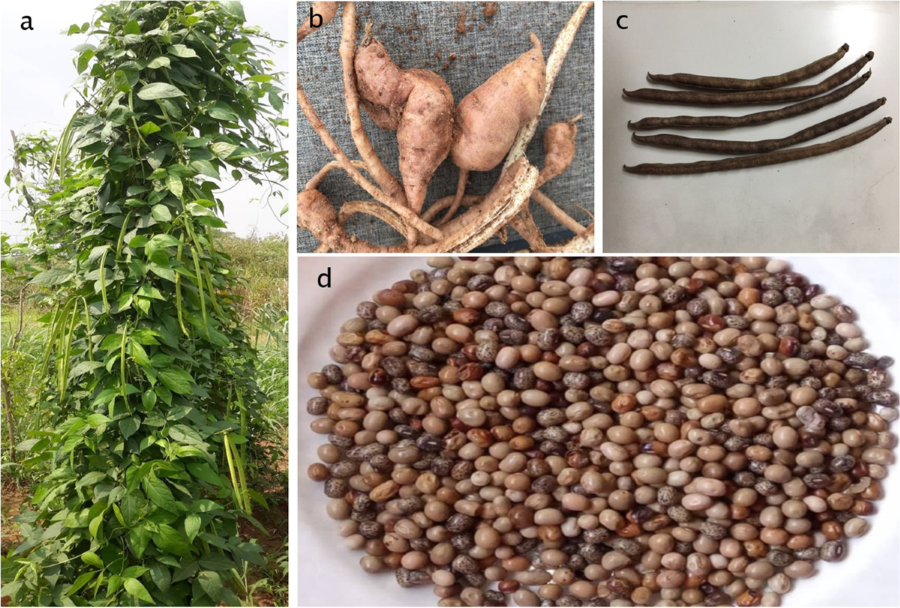
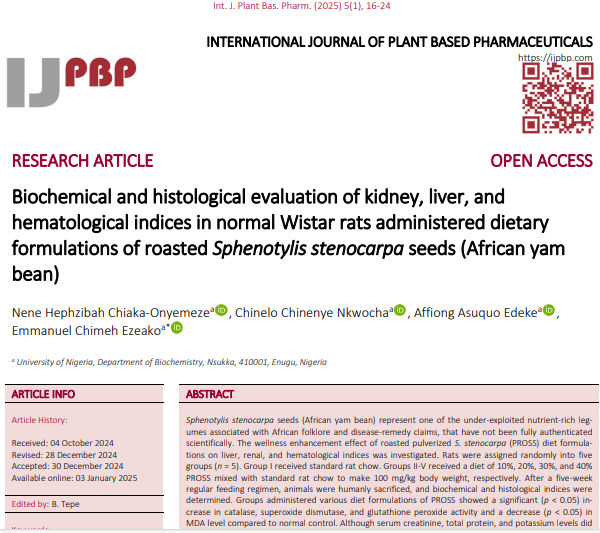
    A recent study by Chiaka-Onyemeze et al. (2025) titled “Biochemical and histological evaluation of kidney, liver, and hematological indices in normal Wistar rats administered dietary formulations of roasted Sphenotylis stenocarpa seeds (African yam bean)” published in the International Journal of Plant-Based Pharmaceuticals reveals that moderate consumption of roasted Sphenostylis stenocarpa seeds (African yam bean) enhances hepatic and renal well-being in Wistar rats.

    Moderate consumption of roasted African yam bean seeds enhances liver and kidney health, boosts antioxidants, and reduces oxidative stress. – Chiaka-Onyemeze et al. 2025

    The study explores the biochemical and histological impact of dietary formulations containing roasted Sphenostylis stenocarpa seeds, commonly known as African yam beans, on kidney and liver functions, as well as hematological parameters in healthy Wistar rats. The findings reveal that moderate consumption of these seeds promotes hepatic and renal health by significantly enhancing antioxidant enzyme activity and improving blood health markers. Additionally, the research highlights a notable reduction in lipid peroxidation and oxidative stress, which are linked to various chronic conditions. These results suggest that African yam beans may serve as a functional food ingredient with potential benefits in managing lifestyle diseases such as hypertension and diabetes, offering a natural approach to improving overall health and preventing oxidative damage.

    How the Study was Conducted

    The study was conducted using a variety of methods to evaluate the effects of roasted Sphenostylis stenocarpa seeds (African yam bean) on kidney, liver, and hematological indices in Wistar rats. Fresh seeds of S. stenocarpa were collected from a farm in Orba village, Enugu, Nigeria. The seeds were roasted at about 300°C for an hour, then pulverized into fine particles. Twenty-five Wistar rats were used in the study. They were acclimatized for fourteen days under optimal conditions and then randomly assigned into five groups of five rats each. The rats were fed different diet formulations of roasted S. stenocarpa seeds mixed with standard rat chow at specified ratios (10%, 20%, 30%, and 40%) for five weeks. Blood samples were collected for hematological analysis using a Sysmex KX-21N hematology analyzer. Liver function markers, lipid profile indices, and kidney function parameters were determined using a Roche Cobas 6000 biochemistry analyzer. Liver and kidney tissues were excised, fixed in 10% buffered formalin, and processed for histological examination. Photomicrographs were captured to assess the state of the liver and kidney tissues. Data were analyzed using one-way and two-way analysis of variance (ANOVA) with the SPSS tool. The significance level was set at p = 0.05.

    What the Authors Found

    The authors found that moderate consumption of roasted Sphenostylis stenocarpa seeds (African yam bean) enhances hepatic and renal well-being in Wistar rats. The study posits that there was a significant increase in the activity of catalase, superoxide dismutase, and glutathione peroxidase in the liver, indicating enhanced antioxidant defense mechanisms. The level of malondialdehyde (MDA), a marker of lipid peroxidation, decreased significantly, suggesting reduced oxidative stress.

    Why is this important?

    Nutritional Value: The African yam bean is an underutilized legume with high nutritional value. The study highlights its potential as a dietary component that can enhance liver and kidney health, improve antioxidant enzyme activity, and boost hematological indices.

    Health Benefits: The findings suggest that moderate consumption of roasted Sphenostylis stenocarpa seeds can help manage conditions like hypertension and diabetes by improving lipid profiles and reducing oxidative stress.

    Scientific Validation: The study provides scientific validation for the traditional use of African yam bean in African folklore as a remedy for various diseases. This can lead to increased acceptance and utilization of this legume in modern diets.

    Food Security: By promoting the use of underutilized legumes like the African yam bean, the study contributes to food security, especially in regions plagued by food insecurity. It offers an affordable and nutritious food source that can help combat malnutrition.

    Future Research: The study opens avenues for further research into the long-term effects of consuming roasted African yam bean seeds and their potential benefits for human health.

    What the Authors Recommended

    • The authors suggest incorporating roasted African yam bean seeds into the diet to enhance hepatic and renal well-being, improve antioxidant enzyme activity, and boost hematological indices.
    • The authors highlight the potential of these seeds in managing conditions like hypertension and diabetes, given their ability to improve lipid profiles and reduce oxidative stress.
    • The study recommends further research to assess the long-term effects of consuming roasted African yam bean seeds, especially in individuals with hypertension, diabetes, or renal impairment.
    • The authors emphasize the importance of careful dietary recommendations, particularly regarding sodium and chloride levels, to avoid potential risks such as electrolyte imbalances.
    • The study advocates for increased awareness and utilization of underutilized legumes like the African yam bean to promote food security and combat malnutrition.

    In conclusion, the study by Chiaka-Onyemeze et al. underscores the significant health benefits of roasted Sphenostylis stenocarpa seeds (African yam bean), particularly in enhancing hepatic and renal functions while reducing oxidative stress and improving hematological indices. These findings not only validate the traditional use of this underutilized legume but also highlight its potential as a functional food ingredient for managing chronic conditions such as hypertension and diabetes. By promoting the dietary incorporation of African yam beans, this research contributes to food security, nutritional diversity, and the global fight against malnutrition, paving the way for further studies to explore its long-term effects on human health.

  • January 2025: Paper of the Month by Chiaka-Onyemeze et al. 2025 – African Yam Bean Benefits: Study Reveals Hepatic and Renal Health Boost in Wistar Rats

    January 2025: Paper of the Month by Chiaka-Onyemeze et al. 2025 – African Yam Bean Benefits: Study Reveals Hepatic and Renal Health Boost in Wistar Rats

    African Researchers AwardJanuary 2025: Paper of the Month by Chiaka-Onyemeze et al. 2025 – African Yam Bean Benefits: Study Reveals Hepatic and Renal Health Boost in Wistar Rats

    A recent study by Chiaka-Onyemeze et al. (2025) titled “Biochemical and histological evaluation of kidney, liver, and hematological indices in normal Wistar rats administered dietary formulations of roasted Sphenotylis stenocarpa seeds (African yam bean)” published in the International Journal of Plant-Based Pharmaceuticals reveals that moderate consumption of roasted Sphenostylis stenocarpa seeds (African yam bean) enhances hepatic and renal well-being in Wistar rats.

    Moderate consumption of roasted African yam bean seeds enhances liver and kidney health, boosts antioxidants, and reduces oxidative stress. – Chiaka-Onyemeze et al. 2025

    The study explores the biochemical and histological impact of dietary formulations containing roasted Sphenostylis stenocarpa seeds, commonly known as African yam beans, on kidney and liver functions, as well as hematological parameters in healthy Wistar rats. The findings reveal that moderate consumption of these seeds promotes hepatic and renal health by significantly enhancing antioxidant enzyme activity and improving blood health markers. Additionally, the research highlights a notable reduction in lipid peroxidation and oxidative stress, which are linked to various chronic conditions. These results suggest that African yam beans may serve as a functional food ingredient with potential benefits in managing lifestyle diseases such as hypertension and diabetes, offering a natural approach to improving overall health and preventing oxidative damage.

    How the Study was Conducted

    The study was conducted using a variety of methods to evaluate the effects of roasted Sphenostylis stenocarpa seeds (African yam bean) on kidney, liver, and hematological indices in Wistar rats. Fresh seeds of S. stenocarpa were collected from a farm in Orba village, Enugu, Nigeria. The seeds were roasted at about 300°C for an hour, then pulverized into fine particles. Twenty-five Wistar rats were used in the study. They were acclimatized for fourteen days under optimal conditions and then randomly assigned into five groups of five rats each. The rats were fed different diet formulations of roasted S. stenocarpa seeds mixed with standard rat chow at specified ratios (10%, 20%, 30%, and 40%) for five weeks. Blood samples were collected for hematological analysis using a Sysmex KX-21N hematology analyzer. Liver function markers, lipid profile indices, and kidney function parameters were determined using a Roche Cobas 6000 biochemistry analyzer. Liver and kidney tissues were excised, fixed in 10% buffered formalin, and processed for histological examination. Photomicrographs were captured to assess the state of the liver and kidney tissues. Data were analyzed using one-way and two-way analysis of variance (ANOVA) with the SPSS tool. The significance level was set at p = 0.05.

    What the Authors Found

    The authors found that moderate consumption of roasted Sphenostylis stenocarpa seeds (African yam bean) enhances hepatic and renal well-being in Wistar rats. The study posits that there was a significant increase in the activity of catalase, superoxide dismutase, and glutathione peroxidase in the liver, indicating enhanced antioxidant defense mechanisms. The level of malondialdehyde (MDA), a marker of lipid peroxidation, decreased significantly, suggesting reduced oxidative stress.

    Why is this important?

    Nutritional Value: The African yam bean is an underutilized legume with high nutritional value. The study highlights its potential as a dietary component that can enhance liver and kidney health, improve antioxidant enzyme activity, and boost hematological indices.

    Health Benefits: The findings suggest that moderate consumption of roasted Sphenostylis stenocarpa seeds can help manage conditions like hypertension and diabetes by improving lipid profiles and reducing oxidative stress.

    Scientific Validation: The study provides scientific validation for the traditional use of African yam bean in African folklore as a remedy for various diseases. This can lead to increased acceptance and utilization of this legume in modern diets.

    Food Security: By promoting the use of underutilized legumes like the African yam bean, the study contributes to food security, especially in regions plagued by food insecurity. It offers an affordable and nutritious food source that can help combat malnutrition.

    Future Research: The study opens avenues for further research into the long-term effects of consuming roasted African yam bean seeds and their potential benefits for human health.

    What the Authors Recommended

    • The authors suggest incorporating roasted African yam bean seeds into the diet to enhance hepatic and renal well-being, improve antioxidant enzyme activity, and boost hematological indices.
    • The authors highlight the potential of these seeds in managing conditions like hypertension and diabetes, given their ability to improve lipid profiles and reduce oxidative stress.
    • The study recommends further research to assess the long-term effects of consuming roasted African yam bean seeds, especially in individuals with hypertension, diabetes, or renal impairment.
    • The authors emphasize the importance of careful dietary recommendations, particularly regarding sodium and chloride levels, to avoid potential risks such as electrolyte imbalances.
    • The study advocates for increased awareness and utilization of underutilized legumes like the African yam bean to promote food security and combat malnutrition.

    In conclusion, the study by Chiaka-Onyemeze et al. underscores the significant health benefits of roasted Sphenostylis stenocarpa seeds (African yam bean), particularly in enhancing hepatic and renal functions while reducing oxidative stress and improving hematological indices. These findings not only validate the traditional use of this underutilized legume but also highlight its potential as a functional food ingredient for managing chronic conditions such as hypertension and diabetes. By promoting the dietary incorporation of African yam beans, this research contributes to food security, nutritional diversity, and the global fight against malnutrition, paving the way for further studies to explore its long-term effects on human health.