Tag: food safety

  • GMOs in Africa: Addressing Food Security, Safety, and Sustainability Amid Growing Challenges

    GMOs in Africa: Addressing Food Security, Safety, and Sustainability Amid Growing Challenges

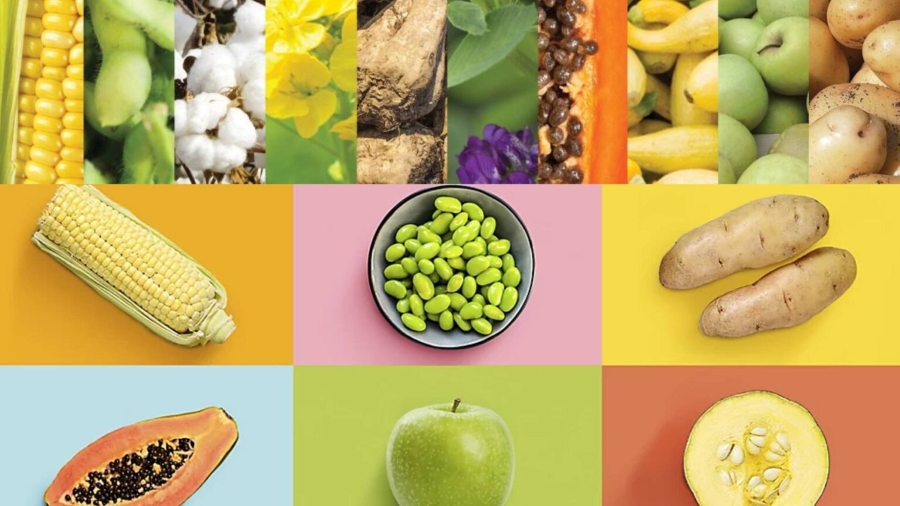
    A study by Gbashi, et al. (2021) titled “Food safety, food security and genetically modified organisms in Africa: a current perspective” published in the Biotechnology and Genetic Engineering Reviews by Taylor & Francis shows that Genetically Modified Organisms (GMOs) offer opportunities to improve crop yields, resistance to pests, and nutritional quality, which can help address food insecurity.

    GMOs offer promising solutions for improving food security in Africa, yet adoption remains cautious due to safety concerns.-Gbashi, et al. 2021

    This article delves into the pressing challenges of food safety and security in Africa, with a particular focus on the potential role of genetically modified organisms (GMOs) in addressing these issues. Africa is grappling with severe food insecurity, driven by multiple complex factors, including widespread poverty, the impacts of climate change, and rapid population growth, which together threaten the region’s ability to achieve stable food supplies. The COVID-19 pandemic has compounded these challenges by disrupting food supply chains, reducing household incomes, and limiting access to essential resources, intensifying hunger and malnutrition across the continent. In this context, GMOs present a promising yet controversial solution. By enabling crops with higher yields, enhanced resistance to pests and diseases, and improved nutrient profiles, genetically modified crops could play a critical role in combating food insecurity and addressing malnutrition. For example, pest-resistant GMO varieties can reduce the need for chemical pesticides, potentially lowering production costs and environmental impacts, while nutrient-fortified GMOs can help address deficiencies in key vitamins and minerals, particularly in vulnerable populations. Despite these potential benefits, the adoption of GMOs in Africa remains cautious and gradual. Concerns around GMO safety, environmental impacts, and the potential influence of multinational corporations have led to varied opinions among policymakers, farmers, and the public. While some stakeholders argue that GMOs can be part of a sustainable solution to food insecurity, others worry about potential health risks and the loss of traditional farming practices. Consequently, the path toward integrating GMOs into African agriculture is complex, requiring careful consideration of both the scientific evidence and the socioeconomic context.

    How the Study was Conducted

    The study on food safety and security challenges in Africa, particularly focusing on GMOs, was conducted through a comprehensive review of existing literature and data. The researchers analyzed various sources, including scientific journals, policy documents, and reports from international organizations. They also considered case studies from different African countries to understand the practical implications and outcomes of GMO adoption.

    What the Authors Found

    The authors found that Africa faces significant food security challenges, with 20% of its population undernourished. Factors include poverty, climate change, and conflicts. The study also found that Genetically Modified Organisms (GMOs) offer opportunities to improve crop yields, resistance to pests, and nutritional quality, which can help address food insecurity. Despite the benefits, the adoption of GMOs in Africa has been slow due to safety concerns and contrasting views.

    Why is this important?

    Food Security: With a significant portion of Africa’s population facing hunger and malnutrition, finding sustainable solutions like GMOs can help improve food availability and quality.
    Economic Impact: Enhancing agricultural productivity through GMOs can boost the economy by increasing farmers’ incomes and reducing reliance on food imports.
    Environmental Benefits: GMOs can reduce the need for chemical pesticides and fertilizers, leading to more sustainable farming practices and less environmental degradation.
    Health Improvements: By enhancing the nutritional content of crops, GMOs can help combat nutrient deficiencies and improve overall public health.
    Policy Development: The study’s recommendations can guide policymakers in creating supportive frameworks for the safe and effective adoption of GMOs, ensuring that the benefits are maximized while addressing safety concerns.

    What the Authors Recommended

    • The authors advocate implementing consistent and effective biosafety regulations across African countries to ensure the safe use of GMOs.
    • The authors emphasize developing policies that encourage the adoption of GMOs while addressing safety concerns and public perceptions and investing in research and development, as well as training for farmers and stakeholders, to effectively utilize GMO technology.
    • In addition, the authors emphasize encouraging collaboration between governments, international organizations, and the private sector to support GMO initiatives and share best practices.

    In conclusion, while genetically modified organisms hold significant potential to address Africa’s food security and nutritional challenges, the path forward demands careful consideration. By implementing robust biosafety regulations, fostering collaboration between key stakeholders, and prioritizing public education, African countries can maximize the benefits of GMOs while addressing public concerns. Through balanced and informed policy decisions, GMOs could serve as a sustainable and transformative tool in the fight against hunger, malnutrition, and economic instability across the continent.
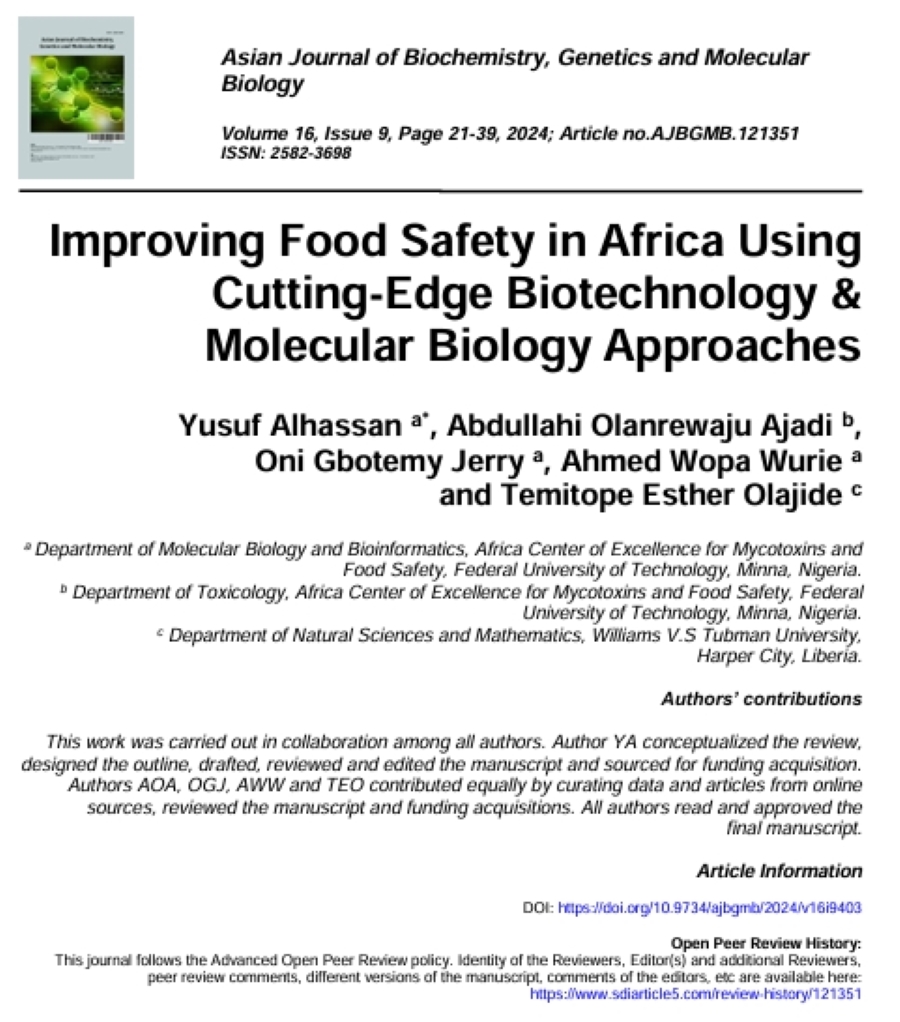

  • October 2024: Paper of the Month by Alhassan et al., 2024-Enhancing Food Safety in Africa: How Biotechnology & Molecular Biology Are Revolutionizing Contaminant Detection and Food Processing

    October 2024: Paper of the Month by Alhassan et al., 2024-Enhancing Food Safety in Africa: How Biotechnology & Molecular Biology Are Revolutionizing Contaminant Detection and Food Processing

    African Researchers AwardOctober 2024: Paper of the Month by Alhassan et al., 2024-Enhancing Food Safety in Africa: How Biotechnology & Molecular Biology Are Revolutionizing Contaminant Detection and Food Processing

    A recent study by Alhassan et al. (2024) titled “Improving Food Safety in Africa Using Cutting-Edge Biotechnology & Molecular Biology Approaches” published in the Asian Journal of Biochemistry, Genetics, and Molecular Biology, shows that advanced biotechnology and molecular biology techniques, such as whole genome sequencing and CRISPR systems, can enhance food safety by rapidly detecting contaminants and improving food processing.

    Advanced biotechnology techniques, like whole genome sequencing and CRISPR, can significantly improve food safety in Africa.– Alhassan et al. 2024

    The article highlights the significant health and economic challenges posed by foodborne diseases and African contamination, affecting millions annually. It explores advanced biotechnology and molecular biology approaches, such as whole genome sequencing, CRISPR systems, and foodomics, to enhance food safety through rapid detection of contaminants and improved food processing. Integrating these cutting-edge techniques can mitigate risks associated with foodborne pathogens, reduce post-harvest losses, and ensure safe, nutritious food production.

    How the Study was Conducted

    The authors curated data and articles from online sources to gather relevant information on food safety in Africa. The study utilized advanced molecular biology techniques such as whole genome sequencing (WGS), next-generation sequencing (NGS), foodomics, and CRISPR systems to detect foodborne pathogens and contaminants. The work was carried out in collaboration among all authors, with contributions to data curation, manuscript review, and funding acquisition. The study involved reviewing existing literature and analyzing the potential of biotechnological methods to improve food safety and processing in Africa.

    What the Authors Found

    The author found that Africa faces significant challenges with foodborne diseases, contributing to numerous health and economic issues. In addition, advanced biotechnology and molecular biology techniques, such as whole genome sequencing and CRISPR systems, can enhance food safety by rapidly detecting contaminants and improving food processing.

    Why is this important?

    Health Impact: Foodborne diseases are a major health concern in Africa, causing numerous illnesses and deaths. By using advanced biotechnology and molecular biology techniques, the study aims to reduce the prevalence of these diseases.
    Economic Benefits: Food contamination leads to substantial economic losses due to healthcare costs and reduced productivity. Improving food safety can help mitigate these losses and boost the economy.
    Global Standards: Aligning Africa’s food safety practices with global standards ensures that food products are safe for consumption and can be traded internationally, enhancing market opportunities.
    Innovation and Technology: The study promotes the use of cutting-edge technologies like whole genome sequencing and CRISPR systems, which can revolutionize food safety practices and lead to more efficient and effective solutions.
    Sustainability: Reducing post-harvest losses and ensuring the production of safe, nutritious food contributes to food security and sustainability, which are critical for the well-being of the population.

    What the Authors Recommend

    • The authors emphasize the need for widespread adoption of biotechnology and molecular biology techniques, such as whole genome sequencing, next-generation sequencing, foodomics, and CRISPR systems, to enhance the detection and control of foodborne pathogens.
    • The authors suggest investing in training and capacity building for local scientists and food safety professionals to effectively use these advanced technologies.
    • Strengthening policy and regulatory frameworks to support the implementation of these technologies and ensure compliance with global food safety standards.
    • Furthermore, it encourages collaboration between governments, research institutions, and the private sector to foster innovation and share best practices in food safety.
    • In addition, the study emphasizes raising public awareness about food safety issues and the benefits of using advanced technologies to ensure safe and nutritious food.

    In conclusion, the study by Alhassan et al. highlights the transformative potential of advanced biotechnology and molecular biology techniques in improving food safety across Africa. By leveraging tools like whole genome sequencing, CRISPR systems, and foodomics, the continent can not only address the significant health and economic challenges posed by foodborne diseases but also align with global standards and enhance food security. To fully realize these benefits, investments in training, innovation, regulatory support, and public awareness are essential, fostering a safer, more sustainable food production system for the future.

  • New IITA-CGIAR and China Agriculture University Partnership Boosts African Agricultural Innovation, Trade, and Development

    New IITA-CGIAR and China Agriculture University Partnership Boosts African Agricultural Innovation, Trade, and Development

    In a significant development aimed at fostering agricultural research and trade collaboration between Africa and China, the International Institute of Tropical Agriculture (IITA-CGIAR) and China Agriculture University (CAU) have forged a new partnership. From 28 August to 1 September 2024, a Chinese delegation led by IITA Board member Dr. Fan Shenggen visited the IITA-CGIAR headquarters to explore avenues for joint research, agricultural development, and innovation across the African continent. The visit marked an important step toward strengthening ties between China and Africa in key areas like climate-smart agriculture, mechanization, and trade.

    During the week-long visit, IITA Director General and CGIAR Regional Director for Continental Africa, Dr. Simeon Ehui, welcomed the delegation, which comprised both academic and research experts. Dr. Ehui emphasized the importance of learning from China’s advancements in agricultural technology and expressed optimism about the opportunities this partnership would create. He stated, “There is so much Africa can learn from China. With this partnership, we can explore many opportunities like staff exchange, student exchange, research collaboration, and more.” The visit also involved IITA research scientists and management staff, who engaged in productive discussions on various collaboration fronts.

    Dr. Fan Shenggen underscored the Chinese government’s commitment to supporting agricultural development in Africa, particularly through academic research and technology transfer. “We are excited about forging collaborations with IITA in the area of breeding and research, especially in academics. We are also keen on nutrition and climate-smart agriculture,” he stated. These collaborations aim to enhance the resilience of African agriculture in the face of climate change and other pressing challenges.

    Several key areas of collaboration were highlighted during the discussions, including academic exchange programs for young researchers, small-scale mechanization to improve agricultural productivity, and digital data collection to facilitate precision agriculture. These initiatives will allow Africa and China to share knowledge and expertise, creating a mutually beneficial relationship that fosters innovation.

    One of the most critical points raised was the need for enhanced trade relations, particularly addressing issues that hinder Africa’s agricultural exports. The teams discussed trade analysis and how factors like aflatoxin contamination have negatively impacted the export of crops such as maize and groundnuts, resulting in reduced incomes for African farmers. Aflatoxin is a naturally occurring toxin produced by certain molds that can grow on food crops, and its presence in crops has been a significant barrier to accessing global markets. By leveraging IITA’s research capacity, the partnership seeks to tackle such barriers and boost trade opportunities for African farmers.

    To address these issues, both parties proposed the establishment of dedicated export zones in Nigeria, which would focus on improving the quality and safety of agricultural produce for international markets. These zones could significantly enhance the livelihoods of local farmers by providing them with better access to global markets while ensuring that their products meet international quality standards.

    The delegation also identified the importance of empowering youth by improving their access to agricultural technologies and innovations. One way to achieve this is through data collection for nutrition surveys, leveraging IITA’s expertise to enhance the nutritional quality of food systems in Africa. The focus on youth engagement in agricultural development reflects the need to equip the next generation of farmers and researchers with the tools and skills necessary to lead Africa’s agricultural transformation.

    Both teams committed to setting clear goals and timelines for implementing the initiatives discussed. Actionable plans were drawn up, with milestones to measure progress and deliverables to ensure accountability. Future meetings in China and other CGIAR Centers in Africa were also proposed to further strengthen this partnership and expand its scope.

    In summary, this new collaboration between IITA-CGIAR and China Agriculture University has the potential to transform African agriculture by combining China’s technological advancements and Africa’s rich agricultural resources. By focusing on areas such as climate-smart agriculture, mechanization, trade enhancement, and youth empowerment, the partnership aims to foster sustainable agricultural development across the continent.

  • Livestock Disease Control in Southeast Nigeria: Key Challenges and Innovative Solutions for Biosecurity and Food Security

    Livestock Disease Control in Southeast Nigeria: Key Challenges and Innovative Solutions for Biosecurity and Food Security

    A recent study by Ikeogu, et al., (2024) titled “Prevalent Livestock Diseases in South East Nigeria and their Control Measures: A Review” published in e-Proceedings of the Faculty of Agriculture International Conference show that underreporting and inaccurate disease identification are significant challenges.

    Underreporting and inadequate diagnostic resources hinder effective livestock disease control in Southeast Nigeria, highlighting the need for improved biosecurity and digital surveillance.– Ikeogu, et al., (2024)

    In a recent study presented at the Second Faculty of Agriculture International Conference at Nnamdi Azikiwe University in Nigeria, researchers explored the intersection of digitalization, bio-conservation, and food security in the context of agriculture. The study provided critical insights into the state of livestock diseases in Southeast Nigeria, public health concerns, and innovative recommendations for improving disease control and food security through digital technologies. The study examined common livestock diseases in the region, analyzing their economic impact and implications for public health. It also reviewed current control measures and highlighted areas for improvement. The authors explore the role of digital technologies in agriculture, emphasizing their potential to improve food security and bio-conservation. This theme underlines the importance of modern technology in tracking and managing livestock health. The study addressed zoonotic diseases—illnesses that can be transmitted from animals to humans—and their public health implications. It stressed the need for robust disease surveillance and reporting systems to prevent outbreaks and protect community health.

    How the Study was Conducted

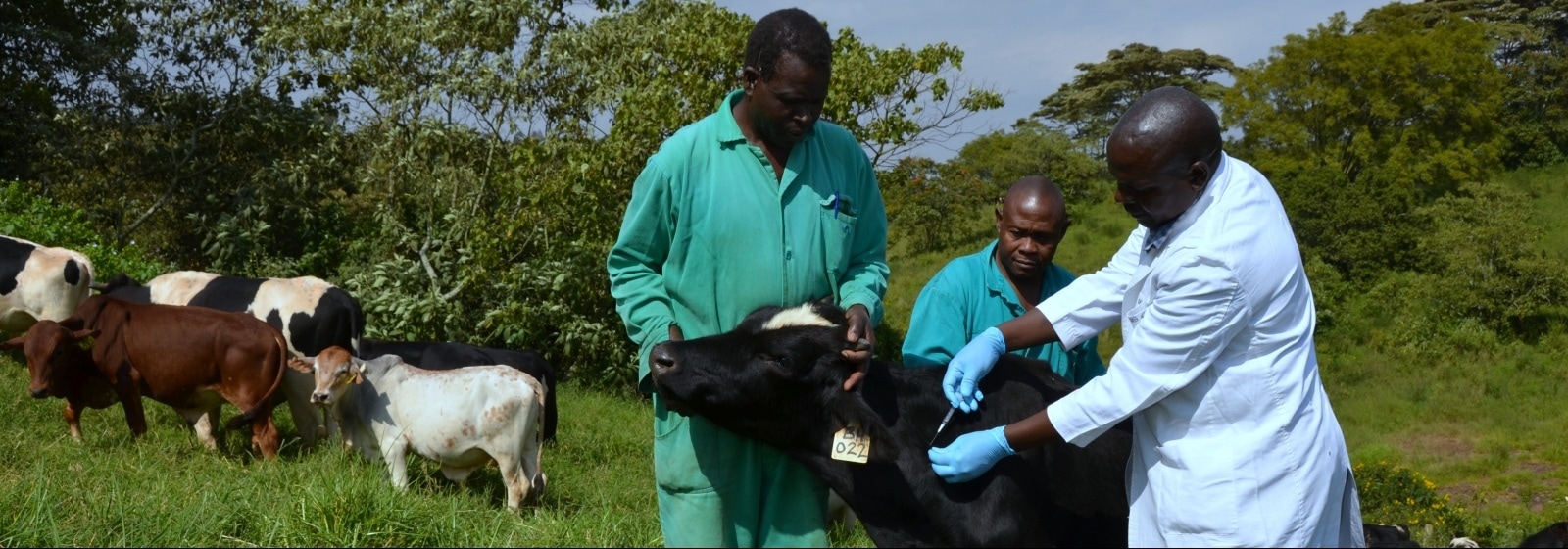
    The study evaluated livestock diseases prevalent in Southeast Nigeria based on data collected from January 2010 to June 2023 from the epidemiology unit of the Federal Department of Veterinary and Pest Control Services, Federal Ministry of Agriculture and Rural Development Abuja, Nigeria. The study reviewed notifiable diseases reported by the Nigeria Center for Disease Control through its Integrated Disease Surveillance and Response System (IDSR), which are known to be zoonotic. The authors discussed control programs that included biosecurity measures, disease surveillance in flocks and farms, seromonitoring of animals, routine vaccination, accurate diagnosis and treatment of sick animals, and stamping out flocks once a disease is detected.

    What the Authors Found

    The study found that underreporting and inaccurate disease identification are significant challenges. These issues are compounded by a lack of adequate veterinary diagnostic facilities and resources. This makes it difficult to assess the full extent of disease prevalence and economic impact. In addition, the authors found that livestock diseases have a substantial economic impact due to reduced productivity, loss of income, and increased production costs. Addressing these diseases is crucial for sustaining the economic viability of the livestock industry.

    Why is this Important

    Livestock Health and Welfare: Understanding the prevalence of diseases helps improve the health and welfare of livestock. By identifying common diseases, farmers and veterinarians can take preventive measures and provide timely treatment to reduce suffering and mortality.
    Economic Impact: Livestock diseases can have a substantial economic impact. They lead to reduced productivity, loss of income, and increased production costs. By addressing prevalent diseases, the livestock industry can enhance its economic viability.
    Public Health: Some of these diseases are zoonotic, meaning they can be transmitted from animals to humans. By controlling livestock diseases, we also mitigate the risk of human infections. For instance, Tuberculosis and Brucellosis are zoonotic diseases mentioned in the study.
    Food Security: Livestock contributes significantly to food security. Ensuring healthy livestock populations is crucial for meeting protein demands and sustaining food availability.
    Policy and Management: Policymakers can use this information to formulate effective disease control strategies. Recommendations such as improving diagnostic facilities and employing a one health approach can guide policy decisions.

    What the Authors Recommend

    • Given the challenges related to underreporting and inaccurate disease identification, the authors recommend improving veterinary diagnostic facilities. This includes investing in better equipment, training personnel, and ensuring widespread access to accurate diagnostic tools.
    • Biosecurity practices play a vital role in preventing disease spread. The study suggests implementing biosecurity measures on livestock farms, such as controlling animal movement, maintaining hygiene, and preventing contact between healthy and infected animals.
    • Regular surveillance is essential for early detection of diseases. The authors recommend establishing robust disease surveillance systems at both local and national levels. This involves monitoring disease prevalence, outbreaks, and trends.
    • Vaccination is a powerful tool for disease prevention. The study emphasizes the importance of vaccination programs tailored to specific livestock species. Properly administered vaccines can significantly reduce disease incidence.
    • The authors advocate for a “one health” approach, which recognizes the interconnectedness of human, animal, and environmental health. Collaborating across disciplines (veterinary medicine, public health, and environmental science) can lead to more effective disease control strategies.
    • To address data gaps and improve disease reporting, the study proposes developing a digital livestock information system. This system would facilitate real-time data collection, analysis, and reporting.

    In conclusion, addressing livestock diseases in Southeast Nigeria requires a multi-faceted approach that integrates digital technology, robust biosecurity practices, and comprehensive disease surveillance. This study underscores the significant challenges of underreporting and inadequate diagnostic resources, emphasizing the need for better infrastructure, consistent training, and a “one health” strategy that acknowledges the interconnectedness of animal and human health. By implementing effective control measures, investing in digital solutions, and fostering cross-disciplinary collaboration, the livestock industry can reduce disease impact, enhance food security, and safeguard public health. These measures will not only improve the economic viability of livestock farming but also contribute to a more resilient agricultural system in Nigeria.