Tag: environmental conditions

  • Adapting to Climate Change: Camel Milk Production Emerges as a Sustainable Solution in East Africa

    Adapting to Climate Change: Camel Milk Production Emerges as a Sustainable Solution in East Africa

    A recent study by George, A. S. (2024) titled “Camel Milk Production as an Adaptation to Climate Change Induced Drought in East Africa” published in Partners Universal Multidisciplinary Research Journal, shows that East Africa is severely affected by droughts due to climate change, leading to a significant decline in cattle populations.

    Camel milk production is a sustainable adaptation strategy for East African pastoralists facing climate change-induced droughts.– George, A. S. 2024

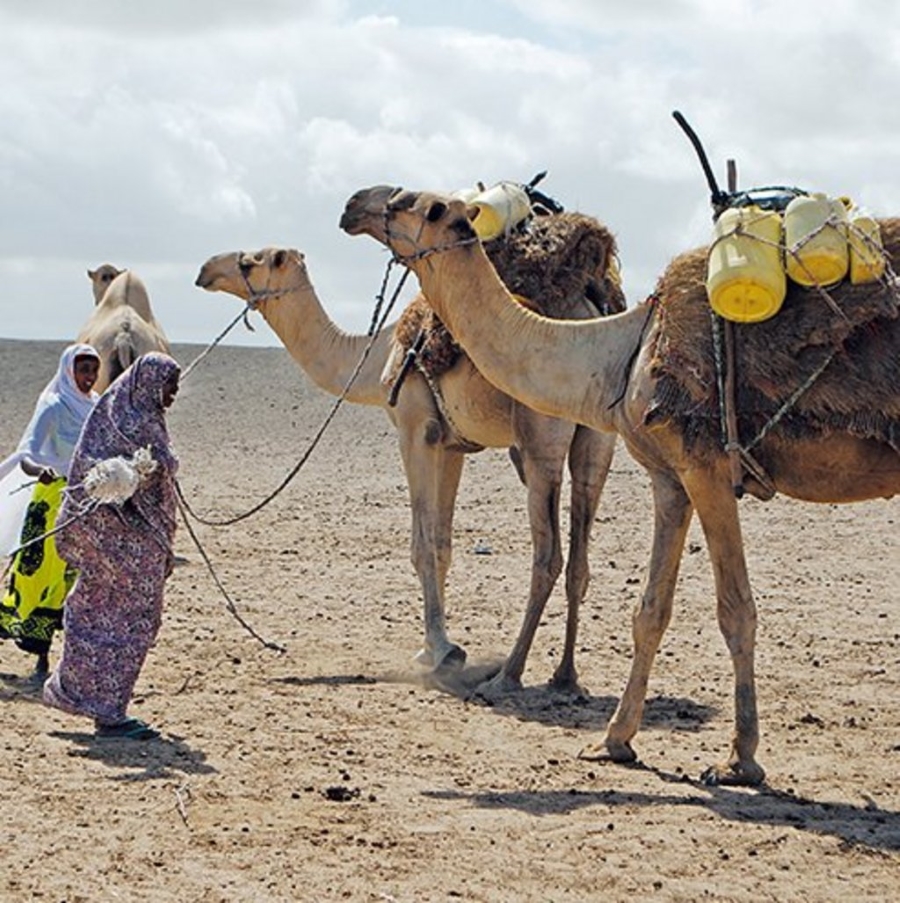
    Climate change has dramatically reshaped the landscapes and livelihoods of East Africa, with global warming triggering severe droughts that have devastated pastoralist communities. These droughts have led to a significant reduction in cow populations, jeopardizing the primary source of income and sustenance for many families. The traditional reliance on cattle is increasingly unsustainable as water sources dwindle and grazing lands become barren. In response to these challenges, East African governments and communities are turning to camels as a more viable livestock option. Camels possess physiological traits that make them far better suited to arid conditions compared to cows. They can survive with less water and endure higher temperatures, making them an ideal livestock choice in the face of prolonged droughts. This shift has given rise to initiatives promoting camel milk production as a sustainable adaptation strategy. The economic potential of camel milk is substantial. The milk from camels is not only rich in nutrients but also increasingly in demand, particularly in the Middle East. Projections indicate that the global market for camel milk could reach a value of $13 billion by 2030. This burgeoning demand offers East African pastoralists a lucrative opportunity to stabilize and grow their incomes despite the adverse effects of climate change.

    How the Study was Conducted

    The author employed a comprehensive literature review to assess camel physiological adaptations that enhance their resilience to heat stress and drought compared to cattle. Secondary data on camel milk production development and demand drivers were evaluated, including market reports and dairy consumption trends. Regional policy trends in Kenya, Ethiopia, and Somalia were analyzed, focusing on programs supporting camel dairying value chains and herd restocking initiatives. Livestock population statistics were analyzed to document changes in cattle and camel herd sizes, reflecting the impact of climate change on pastoral livelihoods.

    What the Authors Found

    The author found that East Africa is severely affected by droughts due to climate change, leading to a significant decline in cattle populations. The author also posits that Camels are more resilient to drought conditions compared to cattle, making them a suitable alternative for pastoralists. In addition, transitioning to camel milk production offers economic benefits and is a viable climate change adaptation strategy.

    Why is this Important

    Livelihood Preservation: Climate change-induced droughts threaten the livelihoods of pastoral communities in East Africa. Understanding alternative strategies, such as transitioning to camel milk production, is crucial for their survival.
    Resilience and Adaptation: The research highlights the physiological advantages of camels over cows in arid conditions. By adopting camel pastoralism, communities can better adapt to changing environmental conditions.
    Economic Opportunities: Camel milk has economic potential, with growing demand in the Middle East. Supporting this transition can boost local economies and improve farmers’ income.
    Policy Implications: The study emphasizes the need for government policies that facilitate camel milk production. Veterinary services, market access, and research are essential for successful adaptation.

    What the Authors Recommend

    • The author advocates encouraging pastoral communities to transition from cattle farming to camel milk production. This involves providing support for camel herding practices and creating awareness about the economic benefits.
    • The author suggests that governments in East Africa should develop policies that facilitate camel milk production. This includes investing in veterinary services, improving market access, and integrating camel farming into existing livestock programs.
    • The author recommends that further research is needed to understand the long-term sustainability of camel milk production. This includes studying market dynamics, consumer preferences, and herd management practices.

    In conclusion, the shift towards camel milk production represents a promising adaptation strategy for East African pastoral communities facing the harsh realities of climate change-induced droughts. Camels’ resilience to arid conditions and the burgeoning global demand for their milk offer a sustainable economic opportunity, potentially transforming livelihoods and stabilizing incomes. For this transition to be successful, it is imperative that governments and policymakers invest in supportive measures such as veterinary services, market access, and awareness campaigns. Further research is essential to ensure the long-term sustainability and profitability of this adaptation, paving the way for a resilient future in the face of climate change.
  • Unlocking Ancient Secrets: How Stone Age Humans Thrived After Toba Eruption – Insights from Nature Study

    Unlocking Ancient Secrets: How Stone Age Humans Thrived After Toba Eruption – Insights from Nature Study

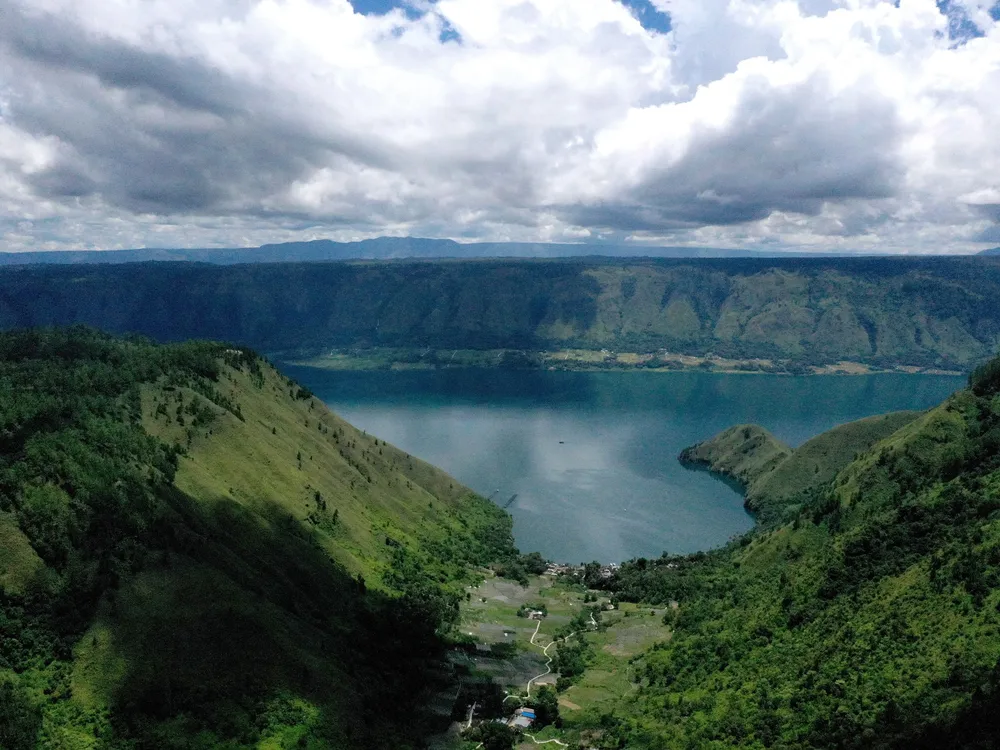
    In a groundbreaking study published in Nature, researchers have uncovered remarkable insights into how Stone Age humans coped with the cataclysmic aftermath of the Toba supervolcano eruption around 74,000 years ago. The eruption, considered one of the most significant natural disasters in history, had global implications, but evidence from an archaeological site in northwest Ethiopia, known as Shinfa-Metema 1, sheds new light on human adaptability in the face of environmental upheaval. Led by paleoanthropologist John Kappelman from the University of Texas at Austin, the research team delved into the remains at Shinfa-Metema 1, discovering a shift in dietary patterns that hinted at sophisticated survival strategies. Contrary to the notion that the volcanic winter induced by Toba nearly pushed humans to extinction, the findings suggest a narrative of resilience and adaptability.

    The site, inhabited for a span of five to ten years, showed signs of human presence before and after the Toba eruption. Crucially, during dry periods associated with the eruption’s aftermath, there was a notable increase in the consumption of fish, indicating a strategic response to dwindling terrestrial resources. This adaptation, highlighted by Kappelman as “sophisticated behavior,” reflects a capacity for flexible survival strategies among early humans. Moreover, the discovery of chipped rocks possibly used as arrowheads suggests the earliest evidence of archery, providing insights into ancient hunting techniques. This technological advancement underscores the resourcefulness of Stone Age communities in optimizing their hunting methods to navigate changing environmental conditions.

    The implications of these findings extend beyond mere survival strategies. They offer tantalizing clues about early human migrations out of Africa. While previous theories suggested dispersals occurred during humid periods, the adaptation of Stone Age people to arid conditions challenges this notion. The concept of “blue highways,” seasonal river networks offering migratory routes, gains prominence in understanding how humans may have ventured out of Africa during dry spells, exploiting water resources along the way.

    However, not all experts are convinced of this interpretation. Some, like geoscientist Rachel Lupien from Aarhus University, caution against oversimplifying climatic factors in migration theories, emphasizing the need for a comprehensive understanding of environmental dynamics over time. Nevertheless, the study adds credible possibilities to our understanding of early human dispersals, suggesting that adaptability to arid conditions might have played a crucial role alongside previously proposed migration routes. In essence, the resilience of Stone Age communities in the wake of the Toba eruption offers a compelling narrative of human ingenuity and adaptability in the face of adversity.

    In conclusion, the groundbreaking insights gleaned from the study of Stone Age communities at the Shinfa-Metema 1 site provide a compelling narrative of human resilience and adaptability in the face of environmental upheaval. The evidence of sophisticated survival strategies following the Toba eruption challenges previous notions of near-extinction and offers a new perspective on early human migrations out of Africa. While further research and debate may refine our understanding, these findings underscore the remarkable ingenuity of our ancestors in navigating and thriving amidst adversity.

  • Drought-Resistant Sorghum Breakthrough: High-Yielding Varieties for Africa’s Dry Regions

    Drought-Resistant Sorghum Breakthrough: High-Yielding Varieties for Africa’s Dry Regions

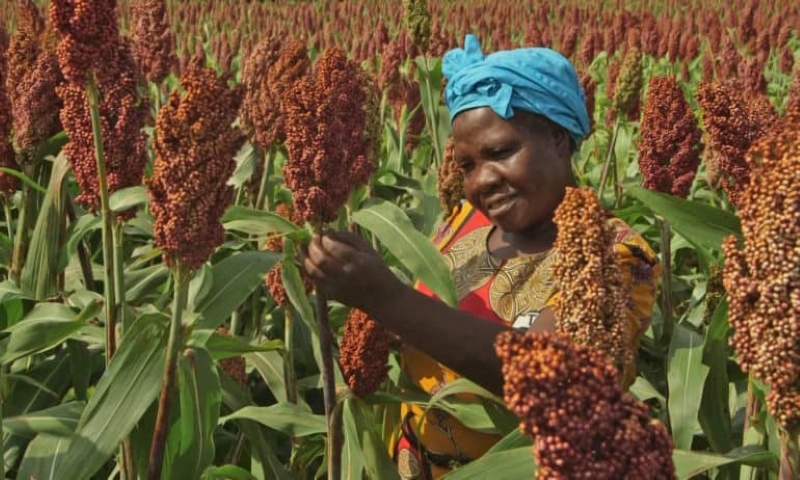
    In a recent breakthrough, a collaborative effort involving scientists from the African Centre for Crop Improvement, the Institute of Agricultural Research (IAR), the International Maize and Wheat Improvement Center (CIMMYT), and the University of Life Sciences has resulted in the development of drought-resistant, high-yielding sorghum varieties tailored for the challenging dry regions of Africa. The critical growth stages of sorghum, particularly the pre- and post-flowering periods, are often hampered by drought stress, severely impacting grain quality. Surveys conducted in Ethiopia, Burkina Faso, and Nigeria underscored the significant role of drought as a major limitation to sorghum production in Sub-Saharan Africa (SSA).

    Recognizing the urgent need to address this constraint, scientists embarked on a comprehensive study titled “Response of African Sorghum Genotypes for Drought Tolerance under Variable Environments.” The researchers evaluated 225 sorghum types under diverse conditions, including non-stressed environments and conditions simulating pre- and post-flowering period drought stress. Leveraging advanced statistical analyses such as the additive main effects and multiplicative interaction (AMMI) method, the study aimed to identify resilient and high-yielding genotypes.

    The outcomes of the research demonstrated a rich diversity in the genetic resources of sorghum, offering a pathway for selecting promising genotypes suitable for drought-prone regions. Notably, certain genotypes, including G56, G157, G8, and G152, exhibited high tolerance to pre-flowering period drought stress, while others, such as G144 and G157, displayed superior grain yield in drought-stressed environments.

    The study emphasized the significant influence of environmental conditions on grain yield, with specific genotypes identified as suitable for different growing environments. Notably, genotypes G119 and G127 stood out for their stability and high yield under non-stressed conditions, surpassing registered cultivars in performance.

    The newly identified sorghum strains not only outperform existing cultivars but also possess traits highly valued by farmers. This makes them promising candidates for future breeding programs. Farmers in drought-prone areas of sub-Saharan Africa, grappling with pre- and post-flowering period drought stress, stand to benefit substantially from the adoption of these high-yielding and drought-resistant varieties.

    In conclusion, the adoption of these newly developed sorghum varieties has the potential to enhance food production and bolster resilience among African farmers, particularly those in SSA, against the adverse impacts of climate change. This breakthrough represents a crucial step toward sustainable agriculture in arid and semi-arid regions, addressing a longstanding challenge and offering a ray of hope for improved food security.