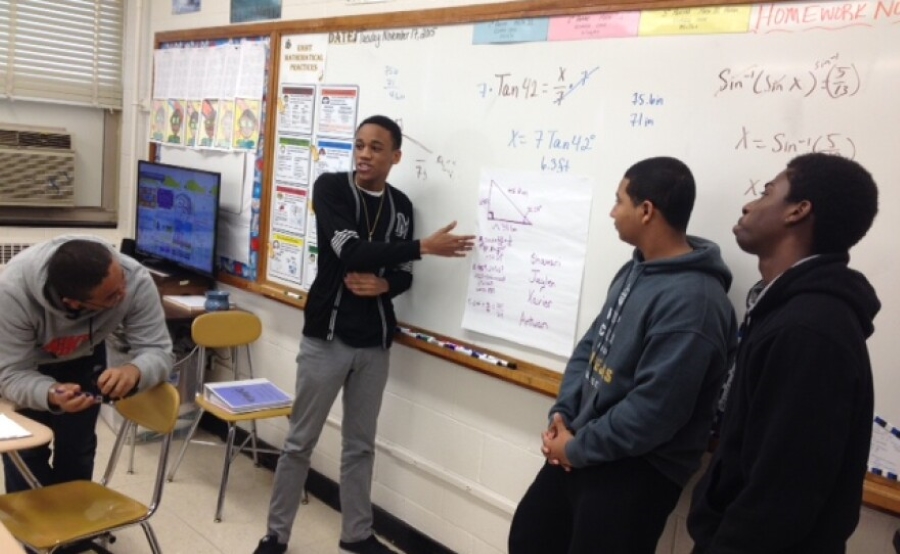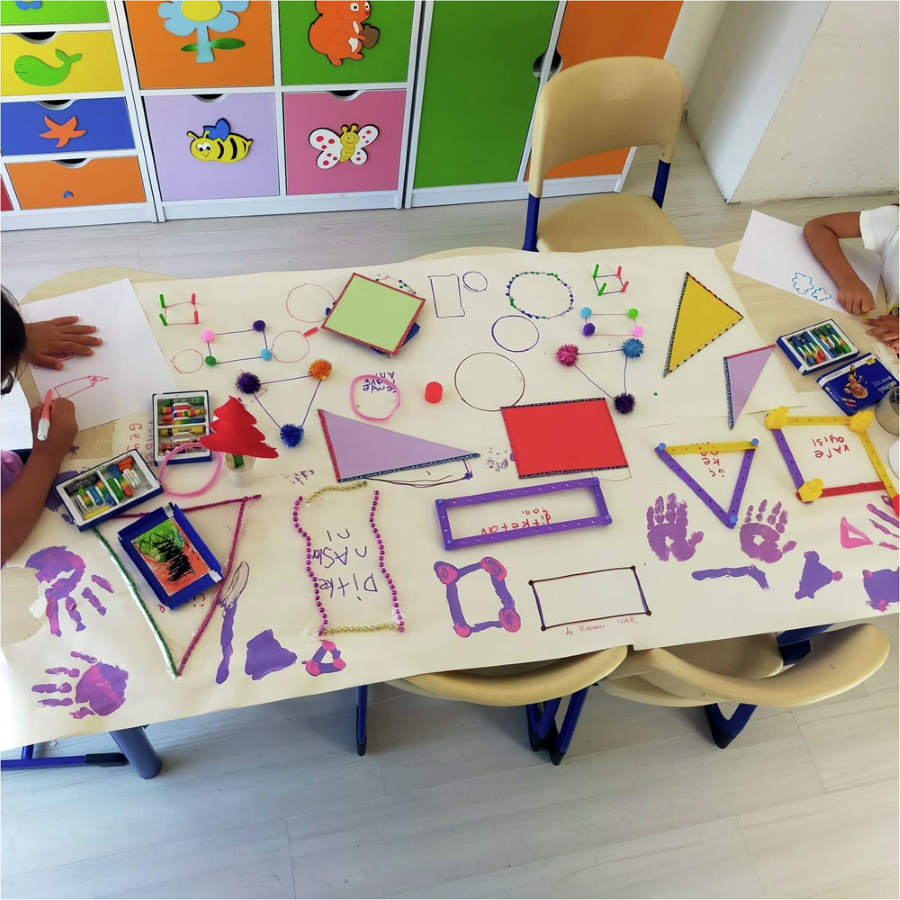
Illustrative Image: Inquiry-Based Teaching Boosts Geometry Learning: Study Shows Improved Student Understanding, Performance, and Attitudes
Image Source & Credit: nature.com
Ownership and Usage Policy
A recent study by Kumazah, V., & Agyei, D. D. (2025) titled “Enhancing High School Geometry Learning with Inquiry-Based Teaching: Impact on Student Understanding, Performance, and Attitudes” published in the African Journal of Educational Studies in Mathematics and Sciences reveals inquiry-based teaching significantly enhanced students’ understanding, performance, and attitudes toward geometry.
“
Inquiry-based teaching significantly improves high school students’ understanding, performance, and attitudes toward geometry through active, student-centered learning strategies.
– Kumazah, V., & Agyei, D. D. 2025
The article study investigates the influence of inquiry-based teaching methods on high school students’ comprehension, academic performance, and attitudes toward geometry. Rooted in constructivist learning theory and informed by the van Hiele model of geometric thought, the study employs a design-based research methodology framed within a descriptive case study. This dual-layered approach allows for both practical implementation and reflective analysis of the teaching intervention in a real classroom context. At the heart of the research is inquiry-based learning (IBL)—a pedagogical strategy that positions students as active participants in the learning process. Rather than passively receiving information, learners engage in questioning, exploring, and constructing their own understanding of geometric concepts through hands-on activities and collaborative problem-solving. This aligns with constructivist principles, which emphasize the importance of prior knowledge and cognitive engagement in the learning process. The van Hiele theory, which describes five hierarchical levels of geometric thinking—from visualization (Level 0) to rigor (Level 4)—serves as the theoretical backbone for assessing students’ cognitive development in geometry. The study found that through sustained exposure to inquiry-based teaching, many students advanced to higher van Hiele levels. This progression indicates a deeper conceptual grasp of geometric relationships and reasoning patterns. In terms of measurable outcomes, students exhibited marked improvements in their academic performance in geometry. Test scores and classroom assessments revealed that learners not only acquired better problem-solving skills but also demonstrated greater fluency in applying geometric principles to new situations. Moreover, the study documented a positive shift in student attitudes toward geometry. Learners expressed increased enthusiasm, motivation, and confidence in their abilities to tackle geometric problems. This attitudinal change is significant, as affective factors like self-efficacy and interest are known to play a pivotal role in sustained academic success.
How the Study was Conducted
The author’s study employed a design-based research approach within a descriptive case study framework to explore the effects of inquiry-based teaching on senior high school students’ understanding, performance, and attitudes toward geometry. Conducted in two Ghanaian high schools, the study involved eight in-service mathematics teachers (IMTs) and 87 students. The IMTs participated in professional development workshops focused on constructivist learning principles and the van Hiele theory of geometric thinking. These sessions equipped teachers with the skills to collaboratively design structured, inquiry-based lesson plans aligned with the Ghanaian Core Mathematics curriculum. Micro-teaching sessions were integral to the process, allowing for feedback-driven refinements before full implementation. In the classroom, teachers employed a range of inquiry-based strategies, including the use of essential questions, student-centered engagement activities, cooperative learning, and varied instructional resources. Lessons were delivered through iterative cycles, with strategies continuously refined based on classroom observations and feedback. To assess the impact of this instructional approach, both quantitative and qualitative data were collected. The Van Hiele Geometry Test (VHGT) measured students’ levels of geometric reasoning, the Geometry Achievement Test (GAT) evaluated performance, and the Geometry Attitude Scale (GAS) assessed students’ motivation and self-confidence. Additionally, classroom observations, interviews, and student feedback provided valuable qualitative insights.
What the Authors Found
The authors found that inquiry-based teaching significantly enhanced students’ understanding, performance, and attitudes toward geometry.
Why is this important
This study is important because it addresses a longstanding issue in mathematics education: students’ struggles with learning geometry effectively. Despite its significance in daily life, logical reasoning, and problem-solving, many students find geometry challenging due to its abstract nature. Traditional teaching methods often fail to engage students, leading to low performance and poor attitudes toward the subject.
Improves Student Understanding: The study demonstrates that inquiry-based teaching significantly enhances students’ geometric thinking, enabling them to grasp complex concepts better.
Boosts Performance: By applying student-centered learning strategies, students achieve higher scores in geometry assessments, indicating improved comprehension.
Encourages Active Learning: Inquiry-based teaching shifts the classroom dynamic from teacher-led instruction to student exploration, fostering curiosity and engagement.
Develops Positive Attitudes: The study highlights how this approach increases motivation and self-confidence, helping students overcome anxiety and frustration with geometry.
Provides Educators with Effective Strategies: Teachers gain practical methods to enhance their instructional approach, leading to better learning outcomes across classrooms.
Aligns with Global Educational Trends: Many educational researchers advocate for active learning methods, such as inquiry-based learning, to prepare students for real-world problem-solving.
What the Authors Recommended
- Mathematics educators should integrate inquiry-based strategies—such as essential questioning, collaborative learning, and active student engagement—into constructivist classrooms. This approach promotes deeper understanding and fosters a more student-centered learning environment.
- Teachers should participate in ongoing training to design and implement effective inquiry-based lesson plans. Continuous professional development will enhance their pedagogical skills and improve student learning outcomes in geometry.
- To boost student motivation and confidence, educators should employ a variety of instructional materials and activities that make geometry lessons interactive, relatable, and engaging.
- Schools should utilize both formative and summative assessments—such as the Van Hiele Geometry Test (VHGT), Geometry Achievement Test (GAT), and Geometry Attitude Scale (GAS)—to monitor students’ geometric reasoning, performance, and attitudes effectively.
- Educational policymakers should embed inquiry-based learning into the national mathematics curriculum. Schools must provide the necessary support for teachers to successfully adopt and sustain student-centered instructional approaches.
In conclusion, the study by Kumazah and Agyei (2025) offers compelling evidence that inquiry-based teaching can significantly transform geometry education by enhancing students’ understanding, boosting academic performance, and fostering positive attitudes toward the subject. By grounding instruction in constructivist principles and the van Hiele model, and emphasizing active student participation, educators can create more engaging, effective learning environments. The findings underscore the need for continuous professional development, curriculum reform, and supportive school policies to fully realize the benefits of inquiry-based approaches in mathematics classrooms.