Tag: educational barriers

  • Inclusive Education in Tunisia: Bridging the Gap Between Policy and Practice Through Speech Act Theory

    Inclusive Education in Tunisia: Bridging the Gap Between Policy and Practice Through Speech Act Theory


    Illustrative Image: Inclusive Education in Tunisia: Bridging the Gap Between Policy and Practice Through Speech Act Theory
    Image Source & Credit: Modern Ghana
    Ownership and Usage Policy

    A recent study by Ayadi, M. (2024) titled “Inclusive education in Tunisia: Expectations versus reality” published in Atras Journal, reveals that there is a clear disconnect between Tunisia’s inclusive education policies and their practical implementation

    Despite progressive laws, Tunisia’s inclusive education remains largely symbolic due to weak enforcement, inadequate resources, and persistent systemic barriers.
    – Ayadi, M. 2024

    The study explores the persistent disconnect between inclusive education policies and their actual implementation in Tunisia. By applying speech act theory, the study offers a nuanced analysis of how legal provisions are framed linguistically and how these provisions function—or fail to function—in practice. The core objective of the study is to identify the key barriers hindering effective inclusive education, particularly for students with special educational needs (SEN).

    Several critical challenges are highlighted:

    • Psychological and attitudinal barriers, including teacher biases and parental hesitations.
    • Weak leadership and poor policy enforcement, which undermine otherwise well-intentioned legal frameworks.
    • Insufficient resources and inadequate infrastructure, making it difficult to meet the needs of diverse learners.
    • Curriculum limitations, as existing educational content often fails to accommodate or support SEN learners effectively.

    Through speech act analysis, Ayadi reveals a significant dissonance between the directive and promising language of Tunisia’s legal provisions and the symbolic, rather than practical, commitment to inclusion. While laws appear progressive on paper, the lack of tangible implementation strategies and systemic support limits their real-world impact.

    Ultimately, the study concludes that despite robust legal commitments, true inclusivity in Tunisia remains aspirational rather than actualized. To close this gap, the research calls for more active efforts, including comprehensive teacher training, better resource allocation, and stronger accountability mechanisms. Only by translating policy into meaningful action can Tunisia hope to realize its vision of inclusive education for all.

    How the Study was Conducted

    The study adopted a mixed-methods research design, integrating both quantitative and qualitative approaches to investigate the barriers to inclusive education in Tunisia. Quantitatively, data was collected through a structured questionnaire using a Likert scale, aimed at gauging teachers’ attitudes and perceptions toward inclusive education. The survey involved 44 English teachers from various regions across Tunisia, representing primary, elementary, and secondary schools. A majority of the participants were female (76.7%), and 61.4% had more than 10 years of teaching experience. The key focus areas included challenges related to educational policy, availability of resources, and infrastructural facilities. Descriptive statistical tools, including frequencies and percentages, were used to analyze the responses.

    Qualitatively, the study examined five legal articles from Tunisia’s 2002 Education Act. These texts were retrieved and translated for detailed analysis using Speech Act Theory, which helped interpret the language and underlying intent of the legal provisions. The analysis focused on different types of speech acts, including directives (commands or obligations), commissives (promises or commitments), declarations, expressives, and representatives.

    Data collection and analysis were conducted between June and July 2023, combining teacher surveys and legislative document review to offer a comprehensive understanding of the structural and attitudinal barriers impeding inclusive education in Tunisia.

    What the Author Found

    There is a clear disconnect between Tunisia’s inclusive education policies and their practical implementation—while the legal framework symbolically supports inclusion, actual classroom practices are hindered by weak enforcement, inadequate resources, and persistent attitudinal and institutional barriers.

    Why is this important

    • Exposes Policy-Practice Gaps: The study reveals that while Tunisia’s laws advocate for inclusive education, these promises often fail to translate into real classroom support for students with special needs.
    • Centers Teachers’ Perspectives: By directly involving educators, the research highlights practical challenges—such as inadequate resources, lack of training, and limited support—providing valuable insights for informed policymaking.
    • Uncovers Systemic Inequities: The findings show that students with disabilities continue to face exclusion due to societal stigma, insufficient infrastructure, and weak leadership—framing inclusive education as a broader human rights concern.
    • Applies a Unique Analytical Lens: Using speech act theory to analyse legal texts, the study demonstrates how some policies may serve more as symbolic gestures than enforceable mandates, offering a fresh approach to education policy critique.
    • Points Toward Actionable Solutions: The research outlines practical recommendations—including stronger leadership, better resource allocation, and real policy enforcement—to help Tunisia transform its inclusive education goals into reality.

    What the Author Recommended

    • The study advocates equipping school leaders with the tools and training to effectively implement inclusive policies and establish clear accountability mechanisms to monitor progress at the institutional level.
    • Government should allocate funding for assistive technologies, inclusive teaching materials, and accessible school environments, while developing modified curricula to meet diverse learner needs.
    • The author emphasises that governments should provide continuous professional development focused on inclusive pedagogy, including strategies for behavior management, differentiated instruction, and effective engagement with SEN students.
    • Encourage the use of IEPs tailored to each student’s unique needs, fostering collaboration among educators, families, and specialists to ensure targeted support and measurable goals.
    • Launch national awareness campaigns to combat stereotypes and promote positive perceptions of inclusive education among teachers, parents, and the broader community.
    • In addition, re-evaluate legal frameworks using tools like Speech Act Theory to ensure laws are actionable, and translate policy declarations into clear, practical steps for educators to implement in classrooms.

    In conclusion, Ayadi’s study provides a compelling critique of Tunisia’s inclusive education landscape, revealing the urgent need to move beyond symbolic legal commitments toward meaningful, actionable reforms. By addressing systemic barriers, investing in teacher training, and fostering a culture of accountability and inclusion, Tunisia can begin to transform its educational vision into a lived reality for all learners—especially those with special educational needs.
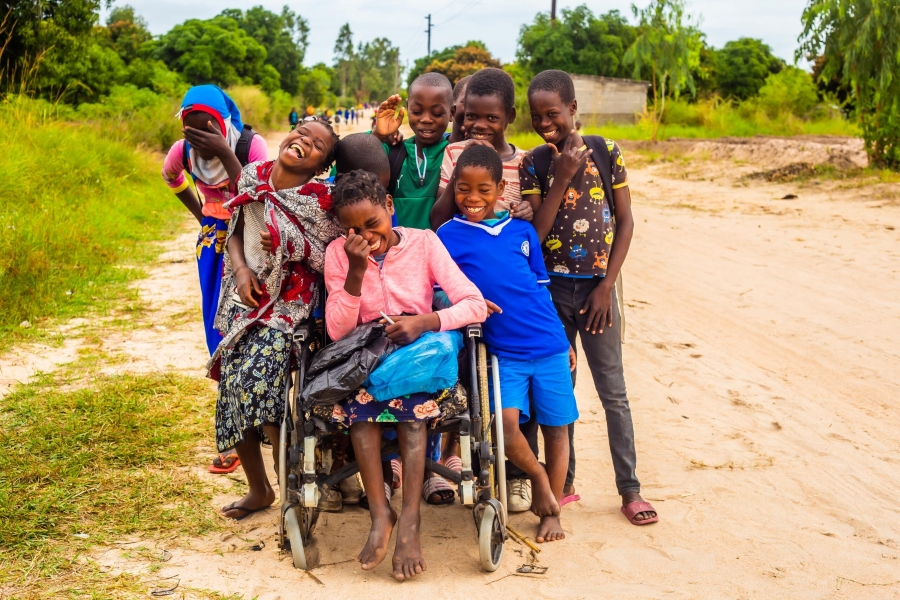
  • Challenges and Solutions for Educating Girls with Physical Disabilities in Kisumu, Kenya: A Qualitative Study

    Challenges and Solutions for Educating Girls with Physical Disabilities in Kisumu, Kenya: A Qualitative Study

    A recent study by Odhiambo, J. A. (2024) titled “Exploring the attitudes of girl learners with physical disabilities towards education in Kisumu, Kenya” published in the International Journal of Studies in Inclusive Education, reveals that most girl learners with physical disabilities (GLwPDs) in Kisumu, Kenya, hold negative attitudes toward education due to societal discrimination, low expectations from teachers and parents, and a lack of role models.

    Societal discrimination, low expectations, and lack of role models hinder GLwPDs’ education.– Odhiambo, J. A. 2024

    The article examines the perspectives of girl learners with physical disabilities (GLwPDs) on their education in Kisumu, Kenya, shedding light on the numerous challenges they encounter. These include societal prejudice, discrimination, and insufficient support, which adversely affect their attitudes towards schooling. Employing a descriptive exploratory design within a qualitative framework, the study gathered data through interviews, focus group discussions, and document analysis involving 50 participants. These participants included GLwPDs, their parents, teachers, and community opinion leaders. The findings reveal that GLwPDs often harbor negative attitudes toward education, primarily due to societal discrimination, limited encouragement from teachers and parents, and the absence of positive role models. The study underscores the importance of providing greater support and encouragement to these girls to enhance their educational experiences and boost their self-esteem. It also calls for collaborative efforts among parents, educators, and stakeholders to address these barriers and promote gender equality in education.

    How the Study was Conducted

    The study involved 50 participants, including 18 girl learners with physical disabilities (GLwPDs), 20 parents of GLwPDs, 10 teachers from a special school for the physically challenged, and 2 opinion leaders. Participants were selected through convenience and purposive sampling techniques. In-depth interviews were conducted with GLwPDs, teachers, and opinion leaders. The questions were open-ended to provide detailed responses. Two focus group discussions were held with 10 parents in each group. These discussions allowed participants to freely share their opinions, perceptions, beliefs, and ideas. Data on admission, attendance, performance, fee payment, and completion rates of GLwPDs were collected through document analysis. The qualitative data were analyzed using thematic analysis. This involved summarizing, categorizing, rearranging, and ordering the data thematically according to the study objectives. The six steps of thematic analysis were followed: familiarization with data, generation of initial codes, identification of themes, review and definition of themes, and writing. Informed consent was obtained from participants, and they were assured of anonymity and confidentiality. Participants were informed of their right to withdraw from the study without prejudice and were treated respectfully. Any risks and benefits were distributed fairly.

    What the Authors Found

    The study reveals that most girl learners with physical disabilities (GLwPDs) in Kisumu, Kenya, hold negative attitudes toward education due to societal discrimination, low expectations from teachers and parents, and a lack of role models. Many GLwPDs drop out before completing primary education, often facing challenges such as being the last to be enrolled, transportation issues, and struggling to keep up with peers. Discrimination and lack of support undermine their enthusiasm, while low expectations from teachers and parents lead to poor academic performance and self-motivation. A sense of hopelessness about future employment further diminishes their self-esteem and interest in education. Additionally, the absence of successful role models with disabilities discourages them from pursuing education. Parents often prioritize the education of non-disabled children, reflecting a negative attitude toward their daughters’ education and reinforcing these challenges.

    Why is this important?

    Highlighting Challenges: It brings to light the specific challenges faced by girl learners with physical disabilities (GLwPDs) in accessing education. Understanding these challenges is crucial for developing targeted interventions.

    Promoting Inclusivity: The study emphasizes the need for inclusive education practices that cater to the needs of GLwPDs. This can help create a more equitable education system where all students have the opportunity to succeed.

    Changing Attitudes: By documenting the negative attitudes and discrimination faced by GLwPDs, the study aims to change societal perceptions and attitudes towards these learners. This can lead to greater acceptance and support for GLwPDs in educational settings.

    Policy Development: The findings can inform policymakers and educators about the necessary changes and support systems required to improve the educational experiences of GLwPDs. This can lead to the development of policies that promote gender equality and inclusivity in education.

    Empowering GLwPDs: The study highlights the importance of role models and support systems for GLwPDs. By addressing the lack of role models and providing encouragement, the study aims to empower GLwPDs to pursue their education and achieve their full potential.

    Addressing Discrimination: The study underscores the need to address discrimination and low expectations from teachers, parents, and society. By tackling these issues, the study aims to create a more supportive and encouraging environment for GLwPDs.

    What the Authors Recommend

    • The author recommends that parents, teachers, and peers of GLwPDs should collaborate with other stakeholders in education to recognize the challenges faced by these girls and provide strategies to overcome the obstacles.
    • The study also emphasizes that GLwPDs should be exposed to opportunities to interact with female role models with physical disabilities in promising careers. This can motivate them to complete their education and aspire to achieve their goals.
    • In addition, the government and the Ministry of Education should put more effort into advancing gender equality in special needs education and inclusive education. This includes creating policies and programs that support the education of GLwPDs and promote gender equality.

    In conclusion, the study by Odhiambo (2024) underscores the critical need for targeted interventions to address the challenges faced by girl learners with physical disabilities in Kisumu, Kenya. By highlighting the adverse impacts of societal discrimination, low expectations, and a lack of role models, the research calls for collaborative efforts among parents, teachers, policymakers, and the broader community to create an inclusive and supportive educational environment. Empowering these girls through encouragement, representation, and equitable policies not only enhances their educational opportunities but also contributes to a more just and inclusive society. The findings serve as a foundation for meaningful action to break down barriers and inspire positive change for GLwPDs.