Tag: droughts

  • Addressing Climate Change in Ghana: Building Resilient Agriculture and Sustainable Development Pathways

    Addressing Climate Change in Ghana: Building Resilient Agriculture and Sustainable Development Pathways

    Africa, despite contributing minimally to global greenhouse gas emissions, is experiencing some of the harshest effects of climate change. The continent is grappling with intensified weather events such as droughts, erratic rainfall, windstorms, and cyclones. These phenomena exacerbate land degradation, diminish soil fertility, and lead to pest proliferation, all of which threaten Africa’s health, livelihoods, and food security.

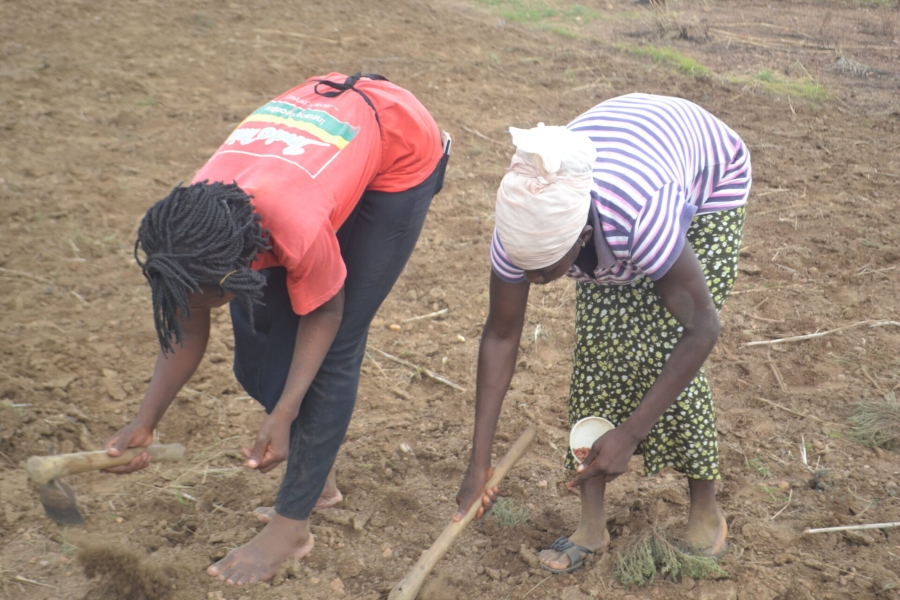
    Ghana, like many African nations, is witnessing shifts in temperature, altered rainfall patterns, and a rise in the frequency and severity of extreme weather events. Floods are more common in high-rainfall areas in the center and west of the country, while droughts predominantly impact the north and southeast. Additionally, storms have intensified over recent decades. These climatic changes significantly affect Ghana’s economy, food security, and the lives of its people, given that agriculture is the backbone of the country’s economy.

    Agriculture supports over 50% of Ghana’s workforce, contributes more than 60% of rural household income, and plays a crucial role in food security through smallholder farmers. These farmers, often among the poorest in the country, are particularly vulnerable to climate change due to their limited resources and capacity to manage unforeseen crises. Hence, targeted policies and practices that enhance resilience to climate impacts are essential. Adapting to climate change requires localized and context-specific strategies tailored to the unique challenges faced by different communities.

    Addressing these challenges involves adopting an integrated approach to agriculture and environmental management, enhancing risk preparedness, promoting sustainable energy production, modernizing transportation systems, and building resilient infrastructure. The Ghanaian government has initiated several reforms to transform the agricultural sector, with the flagship “Planting for Food and Jobs” (PFJ) program aimed at improving food security and livelihoods. This program focuses on enhancing public expenditure, strengthening extension systems, improving market access, promoting relevant agricultural technologies, and building capacity among key sector players. Strategic investments in infrastructure have also been made to boost sector efficiency.

    Investing in climate-resilient practices across the agricultural value chain—encompassing production, storage, processing, and marketing—is crucial yet challenging. An integrated approach that combines climate change adaptation with agricultural interventions is necessary to stabilize crop yields, enhance incomes, improve nutritional value, and build systems for early warning and resource management. These efforts at the community level can collectively contribute to national impact.

    Ghana’s Nationally Determined Contributions (NDCs) and National Adaptation Policy Framework underscore the importance of community-led adaptation and contextually relevant climate measures. These policies highlight the need for sustainable forest management, climate-resilient agriculture, expanded agricultural insurance, community-led conservation, early warning systems for floods, droughts, and pest infestations, and strengthened disaster risk management. However, Ghana, like many African countries, must ensure that national policies and resources are effectively integrated and outcome focused.

    To address the unpredictable challenges posed by climate change, Africa must build its development pathways on a foundation of evidence, science, and continuous learning. Data-driven research and evidence-based policies are essential for identifying effective interventions. For instance, research can determine the most resilient agricultural practices to drought, enabling policymakers and the private sector to support farmers in adapting to a changing climate. Similarly, scientific analysis can uncover the root causes of economic downturns, guiding the development of targeted policies for growth and job creation. Predictive modeling and evidence-based policymaking are vital for designing interventions that avoid unintended consequences.

    In the upcoming week, AGRA, ICED, and their partners will gather in Accra, Ghana, to showcase evidence-based approaches and learning in building resilience. Their focus will include climate-smart agriculture, seed system development, integrated soil health, and regenerative systems. This convergence underscores the importance of leveraging evidence and science to navigate Africa’s complex food systems and build a more resilient future.

  • Strengthening Africa’s Climate Resilience: The Urgent Need for Advanced Early Warning Systems and Parametric Insurance

    Strengthening Africa’s Climate Resilience: The Urgent Need for Advanced Early Warning Systems and Parametric Insurance

    Climate change poses significant risks to vulnerable populations and economies across Africa. The continent, home to over 1.2 billion people, faces a dire need for reliable and accurate weather monitoring systems and innovative financing mechanisms. The World Meteorological Organization (WMO) reports that around 60% of Africa’s population remains unprotected by early warning systems. The lack of a robust weather observation network exacerbates the risks posed by extreme weather events, making the continent the world’s most underdeveloped in this regard.

    Early Warning Systems: A Critical Component

    Early warning systems provide essential data for identifying weather patterns, developing risk models, and informing risk mitigation and post-disaster response strategies. However, many African countries either lack these systems or have outdated and poorly maintained technologies. The continent has only 37 radar stations, many of which fail to provide accurate weather forecasts. This shortfall in reliable data has severe consequences for both lives and economies.

    Investment in these systems is prioritized in many National Adaptation Programmes of Action and National Adaptation Plans. Yet, significant gaps remain. A 2023 paper titled “How to Reduce Africa’s Undue Exposure to Climate Risks” by risk experts and climatologists from the UK and Africa highlighted the urgent need for substantial upgrades to hydromet infrastructure to prevent a ballooning loss of life.

    The Impact of Inadequate Systems

    Africa experiences a disproportionate impact from extreme weather events. Floods and droughts have resulted in high mortality rates and severe economic damage. For example, the average number of deaths from flooding in Africa over the last two decades is four times higher than in Europe or North America. Despite experiencing only half of the globally reported droughts, Africa saw the highest number of drought-related deaths during that period.

    Recent events underscore the critical need for better early warning systems. In September 2023, Libya experienced catastrophic flooding that claimed over 4,300 lives, largely due to the absence of effective early warning systems and evacuation planning. Similarly, Kenya and Tanzania have faced deadly floods and landslides, with significant loss of life and displacement of hundreds of thousands of people.

    Conversely, the Eastern and Southern Africa regions are grappling with severe droughts, devastating crops, and threatening food security. The El Niño weather phenomenon has exacerbated these conditions, leading to what the United Nations (UN) describes as the worst food insecurity in a decade for countries like Malawi. The UN’s Global Report on Food Crises highlighted that the worst impacts of El Niño on food security are yet to come, with severe flooding and droughts expected to persist throughout the year.

    Parametric Insurance: A Financial Safety Net

    Early warning systems and parametric insurance are complementary tools for disaster risk management. While early warning systems provide crucial data, parametric insurance offers financial protection based on predefined triggers, such as specific weather events. This type of insurance ensures timely payouts to cover losses that are difficult to model, providing a financial bridge to support recovery efforts.

    The African Risk Capacity (ARC) uses a satellite-based system called Africa RiskView to monitor weather patterns and trigger insurance payouts when specific thresholds are met. This system helps translate predictive weather models into actionable programs that support farmers and disaster response activities. Recognizing the need for financial support to enhance these systems, the US Government has partnered with ARC Ltd. in a three-year, $11.7 million project to increase access to parametric insurance and bolster food security across Africa.

    Key Components of the US-ARC Ltd. Partnership

    The partnership focuses on customizing risk models for each country and integrating parametric insurance into national policy frameworks. ARC Ltd. will collaborate with governments to ensure effective use of parametric insurance and develop contingency plans. Innovative, localized insurance products will be created to meet the specific needs of individual countries.

    Enhancing risk modeling, data collection, and analysis is a core component of the partnership. Joint monitoring of agricultural seasons will help identify high-risk areas and calculate insurance payouts based on estimated impacts. End-of-season reports and post-disaster monitoring will ensure that payouts are used effectively according to pre-agreed plans.

    The ARC Ltd. will also refine the Africa RiskView software and risk indicators, filling gaps in current models and verifying results through additional datasets and in-country assessments. Engagement with the African Union and regional economic communities will drive the adoption of parametric insurance across the continent.

    A Path Forward

    The collaboration between the US Government and ARC Ltd. marks a significant step towards building climate resilience in Africa. By enhancing early warning systems and expanding access to parametric insurance, this partnership aims to safeguard the future of African communities against the increasing threats posed by climate change. Given that only $0.47 of every $100 spent on global development aid is directed towards disaster risk reduction, innovative and collaborative efforts such as this are crucial for protecting the continent’s most vulnerable populations.

  • Climate Change and Water Resources in Sub-Saharan Africa: A Comprehensive Review and Urgent Calls for Action

    Climate Change and Water Resources in Sub-Saharan Africa: A Comprehensive Review and Urgent Calls for Action

    A recent study by Turyasingura et al., (2023) titled “A Review of the Effects of Climate Change on Water Resources in Sub-Saharan Africa” published in the African Journal of Climate Change and Resource Sustainability, shows that climate change affects both the quality and quantity of water resources in Sub-Saharan Africa.

    The study reveals a lack of recent research on climate change effects on Sub-Saharan Africa’s water resources, emphasizing its critical impact.– Turyasingura et al., 2023

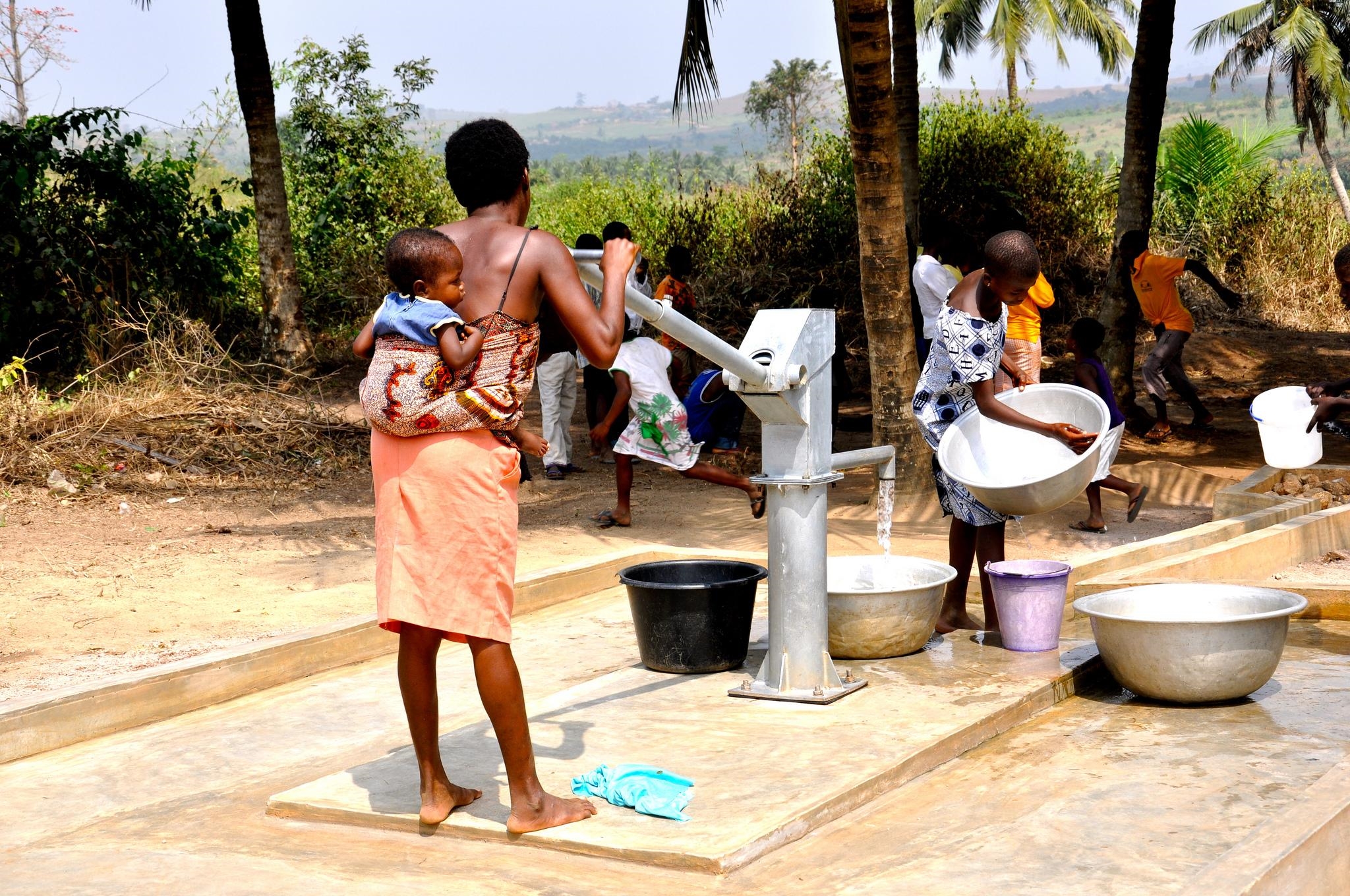
    As climate change intensifies globally, its impact on water resources becomes increasingly pronounced, especially in regions already grappling with water stress. This study delves into the intricate relationship between climate change and water resources in Sub-Saharan Africa, shedding light on the challenges, gaps in existing research, and innovative strategies for adaptation and mitigation. The study explores how climate change impacts water quality and quantity, such as by causing irregular rainfall, droughts, floods, and water contamination, which affect human health and livelihoods. The authors posit some possible ways to cope with and reduce the effects of climate change on water resources, such as improving water infrastructure, enhancing water governance, promoting water conservation, and increasing cooperation among stakeholders.

    How the study was conducted

    The study commences with a thorough literature review, drawing from 125 carefully selected papers spanning from 1945 to 2022. Focusing on the keywords “climate change” and “water resources,” the authors meticulously curated insights from databases such as Scopus, and Web of Science. The authors unveil a conspicuous gap in recent studies on the effects of climate change on water resources in Sub-Saharan Africa.
    Employing cutting-edge technology, the authors utilized Vos-Viewer software to conduct a comprehensive bibliometric analysis. Through intricate visualizations, including co-authorship networks, co-citation networks, co-occurrence networks, and bibliographic coupling networks, the study identifies key authors, journals, countries, institutions, and keywords in the field.

    What the authors found

    The authors found that there is a lack of studies on the effects of climate change on water resources in Sub-Saharan Africa, especially in recent years. The paper uses Vos-Viewer to map and review the existing literature and identify research gaps.

    The study found that climate change affects both the quality and quantity of water resources in Sub-Saharan Africa. The paper discusses how rainfall variability, temperature changes, and extreme events such as droughts and floods impact the availability, reliability, and usability of water sources.

    Why is this important

    The study underscores the need for urgent action to address the impact of climate change on water resources in Sub-Saharan Africa, which is already facing water stress and challenges in ensuring access to clean and sufficient water. The study suggests that bibliometric analysis using Vos-Viewer software can help identify the main authors, journals, countries, institutions, and keywords in the field of water resources and climate change and provide insights into the trends and gaps in the research. The study recommends some possible adaptation and mitigation strategies to cope with and reduce the effects of climate change on water resources, such as improving water infrastructure, enhancing water governance, promoting water conservation, and increasing cooperation among stakeholders.

    Recommendation

    The authors suggest some possible adaptation and mitigation measures to cope with the effects of climate change on water resources in Sub-Saharan Africa. These include improving water infrastructure, enhancing water governance, promoting water conservation, and increasing water awareness.

    In conclusion, the study by Turyasingura et al. (2023) provides a comprehensive examination of the intricate interplay between climate change and water resources in Sub-Saharan Africa. The findings highlight the pressing challenges posed by climate-induced shifts in water quality and quantity, further exacerbating existing issues in a region already grappling with water stress. The innovative use of bibliometric analysis through Vos-Viewer software not only uncovers significant gaps in research but also pinpoints key contributors, journals, and trends in the field. This study underscores the urgent need for targeted actions to address the impact of climate change on water resources in Sub-Saharan Africa, urging stakeholders to prioritize adaptation and mitigation strategies. By emphasizing the importance of improving water infrastructure, enhancing governance, promoting conservation, and fostering collaboration, the research offers valuable insights for policymakers, researchers, and practitioners working towards sustainable water management in the face of a changing climate.

    Question for Contribution and Comments

    Dear reader, we value your input! Kindly share your thoughts, ideas, and comments regarding the question below in the comment section. Your valuable input will help shape our next article:

    “How can we ensure equitable access to clean water in Sub-Saharan Africa amidst the escalating challenges posed by climate change? Share your innovative ideas and perspectives on fostering sustainable water management in the face of a changing climate. 💬🌍💧 #WaterSecurity #ClimateAction”