Tag: Disease Surveillance

  • Atypical Respiratory Viruses in Sub-Saharan Africa (2013–2023): Prevalence, Impact, and Public Health Strategies

    Atypical Respiratory Viruses in Sub-Saharan Africa (2013–2023): Prevalence, Impact, and Public Health Strategies


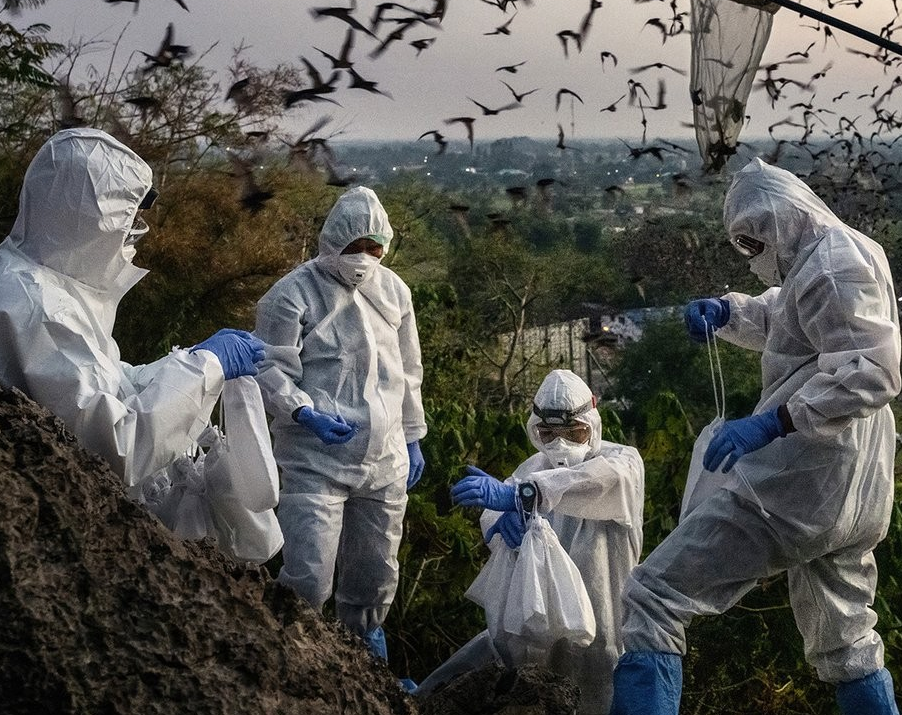
    Illustrative Image: Atypical Respiratory Viruses in Sub-Saharan Africa (2013–2023): Prevalence, Impact, and Public Health Strategies
    Image Source & Credit: Meridian Bioscience
    Ownership and Usage Policy

    A recent study by Agyei et al. (2025) titled “Atypical causes of respiratory virus infections in Sub-Saharan Africa from 2013–2023: a systematic review and meta-analysis” published in BMC Infectious Diseases reveals that atypical respiratory viruses (ARVs) in Sub-Saharan Africa (SSA) are underreported, underrecognized, and likely play a significant role in respiratory illnesses, particularly among children and immunocompromised individuals.

    Atypical respiratory viruses in Sub-Saharan Africa are underreported, underrecognized, and significantly impact vulnerable populations. – Agyei et al. 2025

    This systematic review and meta-analysis examined the prevalence, diagnostics, and clinical impact of atypical respiratory viruses (ARVs) in Sub-Saharan Africa, including HMPV, HBoV, Enteroviruses (EVs), Parechovirus (PeV), and Influenza C Virus (ICV). Prevalence rates were Human Metapneumovirus (HMPV 1.52%), Bocavirus (HBoV 0.4%), Enteroviruses (EVs 15%), Parechovirus (PeV 20%), and Influenza C Virus (ICV 1.3%). Co-infections with viruses like Human Rhinovirus were common. HMPV peaked in December–March, HBoV in July–August, while EVs and PeV circulated year-round. Symptoms ranged from mild (fever, cough) to severe (pneumonia, oxygen desaturation). RT-PCR was the main detection method. Limited testing infrastructure and surveillance contribute to underreporting, compounded by high vulnerability from co-infections (HIV, TB, malaria) and poor living conditions. The study highlights the hidden burden of ARVs in SSA, urging expanded surveillance, improved diagnostics, longitudinal studies on seasonal and age patterns, and integration of ARV monitoring into public health frameworks.

    How the Study was Conducted

    The study employed a systematic review and meta-analysis to evaluate the prevalence and impact of atypical respiratory viruses (ARVs) in Sub-Saharan Africa (SSA) between 2013 and 2023. Following the PRISMA 2020 guidelines, the review was registered in PROSPERO (ID: CRD42024611183) to ensure methodological transparency and adherence to protocol.

    The authors employed a comprehensive search strategy was employed across PubMed, Web of Science, Google Scholar, and the Cochrane Library using MeSH terms combined with Boolean operators (AND, OR) to capture all relevant studies. No language restrictions were applied, and only studies published within the 2013–2023 period were considered.

    Eligibility criteria were defined using the PICO framework. Participants included individuals of all ages in SSA, with exposure to ARVs such as human metapneumovirus (HMPV), human bocavirus (HBoV), enteroviruses (EVs), parechoviruses (PeV), and influenza C virus (ICV). Outcomes of interest were prevalence, clinical impact, diagnostic methods, seasonality, and co-infections. Observational, longitudinal, cross-sectional, and facility-based studies were included, while studies focusing on typical respiratory viruses, such as RSV and Influenza A, were excluded.

    From an initial 548 publications, six studies met the inclusion criteria. Study selection was independently performed by two reviewers, with a third reviewer resolving any disagreements. Data extracted included authorship, publication year, country, study period, virus prevalence, diagnostic methods, and population characteristics. Statistical analyses were conducted using StataSE 16, with meta-analyses visualized through forest and funnel plots to assess prevalence and potential publication bias.

    Diagnostics varied by country: multiplex PCR in Botswana, real-time PCR with cell culture in Senegal, conventional RT-PCR in Côte d’Ivoire, qRT-PCR in Kenya, and FilmArray and ePlex panels in Zambia. Seasonal patterns were noted, with HMPV peaking between December and March, HBoV between July and August, and EVs and PeV circulating year-round. Clinical outcomes ranged from mild symptoms, such as fever and cough, to severe cases including pneumonia and oxygen desaturation.

    Quality assessment of included studies was performed using the Newcastle-Ottawa Scale (NOS), taking into account study design, sample size, and data collection rigor.

    What the Authors Found

    The authors found that atypical respiratory viruses (ARVs) in Sub-Saharan Africa (SSA) are underreported, underrecognized, and likely play a significant role in respiratory illnesses, particularly among children and immunocompromised individuals. The study highlights that ARVs—such as HMPV, EVs, HBoV, PeV, and ICV—have measurable prevalence across the region, show distinct seasonal patterns, and often occur alongside co-infections, but limited diagnostic capacity and sparse surveillance have led to substantial underestimation of their impact.

    Why is this important

    Public Health Blind Spot: ARVs like HMPV, HBoV, EVs, PeV, and ICV are underdiagnosed in SSA, as most surveillance focuses on typical viruses like RSV and Influenza A, leaving many respiratory illnesses unexplained.

    Vulnerable Populations at Risk: Children under five, the elderly, and immunocompromised individuals are particularly susceptible, with ARVs causing severe outcomes such as pneumonia and acute lower respiratory infections (ALRI).

    Diagnostic Gaps: Limited access to advanced tools like RT-PCR means ARVs often remain undetected, hindering effective tracking, treatment, and prevention.

    Policy and Research Implications: Findings highlight the need for expanded surveillance, improved diagnostics, longitudinal studies, and data to guide vaccine development, targeted interventions, and resource allocation.

    Global Relevance: Understanding ARVs in SSA contributes to a broader global picture of respiratory disease dynamics and underscores health inequities and the need for international support in strengthening healthcare infrastructure.

    What the Authors Recommended

    • Expand access to RT-PCR and multiplex testing, invest in affordable diagnostic tools, and integrate ARV testing into routine respiratory illness diagnostics.
    • Establish national and regional ARV surveillance programs, integrate monitoring into existing frameworks for RSV and Influenza, and promote real-time data sharing across countries.
    • Implement long-term studies to understand ARV impact across age groups, investigate seasonal and geographic variations, and examine co-infections with other pathogens.
    • Use research findings to guide vaccine development, targeted interventions, and policy changes, while encouraging international collaboration and funding to support ARV research and infrastructure.
    • Prioritize ARV screening and interventions for high-risk groups—children, elderly, and immunocompromised individuals—and address socioeconomic factors that worsen respiratory illness outcomes.

    In conclusion, atypical respiratory viruses (ARVs) in Sub-Saharan Africa represent a significant but largely overlooked contributor to respiratory illnesses, particularly among vulnerable populations such as children and immunocompromised individuals. The study by Agyei et al. (2025) underscores the urgent need for expanded surveillance, improved diagnostic capacity, and targeted public health interventions to address this hidden burden. By prioritizing research, integrating ARV monitoring into existing healthcare frameworks, and investing in accessible diagnostic tools, policymakers and health systems can better detect, manage, and prevent ARV-related illnesses, ultimately reducing morbidity and strengthening regional and global respiratory health outcomes.
  • Climate Change and Infectious Diseases in Rural LMICs: A Six-Step Framework for Climate-Resilient Health Systems in East Africa

    Climate Change and Infectious Diseases in Rural LMICs: A Six-Step Framework for Climate-Resilient Health Systems in East Africa


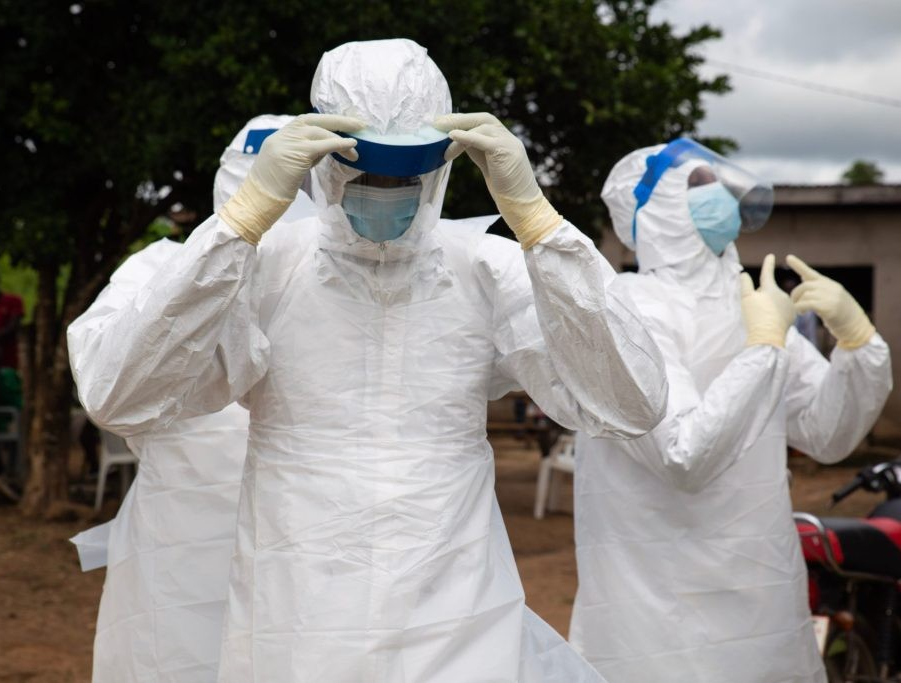
    Illustrative Image: Climate Change and Infectious Diseases in Rural LMICs: A Six-Step Framework for Climate-Resilient Health Systems in East Africa
    Image Source & Credit: Council on Foreign Relations.
    Ownership and Usage Policy

    A recent study by Worsley-Tonks et al. (2025) titled “A framework for managing infectious diseases in rural areas in low-and middle-income countries in the face of climate change—East Africa as a case study” published in PLOS global public health, reveals that climate change is significantly intensifying infectious disease risks in rural LMICs—particularly East Africa—by expanding pathogen hazards.

    Climate change is intensifying infectious disease risks in rural LMICs, requiring climate-resilient health systems built on a six-step strategic framework.
    – Worsley-Tonks et al. 2025

    The study presents a comprehensive review that develops a strategic framework to help health systems adapt to the rising burden of infectious diseases driven by climate change. Focusing on rural communities in East Africa—regions marked by high exposure to climate-related hazards such as droughts and floods, limited access to healthcare, water, and sanitation, and a heavy burden of infectious and neglected tropical diseases (NTDs)—the framework highlights the urgent need for climate-resilient health systems.

    The authors structure their approach around three pillars of infectious disease risk: pathogen hazard (the presence and behavior of disease-causing organisms), exposure (the frequency and intensity of human contact with these hazards), and vulnerability (the susceptibility of individuals and communities to illness). Climate change is reshaping the distribution of vectors like mosquitoes and wildlife reservoirs, increasing spillover risks, while environmental degradation, food insecurity, and migration further amplify exposure and vulnerability. Current health systems in low-resource settings remain ill-equipped to address these evolving challenges.

    To address this gap, the study proposes six strategic steps: (1) educating stakeholders about climate–health connections, (2) promoting interdisciplinary research on disease risk, (3) strengthening surveillance and control through technology and One Health approaches, (4) improving rural infrastructure and preserving biodiversity to reduce exposure, (5) enhancing community resilience via nutrition, vaccination, and adaptive healthcare, and (6) establishing climate–health intelligence teams to guide policy and coordinated response. While East Africa serves as the central case study, the framework is designed to be adapted across other low- and middle-income countries, tailored to local ecological and socio-economic realities. Ultimately, this work issues a clear call to action: integrating climate adaptation into global health strategies is essential to prevent escalating disease burdens in vulnerable rural populations.

    How the Study was Conducted

    This study is a comprehensive review and conceptual framework rather than an empirical field investigation. It was conducted through an extensive literature review, synthesizing existing research on climate change, infectious diseases, and rural health systems in low- and middle-income countries (LMICs), with particular emphasis on East Africa. Building on this evidence base, the authors developed a conceptual framework structured around three central components of infectious disease risk: pathogen hazard (the presence and behavior of disease-causing organisms), exposure (the ways and frequency with which people come into contact with these hazards), and vulnerability (the susceptibility of individuals and communities to illness).

    The study integrated multiple sources of information, including epidemiological data from national and regional health systems, climate data and projections, ecological and socio-economic models, and case studies from East African countries. Insights were also drawn from the One Health and Planetary Health perspectives, highlighting the interconnections between human, animal, and environmental health. To ensure scientific depth and practical relevance, the framework was developed through collaboration among a multidisciplinary team comprising epidemiologists, ecologists, public health experts, veterinarians, and climate scientists. This diversity of expertise allowed for a comprehensive model that reflects both ecological complexity and real-world health system challenges.

    What the Authors Found

    The authors found that climate change is significantly intensifying infectious disease risks in rural LMICs—particularly East Africa—by expanding pathogen hazards, increasing human exposure, and deepening community vulnerability, while current health systems remain underprepared to cope with these evolving threats.

    Why is this important

    Climate Change as a Public Health Emergency
    Shifting weather patterns, rising temperatures, and extreme events are reshaping infectious disease risks by expanding the range of vectors and wildlife reservoirs.

    Rural LMIC Communities Are Most at Risk
    East Africa and similar regions face compounded vulnerabilities—limited healthcare access, high climate exposure, and deep socio-economic challenges—while often remaining invisible to traditional surveillance systems.

    Health Systems Are Underprepared
    Most systems rely on reactive outbreak response. Without proactive, climate-adapted strategies, escalating disease burdens could undermine progress toward global health goals.

    A Globally Relevant Framework
    Although based on East Africa, the proposed six-step framework is adaptable to other LMICs, integrating One Health, biodiversity preservation, infrastructure, and community engagement.

    Strategic Roadmap for Resilience
    The framework enables governments, researchers, and health workers to predict and prevent outbreaks, strengthen rural infrastructure, reduce vulnerabilities, and build climate-resilient health systems.

    What the Authors Recommended

    • The authors emphasise building climate–health awareness among policymakers, health workers, and communities, and integrate climate literacy into health training programs.
    • The study advocates for collaboration across epidemiology, ecology, veterinary science, and climate science, and invest in studies on climate–disease interactions.
    • Leverage digital tools, mobile technologies, and One Health approaches to track and manage human, animal, and environmental health together.
    • Improve rural water, sanitation, and healthcare infrastructure while preserving biodiversity to minimize human–wildlife contact and spillover risks.
    • In addition, support nutrition, vaccination, and mental health programs, with tailored services for mobile and marginalized populations.
    • Establish dedicated units to integrate climate forecasting into health planning, strengthen preparedness, and guide evidence-based policy responses.

    In conclusion, addressing climate-driven infectious disease risks in rural LMICs demands urgent integration of climate adaptation into health systems, ensuring resilience, equity, and sustainability for vulnerable communities.

  • Africa CDC and UK-PHRST Study Highlights Impact of International Health Teams in Strengthening Outbreak Response Across Africa

    Africa CDC and UK-PHRST Study Highlights Impact of International Health Teams in Strengthening Outbreak Response Across Africa


    Illustrative Image: Africa CDC and UK-PHRST Study Highlights Impact of International Health Teams in Strengthening Outbreak Response Across Africa
    Image Source & Credit: CDC
    Ownership and Usage Policy

    A landmark study jointly conducted by the Africa Centres for Disease Control and Prevention (Africa CDC) and the UK Public Health Rapid Support Team (UK-PHRST) has validated the essential contribution of international health teams in reinforcing Africa’s ability to respond to infectious disease outbreaks. Covering operations across African Union (AU) Member States between 2020 and 2023, the study provides a comprehensive evaluation of how international technical deployments have impacted national outbreak preparedness and emergency response systems.

    Unveiled during a high-level virtual workshop held from 23 to 24 June 2025, the study is among the most detailed assessments yet of cross-border public health collaborations during health emergencies on the continent. It confirms that international teams were not only instrumental in providing rapid, short-term surge capacity but also in supporting long-term system-building efforts in critical areas such as epidemiology, laboratory diagnostics, clinical care, infection prevention and control (IPC), risk communication, and disease surveillance.

    A key insight from the findings is that nearly 50% of international deployments addressed two or more of these priority areas simultaneously—underscoring their significance in responding to complex, multidimensional health crises.

    In addition to front-line response support, the study highlights the broader, sustained impact of these teams. Contributions included the delivery of essential medical equipment, construction of infrastructure, development of emergency protocols, staff training, and capacity development initiatives. They also helped streamline coordination structures, fill critical human resource gaps, and transfer valuable knowledge to national personnel, thereby improving readiness for future outbreaks.

    Dr. Radjabu Bigirimana, Programme Lead for Africa CDC’s African Volunteers Health Corps (AVoHC), stated:

    “These deployments have delivered vital expertise, resources, and response capacity when countries needed them most. Yet, they also bring into focus the pressing need to build national capacities and reduce long-term dependency on external actors.”

    One of the report’s central themes is the evolving nature of international support. While national stakeholders broadly acknowledged the timely and effective contributions of international teams, the study also emphasized that future deployments must better align with country-specific priorities, local infrastructure, and long-term health security strategies. Success often hinged on the skill level of deployed personnel and how well they were integrated into national response mechanisms.

    Dr. Edmund Newman, Director of UK-PHRST, reinforced this view, commenting:

    “We need to reimagine global health partnerships. International deployments should not be viewed solely as emergency stopgaps. Instead, they must be seen as strategic, co-developed investments in local public health systems designed to meet both immediate and long-term goals.”

    Dr. Femi Nzegwu, Assistant Professor at the London School of Hygiene & Tropical Medicine and UK-PHRST’s Monitoring, Evaluation and Learning Lead, added:

    “Our findings reflect the lived realities across African countries—where international teams provided critical support but also where there is a clear call for change. Future deployments must be more context-aware, equitable, and empowering, enabling African nations to take full ownership of their outbreak response capabilities.”

    The workshop concluded with the collaborative development of a strategic roadmap to operationalise the study’s recommendations. This roadmap will serve as a practical guide for enhancing the sustainability, effectiveness, and coordination of future international health deployments. It also sets a course for transitioning from reliance on external surge capacity to strengthening endogenous, locally led health systems.

  • Strengthening Africa’s Diagnostic Capacity and Disease Surveillance: Challenges, Insights, and Solutions

    Strengthening Africa’s Diagnostic Capacity and Disease Surveillance: Challenges, Insights, and Solutions

    In the wake of the COVID-19 pandemic, Africa has made strides in its technical capacity to diagnose infectious diseases. However, the continent still faces critical challenges in disease surveillance and diagnostic readiness, underscoring an urgent need to bridge these gaps. Research recently published in Frontiers in Public Health highlights these shortcomings and offers insights into strengthening Africa’s health systems against future outbreaks.

    The Africa Centres for Disease Control and Prevention (Africa CDC) reports that in 2023 alone, the continent experienced 180 public health emergencies. A staggering 90% of these were due to infectious diseases, with 75% being zoonotic in nature. The outbreaks included mpox, diphtheria, dengue, Lassa fever, measles, poliomyelitis, Rift Valley fever, and cholera. These figures emphasize the pressing need for robust diagnostic and surveillance mechanisms.

    Prioritizing Epidemic-Prone Diseases

    Africa CDC has developed a risk-ranking tool—a list of priority epidemic-prone diseases—to guide research, preparedness, and response strategies. This framework not only informs the development of vaccines, diagnostics, and therapeutics but also adapts based on emerging evidence to remain relevant to current challenges.

    “The study conducted by the Africa CDC identifies diagnostic and surveillance gaps, offering valuable insights to guide policymaking, resource allocation, and interventions,” said Dr. Aytenew Ashenafi of the Centre of Laboratory Systems Division, Africa CDC, who led the research.

    Assessing Diagnostic Capacities Across Africa

    The research involved an online self-assessment survey conducted from February to April 2023, covering 15 African Union (AU) Member States. It examined the diagnostic capacity for 22 priority epidemic-prone diseases. The survey aimed to:

    1. Assess existing diagnostic technologies.
    2. Explore challenges in building and maintaining diagnostic capacity.
    3. Analyze current surveillance programs.

    Participating countries spanned all five African regions, including South Africa, Lesotho, and Madagascar in the south; Ethiopia and Somalia in the east; and The Gambia and Sierra Leone in the west. However, significant gaps in participation from certain regions reflect disparities in infrastructure and resources.

    The Africa Laboratory Technical Working Group validated the survey, which was available in English and French, ensuring its robustness.

    Findings: Major Barriers to Diagnostics and Surveillance

    Key challenges identified in the study include:

    • Inconsistent Laboratory Supplies (85%): A critical barrier, with shortages of essential materials like PCR reagents and extraction kits.
    • Inadequate Infrastructure (45%): Many laboratories lack the physical resources required to perform advanced diagnostics.
    • Limited Government Funding (43%): Chronic underinvestment hampers progress in health system development.
    • Inadequate Equipment Management (35%) and Human Resources (25%): These deficiencies limit operational efficiency and scalability.

    Implications and Recommendations

    The variation in laboratory capacities across AU Member States was striking, with some countries exhibiting pronounced limitations. These disparities highlight the need for tailored investments to build resilient diagnostic systems.

    To address these gaps, the study proposes several strategies:

    1. Adopting Rapid Diagnostic Tests and Portable Technologies: These tools can improve accessibility and timeliness in disease detection, especially in remote areas.
    2. Strengthening Laboratory Networks: Collaboration at national and regional levels can foster resource sharing and standardization.
    3. Enhancing Funding Mechanisms: Increased government and international funding is critical to sustain and expand diagnostic capacities.
    4. Fostering Human Resource Development: Training programs can build a skilled workforce to manage and operate advanced diagnostic systems effectively.

    A Roadmap for Resilience

    The study’s findings provide a comprehensive roadmap for AU Member States to enhance laboratory and surveillance capabilities. Targeted investments and informed policymaking can significantly improve Africa’s preparedness for health crises.

    “African countries must prioritize diagnostics, fortify infrastructure, and cultivate regional collaboration to combat future epidemics,” Dr. Ashenafi emphasized.

    By addressing these challenges, Africa can establish a robust public health framework capable of mitigating the impacts of disease outbreaks and ensuring the well-being of its populations. This proactive approach is essential for building a resilient health system that safeguards the continent against future pandemics.

  • Livestock Disease Control in Southeast Nigeria: Key Challenges and Innovative Solutions for Biosecurity and Food Security

    Livestock Disease Control in Southeast Nigeria: Key Challenges and Innovative Solutions for Biosecurity and Food Security

    A recent study by Ikeogu, et al., (2024) titled “Prevalent Livestock Diseases in South East Nigeria and their Control Measures: A Review” published in e-Proceedings of the Faculty of Agriculture International Conference show that underreporting and inaccurate disease identification are significant challenges.

    Underreporting and inadequate diagnostic resources hinder effective livestock disease control in Southeast Nigeria, highlighting the need for improved biosecurity and digital surveillance.– Ikeogu, et al., (2024)

    In a recent study presented at the Second Faculty of Agriculture International Conference at Nnamdi Azikiwe University in Nigeria, researchers explored the intersection of digitalization, bio-conservation, and food security in the context of agriculture. The study provided critical insights into the state of livestock diseases in Southeast Nigeria, public health concerns, and innovative recommendations for improving disease control and food security through digital technologies. The study examined common livestock diseases in the region, analyzing their economic impact and implications for public health. It also reviewed current control measures and highlighted areas for improvement. The authors explore the role of digital technologies in agriculture, emphasizing their potential to improve food security and bio-conservation. This theme underlines the importance of modern technology in tracking and managing livestock health. The study addressed zoonotic diseases—illnesses that can be transmitted from animals to humans—and their public health implications. It stressed the need for robust disease surveillance and reporting systems to prevent outbreaks and protect community health.

    How the Study was Conducted

    The study evaluated livestock diseases prevalent in Southeast Nigeria based on data collected from January 2010 to June 2023 from the epidemiology unit of the Federal Department of Veterinary and Pest Control Services, Federal Ministry of Agriculture and Rural Development Abuja, Nigeria. The study reviewed notifiable diseases reported by the Nigeria Center for Disease Control through its Integrated Disease Surveillance and Response System (IDSR), which are known to be zoonotic. The authors discussed control programs that included biosecurity measures, disease surveillance in flocks and farms, seromonitoring of animals, routine vaccination, accurate diagnosis and treatment of sick animals, and stamping out flocks once a disease is detected.

    What the Authors Found

    The study found that underreporting and inaccurate disease identification are significant challenges. These issues are compounded by a lack of adequate veterinary diagnostic facilities and resources. This makes it difficult to assess the full extent of disease prevalence and economic impact. In addition, the authors found that livestock diseases have a substantial economic impact due to reduced productivity, loss of income, and increased production costs. Addressing these diseases is crucial for sustaining the economic viability of the livestock industry.

    Why is this Important

    Livestock Health and Welfare: Understanding the prevalence of diseases helps improve the health and welfare of livestock. By identifying common diseases, farmers and veterinarians can take preventive measures and provide timely treatment to reduce suffering and mortality.
    Economic Impact: Livestock diseases can have a substantial economic impact. They lead to reduced productivity, loss of income, and increased production costs. By addressing prevalent diseases, the livestock industry can enhance its economic viability.
    Public Health: Some of these diseases are zoonotic, meaning they can be transmitted from animals to humans. By controlling livestock diseases, we also mitigate the risk of human infections. For instance, Tuberculosis and Brucellosis are zoonotic diseases mentioned in the study.
    Food Security: Livestock contributes significantly to food security. Ensuring healthy livestock populations is crucial for meeting protein demands and sustaining food availability.
    Policy and Management: Policymakers can use this information to formulate effective disease control strategies. Recommendations such as improving diagnostic facilities and employing a one health approach can guide policy decisions.

    What the Authors Recommend

    • Given the challenges related to underreporting and inaccurate disease identification, the authors recommend improving veterinary diagnostic facilities. This includes investing in better equipment, training personnel, and ensuring widespread access to accurate diagnostic tools.
    • Biosecurity practices play a vital role in preventing disease spread. The study suggests implementing biosecurity measures on livestock farms, such as controlling animal movement, maintaining hygiene, and preventing contact between healthy and infected animals.
    • Regular surveillance is essential for early detection of diseases. The authors recommend establishing robust disease surveillance systems at both local and national levels. This involves monitoring disease prevalence, outbreaks, and trends.
    • Vaccination is a powerful tool for disease prevention. The study emphasizes the importance of vaccination programs tailored to specific livestock species. Properly administered vaccines can significantly reduce disease incidence.
    • The authors advocate for a “one health” approach, which recognizes the interconnectedness of human, animal, and environmental health. Collaborating across disciplines (veterinary medicine, public health, and environmental science) can lead to more effective disease control strategies.
    • To address data gaps and improve disease reporting, the study proposes developing a digital livestock information system. This system would facilitate real-time data collection, analysis, and reporting.

    In conclusion, addressing livestock diseases in Southeast Nigeria requires a multi-faceted approach that integrates digital technology, robust biosecurity practices, and comprehensive disease surveillance. This study underscores the significant challenges of underreporting and inadequate diagnostic resources, emphasizing the need for better infrastructure, consistent training, and a “one health” strategy that acknowledges the interconnectedness of animal and human health. By implementing effective control measures, investing in digital solutions, and fostering cross-disciplinary collaboration, the livestock industry can reduce disease impact, enhance food security, and safeguard public health. These measures will not only improve the economic viability of livestock farming but also contribute to a more resilient agricultural system in Nigeria.

  • Data Science in Public Health: Transforming Disease Control with Predictive Analytics in the USA and Africa

    Data Science in Public Health: Transforming Disease Control with Predictive Analytics in the USA and Africa

    A recent article by Ogugua, et al., (2024) titled “Data Science in Public Health: A Review of Predictive Analytics for Disease Control in the USA and Africa” published in World Journal of Advanced Research and Reviews, examines that there’s a significant increase in the use of predictive analytics, especially in the USA for chronic disease management and in Africa for infectious disease control.

    predictive analytics is increasingly used in the USA for chronic disease management and Africa for infectious disease control– Ogugua, et al., (2024)

    The study explores the pivotal role of data science in advancing public health, with a particular emphasis on leveraging predictive analytics to enhance disease surveillance and control. The research contrasts the focus on chronic diseases prevalent in the USA with infectious diseases primarily affecting Africa. By examining these distinct public health challenges, the study seeks to uncover innovative solutions for effective health management across different regions. The study highlights the transformative impact of predictive analytics on disease management. This technology uses historical data and machine learning algorithms to forecast disease outbreaks, trends, and potential impacts on populations. In the USA, the emphasis is on chronic diseases such as diabetes and heart disease, whereas in Africa, the focus shifts towards infectious diseases like malaria and HIV/AIDS. Predictive analytics can inform targeted interventions, resource allocation, and tailored healthcare policies. The study provides a comparative analysis of public health systems in the USA and Africa, noting key differences in healthcare infrastructure, financing, and access to resources. While the USA boasts advanced healthcare facilities and a well-structured public health system, Africa faces challenges such as limited access to healthcare, insufficient infrastructure, and inadequate funding. This disparity underscores the importance of context-specific approaches to applying data science in different settings. The ethical use of health data is a core focus of the study. The responsible handling of sensitive information is crucial, especially in ensuring patient privacy and informed consent. The research stresses the need for robust ethical frameworks to guide the use of predictive analytics in public health, safeguarding individuals’ rights while maximizing the benefits of data-driven strategies. The paper discusses the role of technological advancements in enhancing health analytics, emphasizing the potential of AI and machine learning for disease control. These technologies enable real-time data analysis, faster response times, and the identification of patterns that might otherwise go unnoticed. The study underscores how such innovations can lead to more effective disease management strategies and improved health outcomes.

    How the Study was Conducted

    The study employed specific criteria for selecting peer-reviewed literature to ensure the validity and reliability of the research outcomes. Directed qualitative content analysis was utilized, which involved interpreting and making sense of the collected data through a systematic process. The analysis was based on a variety of data sources, including industry-specific factors, optimization algorithms, and healthcare data. The study also proposed combining Data Envelopment Analysis and Spherical Fuzzy MCDM for sustainable supplier selection, illustrating the use of multi-criteria decision-making tools in qualitative analysis.

    What the Authors Found

    The authors found that there’s a significant increase in the use of predictive analytics, especially in the USA for chronic disease management and in Africa for infectious disease control. The authors also found that the future of AI and machine learning in disease control is promising, with potential for innovation and integration into healthcare and public policy.

    Why is this Important

    Improved Public Health Strategies: Understanding the role of data science and predictive analytics in public health allows policymakers and practitioners to develop more effective strategies. By leveraging data-driven insights, they can enhance disease surveillance, prevention, and control.
    Resource Allocation: With insights into trends and challenges, decision-makers can allocate resources more efficiently. For instance, identifying areas where predictive analytics can have the greatest impact helps prioritize investments.
    Global Health Equity: By comparing public health systems in the USA and Africa, the study sheds light on disparities. Addressing these inequities is crucial for achieving global health equity and ensuring that advancements benefit all populations.
    Ethical Frameworks: The ethical considerations highlighted in the study emphasize responsible data use. Establishing robust ethical frameworks ensures privacy protection, informed consent, and minimization of harm.
    Technological Advancements: Recognizing the potential of AI and machine learning in disease control encourages further research and innovation. These technologies can revolutionize healthcare delivery and policymaking.

    What the Authors Recommend

    • The authors encourage collaboration between data scientists, public health experts, and policymakers. Sharing knowledge and best practices across regions can lead to more effective disease control strategies.
    • Authors advocate for allocating resources to strengthen data infrastructure, including data collection, storage, and analysis. Robust data systems are essential for evidence-based decision-making.
    • The authors suggest investing in training programs to build data science capacity within public health institutions. Skilled professionals can drive innovation and implement data-driven solutions.
    • Integrate data science findings into public health policies. The authors recommend that policymakers should consider predictive analytics when designing health programs.

    In conclusion, the study by Ogugua et al. highlights the transformative power of predictive analytics in advancing public health, offering innovative solutions for disease control across different regions. By embracing collaboration, investing in data infrastructure, and prioritizing ethical frameworks, we can harness the full potential of data science to revolutionize healthcare and drive meaningful improvements in disease management. Through these efforts, we can work towards a healthier and more equitable global future.

  • Understanding the Urgent Intersection of Climate Change and Public Health in Africa: Insights from Dr. Ishaku Akyala

    Understanding the Urgent Intersection of Climate Change and Public Health in Africa: Insights from Dr. Ishaku Akyala

    Infectious diseases and public health epidemiologist Dr. Ishaku Akyala, speaking with Science Nigeria, emphasized the dire consequences of climate change on public health in Africa. He highlighted how extreme weather events like floods and heatwaves are significantly increasing disease burdens and fatalities across the continent. These impacts disproportionately affect vulnerable populations such as the poor, women, and children, who struggle with waterborne diseases, malnutrition, and mental health issues.

    Akyala stressed the urgent need for action to address these health challenges and implement strategies to mitigate climate change’s effects. He advocated for enhanced sensitization efforts to educate health systems, governments, and professionals about the intricate relationship between climate change and human health. Interdisciplinary research is crucial for understanding and tackling climate-related health impacts effectively. Raising awareness among the public and policymakers is essential, as governments and health systems must implement coping and adaptation strategies. These strategies should focus on improving water and food security, enhancing healthcare infrastructure, and strengthening disease surveillance and response systems.

    Despite Africa’s vulnerability to climate change, Akyala emphasized the importance of prioritizing recommended actions to better prepare for and mitigate its health impacts. This approach is crucial for safeguarding the well-being of African populations and achieving the UN Sustainable Development Goals related to environmental sustainability. Recent reports from organizations like the Intergovernmental Panel on Climate Change (IPCC) and agreements like the Paris Agreement underscore the urgent need for action to address climate-related disasters in Africa. Sensitizing public health systems and policymakers to these challenges and understanding the link between climate change and human health are vital for effective preparedness and response efforts.

  • Unlocking Health Data Sharing in Africa: Comparative Study and Policy Recommendations

    Unlocking Health Data Sharing in Africa: Comparative Study and Policy Recommendations

    A recent article by Nienaber McKay, et al., (2024) titled “The regulation of health data sharing in Africa: a comparative study” published in Journal of Law and the Biosciences shows that all five countries have enforceable data protection laws that limit personal data processing to a specific, lawful purpose based on consent from the data subject.

    All five African countries possess enforceable data protection laws for health data sharing, emphasizing the need for robust regulatory frameworks – Nienaber McKay, et al., 2024

    This study delves into the regulation of health data sharing in Africa, a topic with far-reaching implications for healthcare, medical research, and disease surveillance. It conducts a comparative analysis of the legal and policy frameworks across five African countries: Ghana, Kenya, Nigeria, South Africa, and Uganda. Through this comparative study, the authors pinpoint the challenges and opportunities surrounding the regulation of health data sharing in Africa. The authors offer recommendations tailored to policymakers, research sponsors, researchers, and other stakeholders to enhance these regulatory frameworks. Additionally, the article explores the pivotal role of emerging digital technologies like artificial intelligence, cloud computing, and application programming interfaces in facilitating and enriching health data-sharing practices. The overarching aim of the article is to contribute to the broader discourse on the ethical, legal, and policy dimensions of health data sharing while providing insights to foster the development of more effective and harmonized regulatory frameworks across the region.

    How the Study was Conducted

    The authors employed a comparative desk-based approach to review the accessible regulatory instruments about the legal and policy frameworks of five African nations: South Africa, Ghana, Kenya, Nigeria, and Uganda. It undertakes a comparative analysis focusing on key aspects such as data protection, consent protocols, data ownership, and data-sharing agreements within these countries. In exploring the regulation of health data sharing in Africa, the study examines a spectrum of factors influencing these regulations, including technological advancements, motivational factors, economic considerations, political dynamics, legal frameworks, and ethical considerations. A pivotal component of the study involves the collection, analysis, and organization of data pertaining to the regulation of health data sharing in the five countries. This data is synthesized into a comprehensive table (Table 1), which succinctly outlines the primary features of each country’s legal and regulatory framework in this domain.

    What the Authors Found

    The authors found that all five countries have enforceable data protection laws that limit personal data processing to a specific, lawful purpose based on consent from the data subject. The authors also found that the countries vary in terms of their legal and regulatory frameworks for health data sharing, such as the provisions for cross-border transfers, data ownership, and data-sharing agreements. The authors further posit that the countries face various challenges in health data sharing, such as technical, motivational, economic, political, legal, and ethical barriers. In addition, the countries also have some enablers for health data sharing, such as dedicated legislation, appointed data processors and controllers, transparency and communication, and oversight authorities.

    Why is this Important

    Healthcare Improvement: Effective health data sharing can lead to better healthcare outcomes. When health data is shared across borders and institutions, it enables more accurate diagnoses, personalized treatment plans, and improved patient care.
    Disease Surveillance and Control: Timely sharing of health data is crucial for disease surveillance and control. It allows for early detection of outbreaks, tracking of infectious diseases, and implementation of preventive measures.
    Medical Research and Innovation: Health data sharing facilitates medical research and innovation. Researchers can access diverse datasets to study diseases, develop new treatments, and enhance medical knowledge.
    Public Health Policies: Policymakers rely on health data to formulate evidence-based public health policies. Accurate and comprehensive data informs decisions related to healthcare infrastructure, resource allocation, and preventive measures.
    Ethical Considerations: Balancing data sharing with privacy and consent is essential. Striking the right balance ensures that individuals’ rights are respected while enabling collective benefits from health data sharing.
    Global Health Challenges: In an interconnected world, health challenges transcend national boundaries. Collaborative data sharing is critical for addressing global health crises such as pandemics and emerging diseases.
    Economic and Social Impact: Efficient health data sharing contributes to economic growth by promoting research, innovation, and investment in healthcare. It also impacts social equity by ensuring equal access to healthcare services.

    What the Authors Recommend

    • The authors emphasis that policymaker should developed robust regulatory frameworks that promote health data sharing while protecting individual privacy rights in Africa.
    • The authors recommend that government should inspiring policy reform and stimulating debate around the need for regulatory reform in the region and enhancing the interaction, communication, and sharing of best practices between the data protection authorities in Africa.
    • In addition, the study suggest that stakeholders should respond to the new digital technology developments such as artificial intelligence in health care with appropriate legal and ethical safeguards.

    In conclusion, the comparative study on health data sharing in Africa underscores the critical need for robust regulatory frameworks that balance the imperatives of innovation and privacy protection. As nations navigate the complexities of data sharing, policymakers, stakeholders, and researchers must collaborate to foster transparency, uphold ethical standards, and promote inclusive access to healthcare resources. By embracing emerging technologies responsibly and fostering cross-border dialogue, Africa can pave the way for transformative advancements in healthcare delivery, disease surveillance, and medical research, ultimately enhancing the well-being of its populations and contributing to global health resilience.

  • Global Health Security Initiative: Pandemic Fund’s $500 Million Call for Proposals 2024 – Strengthening Early Warning Systems, Laboratories, and Public Health Capacities

    Global Health Security Initiative: Pandemic Fund’s $500 Million Call for Proposals 2024 – Strengthening Early Warning Systems, Laboratories, and Public Health Capacities

    The Pandemic Fund is pleased to announce its second Call for Proposals (CfP) starting December 22, 2023. This call invites eligible countries, regional entities, and implementing entities to submit proposals for potential projects to be supported by an initial funding of US$500 million. The online application portal will open in late February 2024, with the deadline for submission on May 17, 2024.

    Objectives:

    The primary focus remains on high-impact investments in early warning and disease surveillance systems, laboratory systems, and the strengthening of human resources and public health capacities. The Pandemic Fund aims to enhance global readiness to prevent, prepare for, and respond to health emergencies.

    Timeline and Process:

    • December 22, 2023: CfP announced, Guidance Note released.
    • Late February 2024: Technical evaluation criteria, scoring methodology, and application template released. Online portal opens.
    • May 17, 2024: Deadline for proposal submission.
    • June – August 2024: Technical Advisory Panel reviews eligible proposals.
    • September – October 2024: Governing Board reviews proposals, announces selected projects based on the number of submissions.

    Priority Areas:

    The second CfP prioritizes investments in early warning and disease surveillance systems, laboratory systems, and human resources/public health capacities. Emphasis is placed on community engagement, civil society involvement, gender equity, and a One Health approach.

    Types of Proposals:

    Three types of proposals will be accepted: single-country, multi-country, and regional entity proposals.

    Key Application Documents: Refer to the Call for Proposals Guidance Note, Results Framework, and Guiding Principles for Co-financing, Co-investment, and Country Ownership.

    Information Sessions: The Pandemic Fund will organize information sessions following the release of the application portal, template, and updated evaluation criteria in late February 2024.

    Submission Instructions: Complete the Funding Proposal Template on the Pandemic Fund’s application portal (live in late February).

    Language of Submission: All proposals and accompanying documents should be submitted in English. Translation assistance is encouraged.

    Privacy Notice:

    Participants must provide personal details, collected by the World Bank, for the selection process. Data will be destroyed three years after completion, except for selected proposals, which may be published. The World Bank processes details in accordance with the Privacy Notice.

    Eligible Countries and Regional Entities:

    All countries eligible for financing from IDA and IBRD are eligible to apply. Exceptions apply to the 16 countries awarded single-country grants in the first CfP. Regional entities include specialized technical institutions and regional development communities. (eligible countries)

    Implementing Entities:

    Financing will be channeled through approved Implementing Entities. Proposals must identify at least one from the list of thirteen currently approved entities.

    For detailed eligibility criteria and other requirements, refer to the Guidance Note. Information sessions will be conducted post-portal release. Stay tuned for updates. The Pandemic Fund looks forward to impactful proposals that contribute to global health security.

    Download the Call for Proposals – Guidance Note here.

    Visit the Pandemic Fund’s website for more information- here

  • Empowering African Health: Genomics Advancements, COVID-19 Resilience, and Ethical Frontiers in Research

    Empowering African Health: Genomics Advancements, COVID-19 Resilience, and Ethical Frontiers in Research

    A recent study by Ibe et al., (2023) titled “Advancing disease genomics beyond COVID-19 and reducing health disparities: what does the future hold for Africa?” published in Briefings in Functional Genomics by Oxford Academic Journal shows that genomics research in Africa has made significant progress and faced various challenges, especially in the context of the COVID-19 pandemic.

    Genomics research in Africa, amid COVID-19 challenges, advances disease diagnosis, prevention, and control, emphasizing transformative potential, ethical conduct, and collaboration.– Ibe et al., 2023

    Unlocking the genetic code of African populations has emerged as a beacon of hope in the realm of health research. This study delves into the current landscape and future trajectories of genomics research in Africa, spotlighting infectious diseases, non-communicable diseases, and the transformative impact of genomics amidst the challenges posed by the COVID-19 pandemic. The seismic shockwaves of the COVID-19 pandemic have prompted a rapid evolution in the application of genomics tools. The authors dissect how genomics has become an instrumental force in disease surveillance, diagnosis, and the quest for effective prevention and control measures. The narrative intricately weaves through the challenges encountered and the prospects that lie ahead, ensuring the lessons learned from the pandemic propel sustained advancements in genomics research. In the quest for scientific progress, ethical considerations stand as sentinels guarding the integrity of genomics research. The article navigates the complex terrain of ethical, legal, and societal issues arising from genomics endeavours in Africa. From data sharing and informed consent to the imperatives of privacy, the discourse underscores the delicate balance required to uphold ethical standards while propelling translational research that bridges the gap between discovery and application. A spotlight on genomics’ role in understanding and managing non-communicable diseases sheds light on groundbreaking insights. From cancer to HIV and TB, genomics research emerges as a powerful tool in unravelling the intricacies of diseases that disproportionately affect African populations. The authors commence with a panoramic view of the strides made in genomics research across the African continent. Pioneering initiatives and collaborative networks have played pivotal roles in fortifying capacity, and infrastructure, and fostering international collaboration. A nuanced exploration of key developments unfolds, showcasing a mosaic of efforts poised to redefine the future of African health research.

    The Key Initiatives, Networks and Collaborations that have Advanced Genomics Capacity and Innovation in Africa

    Human Heredity and Health in Africa (H3Africa): A consortium of African and international partners that aims to promote genomics research and capacity building in Africa, with a focus on common diseases and health disparities. H3Africa has established several research projects, biobanks, data-sharing platforms and training programmes across the continent.

    African Society of Human Genetics (AfSHG): A professional society that aims to promote research, education and advocacy in human genetics and genomics in Africa. AfSHG has organised several conferences, workshops and training courses on genomics and related topics, and has collaborated with other organisations to advance genomics research in Africa.

    African Genome Variation Project (AGVP): A collaborative effort to study the genetic diversity and variation of African populations using next-generation sequencing and other methods AGVP has generated genomic data from over 1,000 individuals from 18 African countries and has contributed to the development of a reference genome for African populations.

    H3ABioNet: A pan-African bioinformatics network that provides training, support and infrastructure for genomics research and data management in Africa. H3ABioNet has developed several tools, databases and platforms for genomic data analysis, sharing and visualization and has trained hundreds of African scientists and students in bioinformatics and related fields.

    African Collaborative Center for Microbiome and Genomics Research (ACCME): A research centre that focuses on the microbiome and genomics of infectious diseases in Africa, such as HIV, TB, malaria, and diarrheal diseases. ACCME has established several research projects, training programs, and collaborations across Africa and has contributed to the development of new diagnostic and therapeutic tools for infectious diseases.

    These initiatives, networks and collaborations have contributed to building genomics capacity, infrastructure and innovation in Africa, and have enabled African scientists and institutions to participate more actively and equitably in the global genomics community.

    What the authors found

    The authors found that genomics research in Africa has made significant progress and faced various challenges, especially in the context of the COVID-19 pandemic. The study found that genomics tools can be leveraged to improve disease diagnosis, surveillance, prevention and control of infectious diseases in Africa, such as COVID-19, HIV, TB, malaria and fungal infections. The authors explore how genomics research can also advance and reshape cancer research in Africa, by identifying genetic variants, biomarkers, and drug targets for common and rare cancers.

    Why is this important

    The study’s implications resonate with the potential of genomics to provide a holistic understanding of genetic and environmental factors influencing disease outcomes. From infectious diseases to non-communicable ailments, the far-reaching impact of genomics is underscored, emphasizing the need for continued collaboration, innovation, and ethical conduct. The article concludes by envisioning a future where genomics seamlessly integrates into public health systems, fostering a healthier Africa.

    In conclusion, the landscape of genomics research in Africa stands as a beacon of hope, navigating the challenges posed by infectious and non-communicable diseases, while resiliently adapting to the seismic shockwaves of the COVID-19 pandemic. The concerted efforts of key initiatives, collaborative networks, and ethical frameworks have propelled significant progress in capacity building, infrastructure, and international collaboration. As genomics tools continue to unravel the intricacies of diseases disproportionately affecting African populations, the study envisions a future where genomics seamlessly integrates into public health systems, fostering a healthier Africa. The journey from understanding genetic codes to practical applications underscores the transformative potential of genomics, urging sustained collaboration, innovation, and ethical conduct for a brighter and healthier tomorrow.