Tag: cyber threats

  • Strengthening Cybersecurity in Construction: Strategies to Protect Project Data from Phishing, Ransomware, and Digital Threats in the Industry 4.0 Era

    Strengthening Cybersecurity in Construction: Strategies to Protect Project Data from Phishing, Ransomware, and Digital Threats in the Industry 4.0 Era


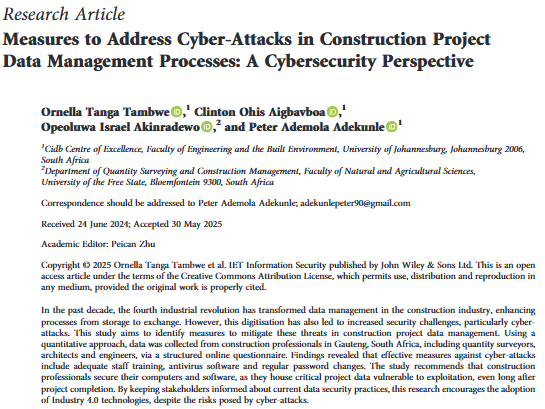
    Illustrative Image: Strengthening Cybersecurity in Construction: Strategies to Protect Project Data from Phishing, Ransomware, and Digital Threats in the Industry 4.0 Era
    Image Source & Credit: IETresearch
    Ownership and Usage Policy

    A recent study by Tambwe et al. (2025) titled “Measures to Address Cyber‐Attacks in Construction Project Data Management Processes: A Cybersecurity Perspective” published in IET Information Security reveals that the industry faces escalating risks from phishing, ransomware, SQL injection, malware, insider threats, data loss, and denial-of-service (DDoS) attacks.

    Effective cybersecurity in construction requires combining human awareness, organizational policies, and technical safeguards for robust data protection.– Tambwe et al. 2025

    The study explores the growing intersection of digital transformation and cybersecurity in the construction industry. As the sector embraces Industry 4.0 technologies and increasingly digitizes its project data, it becomes more exposed to a range of cyber threats that can disrupt operations, compromise data integrity, and damage reputations. The research focuses on identifying the cybersecurity threats affecting construction data management, evaluating the protective measures currently adopted by professionals, and recommending strategies to strengthen data security across construction projects. The findings reveal that the industry faces escalating risks from phishing, ransomware, SQL injection, malware, insider threats, data loss, and denial-of-service (DDoS) attacks. These threats not only jeopardize sensitive information but also lead to project delays, financial losses, and reputational damage.

    Overall, the study emphasizes that cybersecurity is a vital component of modern construction project management. Technical tools alone are insufficient; human awareness, organizational policies, and compliance with standards are equally crucial. A multi-layered defense strategy, integrating technology, governance, and education, offers the most effective protection. Finally, the research notes that while budget constraints in developing countries remain a barrier to robust cybersecurity adoption, cost-effective alternatives such as open-source tools and cloud-based services can provide practical and scalable solutions to enhance data protection in construction projects.

    How the Study was Conducted

    The study adopted a quantitative research methodology to evaluate how construction professionals manage cybersecurity risks in project data management. A structured online questionnaire, designed using Google Forms, was distributed through LinkedIn and email to reach professionals across Gauteng Province, South Africa. Participants included quantity surveyors, architects, civil, mechanical, and electrical engineers, IT professionals, construction managers, and project managers, all selected based on their professional experience and affiliations.

    To ensure fairness and diversity, a random sampling method was employed, targeting 115 professionals, with 81 valid responses received. The research was ethically approved by the Ethics and Plagiarism Committee of the University of Johannesburg (Approval No. UJ-FEBE-FEPC00246).

    Data collected were analyzed using statistical techniques. Respondents rated cybersecurity measures on a five-point Likert scale, and results were converted into Mean Item Scores (MIS) for ranking. Descriptive statistics were used to interpret demographic data, while Exploratory Factor Analysis (EFA) grouped related cybersecurity measures. The Kruskal–Wallis H test was applied to examine differences in perceptions among professional groups, with p-values less than 0.05 indicating statistically significant variations.

    Overall, the analysis enabled the identification of the most valued cybersecurity measures and assessed the extent of agreement among various professional disciplines in managing cybersecurity risks in construction project data management.

    What the Authors Found

    The authors found that effective cybersecurity in construction project data management depends on a multi-layered approach combining staff training, technological safeguards (like encryption and VPNs), and strong regulatory compliance, as human awareness and organizational strategies were found to be just as crucial as technical measures in mitigating cyber risks.

    Why is this important

    Safeguarding Sensitive Construction Data: The study underscores the urgent need to protect confidential project information—such as designs, contracts, and client details—from cyber-attacks using measures like encryption, VPNs, and staff training to prevent financial losses, delays, and legal risks.

    Promoting Secure Digital Transformation: By addressing cybersecurity concerns, the study provides a clear roadmap for safely integrating Industry 4.0 technologies—including BIM, IoT, and AI tools—helping construction firms adopt digital innovations with confidence.

    Advancing Affordable Cybersecurity for Developing Economies: It highlights that cost-effective solutions like cloud-based systems, open-source software, and public–private partnerships can enable small and medium-sized firms in developing countries to strengthen cybersecurity without excessive costs.

    Strengthening Human-Centered Security: Recognizing that technology alone is insufficient, the study identifies staff training as the most effective defense, emphasizing the importance of human awareness and a strong organizational security culture.

    Delivering Data-Driven Insights for Strategic Decision-Making: Through rigorous statistical analysis, the research offers evidence-based guidance to help construction firms prioritize the most effective cybersecurity measures and allocate resources more strategically.

    What the Authors Recommended

    • The authors recommend prioritizing continuous staff training and cybersecurity awareness programs to reduce insider threats and human error. Educating employees on data protection, password management, and phishing prevention is identified as the most effective first line of defence.
    • A comprehensive defence strategy should combine technical, organizational, and regulatory measures. This includes deploying firewalls, antivirus software, encryption, VPNs, IDS/IPS, SSL, regular backups, software updates, and aligning with recognized standards such as the NIST SP 800-30 framework.
    • To overcome budget limitations—particularly in developing countries—the authors advise using open-source tools and cloud-based services and forming government-private sector partnerships to subsidize training and security initiatives, focusing on low-cost, high-impact actions.
    • Organizations are encouraged to include cyber insurance as part of their overall risk management strategy to mitigate potential financial losses from data breaches, ransomware, or system disruptions.
    • Furthermore, the study urges construction firms to adopt Industry 4.0 technologies—such as BIM, IoT, and AI—while integrating robust cybersecurity measures that evolve alongside technological advancements, enabling safe and confident digital transformation.
    • In addition, recognizing the diversity of infrastructure and expertise across regions, the authors recommend tailoring cybersecurity strategies to local conditions and fostering collaboration among academia, industry, and government to strengthen cybersecurity capacity and resilience.

    In conclusion, the study by Tambwe et al. (2025) reinforces that safeguarding construction project data requires more than just advanced technology—it demands a comprehensive, human-centered cybersecurity culture supported by affordable, scalable solutions and continuous collaboration across industry, academia, and government to ensure resilient and secure digital transformation in the construction sector.

  • Impact of Data Privacy Regulations on Cybersecurity in Nigeria and Africa: NDPR, Malabo Convention, and Best Practices

    Impact of Data Privacy Regulations on Cybersecurity in Nigeria and Africa: NDPR, Malabo Convention, and Best Practices


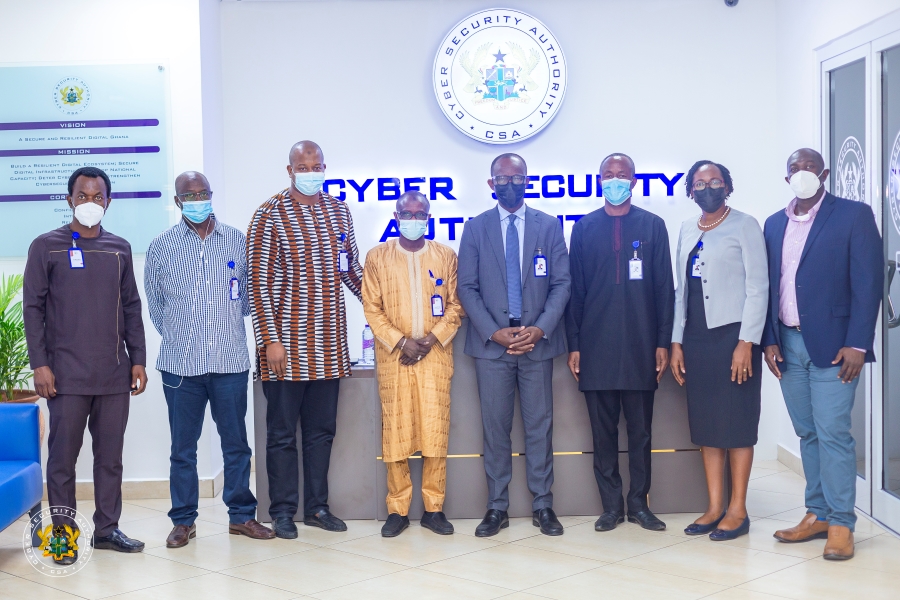
    Illustrative Image: Impact of Data Privacy Regulations on Cybersecurity in Nigeria and Africa: NDPR, Malabo Convention, and Best Practices
    Image Source & Credit: Innovation-village
    Ownership and Usage Policy

    A recent study by Asere et al. (2025) titled “The Effects of Data Privacy Regulations on Cybersecurity Practices in Nigeria and Africa” published in the Journal of Cyberspace Studies reveals that Nigeria’s Data Protection Regulation (NDPR) and the African Union’s Malabo Convention have positively influenced cybersecurity practices, particularly within large organizations.

    Data privacy regulations like Nigeria’s NDPR and the AU Malabo Convention significantly improve cybersecurity, though SMEs and fragmented laws face challenges.
    – Asere et al. 2025

    This study examines the influence of data privacy regulations on cybersecurity practices across Nigeria and other African nations, focusing on the interaction between legal frameworks and technical defences. It addresses the central question: Do privacy laws genuinely enhance cybersecurity?

    Regulatory Impact
    Nigeria’s Data Protection Regulation (NDPR) and the African Union’s Malabo Convention have positively influenced cybersecurity practices, particularly within large organizations. Compliance with these frameworks has prompted the adoption of stronger security measures, improved data handling practices, and heightened organizational awareness of cyber risks. Similarly, countries with comprehensive privacy laws, such as South Africa with POPIA, demonstrate higher levels of cybersecurity maturity. Empirical evidence from Kenya’s financial sector indicates a 25% reduction in cyber incidents following regulatory implementation.

    Sectoral and Organizational Disparities
    Despite these gains, challenges remain. Small and medium-sized enterprises (SMEs) often struggle with compliance due to limited technical expertise and financial resources. Sectoral differences are notable: banking and telecommunications sectors tend to achieve higher compliance rates, while healthcare and education lag behind. Cross-border collaboration is also hindered by fragmented privacy laws across African nations, limiting regional cybersecurity coordination.

    Enforcement and Awareness Challenges
    Inconsistent enforcement, political instability, and insufficient funding undermine the effectiveness of privacy regulations. Moreover, low awareness among organizations, particularly in informal sectors, continues to impede adherence to cybersecurity best practices.

    Theoretical Frameworks
    This review draws on Regulatory Compliance Theory, which suggests that organizations comply with regulations primarily due to legal obligations and reputational concerns, and the Risk Management Framework (RMF), which emphasizes proactive risk assessment and mitigation as central to robust cybersecurity strategies.

    Gaps and Research Opportunities
    Key research gaps include the lack of studies on SMEs and informal sectors, limited comparative analyses across African jurisdictions, and insufficient exploration of sector-specific impacts—especially in healthcare and education. Additionally, there is a need to understand how data privacy regulations influence innovation and technology startups.

    How the Study was Conducted

    This study employed a qualitative, exploratory approach through a Systematic Literature Review (SLR) to examine the impact of data privacy regulations on cybersecurity practices in Nigeria and across Africa. Rather than collecting new data, existing literature, policies, and frameworks were analyzed to identify patterns, challenges, and outcomes.

    Relevant literature was sourced from academic databases (IEEE Xplore, SpringerLink, ScienceDirect, Google Scholar, ResearchGate), regional platforms (African Journals Online), and official websites (NITDA, NCC, AU, ECOWAS). The search used keywords including: “Data privacy regulations in Nigeria,” “Cybersecurity practices in Africa,” “GDPR and African data protection laws,” “Impact of data protection on cybersecurity,” and “Nigerian Data Protection Regulation (NDPR).”

    Inclusion criteria encompassed studies addressing both data privacy laws and cybersecurity in Nigeria or Africa, including peer-reviewed articles, government reports, and policy papers published in English. Studies were excluded if they focused solely on cybersecurity without regulatory context, lacked African relevance, were duplicates, or were non-English publications.

    A thematic analysis was conducted, with findings coded into key themes such as regulatory frameworks, compliance challenges, enforcement mechanisms, and cybersecurity outcomes. Synthesizing these themes allowed for comprehensive insights into the role of data privacy regulations in shaping cybersecurity strategies.

    The study relied solely on publicly available secondary data. Ethical standards were maintained through proper citation and adherence to academic integrity.

    What the Authors Found

    The authors found that data privacy regulations in Nigeria and across Africa (e.g., NDPR and the Malabo Convention) have positively influenced cybersecurity practices by encouraging organizations to adopt stronger, more proactive measures. However, the effectiveness of these regulations is limited by enforcement gaps, resource constraints—particularly for SMEs—fragmented legal frameworks, and socio-political barriers, meaning that while progress is evident, full cybersecurity resilience has not yet been achieved.

    Why is this important

    Digital Growth and Vulnerability
    Africa is experiencing rapid internet penetration, mobile adoption, and digital service expansion. However, this growth increases exposure to cyber threats, especially as many countries still lack robust data privacy laws.

    Importance of Data Privacy Regulations
    Legal frameworks like Nigeria’s NDPR and the AU’s Malabo Convention provide the mandate for organizations to protect personal data, driving investments in cybersecurity infrastructure and building trust in digital platforms.

    Risks of Weak Regulation
    Without effective laws, Africa faces rising cybercrime, particularly affecting SMEs and vulnerable sectors such as healthcare and education. Fragmented legal frameworks also hinder cross-border collaboration and cybersecurity enforcement.

    Strategic Implications for the Continent
    Strengthening regulations, building capacity in regulatory bodies, and harmonizing laws across nations are essential for a resilient and secure African digital ecosystem.

    What the Authors Recommended

    • Enhance the technical capacity, funding, and autonomy of regulatory bodies like Nigeria’s NITDA to ensure effective enforcement of data privacy laws, including regular audits and compliance checks.
    • Promote cross-border collaboration and alignment of data privacy regulations across African nations to tackle transnational cyber threats and build a unified digital security framework.
    • Provide small and medium-sized enterprises with targeted assistance, such as subsidized cybersecurity tools, training programs, and simplified compliance guidelines, to prevent weak links in the digital ecosystem.
    • Launch public campaigns to educate citizens and businesses on data privacy rights and cybersecurity best practices, and integrate these topics into academic curricula to develop skilled professionals.
    • Equip regulatory staff with up-to-date technical knowledge and skills to monitor, assess, and respond to evolving cyber threats effectively.
    • Support local research on cybersecurity trends and data protection challenges, and encourage innovation hubs to develop indigenous cybersecurity solutions tailored to African contexts.
    • Encourage organizations to implement risk-based frameworks to prioritize threats, allocate resources efficiently, and strengthen overall cybersecurity resilience.

    In conclusion, data privacy regulations such as Nigeria’s NDPR and the African Union’s Malabo Convention have played a pivotal role in strengthening cybersecurity practices across Africa. While large organizations show notable improvements in data protection and risk management, challenges persist for SMEs, healthcare, and education sectors due to limited resources, fragmented legal frameworks, and enforcement gaps. Addressing these barriers through regulatory capacity building, cross-border harmonization, targeted support for smaller enterprises, and increased public awareness is essential. By fostering a proactive, risk-based approach to cybersecurity, African nations can enhance digital trust, protect sensitive data, and build a resilient, secure digital ecosystem that supports sustainable technological growth.

  • The Malabo Convention: Africa’s Cybersecurity and Data Protection Framework Explained

    The Malabo Convention: Africa’s Cybersecurity and Data Protection Framework Explained

    Introduction

    The African Union (AU) Convention on Cyber Security and Personal Data Protection, commonly referred to as the Malabo Convention, represents a groundbreaking legal framework designed to enhance cybersecurity, regulate electronic transactions, and safeguard personal data across Africa. Officially adopted on 27 June 2014 in Malabo, Equatorial Guinea, the convention seeks to unify the continent’s approach to digital governance and fortify its defenses against cyber threats.

    Despite its early adoption, it took nearly a decade for the convention to enter into force. As stipulated in Article 36, the treaty required at least 15 ratifications from AU member states to become legally binding. This milestone was reached in May 2023 when Mauritania ratified the convention, triggering its official implementation 30 days later, on 8 June 2023.

    Key Provisions of the Malabo Convention

    The Malabo Convention is a comprehensive treaty that establishes a legal and regulatory framework covering four crucial areas:

    1. Cybersecurity and Cybercrime
      One of the convention’s primary objectives is to combat cyber threats and criminal activities conducted in digital spaces. It criminalizes offenses such as hacking, identity theft, cyber fraud, and online financial crimes. Additionally, it outlines the legal procedures for investigating and prosecuting cybercriminals while encouraging cross-border collaboration among AU member states to combat transnational cyber threats effectively.
    2. Personal Data Protection
      In recognition of the right to privacy, the convention mandates the establishment of national legal frameworks to regulate the collection, processing, storage, and transfer of personal data. To ensure compliance, the convention requires AU member states to create independent data protection authorities tasked with enforcing regulations and monitoring adherence to privacy standards.
    3. Electronic Transactions
      As Africa increasingly embraces digital commerce, the Malabo Convention aims to facilitate secure electronic transactions. It provides guidelines for the legal recognition of electronic communications, electronic signatures, and digital contracts, fostering trust and confidence in online financial activities. This provision is particularly crucial for boosting e-commerce and digital trade across the continent.
    4. International Cooperation
      Given the borderless nature of cyber threats, the convention underscores the importance of international collaboration. It promotes the sharing of intelligence, coordinated legal responses, and mutual assistance among African nations to address cybersecurity challenges and uphold data protection standards.

    Ratification Status and Challenges

    On 8 June 2023, the Malabo Convention officially came into effect after securing ratifications from 15 AU member states, including Angola, Benin, Chad, Congo, Egypt, Gabon, Gambia, Guinea-Bissau, Lesotho, Mauritania, Namibia, Niger, São Tomé and Príncipe, Senegal, and Zambia. However, notable economic and technological powerhouses, such as South Africa, have yet to ratify the convention. Some countries have expressed reservations about aligning their national legislation with the convention’s provisions, citing concerns about potential conflicts with existing laws and regulatory frameworks.

    Why the Delayed Ratification?

    The protracted ratification process of the Malabo Convention can be attributed to several factors:

    1. Pre-existing National and Regional Frameworks
      Many African nations have already enacted national data protection laws that are often more robust and aligned with global standards, such as the European Union’s General Data Protection Regulation (GDPR). Additionally, regional blocs like the East African Community (EAC) and the Economic Community of West African States (ECOWAS) have developed their own digital security and data protection frameworks, reducing the perceived necessity of adopting the Malabo Convention.
    2. Competing Digital Governance Frameworks
      The emergence of the African Continental Free Trade Agreement (AfCFTA) and its forthcoming Digital Protocol, which includes provisions on data flows and cybersecurity, has offered countries an alternative regulatory mechanism. Many nations see AfCFTA’s digital framework as a more modern and trade-oriented approach, potentially rendering the Malabo Convention less relevant in the broader scheme of Africa’s economic integration.
    3. Limited Political Will and Institutional Support
      The dual focus of the Malabo Convention on cybersecurity and data protection has complicated its adoption. Some African governments prioritize cybersecurity for national security reasons but approach data protection differently, often under separate regulatory bodies. Additionally, the absence of a strong oversight mechanism within the AU has hindered widespread implementation. Without a central institution driving ratification and compliance, many countries have deprioritized the convention.
    4. Perceived Outdated Provisions
      Since its adoption in 2014, the digital landscape has evolved significantly, with new challenges such as artificial intelligence, cross-border data flows, and cloud computing emerging as critical concerns. Critics argue that the Malabo Convention lacks comprehensive provisions addressing these modern issues, making it less appealing to nations seeking up-to-date digital governance frameworks.

    The Road Ahead: Strengthening Africa’s Digital Future

    The enforcement of the Malabo Convention represents a significant milestone in Africa’s journey toward a harmonized digital ecosystem. However, the varying pace of ratification and implementation underscores the need for continued efforts to modernize and align the convention with contemporary digital realities. Moving forward, the AU could consider:

    • Updating the Convention: Introducing amendments that incorporate emerging trends in cybersecurity, data governance, and digital trade could enhance its relevance.
    • Establishing an Oversight Body: Creating a dedicated AU institution to monitor, facilitate, and support the implementation of the convention would improve adoption rates.
    • Promoting Awareness and Capacity Building: Educating governments, businesses, and the public on the benefits of a unified cybersecurity and data protection framework could accelerate ratification and compliance.
    • Enhancing Regional and Global Collaboration: Aligning the Malabo Convention with other global digital governance frameworks, such as GDPR and AfCFTA’s Digital Protocol, would foster a more integrated and adaptable regulatory environment.

    In conclusion, while the Malabo Convention is a crucial step in Africa’s cybersecurity and data protection journey, its long-term effectiveness depends on sustained efforts to refine its provisions, encourage wider adoption, and integrate it within Africa’s broader digital transformation agenda.

  • Cybersecurity in Africa: Automating and Predicting Threats for a Secure Digital Transformation

    Cybersecurity in Africa: Automating and Predicting Threats for a Secure Digital Transformation

    As digital transformation accelerates worldwide, the vast amount of data being generated presents significant opportunities for innovation and growth. However, this surge in data also creates heightened risks for cybercrime. In Africa, where digital adoption is increasing rapidly, the threats posed by cybercriminals are more sophisticated than ever before. The continent’s evolving digital landscape makes it a target for cyberattacks that could cause severe financial losses, disrupt business operations, and compromise sensitive information.

    A Growing Market for Cybersecurity

    The global digital economy is expanding, with the big data market projected to grow from USD 138.9 billion in 2020 to USD 229.4 billion by 2025. Much of this growth is driven by the demand for data-driven decision-making, which is transforming how businesses operate. However, with the increased collection, storage, and analysis of data comes the need for more robust cybersecurity measures.

    In Africa, where digital infrastructure is developing rapidly, the cyber risk profile is also growing. With internet users on the continent expected to reach 1.1 billion by 2029, cybersecurity is a critical concern. South Africa, for example, ranks cyber incidents as the second most pressing risk, behind infrastructure failures, according to the Allianz Risk Barometer. The continent is already grappling with a range of cyber threats, from ransomware and phishing to malware and large-scale data breaches.

    Unfortunately, many African organizations are ill-equipped to handle these sophisticated attacks. Outdated legacy security systems that rely on manual processes are struggling to keep up with the scale of the data being generated. This gap leaves businesses vulnerable to attacks that can go undetected until it’s too late.

    The Role of Automation and Predictive Analysis

    In response to the increasing complexity and frequency of cyberattacks, businesses in Africa are turning to advanced technology companies, such as Liquid Intelligent Technologies, to implement automation in their cybersecurity strategies. Automation enables the handling of tasks traditionally done by human analysts, including network monitoring, vulnerability detection, and incident response. This shift leads to greater efficiency, fewer errors, and significantly faster response times, freeing up human resources to focus on other critical aspects of the business.

    Even more transformative is the integration of predictive analytics. Powered by machine learning algorithms, predictive analytics analyze the massive amounts of data generated by businesses to detect patterns and predict potential threats before they manifest. Unlike traditional manual systems that react after an attack occurs, predictive analytics can proactively address vulnerabilities, significantly improving an organization’s defenses.

    These intelligent systems offer continuous monitoring and real-time analysis, identifying abnormal behavior and signs of potential threats far more accurately than older, manual approaches. The ability to learn from data patterns and adapt over time makes these systems invaluable, especially as the number of internet-connected devices in Africa continues to grow.

    Legislative Support for Cybersecurity

    African governments are also recognizing the critical importance of cybersecurity. In South Africa, for example, the Cybercrimes Act of 2020 establishes a legal framework for combating cyber threats. Such legislation creates a foundation for countries across the continent to develop more comprehensive cybersecurity policies, which are essential as Africa becomes more interconnected and digitally driven.

    A Multi-Layered Approach to Cyber Defense

    One of the key strengths of modern cybersecurity solutions is the ability to combine multiple layers of protection. A collaborative approach, using a variety of technologies in tandem, ensures that businesses are protected on multiple fronts. For instance, companies like Liquid Intelligent Technologies use a combination of AI-driven tools to monitor networks for threats, block suspicious traffic, and isolate devices showing signs of malicious activity.

    Automated platforms are also employed to analyze logs from various systems, detecting anomalies that could indicate a security breach. Chatbots assist security teams by guiding them through response protocols during potential incidents. Machine learning algorithms assess risk, suggest fixes for vulnerabilities, and optimize security measures based on real-time data. This multi-layered defense strategy offers businesses the highest level of protection, ensuring that all aspects of their digital infrastructure are covered.

    Preparing Africa for Digital Transformation

    Although advanced automation and predictive analytics represent the future of cybersecurity, the journey toward full digital transformation in Africa is complex. Many countries still face challenges related to infrastructure, such as fiber connectivity, as well as issues like limited awareness, skills shortages, and economic disparities.

    However, organizations that have already begun adopting these cutting-edge technologies are experiencing significant benefits. As they embrace digital transformation, they are able to innovate and grow while knowing that their digital assets are protected from cybercriminals. For Africa to fully realize its digital potential, investments in infrastructure, education, and cyber awareness must accompany the introduction of advanced cybersecurity solutions. Only then can the continent move forward securely into the digital age.

    In conclusion, the future of cybersecurity in Africa lies in embracing automation and predictive technologies. These innovations will play a pivotal role in protecting businesses from the ever-evolving threats posed by cybercriminals, ensuring that Africa’s digital transformation is not only successful but secure.

  • Strengthening Cybersecurity: The Vital Role of Internal Audit in Governance and Risk Management

    Strengthening Cybersecurity: The Vital Role of Internal Audit in Governance and Risk Management

    In an era marked by rapidly evolving cybersecurity threats, organizations face significant challenges in protecting their digital assets and sensitive information. The role of internal audit functions has become increasingly vital in navigating these challenges and enhancing cybersecurity measures. As the third line of defense in cybersecurity governance, internal auditors provide independent assurance and evaluation, playing a pivotal role in ensuring robust risk management practices and regulatory compliance.

    Assessing Cybersecurity Governance

    Effective cybersecurity governance is essential for aligning cybersecurity objectives with the organization’s overall strategic goals. Internal auditors assess the establishment and effectiveness of cybersecurity policies, procedures, and frameworks. This includes evaluating the clarity of roles and responsibilities within the organization. By scrutinizing the governance structure, internal audit functions can identify areas for improvement and ensure that cybersecurity efforts are integrated into the organization’s overarching governance framework.

    Statistical Insights

    1. Cybersecurity Governance Impact: A study by the International Data Corporation (IDC) revealed that organizations with strong cybersecurity governance frameworks experience 30% fewer security incidents compared to those with inadequate governance structures.
    2. Internal Audit Contribution: Research by the Institute of Internal Auditors (IIA) found that 82% of organizations view internal audit functions as instrumental in assessing and improving cybersecurity governance.
    3. Organizational Integration: According to the Grant Thornton Business Pulse report, 45% of mid-market businesses have implemented a cybersecurity framework, 37% have defined cyber strategies, policies, and procedures, but only 29% have a dedicated team focusing on cybersecurity.

    These statistics highlight the critical role of internal audit functions in reinforcing cybersecurity governance within organizations.

    Evaluating Risk Management Practices

    Cybersecurity risk management involves identifying, analyzing, and mitigating risks related to information technology and security. Internal auditors play a crucial role in evaluating the organization’s risk management practices. This includes the identification of cyber risks, the effectiveness of risk assessment methodologies, and the adequacy of risk mitigation strategies. By conducting comprehensive risk assessments and evaluating risk management processes, internal audit functions help organizations prioritize their cybersecurity efforts and allocate resources effectively.

    The “Cost of a Data Breach Report 2023” by IBM Security and the Ponemon Institute highlighted that the global average cost of a data breach increased by 2.3% compared to the previous year, reaching $4.45 million. The report also noted that the average time to identify and contain a data breach was 196 days, underscoring the prolonged exposure of sensitive data and the potential for extensive damage.

    Data Privacy Concerns

    Data privacy has emerged as a significant risk for businesses, with data breaches posing substantial threats to organizational reputation and financial stability. Various countries have responded by implementing stringent data privacy laws and regulations. Internal audit functions are well-positioned to assess and mitigate these risks effectively, ensuring compliance with regulatory requirements and protecting sensitive data.

    Enhancing Control Processes

    Cybersecurity control processes serve as the frontline defenses against cyber threats. Internal auditors assess the design and effectiveness of these controls, which include technical controls, administrative controls, and physical controls. By evaluating processes such as access controls, encryption mechanisms, and incident response procedures, internal audit functions help identify weaknesses and vulnerabilities in the organization’s cybersecurity defenses. Furthermore, internal auditors ensure that control processes are properly implemented and monitored to detect and respond to cyber threats in a timely manner.

    Cloud Security Challenges

    One area where companies often fall short is in cloud assurance. Major cloud service providers like Microsoft Azure and Amazon Web Services offer robust security measures, but the responsibility for configuring and securing the environment ultimately lies with the organization. In the shared cloud model, ensuring the proper configuration and implementation of security measures becomes even more critical. Many companies mistakenly believe that migrating to the cloud automatically addresses all security concerns. However, inadequately configured environments can leave organizations vulnerable to cyber threats.

    According to a recent survey by McAfee, 83% of organizations store sensitive data in the cloud, yet only 29% have implemented proper security measures to protect it. This highlights the urgent need for organizations to enhance their cloud security practices.

    Leveraging Cybersecurity Topical Requirements

    The cybersecurity topical requirements published by the IIA provide a structured approach to assessing cybersecurity practices. These requirements cover key areas such as governance, risk management, and control processes. By following these guidelines, internal audit teams can ensure their assessments are comprehensive and aligned with industry standards. Additionally, using cybersecurity topical requirements facilitates consistency and comparability across internal audit engagements, enabling organizations to benchmark their cybersecurity practices against industry peers.

    Conclusion

    Internal audit functions play a crucial role in enhancing cybersecurity within organizations. By leveraging established frameworks and standards, such as the cybersecurity topical requirements published by the IIA, internal auditors help organizations assess and improve their cybersecurity governance, risk management, and control processes. Through thorough assessments and valuable insights, internal audit functions contribute to strengthening the organization’s cyber posture and mitigating the risks associated with cyber threats.

  • Addressing Africa’s Rising Cyber Threats: AI-Powered Attacks and Critical Infrastructure Vulnerabilities

    Addressing Africa’s Rising Cyber Threats: AI-Powered Attacks and Critical Infrastructure Vulnerabilities

    In recent years, Africa has witnessed a surge in cyber threats, with cybercriminals increasingly targeting critical infrastructure and employing sophisticated techniques powered by artificial intelligence (AI). This trend underscores the evolving nature of cyber warfare and the need for robust cybersecurity measures across the continent.

    Changing Landscape of Cyber Threats

    Despite a decrease in overall cyber threats across several major economies in Africa, countries like Kenya and South Africa have experienced significant spikes in specific types of cyber-attacks. Ransomware attacks in Kenya rose by 68%, while phishing attacks targeting sensitive information surged by 29% in South Africa.

    Cyber attackers are now leveraging advanced technologies, including AI and large language models (LLMs), to conduct more convincing social engineering attacks. Maher Yamout, lead security researcher at Kaspersky, highlights the alarming trend of cybercriminals incorporating AI into their toolkits to enhance the effectiveness of their tactics.

    The Role of AI in Cyber Attacks

    The use of AI technologies such as LLMs has lowered the barrier to entry for cybercriminals, enabling them to create convincing phishing emails, synthetic identities, and deepfake content. These AI-powered threats pose significant challenges to cybersecurity experts, requiring organizations to continually adapt their defense strategies to combat evolving attack vectors.

    However, the rise of AI-driven cyber threats exacerbates existing social and economic inequalities. Issues such as biased facial recognition systems, financial fraud, and AI-powered targeting disproportionately impact African citizens, highlighting the need for comprehensive regulatory frameworks and ethical guidelines in AI development and deployment.

    Targeting Critical Infrastructure

    Critical infrastructure systems in Africa are increasingly vulnerable to cyber-attacks, with a significant percentage of operational technology (OT) computers encountering threats. Cybercriminals and nation-state groups exploit vulnerabilities in OT systems, posing risks to economic stability, public safety, and national security.

    As tensions escalate on economic, political, and climate fronts, hacktivism has emerged as a prominent threat. Diverse motives drive hacktivist groups, ranging from country-specific protests to socio-cultural and macro-economic agendas like eco-hacktivism, complicating the threat landscape further.

    Rise of Mobile Threats

    Mobile devices serve as the primary gateway to the Internet for many Africans, making them susceptible to mobile threats. In 2023, Kaspersky reported a 10% increase in threats targeting mobile devices, including ransomware and SMS phishing attacks.

    The normalization of remote work globally has contributed to the rise in mobile threats, posing additional challenges for organizations. Protecting remote employees requires robust security measures and adherence to best practices to safeguard personal and corporate data.

    Mitigating Cyber Risks

    To mitigate cyber risks effectively, organizations must prioritize patching software, managing credentials, and securing endpoints. Proactive measures such as regular training and certification of cybersecurity personnel can enhance their capabilities in preventing and responding to cyber-attacks.

    In conclusion, the escalation of cyber threats and the proliferation of AI-powered attacks underscore the urgent need for collaborative efforts among governments, organizations, and cybersecurity experts to bolster Africa’s cyber resilience. By adopting proactive strategies and leveraging emerging technologies responsibly, Africa can navigate the evolving cybersecurity landscape and mitigate the risks posed by sophisticated cyber threats.