Tag: community trust

  • Addressing the Critical Shortage of Endocrine Clinical Trials in Sub-Saharan Africa: Barriers, Impact, and Strategic Recommendations

    Addressing the Critical Shortage of Endocrine Clinical Trials in Sub-Saharan Africa: Barriers, Impact, and Strategic Recommendations

    A recent study by Azeez, T. A. (2025) titled “Deficiency of Clinical Trials on Endocrine Disorders: Perspectives from Sub-Saharan Africa” published in Nigerian Journal of Medicine reveals that Sub-Saharan Africa faces a severe shortage of endocrinologists

    Sub-Saharan Africa suffers a severe shortage of endocrine clinical trials due to systemic, cultural, and infrastructural barriers limiting evidence-based care.
    -Azeez, T. A. 2025

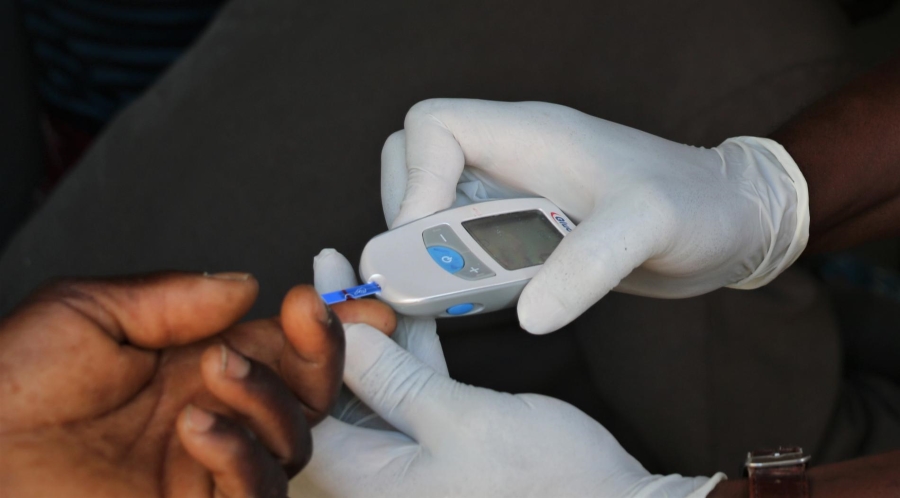
    The study provides a comprehensive review of the critical shortage of clinical trials on endocrine and metabolic disorders in the region, examining the barriers that contribute to this gap and its impact on evidence-based medical practice. Sub-Saharan Africa faces a severe shortage of endocrinologists—for instance, Nigeria has only one endocrinologist per million people compared to one per 41,000 in the U.S.—which limits research capacity and trial participation. Funding constraints further exacerbate the issue, as the continent’s clinical trial market was just $0.91 billion in 2023, prompting pharmaceutical companies to withdraw and leaving local researchers struggling to secure grants. Health priorities are heavily skewed toward infectious diseases like HIV, malaria, and tuberculosis, resulting in underfunded endocrine research.

    Limited research skills and mentorship among clinicians often lead to poorly designed trials that fail ethical review or sponsorship. Recruitment challenges arise because some endocrine disorders are rare or underdiagnosed, while community distrust—rooted in past unethical studies—complicates participation, alongside cultural barriers such as language diversity, reliance on traditional medicine, and gender-based consent restrictions. The situation is further worsened by weak collaboration and infrastructure, with minimal regional cooperation, few tertiary hospitals, and limited access to diagnostic tools and trial registries. Brain drain also depletes research leadership, as skilled professionals migrate abroad. Even when trials are conducted, results are seldom published or translated into practice due to a lack of journals, conferences, and industry support.

    How the Study was Conducted

    The authors employed a comprehensive literature search across multiple sources, including African Journal Online, Cochrane Library, PubMed, Embase, Google Scholar, Scopus, preprint servers such as medRxiv, AfricArxiv, and Research Square, as well as grey literature. Their search strategy employed keywords like “clinical trials,” “barriers,” “limitations,” “endocrinology,” “endocrine disorders,” “metabolic disorders,” and “Africa,” supplemented by specific country names (e.g., “Nigeria,” “Kenya”) and refined using Boolean operators such as “AND” and “OR.”

    The review focused on clinical trials related to screening, procedures, devices, prevention, diagnosis, and treatment of endocrine and metabolic disorders. Its primary objective was to identify and analyze the barriers that hinder clinical trial implementation in the region and propose recommendations for enhancing research capacity and output. By using this methodology, the authors were able to provide a comprehensive, evidence-informed overview of systemic challenges in Sub-Saharan Africa without conducting new fieldwork.

    What the Author Found

    The authors found that Sub-Saharan Africa faces a severe shortage of clinical trials on endocrine and metabolic disorders due to a complex interplay of systemic, cultural, and infrastructural barriers—including insufficient human resources, limited funding, weak research infrastructure, poor training and collaboration, disease-specific challenges, and community-level mistrust—hindering evidence-based endocrinology in the region.

    Why is this important

    Global Health Equity
    The absence of local clinical trials means treatment guidelines rely on data from other regions, which may not reflect African genetics, lifestyles, or healthcare contexts, leading to misaligned care and poor outcomes.

    Evidence-Based Medicine
    Clinical trials form the foundation of medical decision-making. Without local data, physicians must rely on imported evidence that may not be relevant, undermining care quality and credibility.

    Economic and Policy Impact
    The lack of trials discourages pharmaceutical investment and innovation, while governments continue to underfund non-communicable diseases, perpetuating neglect despite rising disease rates.

    Capacity Building
    Highlighting these gaps can drive training of endocrinologists, strengthen research infrastructure, and foster regional collaboration through mentorship, funding, and policy reform.

    Community Trust and Engagement
    Addressing past unethical trials and cultural concerns transparently is essential to rebuild public trust and encourage meaningful participation in research.

    Rising Disease Burden
    Non-communicable diseases like diabetes and obesity are increasing in urban Africa. Without local trials, future responses will lack evidence-based guidance.

    What the Author Recommended

    • Train and retain more endocrinologists, provide mentorship, and offer continuous education in clinical research methodologies to reduce brain drain.
    • Increase government and donor investment, establish dedicated research institutions, and improve access to diagnostic tools, reagents, and trial facilities.
    • Prioritize endocrine disorders in health policy, create legislation to encourage industrial research involvement, and develop Africa-based clinical guidelines.
    • Build regional networks among endocrinologists, promote multi-center trials, and foster partnerships with international researchers and institutions as well as educate the public on trial value and safety, address cultural barriers, and ensure ethical standards and transparency to rebuild trust.
    • Enhance access to journals, conferences, and trial registries, encourage publication of results, and support industry translation of findings into health products.

    Sub-Saharan Africa faces a critical deficit in clinical trials for endocrine and metabolic disorders due to systemic, cultural, and infrastructural barriers, and addressing these challenges through targeted training, increased funding, strengthened research infrastructure, regional collaboration, and community engagement is essential to improve evidence-based care, foster innovation, and enhance health outcomes across the continent.
  • Faith-Based Organizations as Key Players in Disaster Management: Addressing Urban Risks in Informal Accra

    Faith-Based Organizations as Key Players in Disaster Management: Addressing Urban Risks in Informal Accra

    A recent article by Okyere, et al., (2024) titled “Faith-based organizations and disaster management in informal urban Accra” published in Environmental Hazards, by Taylor & Francis shows that the rapid and unplanned urban expansion in Dome contributes to urban risks like flash floods and landslides.

    Faith-Based Organizations in Accra’s Dome community play a critical role in disaster management, providing preparation, response, and recovery services during emergencies.

    – Okyere, et al., (2024)

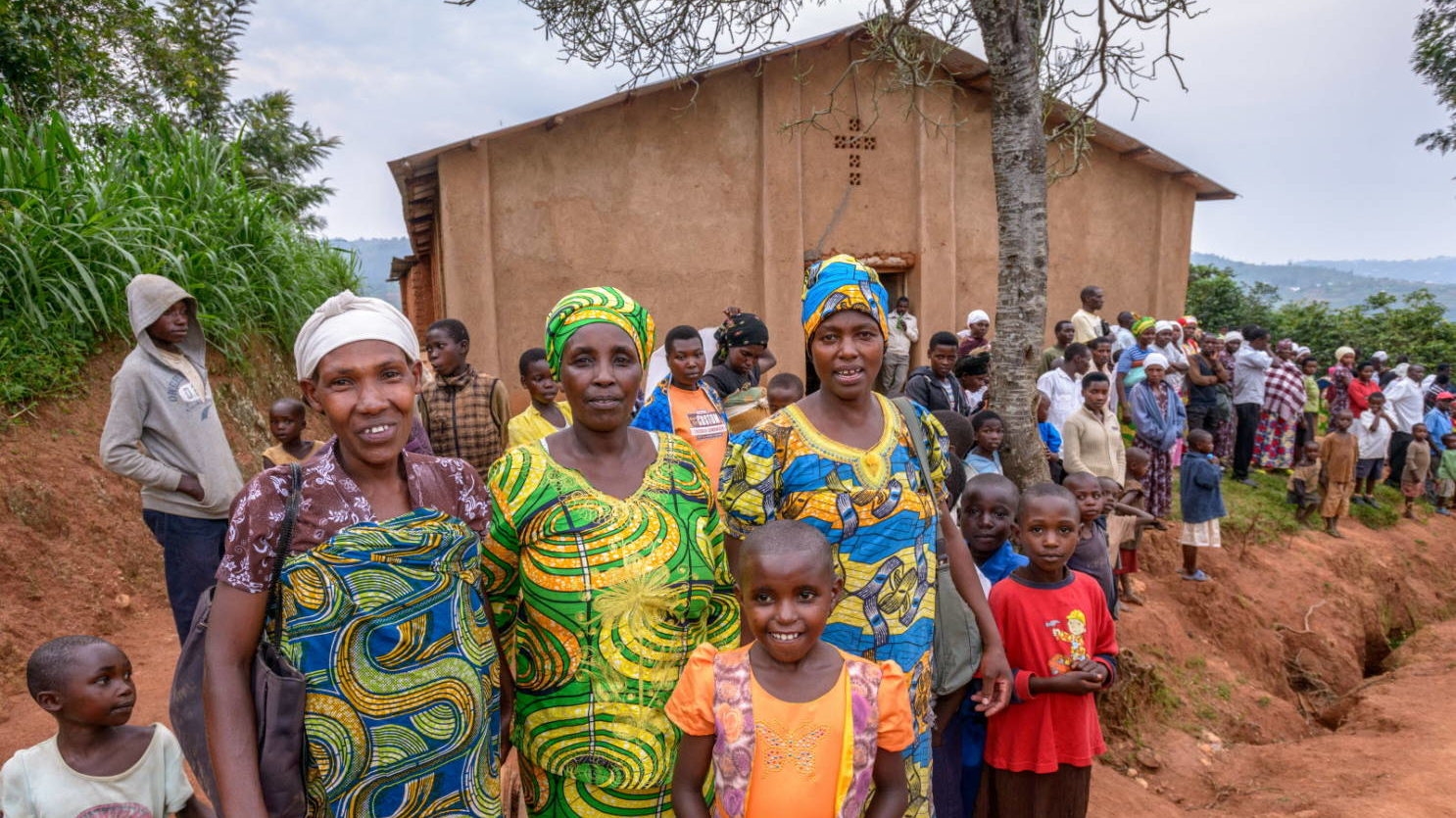
    The study focuses on the role of Faith-Based Organizations (FBOs) in disaster management within the informal settlement of Dome, which is part of the Ga East Municipal Assembly (GEMA) in Ghana. Dome, the largest community in GEMA, has an estimated population of nearly 50,000. It is particularly vulnerable to storm surges and flooding due to its rapid and often unplanned urban expansion. This unregulated growth has led to the development of urban riskscapes, including flash floods and landslides, posing significant hazards to the local population. FBOs play a crucial role in disaster management in this context. These organizations are not only centers of spiritual support but also serve as community hubs that can mobilize resources and coordinate response efforts in times of crisis. Their involvement spans the entire disaster management cycle, from preparation and response to recovery. In preparation for potential disasters, FBOs often raise awareness among their congregations, promoting disaster readiness and community resilience. They might conduct training sessions on emergency response, first aid, and evacuation procedures. By engaging their members in these activities, FBOs help build a sense of community and shared responsibility. During disaster response, FBOs often provide immediate relief services, such as shelter, food, and medical assistance. Their established networks and trusted presence in the community enable them to respond quickly to emergencies. FBOs also play a key role in disseminating information, ensuring that residents are aware of safety measures and resources available during a crisis. Funding for FBOs’ disaster management activities comes from a variety of sources. Congregational offerings and tithes are common, but FBOs may also receive support through Islamic practices such as ‘Zakat,’ which is a mandatory form of charity, and ‘Sadaqah,’ a voluntary charitable donation. These financial resources allow FBOs to sustain their disaster management activities and continue serving the community. The study underscores the importance of recognizing and supporting the work of FBOs in disaster management. Integrating their efforts with broader municipal and national disaster response strategies can enhance the overall effectiveness of disaster preparedness and recovery in areas like Dome.

    How the Study was Conducted

    The authors employed a qualitative case study design was chosen due to the exploratory nature of the study. It was selected to better understand the sociocultural and religious factors influencing disaster management regimes. An interview guide with open-ended questions was developed to collect data. This allowed interviewees to freely express their opinions and experiences. Community leaders were contacted to identify suitable participants, including FBOs, local government representatives, and residents affected by disasters. The interview questions were vetted by the research team and analyzed for accuracy by seven experts with over ten years of experience in disaster management.

    What the Authors Found

    The authors found that dome has an estimated population of 49,790 and is particularly vulnerable to storm surges and flooding. The authors also found that the rapid and unplanned urban expansion in Dome contributes to urban risks like flash floods and landslides. In addition, Faith-Based Organizations (FBOs) play a crucial role in disaster management, helping with preparation, response, and recovery.

    Why is this Important

    Community Resilience: By recognizing and integrating FBOs, disaster management efforts can be more effective. FBOs often have strong community ties and can mobilize resources quickly during emergencies.
    Local Knowledge and Trust: FBOs are embedded in the local context, understanding the community’s needs, culture, and vulnerabilities. Their presence builds trust among residents, making it easier to disseminate disaster preparedness information.
    Complementary Efforts: FBOs complement government and NGO efforts. While formal institutions may face bureaucratic challenges, FBOs can act swiftly and provide immediate relief.
    Holistic Approach: FBOs address not only physical needs but also emotional and spiritual well-being. This holistic approach is crucial during and after disasters.
    Sustainable Solutions: Integrating FBOs ensures long-term sustainability. They continue their work beyond immediate crises, promoting disaster risk reduction and community resilience.

    What the Authors Recommend

    • The authors recommend fostering collaboration between FBOs, local government agencies, and non-governmental organizations (NGOs). Integrating FBOs into disaster management planning and response efforts can enhance overall effectiveness.
    • The authors recommend providing training and capacity-building programs for FBOs. This includes disaster risk reduction, emergency response protocols, and community engagement strategies.
    • The authors emphasize that FBOs can play a vital role in disseminating disaster preparedness information. Encourage them to conduct awareness campaigns within their congregations and the broader community.
    • The authors also emphasize on recognizing the diversity of FBOs (e.g., Christian, Islamic, traditional) and involve them in disaster management discussions. Tailor strategies to address specific cultural and religious contexts.

    In summary, Faith-Based Organizations (FBOs) play a pivotal role in disaster management within the informal urban setting of Accra’s Dome community. Their deep-rooted connections, cultural insights, and resource mobilization capabilities are instrumental in addressing the urban risks associated with rapid, unplanned expansion. Through awareness campaigns, emergency response training, and holistic support, FBOs not only provide immediate disaster relief but also contribute to long-term community resilience. By fostering collaboration with local government and NGOs, integrating diverse religious perspectives, and promoting sustainable solutions, FBOs are helping to transform disaster-prone areas into more prepared and cohesive communities. The importance of their role in the broader disaster management landscape cannot be understated, serving as a model for integrating faith-based initiatives into urban disaster preparedness and response efforts.