Tag: collaborative learning

  • Inquiry-Based Teaching Boosts Geometry Learning: Study Shows Improved Student Understanding, Performance, and Attitudes

    Inquiry-Based Teaching Boosts Geometry Learning: Study Shows Improved Student Understanding, Performance, and Attitudes


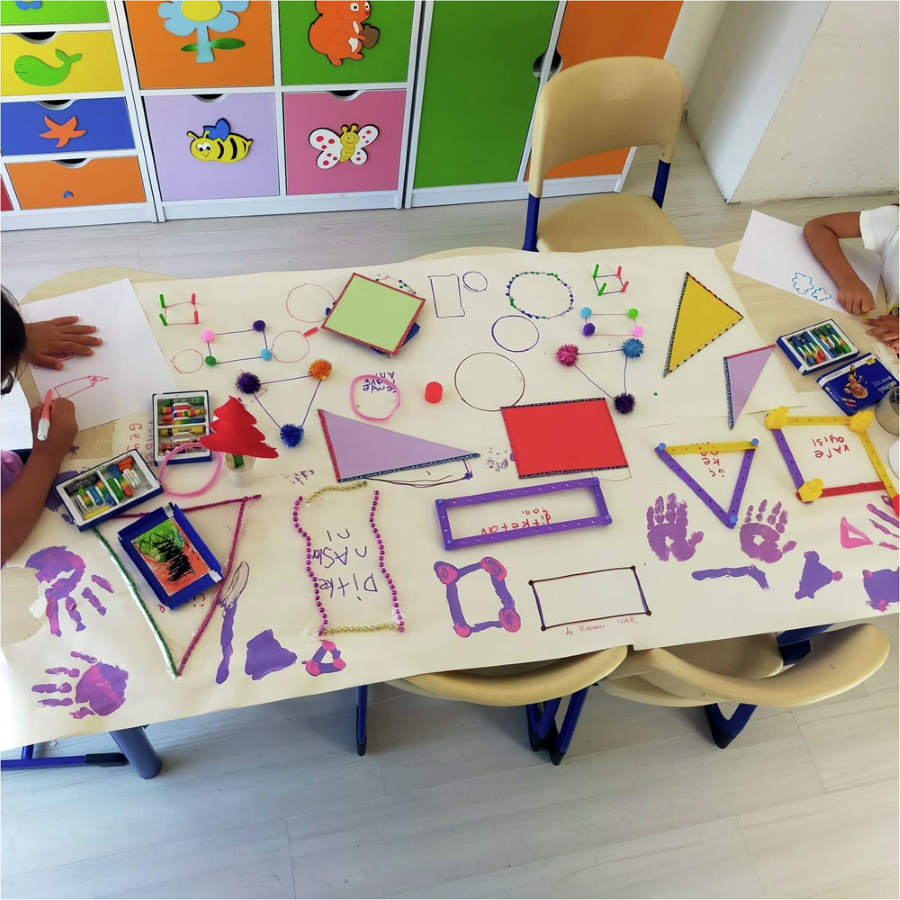
    Illustrative Image: Inquiry-Based Teaching Boosts Geometry Learning: Study Shows Improved Student Understanding, Performance, and Attitudes
    Image Source & Credit: nature.com
    Ownership and Usage Policy

    A recent study by Kumazah, V., & Agyei, D. D. (2025) titled “Enhancing High School Geometry Learning with Inquiry-Based Teaching: Impact on Student Understanding, Performance, and Attitudes” published in the African Journal of Educational Studies in Mathematics and Sciences reveals inquiry-based teaching significantly enhanced students’ understanding, performance, and attitudes toward geometry.

    Inquiry-based teaching significantly improves high school students’ understanding, performance, and attitudes toward geometry through active, student-centered learning strategies.
    – Kumazah, V., & Agyei, D. D. 2025

    The article study investigates the influence of inquiry-based teaching methods on high school students’ comprehension, academic performance, and attitudes toward geometry. Rooted in constructivist learning theory and informed by the van Hiele model of geometric thought, the study employs a design-based research methodology framed within a descriptive case study. This dual-layered approach allows for both practical implementation and reflective analysis of the teaching intervention in a real classroom context. At the heart of the research is inquiry-based learning (IBL)—a pedagogical strategy that positions students as active participants in the learning process. Rather than passively receiving information, learners engage in questioning, exploring, and constructing their own understanding of geometric concepts through hands-on activities and collaborative problem-solving. This aligns with constructivist principles, which emphasize the importance of prior knowledge and cognitive engagement in the learning process. The van Hiele theory, which describes five hierarchical levels of geometric thinking—from visualization (Level 0) to rigor (Level 4)—serves as the theoretical backbone for assessing students’ cognitive development in geometry. The study found that through sustained exposure to inquiry-based teaching, many students advanced to higher van Hiele levels. This progression indicates a deeper conceptual grasp of geometric relationships and reasoning patterns. In terms of measurable outcomes, students exhibited marked improvements in their academic performance in geometry. Test scores and classroom assessments revealed that learners not only acquired better problem-solving skills but also demonstrated greater fluency in applying geometric principles to new situations. Moreover, the study documented a positive shift in student attitudes toward geometry. Learners expressed increased enthusiasm, motivation, and confidence in their abilities to tackle geometric problems. This attitudinal change is significant, as affective factors like self-efficacy and interest are known to play a pivotal role in sustained academic success.

    How the Study was Conducted

    The author’s study employed a design-based research approach within a descriptive case study framework to explore the effects of inquiry-based teaching on senior high school students’ understanding, performance, and attitudes toward geometry. Conducted in two Ghanaian high schools, the study involved eight in-service mathematics teachers (IMTs) and 87 students. The IMTs participated in professional development workshops focused on constructivist learning principles and the van Hiele theory of geometric thinking. These sessions equipped teachers with the skills to collaboratively design structured, inquiry-based lesson plans aligned with the Ghanaian Core Mathematics curriculum. Micro-teaching sessions were integral to the process, allowing for feedback-driven refinements before full implementation. In the classroom, teachers employed a range of inquiry-based strategies, including the use of essential questions, student-centered engagement activities, cooperative learning, and varied instructional resources. Lessons were delivered through iterative cycles, with strategies continuously refined based on classroom observations and feedback. To assess the impact of this instructional approach, both quantitative and qualitative data were collected. The Van Hiele Geometry Test (VHGT) measured students’ levels of geometric reasoning, the Geometry Achievement Test (GAT) evaluated performance, and the Geometry Attitude Scale (GAS) assessed students’ motivation and self-confidence. Additionally, classroom observations, interviews, and student feedback provided valuable qualitative insights.

    What the Authors Found

    The authors found that inquiry-based teaching significantly enhanced students’ understanding, performance, and attitudes toward geometry.

    Why is this important

    This study is important because it addresses a longstanding issue in mathematics education: students’ struggles with learning geometry effectively. Despite its significance in daily life, logical reasoning, and problem-solving, many students find geometry challenging due to its abstract nature. Traditional teaching methods often fail to engage students, leading to low performance and poor attitudes toward the subject.

    Improves Student Understanding: The study demonstrates that inquiry-based teaching significantly enhances students’ geometric thinking, enabling them to grasp complex concepts better.

    Boosts Performance: By applying student-centered learning strategies, students achieve higher scores in geometry assessments, indicating improved comprehension.

    Encourages Active Learning: Inquiry-based teaching shifts the classroom dynamic from teacher-led instruction to student exploration, fostering curiosity and engagement.

    Develops Positive Attitudes: The study highlights how this approach increases motivation and self-confidence, helping students overcome anxiety and frustration with geometry.

    Provides Educators with Effective Strategies: Teachers gain practical methods to enhance their instructional approach, leading to better learning outcomes across classrooms.

    Aligns with Global Educational Trends: Many educational researchers advocate for active learning methods, such as inquiry-based learning, to prepare students for real-world problem-solving.

    What the Authors Recommended

    • Mathematics educators should integrate inquiry-based strategies—such as essential questioning, collaborative learning, and active student engagement—into constructivist classrooms. This approach promotes deeper understanding and fosters a more student-centered learning environment.
    • Teachers should participate in ongoing training to design and implement effective inquiry-based lesson plans. Continuous professional development will enhance their pedagogical skills and improve student learning outcomes in geometry.
    • To boost student motivation and confidence, educators should employ a variety of instructional materials and activities that make geometry lessons interactive, relatable, and engaging.
    • Schools should utilize both formative and summative assessments—such as the Van Hiele Geometry Test (VHGT), Geometry Achievement Test (GAT), and Geometry Attitude Scale (GAS)—to monitor students’ geometric reasoning, performance, and attitudes effectively.
    • Educational policymakers should embed inquiry-based learning into the national mathematics curriculum. Schools must provide the necessary support for teachers to successfully adopt and sustain student-centered instructional approaches.

    In conclusion, the study by Kumazah and Agyei (2025) offers compelling evidence that inquiry-based teaching can significantly transform geometry education by enhancing students’ understanding, boosting academic performance, and fostering positive attitudes toward the subject. By grounding instruction in constructivist principles and the van Hiele model, and emphasizing active student participation, educators can create more engaging, effective learning environments. The findings underscore the need for continuous professional development, curriculum reform, and supportive school policies to fully realize the benefits of inquiry-based approaches in mathematics classrooms.

  • Leveraging AI to Advance Sustainable Development Goals in South Africa’s Higher Education

    Leveraging AI to Advance Sustainable Development Goals in South Africa’s Higher Education

    A recent study by Opesemowo, O. A. G., & Adekomaya, V. (2024) titled “Harnessing Artificial Intelligence for Advancing Sustainable Development Goals in South Africa’s Higher Education System: A Qualitative Study,” published in the International Journal of Learning, Teaching and Educational Research, examines that AI technologies have transformed student learning by providing individualized and adaptable learning experiences.

    AI significantly enhances education in South Africa, promoting personalized learning, inclusivity, and SDG advancement, despite infrastructural and resource challenges.– Opesemowo, O. A. G., & Adekomaya, V. (2024

    This article examines the role of artificial intelligence (AI) in advancing Sustainable Development Goals (SDGs) within South Africa’s higher education sector. It delves into the adoption of AI technologies in South African universities, highlighting challenges, strategies, and potential future directions. Using a qualitative research approach, the study focuses on the experiences and perspectives of lecturers from the Department of Information Sciences at the University of Johannesburg. AI is utilized to enhance student learning and engagement by offering personalized learning experiences and improving educational outcomes. By addressing educational disparities, enhancing access to quality education, and fostering inclusive learning environments, AI significantly contributes to achieving SDGs. However, the integration of AI in higher education is hindered by challenges such as infrastructural limitations, skills shortages, and budgetary constraints.

    How the Study was Conducted

    The study employed a qualitative research methodology based on constructivist principles to explore the dynamics of AI in advancing Sustainable Development Goals (SDGs) within South Africa’s higher education system. The study involved lecturers from the Department of Information Sciences at the University of Johannesburg. These participants were purposefully selected based on their experience and knowledge of AI technologies. In-depth interviews and focused group discussions were conducted to gather insights. The interviews were audio-recorded to ensure accuracy in capturing the participants’ responses. Thematic content analysis was used to analyze the data. This method helped identify patterns and insights related to the use of AI in education, its impact on SDGs, and the challenges faced by higher education institutions in South Africa. The authors ensured ethical considerations were met, including obtaining consent from participants and maintaining their confidentiality. Triangulation of responses was performed to ensure the credibility and accuracy of the identified themes, challenges, and future directions.

    What the Authors Found

    The authors found that AI technologies have been significantly adopted in South African higher education institutions, leading to more efficient, adaptive, and effective educational models. The authors also found that AI technologies have transformed student learning by providing individualized and adaptable learning experiences. Tools like virtual reality simulations and personalized learning platforms have made teaching and learning more engaging and interactive. The study also posits that AI has facilitated collaborative learning by enabling students to interact and collaborate with peers, even in different locations. This has fostered a sense of community and allowed for the exchange of ideas and perspectives. In addition, AI has improved personalized learning experiences for students with diverse learning styles and abilities. This has led to a more inclusive and interactive classroom environment where students feel more motivated and supported in their learning journey.

    Why is this important?

    Advancing Education: By integrating AI into South Africa’s higher education system, the study highlights how AI can enhance student learning, engagement, and personalized experiences. This is crucial for improving the overall quality of education and ensuring that students are better prepared for the future.

    Addressing Inequalities: The study emphasizes AI’s potential to bridge educational disparities, particularly in marginalized communities. By providing equitable access to quality education, AI can help reduce socio-economic inequalities and promote inclusive learning environments.

    Supporting Sustainable Development Goals (SDGs): AI’s role in advancing SDGs, such as quality education (SDG 4), reduced inequalities (SDG 10), and gender equality (SDG 5), is a key focus. The study demonstrates how AI can contribute to achieving these global objectives, which are essential for sustainable development in South Africa.

    Policy and Strategy Development: The study provides valuable insights and recommendations for policymakers, educators, and institutions. By formulating comprehensive AI education policies and addressing challenges such as infrastructural limitations and skills gaps, South Africa can create a supportive environment for AI integration in higher education.

    Future Directions: The study identifies potential future directions for AI in education, offering guidance for further research and innovation. This is important for continuously improving the education system and ensuring that it remains relevant and effective in a rapidly changing world.

    What the Authors Recommend

    • The authors recommend that the South African government should develop national AI education policy guidelines to regulate and harmonize the usage of AI in higher education. These policies should outline objectives, principles, and guidelines for integrating AI into educational practices.
    • To ensure equitable access to AI technologies, the government should invest in improving digital infrastructure, particularly in underserved and rural areas. This includes expanding broadband internet access and addressing power infrastructure issues like loadshedding.
    • Educators and students need practical training to effectively use AI technologies. The government and educational institutions should offer training programs, workshops, and ongoing support to help educators integrate AI tools into their teaching methods.
    • Ethical norms and regulations should be implemented to ensure that AI algorithms are unbiased and do not perpetuate societal inequalities. This includes addressing data privacy concerns and algorithmic bias.
    • The authors advocate that collaboration between universities, research institutions, industry, and government is essential for driving AI innovation and ensuring that AI initiatives align with the needs of the education sector.
    • Furthermore, efforts should be made to bridge the digital divide and ensure that AI technologies are accessible to all students, including those in remote areas or with disabilities. This promotes inclusivity and aligns with SDG 4 (Quality Education).

    In conclusion, the integration of AI into South Africa’s higher education system presents transformative opportunities for advancing Sustainable Development Goals, improving educational quality, and fostering inclusivity. While challenges such as infrastructural limitations and skills shortages persist, strategic investments, comprehensive policies, and collaborative efforts between stakeholders can bridge these gaps. By harnessing AI technologies effectively, South Africa can create an equitable, innovative, and future-ready education system, ensuring that students are empowered to succeed in a rapidly evolving global landscape.