Tag: biotechnology

  • International Conference on Animal Genetics (ICAG 2025)

    International Conference on Animal Genetics (ICAG 2025)


    Illustrative Image: International Conference on Animal Genetics (ICAG 2025)
    Image Source & Credit: ISAG
    Ownership and Usage Policy

    Date: 10th September 2025
    Location: Alicante, Spain

    Overview

    The International Conference on Animal Genetics (ICAG 2025) is a premier global forum designed to bring together scientists, researchers, industry experts, and academicians working in the field of animal genetics. Scheduled for 10th September 2025 in the historic city of Alicante, Spain, ICAG provides an unparalleled opportunity for participants to exchange ideas, present innovative research, and explore the latest developments in animal genetics and related disciplines.

    Organized by the Conference Research Network, ICAG 2025 aims to foster meaningful collaborations across borders, enabling attendees to establish research partnerships, business connections, and international linkages that can advance both careers and the broader scientific community. The conference is expected to contribute significantly to the knowledge base in cutting-edge areas of animal genetics, supporting the growth of innovative practices and scientific discovery.

    Conference Objectives

    ICAG 2025 is designed to:

    • Showcase Cutting-Edge Research: Provide a platform for presenting the latest findings in animal genetics, including genetic mapping, breeding strategies, conservation genetics, and biotechnological applications.

    • Promote Interdisciplinary Collaboration: Encourage interaction among researchers, academic institutions, industry professionals, and policy-makers to stimulate cross-disciplinary projects.

    • Address Emerging Challenges: Facilitate discussions on current challenges such as genetic diversity preservation, livestock productivity, and sustainable breeding practices.

    • Advance Global Standards: Explore methodologies, tools, and technologies that enhance research quality and reliability in animal genetics studies.

    • Inspire Future Innovation: Encourage early-career researchers and established professionals alike to pursue novel research directions in genetics and biotechnology.

    Benefits of Attending

    Participants at ICAG 2025 will enjoy multiple professional and academic benefits:

    • Knowledge Advancement: Gain insights into emerging trends, innovative methodologies, and experimental results from leading researchers around the world.

    • Networking Opportunities: Connect with a global community of scientists, academicians, industry leaders, and potential collaborators.

    • Professional Growth: Enhance your profile by presenting research, engaging in discussions, and participating in workshops and panels.

    • Industry Exposure: Learn about cutting-edge technologies, genetic tools, and commercial applications transforming the field of animal genetics.

    • Career Development: Explore opportunities for research collaborations, academic appointments, and industry partnerships.

    • Recognition: Receive a participation certificate from an internationally recognized conference, highlighting your engagement in a high-profile scientific forum.

    Important Dates

    • Submission/Registration Deadline: 19th August 2025

    • Conference Date: 10th September 2025

    Organizer & Contact

    Organizer: Conference Research Network
    Conference Secretary: Conference Coordinator
    Email: info.conferenceresearchnetwork@gmail.com
    Registration & More Information: Register Here

    ICAG 2025 promises a dynamic, intellectually stimulating environment where knowledge meets collaboration. By attending, delegates will not only advance their own research but also contribute to the global effort to innovate and enhance the field of animal genetics.

  • Empowering Young African Scientists to Advance Genome Editing for Sustainable Agriculture and Food Security

    Empowering Young African Scientists to Advance Genome Editing for Sustainable Agriculture and Food Security


    Illustrative Image: Empowering Young African Scientists to Advance Genome Editing for Sustainable Agriculture and Food Security
    Image Source & Credit: IITA
    Ownership and Usage Policy

    A recent study by Kitenge et al. (2025) titled “The role of young scientists in promoting genome editing for sustainable agriculture and food systems in Africa” published in Frontiers in Sustainable Food Systems, reveals that Africa’s progress in sustainable agriculture and food security hinges on empowering young scientists by removing barriers, strengthening education, and involving them in genome editing research and policy development.

    Africa’s agricultural future depends on empowering young scientists through education, infrastructure, and policy support to advance genome editing for food security.
    – Kitenge et al. 2025

    The study examines how young African researchers can play a pivotal role in advancing genome editing (GEd) technologies to transform the continent’s agriculture and food systems. The study underscores the strategic importance of engaging scientists aged 20–40 in agricultural research and innovation, noting a significant gap in youth participation in GEd initiatives. Genome editing is presented as a powerful, precise, and potentially more publicly acceptable alternative to traditional GMOs, offering solutions to improve crop resilience, boost nutritional quality, and enhance climate adaptability. However, the authors highlight persistent challenges hindering progress in Africa, including limited infrastructure, scarce funding, inadequate biotechnology education, restrictive regulations, and public skepticism. The problem is further compounded by the “brain drain” of talented young researchers seeking opportunities abroad.

    How the Study was Conducted

    The authors employed published reports and policy documents (e.g., AU Agenda 2063, STISA-2024), scientific literature on genome editing and biotechnology, case studies and initiatives such as BIO-EARN, SSSfA, and AUDA-NEPAD campaigns, as well as data from organizations like FAO, WHO, and Statista on food insecurity and youth demographics. The analytical process involved identifying gaps in youth participation in genome editing research, reviewing biotechnology education and infrastructure across African nations, and assessing the policy and regulatory landscape. Based on observed trends and challenges, the authors proposed actionable recommendations to enhance youth engagement in the field. The work was collaboratively reviewed by experts from Kenya, Egypt, Ethiopia, and Iran, integrating insights from both senior and young scientists to ensure a balanced and comprehensive perspective.

    What the Authors Found

    The study found that Africa’s progress in sustainable agriculture and food security hinges on empowering young scientists by removing barriers, strengthening education, and involving them in genome editing research and policy development.

    Why is this important

    Combating Food Insecurity with Science: With over 282 million Africans undernourished, genome editing offers a powerful tool to boost yields, improve nutrition, and enhance climate resilience for a population projected to surpass 2.5 billion by 2050.

    Empowering Africa’s Youth: Despite making up the majority demographic, young scientists (ages 20–40) remain underrepresented in genome editing research and policy. Engaging them ensures sustainable innovation and leadership in agricultural biotechnology.

    Advancing Modern, Locally Relevant Technologies: Genome editing, being precise and less controversial than GMOs, can be tailored to indigenous crops and livestock—strengthening food sovereignty and reducing reliance on imported solutions.

    Shaping Policy, Education, and Resilience: The study urges investment in infrastructure, inclusive policy-making, and integration of genome editing into education, enabling Africa to build resilient, homegrown agricultural systems.

    What the Authors Recommended

    • The study emphasizes that governments should develop and publish clear guidelines for genome editing as well as use existing models from countries like Nigeria, Kenya, and South Africa.
    • Establish modern labs equipped for CRISPR/Cas research, set up incubation hubs, and fund local projects developing GEd solutions for African crops and livestock.
    • Include GEd in science curricula from high school to university, following models like Kenyatta University’s programs, and provide hands-on training opportunities.
    • Offer university-level courses to help young scientists explain genome editing clearly, address public concerns, and combat misinformation.
    • Ensure gender equity in access to resources, create awards for outstanding young researchers, and support participation in global conferences and competitions.
    • Build cross-border networks and communities of practice for young scientists to share expertise, collaborate, and drive collective innovation.
    • Simplify procurement, reduce taxes and delays for lab supplies, and centralize purchasing to make research more efficient and cost-effective.

    In conclusion, empowering Africa’s young scientists with the tools, skills, and policies to lead genome editing innovation is essential for building resilient, self-sustaining agricultural systems that can feed the continent’s growing population and secure its food future.

  • Stanford Biodesign Innovation Fellowship 2026

    Stanford Biodesign Innovation Fellowship 2026


    Illustrative Image: Stanford Biodesign Innovation Fellowship 2026
    Image Source & Credit: Mucuruzi
    Ownership and Usage Policy

    Are you ready to transform your career and make a lasting impact on global healthcare? The Stanford Biodesign Innovation Fellowship offers an unparalleled 10-month immersive experience designed for aspiring leaders and innovators in the health technology space. This world-renowned program teaches a rigorous, step-by-step approach to identifying unmet medical needs, designing and inventing novel solutions, and translating those ideas into real-world healthcare innovations.

    Whether you’re an engineer, clinician, entrepreneur, researcher, or business expert, the fellowship empowers you to work at the intersection of medicine, technology, and entrepreneurship—equipping you with the tools to shape the future of patient care.


    📌 What Is Stanford Biodesign?

    Stanford Biodesign is a global pioneer in health technology innovation education, based at the Mussallem Center for Health Technology Innovation at Stanford University, United States. The program is known for its biodesign process—a proven framework for need-driven innovation that blends design thinking, clinical immersion, market analysis, and engineering.

    The initiative has helped launch dozens of successful health tech startups, trained a global network of innovation leaders, and impacted healthcare systems worldwide.


    🎯 Aim and Benefits of the Fellowship

    The 2026 Biodesign Innovation Fellowship provides:

    • 💰 Monthly stipend and health benefits for the duration of the program

    • 🚀 Hands-on training in health technology innovation, from problem identification to prototyping and implementation

    • 🌍 Lifetime membership in the Stanford Biodesign global network

    • 🧠 Mentorship from world-class faculty, industry leaders, and successful entrepreneurs

    • 🏥 Exposure to clinical environments to identify real-world problems

    • 🛠️ Opportunities to build and launch your own healthcare start-up

    • 🎓 Potential to lead innovation programs in academia, industry, or the public sector


    👩‍🔬 Who Should Apply?

    The fellowship is open to exceptional early-career professionals from diverse fields, including:

    • Engineering (biomedical, mechanical, software, etc.)

    • Life sciences and biotechnology

    • Medicine, nursing, and allied health fields

    • Product design and human-centered design

    • Business, law, and health economics

    • Computer science and digital health

    Eligibility Requirements:

    • Applicants should possess an advanced degree (e.g., MD, PhD, MBA, MS) or substantial work experience in a related field.

    • Fellows are selected based on their demonstrated potential for leadership, passion for healthcare, collaborative spirit, and commitment to innovation.


    📝 Application Materials

    To apply, you will need to submit the following documents:

    • Curriculum Vitae (CV)

    • Academic Transcript

    • Proof of English Proficiency (if applicable)


    📅 Important Dates

    • Application Deadline: 28 July 2025

    • Program Start: Early 2026

    • Location: Stanford University, California, United States


    🔗 How to Apply

    Interested and qualified applicants should visit the official application portal:
    👉 biodesign.slideroom.com

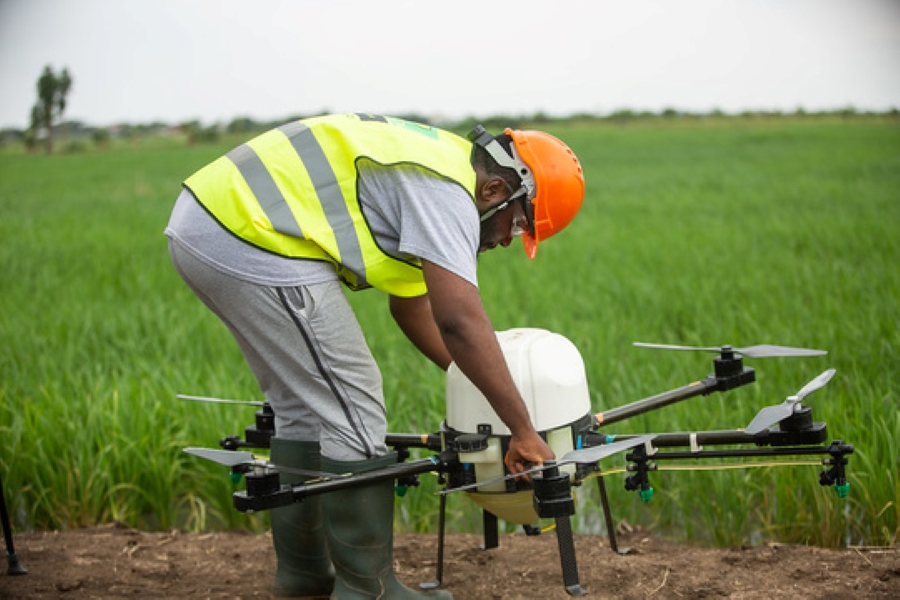
  • Can Agriculture 4.0 Transform Food Security and Curb Deforestation in Sub-Saharan Africa?

    Can Agriculture 4.0 Transform Food Security and Curb Deforestation in Sub-Saharan Africa?

    As sub-Saharan Africa (SSA) grapples with the dual challenge of feeding a rapidly growing population and preserving its shrinking natural ecosystems, agricultural policy discourse is increasingly focused on achieving food self-sufficiency. However, this goal must be balanced against the backdrop of extensive forest degradation, much of which is driven by the expansion of agricultural land.

    A promising solution lies in the transformative potential of Agriculture 4.0—a suite of emerging technologies that includes precision farming, the Internet of Things (IoT), cloud computing, big data analytics, drones, robotics, and biotechnology innovations. While these technologies are often developed and applied in high-income countries (HICs), there is growing recognition of their relevance for low- and middle-income countries (LMICs), particularly in Africa.

    What is Agriculture 4.0?

    Agriculture 4.0 represents the next evolutionary phase of farming, characterized by the integration of digital technologies into every aspect of the agricultural value chain. These tools enable smarter, data-driven decisions—optimizing inputs, improving yields, and minimizing environmental impact.

    For instance:

    • Precision seeding ensures optimal plant spacing for higher yield density.

    • Soil mapping and diagnostics enable farmers to apply the right type and quantity of fertilizers and other inputs.

    • Drones assist in real-time crop monitoring and pest control.

    • Cloud-based data systems help farmers track and forecast weather patterns and crop growth.

    Collectively, these technologies have the potential to help SSA farmers produce more food on existing farmland, thereby reducing the pressure to clear forests and natural habitats for cultivation.

    Is Sub-Saharan Africa Ready for Agriculture 4.0?

    In their recent perspective paper, the authors examine SSA’s readiness for adopting Agriculture 4.0 across five critical dimensions:

    1. Scale—The potential to reach large numbers of smallholder farmers is limited by fragmentation and variability in farm size and location.

    2. Finance and Capital Investment—Access to affordable financing remains a barrier. Investment is required not only in technology but also in supporting infrastructure and services.

    3. Leapfrog Technologies and Digital Infrastructure—Although mobile penetration is increasing, many rural areas lack reliable internet connectivity and power supply.

    4. Institutions, Governance, and Ethics—Robust frameworks are needed to manage data privacy, ensure fair access, and uphold farmer rights, especially regarding land tenure and resource use.

    5. Education and Skills—There is a need for widespread farmer education and extension services to bridge the digital literacy gap and foster local innovation.

    Despite these hurdles, the authors find that significant potential exists for SSA to adopt smart farming technologies that boost food production without expanding cultivated areas.

    A Double-Edged Sword?

    Interestingly, while Agriculture 4.0 can promote more efficient and sustainable farming practices, it may also have unintended consequences. Increased profitability and productivity could make agriculture a more attractive livelihood, potentially incentivizing further land expansion unless carefully managed. This underscores the importance of coupling technological adoption with sound land governance and clear property rights.

    Moreover, ethical considerations around the use of data—especially when managed by third-party tech providers—raise concerns about transparency, farmer autonomy, and digital exclusion. There is also the risk that over-reliance on digital tools could disconnect farmers from the traditional, intuitive understanding of their landscapes, with potential repercussions for sustainability and resilience.

    A Path Forward

    Projects like Sentinel, which focuses on Ethiopia, Ghana, and Zambia, are working to address these complex interlinkages between food security, biodiversity conservation, and inequality reduction. By supporting integrated approaches to agricultural development, such initiatives aim to inform policies that foster equitable, environmentally sound, and technologically inclusive farming systems.

    The key question remains: Can sub-Saharan Africa harness the power of Agriculture 4.0 to meet its food demands without sacrificing its forests and biodiversity?

    The answer depends not just on technology itself, but on creating an enabling environment—through education, governance, infrastructure, and investment—that allows innovation to thrive in contextually appropriate, inclusive, and sustainable ways.

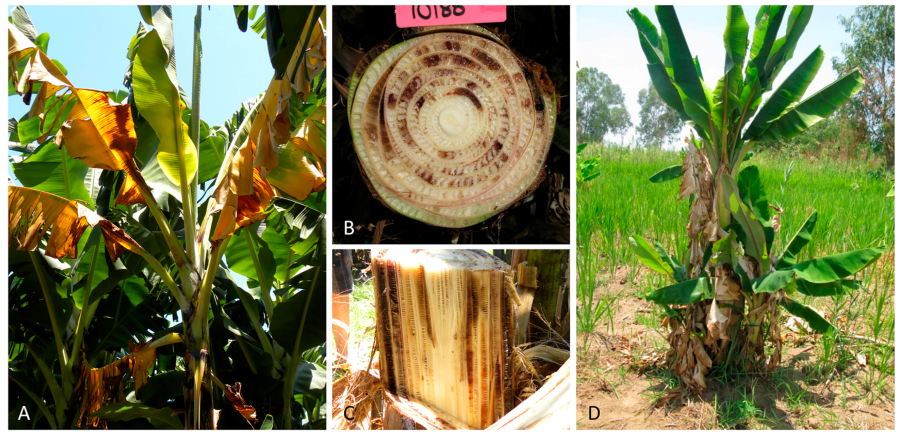
  • Genetic Engineering Boosts Banana Resistance to Xanthomonas Wilt: A Breakthrough for Food Security in East Africa

    Genetic Engineering Boosts Banana Resistance to Xanthomonas Wilt: A Breakthrough for Food Security in East Africa

    A recent study by Musabyemungu et al. (2025) titled “Genetic Improvement of Banana for Resistance to Xanthomonas Wilt in East Africa” published in Food and Energy Security reveals that the genetically engineered banana lines expressing resistance genes (Hrap or Pflp) showed 100% resistance to Xanthomonas wilt (BXW) in greenhouse experiments.

    Genetically engineered banana lines expressing Hrap or Pflp genes showed 100% resistance to Xanthomonas wilt (BXW) in greenhouse and field trials.– Musabyemungu et al. 2025

    The article “Genetic Improvement of Banana for Resistance to Xanthomonas Wilt in East Africa” explores strategies to enhance banana resistance to Xanthomonas wilt (BXW), a devastating bacterial disease caused by Xanthomonas campestris pathovar musacearum (Xcm). BXW has severely impacted banana production in East Africa, leading to significant yield losses and threatening food security. Bananas play a crucial role in global food supply and income generation, particularly in tropical and subtropical regions. However, their cultivation faces major challenges from pests and diseases, with BXW being one of the most destructive. Traditional breeding methods for disease resistance are slow and complex due to the sterility and long generation cycles of cultivated bananas. While the wild diploid banana Musa balbisiana exhibits natural resistance to BXW, integrating this trait into commercial varieties through conventional breeding remains difficult.

    To overcome these limitations, biotechnological approaches such as genetic engineering and genome editing offer promising solutions. These methods allow for precise modification of banana genes to enhance BXW resistance. The article highlights Agrobacterium-mediated transformation as a key technique for integrating resistance genes into the banana genome, along with embryogenic cell suspension (ECS) technology for efficient plant regeneration. The ultimate goal is to develop BXW-resistant banana cultivars through biotechnology, ensuring sustainable banana production and strengthening food security in East Africa and beyond. By leveraging advanced genetic tools, scientists aim to create disease-resistant varieties that safeguard banana crops from BXW, offering long-term agricultural and economic benefits.

    What the Authors Found

    The authors of the study found that the genetically engineered banana lines expressing resistance genes (Hrap or Pflp) showed 100% resistance to Xanthomonas wilt (BXW) in greenhouse experiments. When these transgenic lines were evaluated in field trials, they demonstrated significant resistance to BXW compared to non-transgenic controls. This suggests that genetic engineering can be an effective approach to developing BXW-resistant banana cultivars, which is crucial for improving banana production and food security in East Africa

    Why is this important?

    Food Security: bananas are a staple food for millions of people, especially in tropical and subtropical regions. Developing BXW-resistant banana varieties can ensure a steady supply of this essential crop, thereby enhancing food security.

    Economic Impact: Bananas are not only a food source but also an important cash crop. BXW causes significant yield losses, impacting farmers’ incomes and livelihoods. By creating resistant varieties, the economic stability of banana farmers can be improved.

    Sustainable Agriculture: Traditional methods of controlling BXW, like using chemicals, are harmful to the environment and often ineffective. Genetic engineering offers a more sustainable and targeted approach to managing the disease, reducing the need for chemical interventions.

    Biotechnological Advancements: This study showcases the potential of biotechnological tools, such as genetic engineering and genome editing, in crop improvement. It highlights the importance of these modern techniques in overcoming the limitations of conventional breeding, especially for crops with complex breeding challenges like bananas.

    Global Relevance: While the focus is on East Africa, the development of BXW-resistant bananas has global implications. Other regions that cultivate bananas can benefit from these advancements, potentially leading to broader agricultural improvements and food security.

    What the Authors Recommended

    • The authors emphasize the need for ongoing research to further enhance the genetic resistance of bananas to BXW and other diseases. This includes exploring additional genes that could confer resistance and refining genetic engineering techniques.
    • The study suggests increased collaboration among research institutions, governments, and international organizations to secure funding and share knowledge. This can accelerate the development and deployment of BXW-resistant banana varieties.
    • The authors advocate for the adoption of biotechnological tools, such as genetic engineering and genome editing, to complement conventional breeding methods. These tools can help overcome the limitations of traditional breeding, especially for sterile crops like bananas.
    • The study recommends investing in capacity building for local researchers and farmers. This includes training programs and workshops to ensure that local communities can effectively utilize and benefit from the advancements in banana breeding.
    • The authors call for supportive policies and regulatory frameworks that facilitate the development and adoption of genetically engineered crops. This includes ensuring that these crops are safe for consumption and the environment.

    The study by Musabyemungu et al. (2025) highlights the transformative potential of genetic engineering in developing BXW-resistant banana cultivars, ensuring sustainable banana production and enhancing food security in East Africa. By leveraging advanced biotechnological tools, researchers can overcome the limitations of traditional breeding, offering a long-term solution to one of the most devastating banana diseases. Continued investment in research, collaboration, and supportive policies will be crucial in accelerating the adoption of these innovations, ultimately benefiting farmers, consumers, and the global agricultural sector.

  • Public-Private Partnerships and GM Crops in Africa: Challenges, Impact, and Future Directions for Smallholder Farmers

    Public-Private Partnerships and GM Crops in Africa: Challenges, Impact, and Future Directions for Smallholder Farmers

    A recent study by Dowd‐Uribe et al. (2024) titled “Bridging the gap? Public-private partnerships and genetically modified crop development for smallholder farmers in Africa” published in Plants, People, Planet, shows that GM crop research is concentrated in a few countries, with South Africa and Nigeria being the most prominent.

    The article explores the evolution and influence of genetically modified (GM) crops on smallholder farmers in Africa, with a particular focus on the role of public-private partnerships (PPPs) in fostering innovation and technology transfer. It emphasizes the critical institutional barriers that impede the successful transfer of crop technologies from private sector firms to public research institutes across the continent, limiting the broader application and benefits of GM crops for small-scale agriculture.

    Public-private partnerships in Africa’s GM crop development face significant institutional barriers, limiting smallholder farmer impact.– Dowd‐Uribe et al. 2024

    In analyzing these challenges, the study draws from a comprehensive dataset to assess the scope, progress, and effectiveness of GM crop development initiatives led by PPPs. The findings reveal a complex landscape, with many promising efforts facing suspension or delay. Remarkably, only one GM crop has successfully reached smallholder farmers, underscoring the difficulty of translating research and development efforts into tangible agricultural improvements at the grassroots level. The article further classifies GM crop research according to organizational groups—such as private corporations, government agencies, and non-governmental organizations—and stages of development, ranging from early research phases to field trials and commercialization. This categorization offers a deeper understanding of the crops and traits targeted by research efforts, which are often chosen for their potential to address the specific needs of smallholder farmers. These crops typically focus on enhancing resistance to pests, improving drought tolerance, and increasing yield potential, aiming to mitigate the challenges faced by smallholders in Africa’s unique agricultural environments.

    How the Study was Conducted

    The authors employed data from various public and private organizations involved in GM crop development. This included information on the types of crops and traits being developed, the stages of development, and the partnerships formed. The data was categorized by organizational groups (public, private, and PPPs) and by the stages of development (research, field trials, and commercialization). The study specifically evaluated the effectiveness of public-private partnerships in advancing GM crop development. This involved analyzing the extent of collaboration and the outcomes of these partnerships. The researchers identified and analyzed the institutional challenges that hinder the transfer of crop technologies from private companies to public research institutes. The study assessed the outcomes of GM crop development efforts, noting the number of projects that were suspended and the few that reached the commercialization stage.

    What the Authors Found

    The authors found that public-private partnerships (PPPs) have focused on crops and traits relevant to smallholder farmers, but many efforts have been suspended, with only one crop reaching farmers. The study also posits that PPPs can address some issues in GM crop development but are still constrained by other institutional challenges. GM crop research is concentrated in a few countries, with South Africa and Nigeria being the most prominent. In addition, private companies dominate GM crop research, with public entities contributing significantly but in a geographically limited manner.

    Why is this Important?

    Guiding Policy and Investment: Understanding the challenges and successes of GM crop development can help policymakers and investors make informed decisions about where to allocate resources and how to structure future public-private partnerships.
    Improving Agricultural Productivity: By identifying the crops and traits that are most beneficial to smallholder farmers, the study can help direct research efforts towards innovations that will have the greatest impact on food security and agricultural productivity in Africa.
    Addressing Institutional Barriers: Highlighting the institutional constraints that hinder technology transfer can lead to reforms and improvements in the regulatory and operational frameworks, making it easier for new technologies to reach farmers.
    Fostering Collaboration: The study underscores the importance of collaboration between public and private sectors. By understanding the dynamics of these partnerships, stakeholders can develop more effective strategies for working together.
    Enhancing Sustainability: GM crops have the potential to improve crop yields and resilience to pests and climate change. The study’s insights can help ensure that these benefits are realized in a sustainable and equitable manner.

    What the Authors Recommend

    The authors of the study make several recommendations to improve the development and deployment of GM crops for smallholder farmers in Africa:

    • The authors suggest enhancing the collaboration between the public and private sectors to overcome institutional barriers and ensure that GM crop technologies reach farmers more effectively.
    • The authors recommend policy changes to address regulatory and operational challenges that hinder the transfer of crop technologies from private companies to public research institutes.
    • The study emphasizes the importance of tailoring GM crop research to the specific needs of smallholder farmers, ensuring that the crops and traits developed are relevant and beneficial to them.
    • Investing in building the capacity of local research institutions and scientists is crucial for sustaining GM crop development and ensuring that local expertise is available to support these initiatives.
    • The study suggests expanding GM crop research to more countries in Africa to ensure a broader impact and to avoid over-reliance on a few countries.

    In conclusion, the study by Dowd‐Uribe et al. (2024) sheds light on the complex dynamics of GM crop development for smallholder farmers in Africa, emphasizing the pivotal role of public-private partnerships in advancing agricultural innovation. While promising strides have been made, the findings reveal significant institutional barriers that impede the widespread adoption of GM crops, with only a single crop reaching commercialization. By addressing these challenges through improved collaboration, policy reforms, and investment in local research capacity, there is potential to unlock the transformative benefits of GM crops, ultimately enhancing food security and agricultural resilience for Africa’s smallholder farmers.

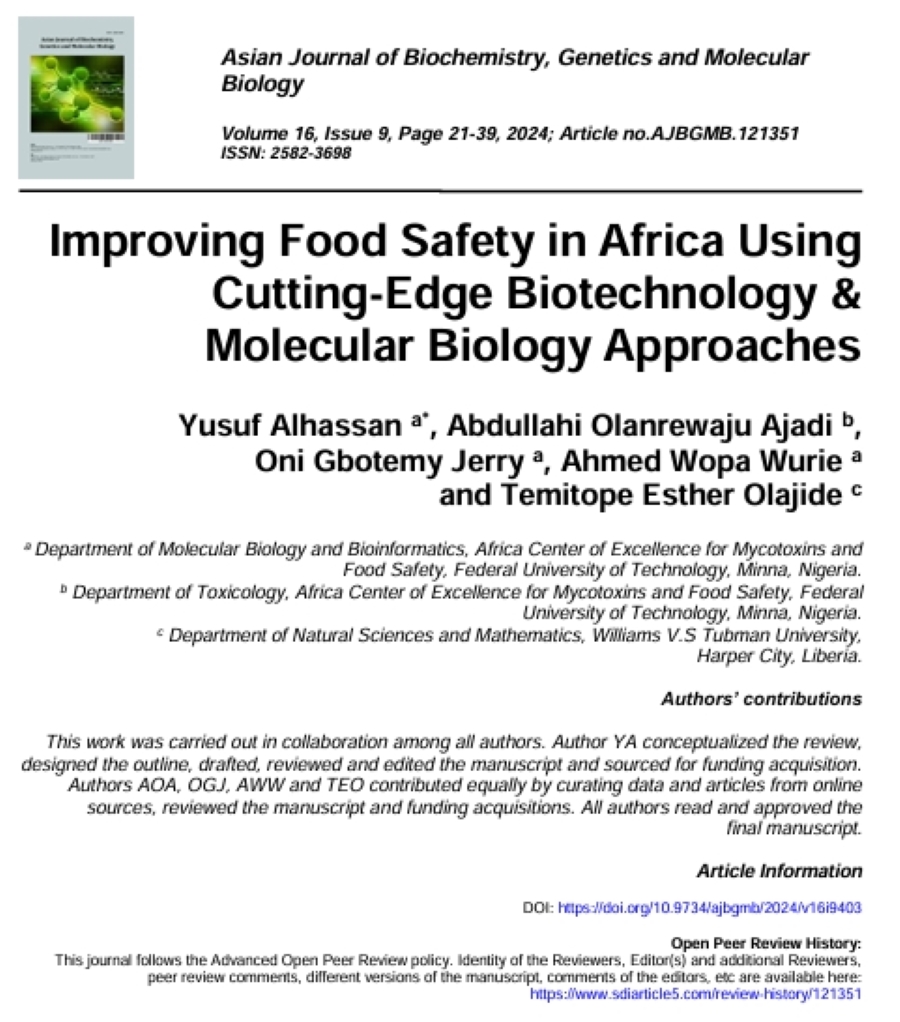
  • October 2024: Paper of the Month by Alhassan et al., 2024-Enhancing Food Safety in Africa: How Biotechnology & Molecular Biology Are Revolutionizing Contaminant Detection and Food Processing

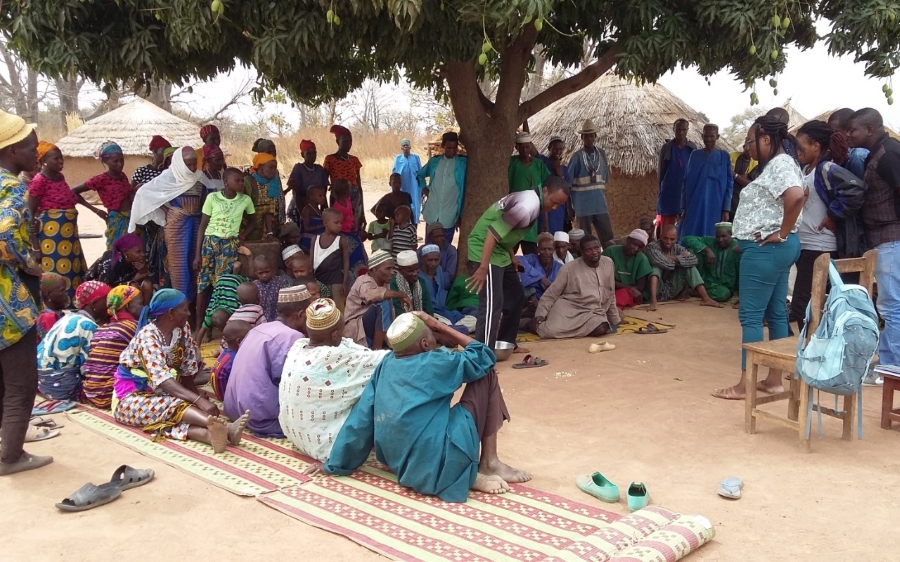

    October 2024: Paper of the Month by Alhassan et al., 2024-Enhancing Food Safety in Africa: How Biotechnology & Molecular Biology Are Revolutionizing Contaminant Detection and Food Processing

    African Researchers AwardOctober 2024: Paper of the Month by Alhassan et al., 2024-Enhancing Food Safety in Africa: How Biotechnology & Molecular Biology Are Revolutionizing Contaminant Detection and Food Processing

    A recent study by Alhassan et al. (2024) titled “Improving Food Safety in Africa Using Cutting-Edge Biotechnology & Molecular Biology Approaches” published in the Asian Journal of Biochemistry, Genetics, and Molecular Biology, shows that advanced biotechnology and molecular biology techniques, such as whole genome sequencing and CRISPR systems, can enhance food safety by rapidly detecting contaminants and improving food processing.

    Advanced biotechnology techniques, like whole genome sequencing and CRISPR, can significantly improve food safety in Africa.– Alhassan et al. 2024

    The article highlights the significant health and economic challenges posed by foodborne diseases and African contamination, affecting millions annually. It explores advanced biotechnology and molecular biology approaches, such as whole genome sequencing, CRISPR systems, and foodomics, to enhance food safety through rapid detection of contaminants and improved food processing. Integrating these cutting-edge techniques can mitigate risks associated with foodborne pathogens, reduce post-harvest losses, and ensure safe, nutritious food production.

    How the Study was Conducted

    The authors curated data and articles from online sources to gather relevant information on food safety in Africa. The study utilized advanced molecular biology techniques such as whole genome sequencing (WGS), next-generation sequencing (NGS), foodomics, and CRISPR systems to detect foodborne pathogens and contaminants. The work was carried out in collaboration among all authors, with contributions to data curation, manuscript review, and funding acquisition. The study involved reviewing existing literature and analyzing the potential of biotechnological methods to improve food safety and processing in Africa.

    What the Authors Found

    The author found that Africa faces significant challenges with foodborne diseases, contributing to numerous health and economic issues. In addition, advanced biotechnology and molecular biology techniques, such as whole genome sequencing and CRISPR systems, can enhance food safety by rapidly detecting contaminants and improving food processing.

    Why is this important?

    Health Impact: Foodborne diseases are a major health concern in Africa, causing numerous illnesses and deaths. By using advanced biotechnology and molecular biology techniques, the study aims to reduce the prevalence of these diseases.
    Economic Benefits: Food contamination leads to substantial economic losses due to healthcare costs and reduced productivity. Improving food safety can help mitigate these losses and boost the economy.
    Global Standards: Aligning Africa’s food safety practices with global standards ensures that food products are safe for consumption and can be traded internationally, enhancing market opportunities.
    Innovation and Technology: The study promotes the use of cutting-edge technologies like whole genome sequencing and CRISPR systems, which can revolutionize food safety practices and lead to more efficient and effective solutions.
    Sustainability: Reducing post-harvest losses and ensuring the production of safe, nutritious food contributes to food security and sustainability, which are critical for the well-being of the population.

    What the Authors Recommend

    • The authors emphasize the need for widespread adoption of biotechnology and molecular biology techniques, such as whole genome sequencing, next-generation sequencing, foodomics, and CRISPR systems, to enhance the detection and control of foodborne pathogens.
    • The authors suggest investing in training and capacity building for local scientists and food safety professionals to effectively use these advanced technologies.
    • Strengthening policy and regulatory frameworks to support the implementation of these technologies and ensure compliance with global food safety standards.
    • Furthermore, it encourages collaboration between governments, research institutions, and the private sector to foster innovation and share best practices in food safety.
    • In addition, the study emphasizes raising public awareness about food safety issues and the benefits of using advanced technologies to ensure safe and nutritious food.

    In conclusion, the study by Alhassan et al. highlights the transformative potential of advanced biotechnology and molecular biology techniques in improving food safety across Africa. By leveraging tools like whole genome sequencing, CRISPR systems, and foodomics, the continent can not only address the significant health and economic challenges posed by foodborne diseases but also align with global standards and enhance food security. To fully realize these benefits, investments in training, innovation, regulatory support, and public awareness are essential, fostering a safer, more sustainable food production system for the future.

  • Achieving Sustainable Abundance: A Strategic Vision for Future Growth and Innovation

    Achieving Sustainable Abundance: A Strategic Vision for Future Growth and Innovation

    A Vision for the Future

    Sustainable abundance represents a strategic aim to meet our present needs while ensuring that future generations can also meet theirs. This concept requires forward-thinking planning and innovation to reconcile economic growth with environmental stewardship, ensuring resources are both accessible and affordable. Business leaders and policymakers face increasing demands to shape a future that balances these dual objectives through a collaborative, multi-stakeholder approach.

    The Context of Change

    We are at a critical juncture in history. Each generation confronts its unique set of challenges and opportunities, which often seem unprecedented. Today, technological advancements—particularly in artificial intelligence (AI) and synthetic biology—offer tremendous potential benefits but also pose significant risks. These technologies are reshaping traditional economic and societal systems, and combined with political, geopolitical, and environmental shifts, they create a complex landscape requiring large-scale, innovative responses.

    The current global climate necessitates a radical shift from traditional economic models. While previous generations have tackled monumental issues, today’s problems demand a unified and visionary approach. The idea of sustainable abundance challenges the conventional trade-offs between economic growth and environmental sustainability, advocating for a balanced approach that integrates economic, social, and environmental objectives.

    The Concept of Sustainable Abundance

    Sustainable abundance is rooted in the principles outlined by the 1987 United Nations Brundtland Commission report. It emphasizes the need to provide for current generations without depleting resources or compromising the ability of future generations to do the same. This approach demands a significant departure from traditional practices, focusing on reducing environmental impacts while ensuring equitable access to essential resources.

    Achieving sustainable abundance involves a holistic strategy that harmonizes human desires for survival, prosperity, and environmental preservation. This requires innovative solutions across various sectors, from energy production and food supply to economic models and policy frameworks. Leadership and collective commitment are essential to drive these innovations and create a balanced, inclusive future.

    Addressing Contemporary Challenges

    In today’s world, several critical areas require attention:

    1. Responsible Business Practices: The historical emphasis on maximizing short-term shareholder value has led to significant negative externalities. Moving towards stakeholder capitalism, which focuses on creating value for all stakeholders, is crucial for fostering sustainable abundance.
    2. Reimagining Globalization: While globalization has previously driven economic growth, its benefits have been uneven. Modern globalization is characterized by distributed innovation and shared global challenges. Businesses must adapt to this dynamic landscape, balancing global interdependence with local resilience.
    3. The Role of Government: Effective government intervention has historically spurred innovation and industrial success. Today, there is a renewed need for strategic government involvement to address global challenges and coordinate efforts across sectors.
    4. Networked Power: Power dynamics are shifting from centralized to decentralized forms. Digital platforms and grassroots movements are reshaping economic and social structures, demanding new approaches to governance and collaboration.
    5. Radical Technological Advances: Technologies such as biotechnology and nanotechnology are driving rapid advancements. Businesses and governments must leverage these technologies to address global challenges and drive progress.

    The Innovation Agenda

    To move towards sustainable abundance, several key areas of focus are emerging:

    1. Ensuring Essentials: Innovating ways to provide basic needs—food, water, and energy—sustainably is fundamental. This includes developing new technologies and practices that minimize environmental impact and enhance resource efficiency.
    2. Advancing Human Progress: Reimagining education, healthcare, and community development is essential for promoting well-being and ensuring equitable access to opportunities.
    3. Reconnecting with Nature: Embracing indigenous knowledge, biomimicry, and synthetic biology can help integrate human activities with natural systems, fostering environmental stewardship and sustainability.
    4. Reducing Environmental Footprints: Adopting circular economy principles, advancing materials science, and embracing digital technologies are critical for minimizing ecological impacts and promoting sustainable practices.

    Business Leadership and Strategic Innovation

    Business leaders play a pivotal role in driving this agenda. They must:

    • Learn from Past Movements: The pursuit of sustainability can be likened to the quality movement in its potential for transformative impact, requiring comprehensive and collaborative efforts.
    • Cultivate Innovation Intelligence: Staying informed about emerging technologies and trends is essential for shaping the future and remaining competitive.
    • Explore Beyond Monetization: Transformative innovations often start with fundamental questions that transcend mere profit, opening up new possibilities and value creation.
    • Accelerate Collaboration: Partnering with startups and other organizations can expedite the development and deployment of sustainable solutions.
    • Forge Ecosystems for Innovation: Collaboration across industries can drive breakthroughs and facilitate radical progress.
    • Integrate Long-Term Strategies: Balancing short-term gains with long-term investments is crucial for sustainable development and innovation.

    Conclusion

    No single entity can single-handedly shape the path to sustainable abundance. However, each can contribute to the collective effort required to implement this vision over the coming decade. As transformative changes unfold, businesses and leaders have a choice: to lead and shape these changes or to follow those who do. Embracing sustainable abundance is not just a strategic investment but a moral imperative, honoring the legacy of past generations and securing a better future for all.

  • Public Perception of Genetically Modified Crops: Insights on Trust, Risks, and Global Acceptance

    Public Perception of Genetically Modified Crops: Insights on Trust, Risks, and Global Acceptance

    A recent study by Dessie, A. M., & Zegeye, Z. B. (2024) titled “Review on: Public Perception of Biotechnology on Genetically Modified Crops, Bio Policy and Intellectual Property Rights” published in American Journal of Polymer Science and Technology by Science Publishing Group shows that public attitudes towards genetically modified (GM) crops are influenced by trust in government and scientists and distrust in biotechnology corporations.

    Public attitudes towards genetically modified crops are shaped by trust in government and scientists and distrust in biotechnology corporations globally.– Dessie, A. M., & Zegeye, Z. B. (2024

    The study explores the varying public opinions on genetically modified (GM) crops, highlighting both support and opposition based on perceived risks and benefits. The authors cover the importance of biosafety regulations and bio-policies in managing the risks associated with GM crops, including ethical and safety concerns. The study examines the status and challenges of GM crop adoption in different regions, including Africa, Latin America, Europe, North America, Asia, and Oceania. The authors further address the role of intellectual property rights in biotechnology, focusing on patents, trade secrets, and plant variety protection.

    How the study was conducted

    The study employed data from various sources, including surveys, public opinion polls, and existing literature on biotechnology and genetically modified organisms (GMOs). The data was analyzed to identify factors influencing public perception, such as socioeconomic status, education, scientific knowledge, and trust in government and corporations. The study compared public perceptions across different regions, including Europe, North America, Latin America, Africa, Asia, and Australia. The research incorporated scientific, ethical, policy, and regulatory perspectives to assess and manage the risks associated with GMOs.

    What the authors found

    The authors found that public attitudes towards genetically modified (GM) crops are influenced by trust in government and scientists and distrust in biotechnology corporations. In addition, the study shows that Europe has the strongest negative attitudes towards GM foods, while acceptance varies globally, with some regions showing moderate to high acceptance.

    Why is this important

    Food Security and Health: Genetically modified (GM) crops have the potential to address global food security challenges by increasing crop yield, improving resistance to pests and diseases, and enhancing nutritional content. Understanding public perception and acceptance is crucial for informed policy decisions.
    Environmental Impact: GM crops can reduce the need for chemical pesticides and fertilizers, benefiting the environment. However, concerns about unintended effects on ecosystems and biodiversity require careful management.
    Economic Growth: Biotechnology innovations contribute to economic growth by fostering agricultural productivity and creating jobs. Public acceptance influences investment in research and development.
    Ethical and Social Considerations: Public trust in the safety and ethical implications of GM crops affects their adoption. Transparent communication and effective biosafety regulations are essential.
    Global Collaboration: Recognizing regional differences in perception allows for targeted strategies to promote acceptance and responsible use of GM technology worldwide.

    What the authors recommended

    • The authors recommend clear labeling of GM products to inform consumers. Transparent communication about the benefits, risks, and safety measures associated with GM crops is essential.
    • The authors advocate that engaging scientists, policymakers, and the public in open discussions about biotechnology and GM crops can foster understanding and address concerns. Public awareness campaigns and educational initiatives are valuable.
    • Strengthening biosafety regulations ensures the responsible use of GM technology. Rigorous risk assessment and monitoring are crucial to prevent unintended consequences.
    • The authors emphasize the importance of intellectual property rights to incentivize research and development in biotechnology. Balancing patents with accessibility for public benefit is recommended.
    • International collaboration allows sharing of best practices, harmonization of regulations, and coordinated efforts to address global challenges related to GM crops.

    In conclusion, the study by Dessie and Zegeye provides valuable insights into the complex dynamics influencing public perception of genetically modified crops. Trust in government and scientists, alongside skepticism towards biotechnology corporations, plays a pivotal role in shaping attitudes. The findings underscore the need for transparent communication, robust biosafety regulations, and inclusive discussions among stakeholders to address concerns and foster acceptance. As GM technology holds significant potential for enhancing food security, environmental sustainability, and economic growth, understanding and addressing public perception is crucial for the responsible and beneficial deployment of biotechnology worldwide.

  • Transformative Role of Biotechnology in Healthcare: Global Trends, Precision Medicine, and Equitable Access

    Transformative Role of Biotechnology in Healthcare: Global Trends, Precision Medicine, and Equitable Access

    A recent study by Anyanwu, et al., (2024) titled “The Role of biotechnology in Healthcare: A Review of Global Trends” published in World Journal of Advanced Research and Reviews, shows that biotechnology is driving transformative advancements in healthcare, particularly in diagnostics, treatment modalities, and healthcare delivery.

    Biotechnology drives transformative healthcare advancements, particularly in diagnostics, personalized medicine, and treatment, emphasizing ethical considerations and equitable global access.– Anyanwu, et al., 2024

    The article delves into a comprehensive review that explores the significant role of biotechnology in healthcare, focusing on global trends and its impact on diagnostics, treatment modalities, and healthcare delivery. It delves into various aspects such as precision medicine, personalized healthcare, diagnostic revolutions, and integrating biotechnology with artificial intelligence and data analytics. The authors also discuss collaborative research initiatives, ethical considerations, regulatory frameworks, and the need for equitable access to biotechnological advancements in healthcare systems worldwide. The authors explore gene and cell therapies, CRISPR-Cas9 technology, and the transformative potential of biotechnology in fostering a new era of proactive and personalized healthcare. The article emphasizes the importance of biotechnology in improving patient outcomes globally and addresses the disparities in adoption across different healthcare systems.

    How the Study was Conducted

    The study is a detailed examination of the multifaceted role of biotechnology in healthcare. The authors analyze global trends to understand the impact of biotechnological innovations worldwide. The study includes a critical analysis of precision medicine, diagnostics, collaborative research initiatives, therapeutic innovations, and integrating biotechnology with artificial intelligence. It addresses ethical considerations, regulatory frameworks, and accessibility challenges associated with biotechnological advancements in healthcare.

    What the Authors Found

    The authors found that biotechnology is driving transformative advancements in healthcare, particularly in diagnostics, treatment modalities, and healthcare delivery. Innovations in biotechnology are enabling personalized medicine, allowing for tailored interventions based on individual genetic profiles

    Why is this Important

    Precision Medicine: Biotechnology enables personalized medicine by tailoring treatments to an individual’s genetic makeup. This approach improves patient outcomes and reduces adverse effects.
    Diagnostic Innovations: Biotechnological advancements enhance diagnostic accuracy, allowing early disease detection and timely interventions.
    Global Impact: Collaborative research initiatives across borders accelerates progress. Biotechnology fosters global collaboration, leading to shared knowledge and improved healthcare systems.
    Ethical Considerations: Addressing ethical concerns ensures responsible use of biotechnological tools. Balancing innovation with ethical guidelines is essential.
    Equitable Access: The study emphasizes the need for equitable access to biotechnological breakthroughs. Ensuring accessibility benefits all populations.

    What the Authors Recommend

    • The authors emphasize on encouraging the adoption of precision medicine approaches that tailor treatments to individual genetic profiles. This can lead to better patient outcomes and reduced adverse effects.
    • Emphasize cross-disciplinary collaboration and global partnerships. Collaborative efforts accelerate biotechnological advancements and knowledge sharing.
    • The authors advocate on developing and adhering to ethical guidelines for biotechnological applications. Responsible use ensures societal benefits without compromising values.
    • In addition, the authors advocate for equitable access to biotechnological innovations. All populations should benefit from these advancements.

    In conclusion, the study by Anyanwu et al. underscores the transformative impact of biotechnology on healthcare, highlighting its pivotal role in advancing diagnostics, treatment modalities, and overall healthcare delivery. By fostering precision medicine and personalized care, biotechnology promises to improve patient outcomes significantly. The integration of biotechnology with artificial intelligence and data analytics further propels healthcare innovations, enabling early disease detection and timely interventions. However, the study also emphasizes the importance of ethical considerations, robust regulatory frameworks, and equitable access to ensure that the benefits of biotechnological advancements are shared globally. Through collaborative research and cross-disciplinary partnerships, the potential of biotechnology to revolutionize healthcare and promote global health equity is immense and promising.