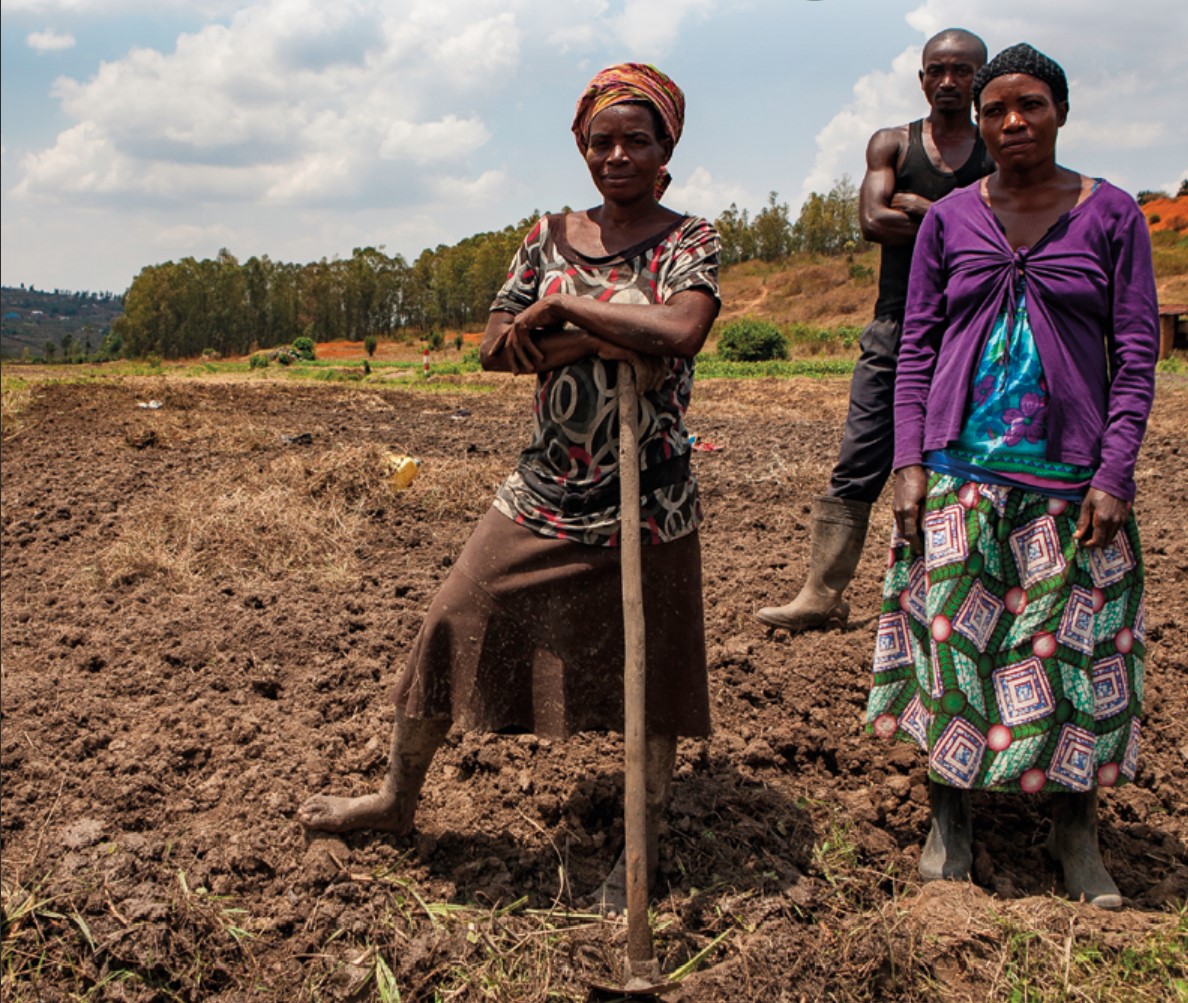
Tag: agricultural development

  • Effective Job Search Strategies for Unemployed Youth in Sub-Saharan Africa’s Agro-Sector: Key Insights & Policy Recommendations

    Effective Job Search Strategies for Unemployed Youth in Sub-Saharan Africa’s Agro-Sector: Key Insights & Policy Recommendations

    A recent study by Obi, J. N., & Ojo, E. (2025) titled “A Scoping Review on Exploring Job Search Strategies for Unemployed Youth: Implications for the Agro Sector in Sub-Saharan Africa” published in Career Coaching and Employability Skills Acquisition,reveals that effective networking is crucial for job search success

    This study examines job search strategies employed by unemployed youth in Sub-Saharan Africa’s agricultural sector and highlights the obstacles they face. Given the sector’s diversity, ranging from subsistence farming to commercial agribusiness, understanding targeted job search approaches is essential.

    Effective networking, skill development, and policy support are crucial for improving youth employment opportunities in Sub-Saharan Africa’s agro-sector.

    – Obi, J. N., & Ojo, E. 2025

    Youth unemployment remains a significant challenge, particularly in rural areas, despite the agro-sector’s potential for job creation. The study explores strategies such as networking, career services, internships, and skill acquisition, all of which play a crucial role in enhancing employability. Theories of human and social capital emphasize the value of education, training, and professional connections in improving job prospects. Networking through social media, agricultural forums, and industry events is instrumental in securing employment opportunities. Additionally, internships provide hands-on experience and expand job networks, while skill development—both technical and soft skills—remains key to meeting market demands.

    However, several barriers hinder youth employment in agriculture. These include limited access to industry-relevant training, inadequate support services, and a disconnect between youth aspirations and available opportunities. Addressing these challenges requires aligning skills development programs with market needs, strengthening support services, and fostering entrepreneurship through improved access to land and financing.

    How the Study was Conducted

    This study systematically reviews existing literature to identify effective job search strategies for unemployed youth within Sub-Saharan Africa’s agro-sector. Using a structured methodology, the research examines various approaches to improving employability in this critical industry.

    The study employed a comprehensive literature search across databases such as PubMed, Scopus, and Google Scholar to gather relevant research. Studies were selected based on predefined inclusion criteria, ensuring a focus on job search strategies applicable to unemployed youth in the agro-sector. Key data, including study design, target populations, interventions, and outcomes, were extracted and analyzed through thematic analysis to identify common and effective strategies. The findings were then synthesized to provide actionable insights and recommendations for policymakers and stakeholders, aiming to enhance youth employment opportunities and promote sustainable agricultural development in the region.

    What the Authors Found

    The study found that effective networking is crucial for job search success. This includes connecting with local farmers’ associations, agricultural cooperatives, and industry professionals. Utilizing social media platforms and attending agricultural trade shows, workshops, and conferences were recommended as valuable networking opportunities.

    Why is this important?

    Addressing Youth Unemployment: Youth unemployment is a significant challenge in sub-Saharan Africa, especially in rural areas. The study sheds light on effective job search strategies that can help unemployed youth secure employment in the agro-sector. By addressing youth unemployment, the study contributes to reducing poverty and promoting economic stability.

    Promoting Agricultural Development: The agro-sector is a cornerstone of many regional economies in sub-Saharan Africa. By identifying and enhancing job search strategies, the study helps connect youth with opportunities in agriculture, promoting agricultural development and productivity.

    Skill Development: The study emphasizes the importance of skill enhancement for unemployed youth. By identifying gaps in market-relevant skills and providing recommendations for skill development, the study helps youth become more employable and better prepared for the demands of the agro-sector.

    Policy Insights: The study provides valuable insights for policymakers and stakeholders. By understanding the challenges and opportunities in the agro-sector, policymakers can develop targeted interventions and policies that support youth employment and agricultural growth.

    Empowering Youth: By offering a comprehensive examination of job search strategies, the study empowers youth to take proactive steps in their job search efforts. It provides practical recommendations for networking, internships, skill development, and more, helping youth navigate the complexities of the job market.

    Economic Progress: Connecting unemployed youth with job opportunities in the agro-sector contributes to overall economic progress. By promoting employment and entrepreneurship in agriculture, the study helps drive economic growth and development in sub-Saharan Africa.

    What the Authors Recommended

    • The authors suggest that policymakers should provide access to relevant training and education that bridges the skills gap in the agro-sector. Focus on developing both technical and soft skills that are in demand by employers.
    • Ensure that unemployed youth have access to necessary resources, such as land, financing, and technology. This will help them start and sustain agricultural businesses and improve their employability in the sector.
    • The government should encourage and support youth-led agribusinesses and promote entrepreneurship as a viable livelihood option. This includes providing mentorship, funding, and business development services.
    • Facilitate effective networking opportunities for youth. This includes connecting them with local farmers’ associations, agricultural cooperatives, and industry professionals. Encourage participation in social media platforms, agricultural trade shows, workshops, and conferences.
    • Policymakers should promote internships and practical experience opportunities in the agro-sector. Internships provide hands-on experience and expand job networks, making it easier for youth to transition into full-time employment.
    • Develop and implement policies that support skill development, access to resources, and entrepreneurial initiatives. Policymakers and stakeholders should work together to create an enabling environment for youth employment in the agro-sector.
    • The government should reform educational curricula to include practical agricultural skills such as sustainable farming practices, agribusiness management, and digital technologies. Vocational training programs should be tailored to the specific needs of the agro-sector.
    • Improve support services and programs that engage and assist youth in the agro-sector. This includes career counseling, job placement services, and access to information about job opportunities.
    • Furthermore, align youth aspirations with available job opportunities in the agro-sector. This involves raising awareness about the diverse career paths in agriculture and promoting the sector as an attractive and viable option for young people.
    • In addition, adopt a comprehensive and collaborative approach involving various stakeholders, including the private sector, government, civil society, and youth. Encourage partnerships and collective efforts to address youth unemployment and promote agricultural development.

    In conclusion, addressing youth unemployment in Sub-Saharan Africa’s agro-sector requires a multi-faceted approach that includes effective networking, skill development, access to resources, and policy-driven support. This study highlights the critical role of education, training, and professional connections in enhancing employability and fostering agricultural growth. By implementing the recommended strategies—such as facilitating internships, promoting agribusiness entrepreneurship, and aligning youth aspirations with industry opportunities—stakeholders can create a more inclusive and dynamic agricultural job market. Empowering young people with the right tools and opportunities not only reduces unemployment but also drives economic progress and sustainable agricultural development across the region.


  • New IITA-CGIAR and China Agriculture University Partnership Boosts African Agricultural Innovation, Trade, and Development

    New IITA-CGIAR and China Agriculture University Partnership Boosts African Agricultural Innovation, Trade, and Development

    In a significant development aimed at fostering agricultural research and trade collaboration between Africa and China, the International Institute of Tropical Agriculture (IITA-CGIAR) and China Agriculture University (CAU) have forged a new partnership. From 28 August to 1 September 2024, a Chinese delegation led by IITA Board member Dr. Fan Shenggen visited the IITA-CGIAR headquarters to explore avenues for joint research, agricultural development, and innovation across the African continent. The visit marked an important step toward strengthening ties between China and Africa in key areas like climate-smart agriculture, mechanization, and trade.

    During the week-long visit, IITA Director General and CGIAR Regional Director for Continental Africa, Dr. Simeon Ehui, welcomed the delegation, which comprised both academic and research experts. Dr. Ehui emphasized the importance of learning from China’s advancements in agricultural technology and expressed optimism about the opportunities this partnership would create. He stated, “There is so much Africa can learn from China. With this partnership, we can explore many opportunities like staff exchange, student exchange, research collaboration, and more.” The visit also involved IITA research scientists and management staff, who engaged in productive discussions on various collaboration fronts.

    Dr. Fan Shenggen underscored the Chinese government’s commitment to supporting agricultural development in Africa, particularly through academic research and technology transfer. “We are excited about forging collaborations with IITA in the area of breeding and research, especially in academics. We are also keen on nutrition and climate-smart agriculture,” he stated. These collaborations aim to enhance the resilience of African agriculture in the face of climate change and other pressing challenges.

    Several key areas of collaboration were highlighted during the discussions, including academic exchange programs for young researchers, small-scale mechanization to improve agricultural productivity, and digital data collection to facilitate precision agriculture. These initiatives will allow Africa and China to share knowledge and expertise, creating a mutually beneficial relationship that fosters innovation.

    One of the most critical points raised was the need for enhanced trade relations, particularly addressing issues that hinder Africa’s agricultural exports. The teams discussed trade analysis and how factors like aflatoxin contamination have negatively impacted the export of crops such as maize and groundnuts, resulting in reduced incomes for African farmers. Aflatoxin is a naturally occurring toxin produced by certain molds that can grow on food crops, and its presence in crops has been a significant barrier to accessing global markets. By leveraging IITA’s research capacity, the partnership seeks to tackle such barriers and boost trade opportunities for African farmers.

    To address these issues, both parties proposed the establishment of dedicated export zones in Nigeria, which would focus on improving the quality and safety of agricultural produce for international markets. These zones could significantly enhance the livelihoods of local farmers by providing them with better access to global markets while ensuring that their products meet international quality standards.

    The delegation also identified the importance of empowering youth by improving their access to agricultural technologies and innovations. One way to achieve this is through data collection for nutrition surveys, leveraging IITA’s expertise to enhance the nutritional quality of food systems in Africa. The focus on youth engagement in agricultural development reflects the need to equip the next generation of farmers and researchers with the tools and skills necessary to lead Africa’s agricultural transformation.

    Both teams committed to setting clear goals and timelines for implementing the initiatives discussed. Actionable plans were drawn up, with milestones to measure progress and deliverables to ensure accountability. Future meetings in China and other CGIAR Centers in Africa were also proposed to further strengthen this partnership and expand its scope.

    In summary, this new collaboration between IITA-CGIAR and China Agriculture University has the potential to transform African agriculture by combining China’s technological advancements and Africa’s rich agricultural resources. By focusing on areas such as climate-smart agriculture, mechanization, trade enhancement, and youth empowerment, the partnership aims to foster sustainable agricultural development across the continent.

  • SARChI Impact: Prof. Umezuruike Linus Opara’s Journey in Postharvest Technology and Africa’s Research Legacy

    SARChI Impact: Prof. Umezuruike Linus Opara’s Journey in Postharvest Technology and Africa’s Research Legacy

    The South African Research Chairs Initiative (SARChI) has been a cornerstone of research and innovation in South Africa since its establishment in 2006 by the Department of Science and Technology and the National Research Foundation (NRF). This initiative, spanning up to 15 years, aims to foster excellence in research and innovation across public universities and science councils in the country.

    Over the years, SARChI has awarded 275 chairs to 23 public universities and nine science councils, representing a significant investment in research capacity. As chairs reach the end of their tenure, questions arise about their impact and the future of the research networks they’ve cultivated. One such chair, held by Professor Umezuruike Linus Opara, focused on Postharvest Technology. Opara’s journey from a farming village in rural Nigeria to becoming a Distinguished Professor at Stellenbosch University exemplifies the transformative power of education and dedication to research.

    Throughout his tenure as a SARChI Chair, Opara achieved remarkable milestones, including publishing extensively, receiving prestigious awards, and earning recognition as a highly cited researcher. His work in Postharvest Technology addresses critical aspects of the agri-food system, emphasizing the importance of efficient handling, packaging, and distribution of crops to maximize their value.

    SARChI Impact: Prof. Umezuruike Linus Opara's Journey in Postharvest Technology and Africa's Research Legacy

    Illustrative Image: SARChI Impact: Prof. Umezuruike Linus Opara’s Journey in Postharvest Technology and Africa’s Research Legacy
    Image Source & Credit: Stellenbosch, South Africa
    Ownership and Usage Policy

    A key aspect of SARChI is capacity-building, and Opara’s legacy includes supervising numerous master’s and doctoral students from South Africa and beyond. His commitment to mentorship and nurturing talent has created a network of researchers poised to contribute to agricultural development across the continent. The establishment of the Africa Institute for Postharvest Technology at Stellenbosch University ensures continuity and sustainability beyond Opara’s tenure. This institute serves as a platform to build on the achievements of the SARChI Chair, fostering research, and collaboration in Postharvest Technology.

    Opara’s Afrocentric approach underscores his belief in Africa’s potential to address its developmental challenges through homegrown solutions. He advocates for leveraging the continent’s abundant natural resources and investing in human capital development to drive innovation and progress. Looking ahead, Opara envisions dedicating his remaining active years to traveling across Africa, sharing knowledge, and inspiring others to realize the continent’s potential. His journey exemplifies the impact of SARChI in nurturing research excellence and fostering a new generation of academics committed to Africa’s development.