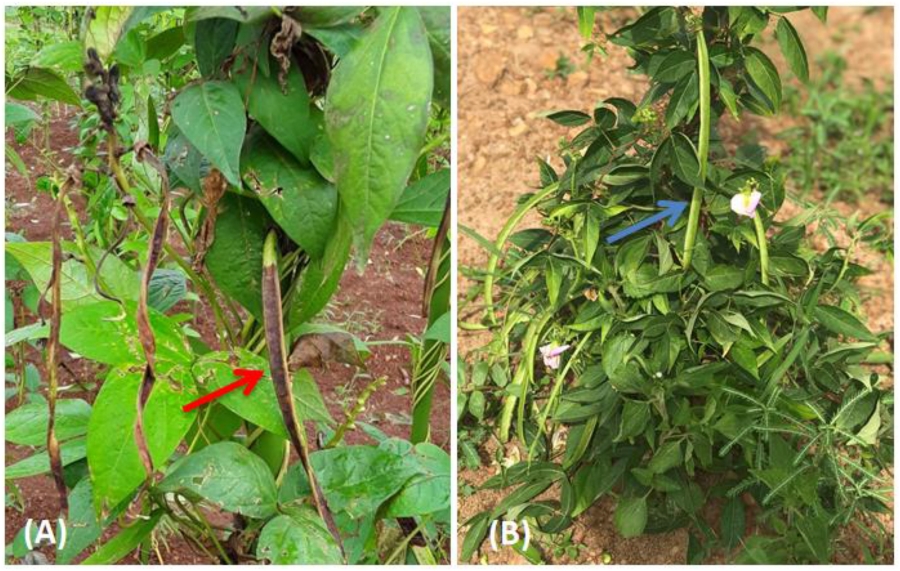
Tag: African yam bean

  • Unveiling Genetic Diversity in the matK Gene: Phylogenetic Analysis and Protein Structure Insights in African Yam Bean and Related Legumes”

    Unveiling Genetic Diversity in the matK Gene: Phylogenetic Analysis and Protein Structure Insights in African Yam Bean and Related Legumes”

    A recent study by Edu et al. (2025) titled “Phylogenetic Analysis and Protein Structure Characterization of the matK Gene in Sphenostylis stenocarpa and Related Legumes,” published in the Journal of Underutilized Legumes, revealed genetic diversity in the matK gene among legumes, highlighting distinct phylogenetic clusters and structural protein variations.

    There is a significant genetic diversity and distinct phylogenetic clusters in the matK gene among African yam bean and legumes.– Edu et al. 2025

    The study delves into the genetic diversity and evolutionary relationships of the matK gene in Sphenostylis stenocarpa (African yam bean) and its related legume species. The matK gene, a chloroplast marker with a high substitution rate, is widely used in studying genetic diversity and species evolution. The authors retrieved nucleotide sequences for several leguminous species, including S. stenocarpa, Sphenostylis angustifolia, Vigna aconitifolia, Vigna angularis, Vigna umbellata, Vigna mungo, Cajanus cajan, Phaseolus vulgaris, and Glycine max from the NCBI database. The authors used MEGA 6 software with Clustal W alignments and 1000 bootstrap resampling to assess phylogenetic relationships. The secondary and tertiary structures of proteins of the matK gene were predicted using the GORIV and Phyre2 tools. The phylogenetic analysis revealed two primary clusters: one containing exclusively P. vulgaris with high bootstrap support and another encompassing the remaining legumes, further divided into sub-clusters with C. cajan distinct from Vigna species. Structural analysis showed that S. stenocarpa exhibited the highest percentage of alpha helix (36.54%), while C. cajan displayed the lowest alpha helix and highest random coil.

    How the Study was Conducted

    Researchers retrieved nucleotide sequences for several leguminous species, including S. stenocarpa, from the NCBI database. Using MEGA 6 software, the authors performed Clustal W alignments and 1000 bootstrap resampling to assess the phylogenetic relationships among the species. The secondary and tertiary structures of the matK gene proteins were predicted using the GORIV and Phyre2 tools.The phylogenetic analysis revealed two primary clusters, with one containing P. vulgaris and the other encompassing the remaining legumes. Structural analysis showed variations in the percentage of alpha helix and random coil among the species. This comprehensive approach helped the researchers understand the genetic diversity and evolutionary relationships of the matK gene in these legumes.

    What the Authors Found

    The authors found that the phylogenetic analysis revealed two primary clusters. One cluster contained only Phaseolus vulgaris, while the other included the remaining legume species. This second cluster was further divided into sub-clusters, with Cajanus cajan being distinct from the Vigna species. The structural analysis of the matK gene proteins showed that Sphenostylis stenocarpa had the highest percentage of alpha helix (36.54%), while Cajanus cajan had the lowest alpha helix and the highest random coil. The study highlighted the genetic diversity within the legume family, particularly in the matK gene, which is crucial for understanding the evolutionary relationships and potential for improvement of these species.

    Why is this important?

    Genetic Diversity: Understanding the genetic diversity of the matK gene in Sphenostylis stenocarpa and related legumes can help in the conservation and improvement of these species. Genetic diversity is crucial for the adaptability and resilience of plants to changing environmental conditions.

    Evolutionary Relationships: The phylogenetic analysis provides insights into the evolutionary relationships among different legume species. This knowledge can be used to trace the evolutionary history and identify potential genetic resources for breeding programs.

    Agricultural Improvement: By characterizing the protein structure of the matK gene, researchers can identify specific traits that may be beneficial for crop improvement. This can lead to the development of more resilient and productive legume varieties, which are essential for food security and sustainable agriculture.

    Scientific Knowledge: The study contributes to the broader scientific understanding of plant genetics and evolution. It provides valuable data that can be used in future research and helps to advance the field of plant biology.

    What the Authors Recommended

    The authors recommended further research to explore the genetic diversity and evolutionary relationships of other legume species. The authors also suggest that understanding the genetic makeup and protein structures of these plants can lead to the development of more resilient and productive legume varieties. This can have significant implications for agriculture, food security, and sustainable farming practices.

    In conclusion, the study by Edu et al. (2025) sheds light on the genetic diversity and evolutionary relationships of the matK gene in Sphenostylis stenocarpa and related legumes. By combining phylogenetic analysis and protein structure characterization, the research highlights distinct genetic clusters and structural variations, offering valuable insights into plant evolution and adaptability. These findings not only deepen our understanding of legume genetics but also provide a foundation for advancing agricultural practices, ensuring food security, and promoting sustainable farming. Future research in this area holds immense potential for the development of resilient and productive legume varieties.
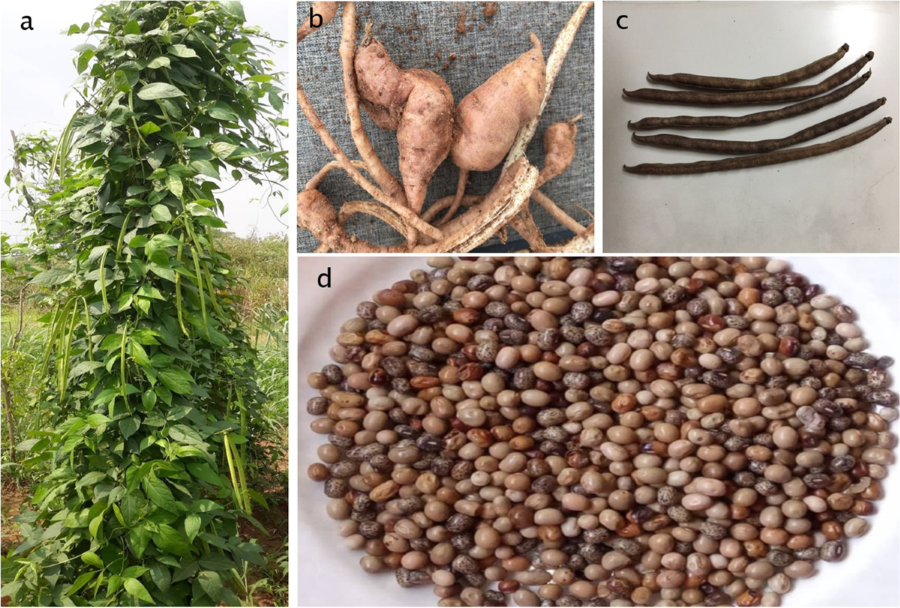
  • Health Benefits of African Yam Bean: Enhancing Liver, Kidney, and Antioxidant Functions – Insights from Wistar Rat Study

    Health Benefits of African Yam Bean: Enhancing Liver, Kidney, and Antioxidant Functions – Insights from Wistar Rat Study

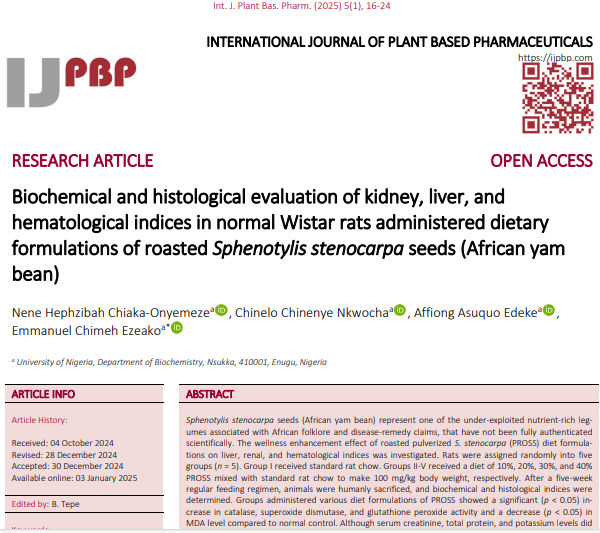
    A recent study by Chiaka-Onyemeze et al. (2025) titled “Biochemical and histological evaluation of kidney, liver, and hematological indices in normal Wistar rats administered dietary formulations of roasted Sphenotylis stenocarpa seeds (African yam bean)” published in the International Journal of Plant-Based Pharmaceuticals reveals that moderate consumption of roasted Sphenostylis stenocarpa seeds (African yam bean) enhances hepatic and renal well-being in Wistar rats.

    Moderate consumption of roasted African yam bean seeds enhances liver and kidney health, boosts antioxidants, and reduces oxidative stress. – Chiaka-Onyemeze et al. 2025

    The study explores the biochemical and histological impact of dietary formulations containing roasted Sphenostylis stenocarpa seeds, commonly known as African yam beans, on kidney and liver functions, as well as hematological parameters in healthy Wistar rats. The findings reveal that moderate consumption of these seeds promotes hepatic and renal health by significantly enhancing antioxidant enzyme activity and improving blood health markers. Additionally, the research highlights a notable reduction in lipid peroxidation and oxidative stress, which are linked to various chronic conditions. These results suggest that African yam beans may serve as a functional food ingredient with potential benefits in managing lifestyle diseases such as hypertension and diabetes, offering a natural approach to improving overall health and preventing oxidative damage.

    How the Study was Conducted

    The study was conducted using a variety of methods to evaluate the effects of roasted Sphenostylis stenocarpa seeds (African yam bean) on kidney, liver, and hematological indices in Wistar rats. Fresh seeds of S. stenocarpa were collected from a farm in Orba village, Enugu, Nigeria. The seeds were roasted at about 300°C for an hour, then pulverized into fine particles. Twenty-five Wistar rats were used in the study. They were acclimatized for fourteen days under optimal conditions and then randomly assigned into five groups of five rats each. The rats were fed different diet formulations of roasted S. stenocarpa seeds mixed with standard rat chow at specified ratios (10%, 20%, 30%, and 40%) for five weeks. Blood samples were collected for hematological analysis using a Sysmex KX-21N hematology analyzer. Liver function markers, lipid profile indices, and kidney function parameters were determined using a Roche Cobas 6000 biochemistry analyzer. Liver and kidney tissues were excised, fixed in 10% buffered formalin, and processed for histological examination. Photomicrographs were captured to assess the state of the liver and kidney tissues. Data were analyzed using one-way and two-way analysis of variance (ANOVA) with the SPSS tool. The significance level was set at p = 0.05.

    What the Authors Found

    The authors found that moderate consumption of roasted Sphenostylis stenocarpa seeds (African yam bean) enhances hepatic and renal well-being in Wistar rats. The study posits that there was a significant increase in the activity of catalase, superoxide dismutase, and glutathione peroxidase in the liver, indicating enhanced antioxidant defense mechanisms. The level of malondialdehyde (MDA), a marker of lipid peroxidation, decreased significantly, suggesting reduced oxidative stress.

    Why is this important?

    Nutritional Value: The African yam bean is an underutilized legume with high nutritional value. The study highlights its potential as a dietary component that can enhance liver and kidney health, improve antioxidant enzyme activity, and boost hematological indices.

    Health Benefits: The findings suggest that moderate consumption of roasted Sphenostylis stenocarpa seeds can help manage conditions like hypertension and diabetes by improving lipid profiles and reducing oxidative stress.

    Scientific Validation: The study provides scientific validation for the traditional use of African yam bean in African folklore as a remedy for various diseases. This can lead to increased acceptance and utilization of this legume in modern diets.

    Food Security: By promoting the use of underutilized legumes like the African yam bean, the study contributes to food security, especially in regions plagued by food insecurity. It offers an affordable and nutritious food source that can help combat malnutrition.

    Future Research: The study opens avenues for further research into the long-term effects of consuming roasted African yam bean seeds and their potential benefits for human health.

    What the Authors Recommended

    • The authors suggest incorporating roasted African yam bean seeds into the diet to enhance hepatic and renal well-being, improve antioxidant enzyme activity, and boost hematological indices.
    • The authors highlight the potential of these seeds in managing conditions like hypertension and diabetes, given their ability to improve lipid profiles and reduce oxidative stress.
    • The study recommends further research to assess the long-term effects of consuming roasted African yam bean seeds, especially in individuals with hypertension, diabetes, or renal impairment.
    • The authors emphasize the importance of careful dietary recommendations, particularly regarding sodium and chloride levels, to avoid potential risks such as electrolyte imbalances.
    • The study advocates for increased awareness and utilization of underutilized legumes like the African yam bean to promote food security and combat malnutrition.

    In conclusion, the study by Chiaka-Onyemeze et al. underscores the significant health benefits of roasted Sphenostylis stenocarpa seeds (African yam bean), particularly in enhancing hepatic and renal functions while reducing oxidative stress and improving hematological indices. These findings not only validate the traditional use of this underutilized legume but also highlight its potential as a functional food ingredient for managing chronic conditions such as hypertension and diabetes. By promoting the dietary incorporation of African yam beans, this research contributes to food security, nutritional diversity, and the global fight against malnutrition, paving the way for further studies to explore its long-term effects on human health.

  • January 2025: Paper of the Month by Chiaka-Onyemeze et al. 2025 – African Yam Bean Benefits: Study Reveals Hepatic and Renal Health Boost in Wistar Rats

    January 2025: Paper of the Month by Chiaka-Onyemeze et al. 2025 – African Yam Bean Benefits: Study Reveals Hepatic and Renal Health Boost in Wistar Rats

    African Researchers AwardJanuary 2025: Paper of the Month by Chiaka-Onyemeze et al. 2025 – African Yam Bean Benefits: Study Reveals Hepatic and Renal Health Boost in Wistar Rats

    A recent study by Chiaka-Onyemeze et al. (2025) titled “Biochemical and histological evaluation of kidney, liver, and hematological indices in normal Wistar rats administered dietary formulations of roasted Sphenotylis stenocarpa seeds (African yam bean)” published in the International Journal of Plant-Based Pharmaceuticals reveals that moderate consumption of roasted Sphenostylis stenocarpa seeds (African yam bean) enhances hepatic and renal well-being in Wistar rats.

    Moderate consumption of roasted African yam bean seeds enhances liver and kidney health, boosts antioxidants, and reduces oxidative stress. – Chiaka-Onyemeze et al. 2025

    The study explores the biochemical and histological impact of dietary formulations containing roasted Sphenostylis stenocarpa seeds, commonly known as African yam beans, on kidney and liver functions, as well as hematological parameters in healthy Wistar rats. The findings reveal that moderate consumption of these seeds promotes hepatic and renal health by significantly enhancing antioxidant enzyme activity and improving blood health markers. Additionally, the research highlights a notable reduction in lipid peroxidation and oxidative stress, which are linked to various chronic conditions. These results suggest that African yam beans may serve as a functional food ingredient with potential benefits in managing lifestyle diseases such as hypertension and diabetes, offering a natural approach to improving overall health and preventing oxidative damage.

    How the Study was Conducted

    The study was conducted using a variety of methods to evaluate the effects of roasted Sphenostylis stenocarpa seeds (African yam bean) on kidney, liver, and hematological indices in Wistar rats. Fresh seeds of S. stenocarpa were collected from a farm in Orba village, Enugu, Nigeria. The seeds were roasted at about 300°C for an hour, then pulverized into fine particles. Twenty-five Wistar rats were used in the study. They were acclimatized for fourteen days under optimal conditions and then randomly assigned into five groups of five rats each. The rats were fed different diet formulations of roasted S. stenocarpa seeds mixed with standard rat chow at specified ratios (10%, 20%, 30%, and 40%) for five weeks. Blood samples were collected for hematological analysis using a Sysmex KX-21N hematology analyzer. Liver function markers, lipid profile indices, and kidney function parameters were determined using a Roche Cobas 6000 biochemistry analyzer. Liver and kidney tissues were excised, fixed in 10% buffered formalin, and processed for histological examination. Photomicrographs were captured to assess the state of the liver and kidney tissues. Data were analyzed using one-way and two-way analysis of variance (ANOVA) with the SPSS tool. The significance level was set at p = 0.05.

    What the Authors Found

    The authors found that moderate consumption of roasted Sphenostylis stenocarpa seeds (African yam bean) enhances hepatic and renal well-being in Wistar rats. The study posits that there was a significant increase in the activity of catalase, superoxide dismutase, and glutathione peroxidase in the liver, indicating enhanced antioxidant defense mechanisms. The level of malondialdehyde (MDA), a marker of lipid peroxidation, decreased significantly, suggesting reduced oxidative stress.

    Why is this important?

    Nutritional Value: The African yam bean is an underutilized legume with high nutritional value. The study highlights its potential as a dietary component that can enhance liver and kidney health, improve antioxidant enzyme activity, and boost hematological indices.

    Health Benefits: The findings suggest that moderate consumption of roasted Sphenostylis stenocarpa seeds can help manage conditions like hypertension and diabetes by improving lipid profiles and reducing oxidative stress.

    Scientific Validation: The study provides scientific validation for the traditional use of African yam bean in African folklore as a remedy for various diseases. This can lead to increased acceptance and utilization of this legume in modern diets.

    Food Security: By promoting the use of underutilized legumes like the African yam bean, the study contributes to food security, especially in regions plagued by food insecurity. It offers an affordable and nutritious food source that can help combat malnutrition.

    Future Research: The study opens avenues for further research into the long-term effects of consuming roasted African yam bean seeds and their potential benefits for human health.

    What the Authors Recommended

    • The authors suggest incorporating roasted African yam bean seeds into the diet to enhance hepatic and renal well-being, improve antioxidant enzyme activity, and boost hematological indices.
    • The authors highlight the potential of these seeds in managing conditions like hypertension and diabetes, given their ability to improve lipid profiles and reduce oxidative stress.
    • The study recommends further research to assess the long-term effects of consuming roasted African yam bean seeds, especially in individuals with hypertension, diabetes, or renal impairment.
    • The authors emphasize the importance of careful dietary recommendations, particularly regarding sodium and chloride levels, to avoid potential risks such as electrolyte imbalances.
    • The study advocates for increased awareness and utilization of underutilized legumes like the African yam bean to promote food security and combat malnutrition.

    In conclusion, the study by Chiaka-Onyemeze et al. underscores the significant health benefits of roasted Sphenostylis stenocarpa seeds (African yam bean), particularly in enhancing hepatic and renal functions while reducing oxidative stress and improving hematological indices. These findings not only validate the traditional use of this underutilized legume but also highlight its potential as a functional food ingredient for managing chronic conditions such as hypertension and diabetes. By promoting the dietary incorporation of African yam beans, this research contributes to food security, nutritional diversity, and the global fight against malnutrition, paving the way for further studies to explore its long-term effects on human health.