Tag: academic mentorship

  • June 2025: Dr Khuthala Mnika – African Female Researcher of the Month

    June 2025: Dr Khuthala Mnika – African Female Researcher of the Month


    Illustrative Image: June 2025: Dr Khuthala Mnika – African Female Researcher of the Month
    Image Source & Credit: University of Cape Town
    Ownership and Usage Policy
    African Researchers AwardJune 2025: Dr Khuthala Mnika – African Female Researcher of the Month

    Dr Khuthala Mnika is an esteemed South African geneticist and researcher whose career has been deeply shaped by resilience, determination, and a profound commitment to advancing the understanding of genetic diseases in African populations. Currently a researcher and lecturer in the Division of Human Genetics at the University of Cape Town (UCT), Dr Mnika is also a Senior Medical Scientist at the National Health Laboratory Services (NHLS). Her work is central to addressing the gap in genetic research on African genomes—an area critically under-represented in global biomedical studies.

    With an impressive academic and research track record that includes seven publications (three as first author) in high-impact international journals, Dr Mnika is emerging as a leading figure in the field of human genetics and pharmacogenomics in Africa. Her research has significant implications for the development of precision medicine approaches in treating diseases like sickle cell disease and chronic kidney disease (CKD) among African populations.


    Early Life and Educational Journey

    Born and raised in Matatiele, a rural town in the Eastern Cape of South Africa, Dr Mnika’s journey to the scientific forefront was far from linear. Orphaned at age 11 and raised by her elder sister, she faced immense socio-economic hardships. Despite these challenges, she excelled academically, eventually securing funding to study genetics at the University of the Free State, where she earned her BSc and Honours degrees.

    Her path to research was not initially planned—she considered becoming a schoolteacher. However, after participating in the Dinaledi internship programme and subsequently the NRF research internship, she was placed in the research group of Professor Ambroise Wonkam at UCT (now GeneMAP: Genetic Medicine of African Populations). It was here that her passion for research was ignited and her potential recognized.


    Academic Credentials

    • BSc and Honours in Genetics – University of the Free State

    • Postgraduate Certificate in Education (PGCE) – Awarded funding but transitioned back into research

    • MSc in Human Genetics – University of Cape Town (upgraded to Ph.D. due to exceptional performance)

    • Ph.D. in Human Genetics (2020) – UCT

      • Thesis Title: Pharmacogenomics of Sickle Cell Disease: Pain and Drug Metabolism Associated Gene Variants and Hydroxyurea-Induced Post-Transcriptional Expression of miRNAs in an African Cohort


    Research Contributions and Scientific Impact

    Dr Mnika’s doctoral research addressed critical gaps in understanding how genetic variants in African populations influence treatment responses and complications in sickle cell disease (SCD). Her research offered insights into:

    • The genetic predisposition to complications such as stroke and acute chest syndrome.

    • Pharmacogenomic variants affecting pain susceptibility and response to drugs like hydroxyurea, commonly used in SCD management.

    • MicroRNA expression profiling to study drug-gene interactions in African patients.

    Her findings support the broader goal of implementing precision medicine strategies for African patients, a necessary shift given the unique genetic diversity across the continent. The study is also vital for developing more effective treatment regimens and diagnostic protocols for genetically linked diseases prevalent in Africa.

    In her postdoctoral and current research, Dr Mnika continues this trajectory, now focusing on the genetics of chronic kidney disease (CKD). Her aim is to understand the mutations that affect African populations—where CKD is often underdiagnosed, especially in children. Her work at UCT seeks to uncover the underlying genetic architecture that contributes to CKD risk in African individuals and how this knowledge can transform clinical diagnostic approaches.


    Professional Appointments and Leadership Roles

    • Senior Medical Scientist – NHLS, Division of Human Genetics

    • Lecturer & Researcher – UCT, Division of Human Genetics

    • Former Research Co-ordinator – University of the Witwatersrand / NHLS

    • Recipient of the Female Academic Leaders Fellowship (FALF) – University of the Witwatersrand


    Mentorship and Advocacy

    Beyond the lab, Dr Mnika is a passionate mentor and advocate for young African researchers, particularly women and students from underprivileged backgrounds. She strongly believes in creating enabling environments that offer both funding and mentorship to help emerging scientists navigate academic spaces.

    “We have dreams and potential, but the challenge comes in trying to navigate the spaces, find the opportunities and climb the ladder.”

    Her personal story of rising from hardship to academic excellence resonates with many aspiring scientists. She encourages them to “ask for help and apply for every opportunity,” emphasizing that support systems and mentorship networks are vital for success.


    Global Academic Recognition and Influence

    Dr Mnika’s work contributes to the global efforts to decolonize genomics and ensure ethnically inclusive medical research. As one of the few African researchers actively working in the field of pharmacogenomics and CKD in African populations, her scholarship is increasingly relevant in shaping international research agendas in genomic equity and precision health.

    Her research has been featured in high-impact journals and international conferences, highlighting her rising influence in:

    • Global Genomic Diversity Projects

    • Pharmacogenetics and Personalized Medicine Initiatives

    • Africa-focused Kidney Disease Research Networks

    She is a sought-after collaborator and a role model for African women in STEM, and her career continues to reflect the possibilities when talent meets opportunity, supported by visionary mentorship and institutional backing.


    Select Publications

    (First-author and co-author papers in high-impact journals)

    • Mnika, K., et al. (2020). Pharmacogenomics in African Sickle Cell Disease Patients.

    • Mnika, K., et al. (2021). Hydroxyurea-induced miRNA changes in African cohorts.

    • [Additional co-authored papers on SCD, CKD genetics, and African pharmacogenomics]


    Looking Ahead

    Dr Khuthala Mnika represents the new generation of African scientists whose work is reshaping global understanding of human health and disease. Through her commitment to scientific excellence, education equity, and genetic research tailored for Africa, she continues to forge a path not only for herself but for the next wave of African biomedical researchers.

    Her story underscores a powerful message:

    “Your past does not define your future. Focus on your future—and build it with knowledge, courage, and community.”
  • Apply Now: Forrest Research Foundation Fellowship 2025 – Empowering Bold Thinkers to Shape the Future

    Apply Now: Forrest Research Foundation Fellowship 2025 – Empowering Bold Thinkers to Shape the Future


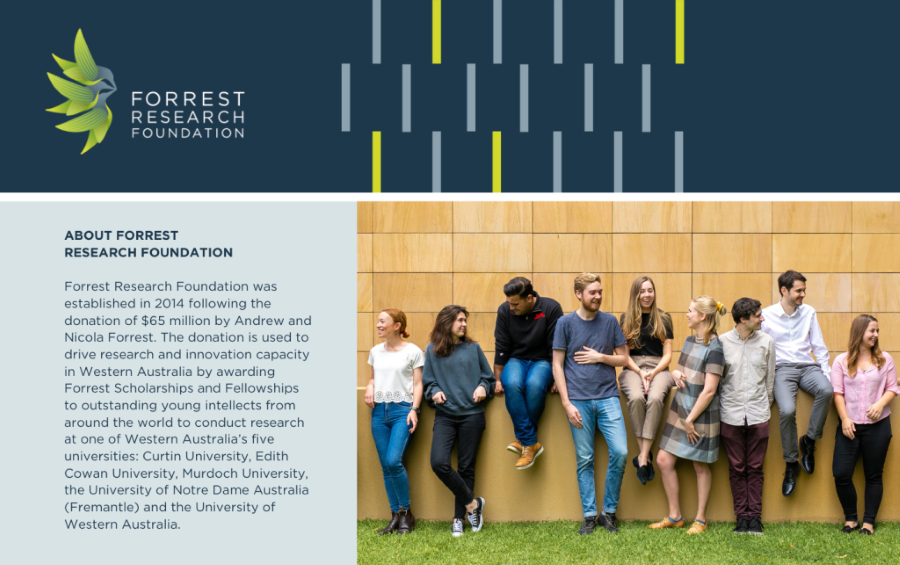
    Illustrative Image: Apply Now: Forrest Research Foundation Fellowship 2025 – Empowering Bold Thinkers to Shape the Future
    Image Source & Credit: Forrest Research Foundation
    Ownership and Usage Policy

    About the Fellowship

    The Forrest Research Foundation Postdoctoral Fellowship is far more than a typical funding award — it is a prestigious platform crafted to empower exceptional early-career researchers with the curiosity, courage, and creativity to reshape the world through their work.

    Founded to support academic excellence and visionary research, this Fellowship offers a unique opportunity to join a vibrant community of scholars who think differently. Forrest Fellows are united by their ambition to challenge norms, spark new ideas, and foster interdisciplinary collaboration that leads to real-world impact.

    What Makes the Fellowship Unique?

    At its core, the Forrest Fellowship supports exploratory, bold, and globally significant research. Fellows are not only researchers — they are thought leaders, mentors, and ambassadors who embody a spirit of intellectual generosity and collaborative innovation. The program encourages proposals that break disciplinary boundaries and expand the frontiers of knowledge for the benefit of society.

    Fellowship Benefits

    Fellows receive a generous and well-rounded support package, including

    Accommodation Allowance
    AUD $25,116 per annum (2025, taxable) to assist with living expenses.

    Research & Travel Allowance
    A one-time grant of AUD $12,000 to fund approved research activities, international travel, and participation in academic conferences.

    Relocation Support
    Economy airfare and a relocation allowance for Fellows moving from other regions or countries to Western Australia.

    Leadership Development
    Fellows are encouraged to take on mentorship roles, represent the Foundation at public events, and contribute to the dynamic academic community at Forrest Hall and across Western Australian universities.

    Note: Appointments at Academic Level B (lecturer equivalent) may also be considered if supported by a host institution.

    Eligibility Criteria

    To be eligible for the 2025 Forrest Fellowship, applicants must meet the following requirements:

    PhD Status

    Currently in the final year of a PhD program, or

    Have been awarded a PhD on or after 1 January 2023

    PhD Completion Deadline

    All requirements for the PhD must be fulfilled by 31 December 2025

    Academic and Research Excellence

    A strong academic track record, having ranked among the top students in undergraduate and postgraduate studies

    Demonstrated outstanding research potential and a competitive publication record

    Global Research Experience

    Prior experience studying or conducting research at diverse institutions, ideally with some international exposure

    Innovation and Impact

    Doctoral research that is already recognized within the academic field

    Ambition to evolve postdoctoral work into novel areas that connect disciplines

    A commitment to disseminating research for community and global benefit

    Willingness to Relocate

    Fellowship recipients must be prepared to relocate to Western Australia (relocation assistance is provided)

    How to Apply

    Interested applicants should prepare and submit the following materials:

    Completed Application Form

    Curriculum Vitae (CV)

    List of Publications

    Summary of Research Grants and Awards

    Contact Details for Three Referees

    At least two referees must be academic professionals

    Application Deadline: June 30, 2025

    👉 [Click here to apply]


    Why Apply?

    This Fellowship is ideal for postdoctoral researchers ready to embark on innovative, high-impact research and become part of a distinguished academic network in one of the world’s most vibrant research environments. With generous support, international visibility, and a focus on leadership and collaboration, the Forrest Fellowship offers the tools and community needed to thrive as a future research leader.

  • SeNSS Post-Doctoral Fellowship 2025: Apply Now for Funding, Mentorship & Research Support

    SeNSS Post-Doctoral Fellowship 2025: Apply Now for Funding, Mentorship & Research Support

    Are you an early-career researcher eager to carve out a distinguished academic path after completing your PhD? The Economic and Social Research Council South East Network for Social Sciences (SeNSS) is delighted to invite applications for its esteemed Post-Doctoral Fellowships, commencing in October 2025. This opportunity is a game-changer for researchers aiming to refine their expertise, expand their academic networks, and elevate their professional trajectory.

    What Does the SeNSS Post-Doctoral Fellowship Offer?

    The SeNSS Post-Doctoral Fellowship is a comprehensive program designed to nurture and empower early-career researchers. This initiative not only provides substantial financial support but also facilitates mentorship, resource access, and professional development opportunities to enable scholars to consolidate their research and gain visibility within their respective fields.

    Key Benefits of the Fellowship:

    • Flexible Funding Duration: The fellowship accommodates both full-time (up to one year) and part-time (up to two years) research schedules, ensuring alignment with your career goals and research demands.
    • Salary Support: Receive financial backing for the duration of the fellowship, allowing you to dedicate your time entirely to research without financial concerns.
    • Generous Research and Conference Funding: Secure up to £10,000 to support research activities, conference participation, and networking opportunities, significantly enhancing the impact and reach of your work.
    • University-Based Resources: Gain access to essential university facilities, including office space, IT support, and academic development services, creating an optimal environment for productivity and innovation.

    This fellowship acts as a critical launchpad for early career scholars, equipping them with the resources, exposure, and support to make meaningful contributions to their disciplines. By securing this fellowship, you can position yourself as a thought leader, develop a strong academic profile, and establish vital professional connections that will benefit your career long-term.

    Why Should You Apply?

    The SeNSS Post-Doctoral Fellowship is uniquely designed to empower researchers in the social sciences by offering opportunities that extend beyond mere financial support. It enables scholars to engage in high-impact research, collaborate with leading academics, and gain invaluable experience in project management and scholarly dissemination.

    Key Advantages of Becoming a SeNSS Fellow:

    • Strengthen Your Research Independence: Take ownership of your research trajectory and explore innovative ideas with the backing of a well-structured funding program.
    • Engage with Leading Experts: collaborate with established scholars in your field, gain mentorship, and integrate into prestigious academic circles.
    • Increase Your Research Visibility: Present your findings at major conferences, publish in high-impact journals, and expand your influence within the academic community.
    • Enhance Your Career Prospects: Boost your academic CV with a prestigious fellowship, increasing your competitiveness for future academic positions, grants, and research collaborations.

    The fellowship goes beyond funding—it fosters intellectual growth, provides a gateway to future opportunities, and equips scholars with the tools necessary to drive innovation and change in their fields.

    Application Details & Important Deadlines

    The SeNSS Post-Doctoral Fellowship is now open for applications for the October 2025 intake. This is a competitive process, and selection will be based on the quality, originality, and potential impact of the proposed research.

    Fellowship Funding Overview:

    • Funding Duration: Up to 1 year full-time or 2 years part-time
    • Salary Support: Provided throughout the fellowship period
    • Research & Conference Funding: Up to £10,000 to support research-related activities
    • Application Deadline: 4:00 PM GMT, 25 March 2025

    How to Apply?

    Early-career researchers who meet the eligibility criteria are strongly encouraged to apply as soon as possible. The application process requires a well-structured proposal detailing your research objectives, anticipated contributions to the field, and the ways in which the fellowship will facilitate your professional development.

    To assist prospective applicants, SeNSS is hosting an informative webinar on 04/12/2024 at 11:00 AM GMT. This session will provide insights into the application process, offer tips on crafting a compelling proposal, and allow participants to ask questions directly to the fellowship team.

    Take the Next Step Toward a Transformative Research Career

    The SeNSS Post-Doctoral Fellowship is more than just financial support—it is an opportunity to solidify your position as an emerging scholar, advance the frontiers of knowledge, and shape the future of social science research. With access to world-class mentorship, professional networks, and research resources, you will be well-positioned to make a lasting impact in your field.

    Don’t Miss Out! Apply by 4:00 PM GMT on 25 March 2025

    Seize this chance to elevate your academic career. For more information, detailed application guidelines, and to register for the webinar, visit the official SeNSS website today!

    Apply for the SeNSS Post-Doctoral Fellowship

  • January 2025: Professor Ali Baklouti – African Male Researcher of the Month

    January 2025: Professor Ali Baklouti – African Male Researcher of the Month

    African Researchers AwardJanuary 2025: Professor Ali Baklouti – African Male Researcher of the Month

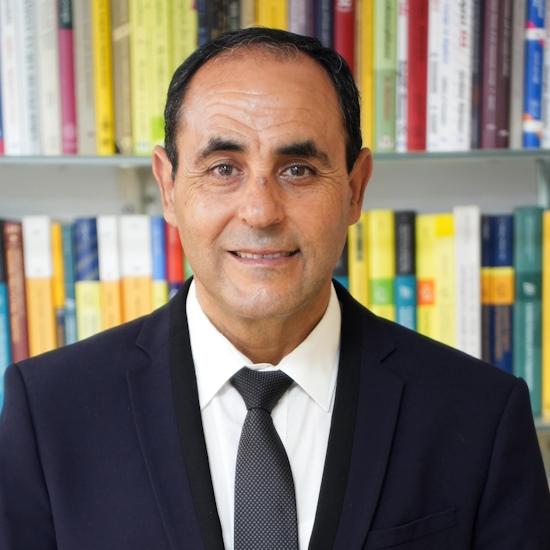
    Professor Ali Baklouti is a distinguished Tunisian mathematician recognized for his exceptional contributions to non-commutative harmonic analysis and geometry on homogeneous spaces. In 2024, his groundbreaking work earned him the prestigious Royal Society Africa Prize, a testament to his profound influence in advancing mathematical research and applications. The Royal Society, the world’s oldest scientific academy, bestowed this honor upon Baklouti in recognition of his pioneering research, particularly his significant progress in solving two long-standing mathematical conjectures.

    Academic Background and Research Contributions

    Professor Baklouti’s research primarily focuses on non-commutative harmonic analysis, Lie group representations, and differential geometry. His work has been instrumental in extending the mathematical understanding of symmetry, structure, and transformation properties within various spaces, particularly homogeneous spaces.

    Among his most notable contributions is his work on the Corwin-Greenleaf conjecture and the polynomial conjecture for nilpotent restrictions. These conjectures had remained unresolved for decades, posing significant challenges to the field of mathematical analysis. By developing innovative approaches, Baklouti not only provided substantial progress toward proving these conjectures but also paved the way for their application in broader scientific and technological domains, including quantum mechanics, signal processing, and theoretical physics.

    In addition to his independent research, Professor Baklouti has collaborated with esteemed mathematicians, including Professor Akila Sellami Baklouti, Professor Sadok Kallel, and Professor Fujiwara, acknowledging their valuable contributions to his work.

    The Royal Society Africa Prize 2024

    The Royal Society Africa Prize, awarded on 28 August 2024, recognizes outstanding research conducted by scientists in Africa that advances scientific knowledge and has the potential for significant impact. Baklouti’s receipt of this award highlights his groundbreaking contributions and his influence in shaping the future of mathematics, both on the African continent and globally.

    This honor also underscores the importance of mathematical sciences in Africa and serves as a source of inspiration for young scholars aiming to push the boundaries of knowledge in fundamental and applied mathematics.

    Educational Leadership and Impact in Africa

    Beyond his research, Professor Baklouti is deeply committed to mathematics education and academic mentorship. As a prominent educator, he has been actively involved in training the next generation of mathematicians in Africa, particularly through his teaching and supervision of postgraduate students.

    Baklouti has expressed concerns about the challenges facing mathematics education on the continent, emphasizing that inadequate resources, limited funding, and the declining interest in fundamental sciences could hinder Africa’s scientific and technological progress. He advocates for stronger academic collaborations, increased investment in mathematical sciences, and the promotion of STEM (Science, Technology, Engineering, and Mathematics) education to ensure that Africa remains competitive in the global scientific arena.

    Global Influence and Recognition

    Professor Baklouti’s work has received international acclaim, and he continues to be an influential figure in mathematical circles worldwide. His research contributions are widely cited, and he has been invited to speak at prestigious international mathematics conferences, where he shares insights into non-commutative harmonic analysis and its applications.

    In addition to the Royal Society Africa Prize, his contributions have earned him numerous accolades from academic institutions and scientific organizations. His dedication to advancing mathematical sciences and fostering academic excellence in Africa solidifies his reputation as one of the continent’s most influential mathematicians.

    Conclusion

    Professor Ali Baklouti’s groundbreaking contributions to mathematics, particularly in solving complex conjectures, have rightfully earned him the Royal Society Africa Prize 2024. His work not only advances theoretical mathematics but also has the potential for transformative applications across various scientific disciplines. Furthermore, his advocacy for stronger mathematics education and research in Africa positions him as a key figure in shaping the continent’s scientific future.

    With a career defined by academic excellence, research innovation, and a commitment to mentorship, Professor Baklouti continues to inspire mathematicians and scientists worldwide, leaving an enduring impact on the field of mathematics and beyond.

  • 2025 Doctoral Dissertation Proposal Fellowship: Support for Peacebuilding Research in Africa

    2025 Doctoral Dissertation Proposal Fellowship: Support for Peacebuilding Research in Africa

    Deadline: January 31, 2025

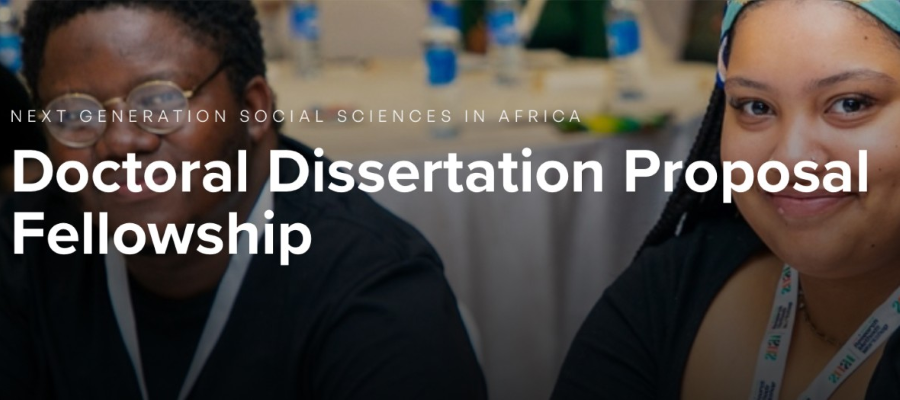
    The Social Science Research Council (SSRC) is offering its Doctoral Dissertation Proposal Development Fellowships to support doctoral students in advancing their research towards completion, especially for those working in the social sciences. These fellowships target students within Ghana, Kenya, Nigeria, South Africa, Tanzania, and Uganda, with a specific focus on dissertation proposals that address the complex themes of peacebuilding, security, and development in conflict-affected or fragile contexts.

    Purpose and Objectives
    The fellowship aims to foster the next generation of African social science researchers by supporting innovative and impactful dissertation research projects. The program also seeks to cultivate academic contributions that can enhance global scholarly discussions while supporting the advancement of peace, security, and development research across the African continent.

    Research Themes and Priorities

    Eligible research topics span several crucial areas, which may include but are not limited to the following themes:

    1. Climate, Environment, and Resources
      • The intersection of climate change and peacebuilding, exploring how shifts in climate impact regional stability and resources.
      • Energy transitions, natural resource management, and the social and political dimensions of hydropolitics.
      • Analyzing community, national, and regional dynamics of conflict over natural resources.
    2. Justice, Peace, and International Cooperation
      • Peace education initiatives and their role in shaping peaceful African futures.
      • Collaborative frameworks among regional and international entities (UN, AU, EU, RECs) in peace operations and the architecture of peacebuilding.
      • Mechanisms for transitional justice, peacebuilding, and reconciliation efforts in post-conflict regions.
    3. Identity, Nationalism, and Social Cohesion
      • The impact of national and regional identities, cultural diversity, and religion on citizenship and state-building processes.
      • The role of marginalized groups, including women and youth, in peacebuilding and national cohesion.
    4. Governance, Conflict, and Stakeholder Involvement
      • Examining African peace interventions, both military and non-military, and regional norms for addressing conflict.
      • Interconnections between governance, political transitions, and conflict, focusing on elections, governance, and post-conflict rebuilding.
      • Structural causes of violent conflict, transnational crime, and the role of small arms and light weapons in regional security.
    5. Technology, Media, and Arts in Peacebuilding
      • The implications of AI and the fourth industrial revolution on peace and conflict.
      • Digital media’s role in community advocacy and peace promotion, including ethical considerations in knowledge production.
      • The impact of arts—such as music, theater, and other media—on peace narratives and community reconciliation.

    Fellowship Benefits and Program Structure

    Successful applicants, or fellows, will be awarded up to $3,000 USD to support activities crucial for developing their dissertation proposals, such as pre-fieldwork expenses, literature review materials, and professional support for project planning.

    1. Six-Month Developmental Phase:
      Fellows commit to a six-month period to develop their dissertation proposals with an emphasis on creating scholarly contributions relevant to peace, security, and development.
    2. Interactive Workshops:
      Fellows will participate in two workshops in July and January. These workshops, held across African regions, are designed to refine research questions, align research methods with objectives, and engage critically with relevant literature.
    3. Contribution to African Scholarship and Digital Platforms:
      Fellows will contribute insights to SSRC’s digital forums, including Kujenga Amani, Facebook, and X (formerly Twitter), helping to project African perspectives in peace and development.
    4. Community and Mentorship:
      Fellows join a network of African scholars, benefiting from peer mentorship and interaction with experienced academics. This community offers substantial professional development and networking opportunities.

    Eligibility Requirements

    • African Citizenship and Residence: Applicants must be African citizens currently residing in Africa.
    • Doctoral Enrollment: Candidates must be enrolled in a PhD program at an accredited university in one of the eligible countries or be in the process of enrolling.
    • Educational Background: Candidates must hold a master’s degree by the time of application.

    Application Materials

    Applicants must submit the following materials through the SSRC Application Portal by January 31, 2025:

    • A draft of their dissertation proposal.
    • Updated Curriculum Vitae (CV), with no page limit, to reflect relevant academic and professional experiences.
    • Proof of master’s degree or equivalent certification.
    • A proposed research timeline and budget.

    All materials must be submitted in English. In cases where academic records or references are in another language, a certified English translation should be provided in a single, collated document.

    For more information, visit Social Science Research Council.

  • October 2024: Ms. Nomthandazo Precious Sibiya – African Female Researcher of the Month

    October 2024: Ms. Nomthandazo Precious Sibiya – African Female Researcher of the Month

    African Researchers AwardOctober 2024: Ms. Nomthandazo Precious Sibiya – African Female Researcher of the Month

    Introduction and Early Education

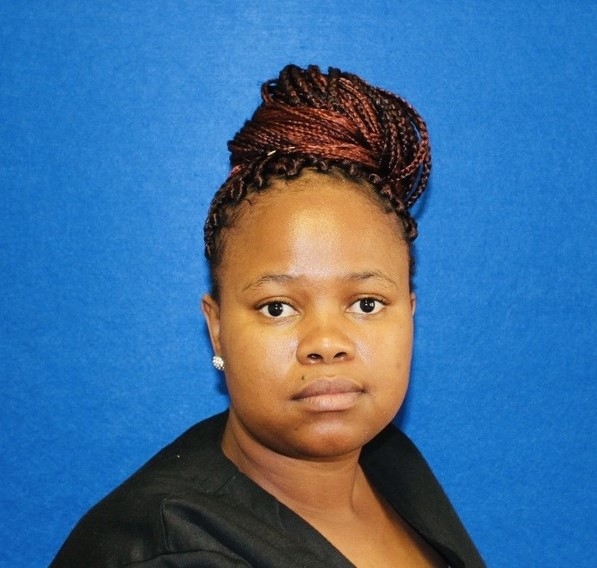
    Ms. Nomthandazo Precious Sibiya is an exemplary figure in the world of science and engineering, recently emerging as a recipient of the prestigious 2024 L’Oréal-UNESCO For Women in Science (FWIS) Young Talents in South Africa Award. Her dynamic personality, dedication to sustainable development, and passion for impactful research have earned her wide recognition, setting her apart as a young leader in the fields of Chemical Engineering and environmental sustainability.

    Sibiya’s academic journey began at the Durban University of Technology (DUT), where she graduated with a Bachelor of Technology (BTech) in Chemical Engineering in 2018, achieving Cum Laude honors. Her commitment to excellence continued as she pursued her Master of Engineering (MEng), which she also completed with Cum Laude and received the distinguished Dean’s Merit Award in 2022. During this time, Sibiya not only excelled academically but also developed a strong foundation in project management and continuous improvement, earning a Lean Six Sigma White Belt certification.

    Doctoral Studies and Research

    Currently, Sibiya is in her second year of doctoral studies, pursuing a Doctor of Engineering (DEng) in Chemical Engineering at DUT. Her research focuses on wastewater treatment, a critical area for achieving the United Nations Sustainable Development Goals (SDGs), particularly concerning clean water and sanitation. With over four years of experience in this field, her work is expected to have a significant impact on sustainable development and environmental conservation.

    In addition to her research, Sibiya has demonstrated leadership and a commitment to the academic community through her involvement in the Grow Your Own Timber (GOOT) academic mentorship programme at DUT. As part of this initiative, she is training as a lecturer in the Department of Chemical Engineering, guiding the next generation of engineers and fostering a culture of academic excellence.

    International Experience

    Sibiya’s commitment to expanding her knowledge and gaining international exposure led her to participate in the Erasmus Student Exchange Programme in 2021, where she spent five months at the University of Valladolid in Spain. This experience allowed her to deepen her understanding of international research collaborations and innovative approaches to solving global engineering challenges.

    Awards and Recognition

    Ms. Sibiya’s list of accolades is impressive, reflecting her unwavering dedication to her field. Notably, she was honored with the 2023 NRF Research Excellence Award for Next Generation Researchers, underscoring her potential to contribute significantly to the International System of Innovation.

    In 2022, Sibiya earned two coveted awards within DUT’s Faculty of Engineering and Built Environment: Best Graduating Student and Master Student of the Year. These awards not only highlight her academic prowess but also recognize her commitment to continuous learning and research excellence.

    Winning the 2024 L’Oréal-UNESCO For Women in Science Young Talents Award

    Among her many achievements, Sibiya’s most recent recognition, the 2024 L’Oréal-UNESCO For Women in Science (FWIS) Young Talents in South Africa Award, stands out as a testament to her dedication and impactful research. She was one of seven awardees selected from 140 applicants, including three postdoctoral candidates. This prestigious award is part of a national program aimed at promoting and encouraging young women scientists in various fields, including Formal Sciences, Life Sciences, Environmental Sciences, Physical Sciences, and Engineering.

    The award recognizes Sibiya’s groundbreaking work in wastewater treatment, which is both relevant and aligned with the pressing challenges of environmental sustainability. Winning this award not only brings pride to her faculty and university but also serves as an inspiration to other young women in science. In recognition of her achievements, Sibiya received an R80,000 scholarship and will be traveling to Cotonou, Benin, in December 2024 to attend the week-long FWIS Sub-Saharan Africa (SSA) programme, where she will meet laureates from across the region.

    Reflecting on the significance of the award, Sibiya shared that she was “overwhelmed” by the honor, especially considering the tough competition. During a session with one of the selection committee members, Professor Patience Mthunzi-Kufa, it was revealed that the selection process was particularly challenging this year, requiring three meetings to finalize the awardees. Ultimately, Sibiya’s project stood out for its relevance and potential to make a tangible difference in the world.

    Personal Life and Support System

    Ms. Sibiya attributes much of her success to the unwavering support of her family and mentors. She expressed deep gratitude to her supervisor, Professor Sudesh Rathilal, and her co-supervisor, Dr. Thembisile Mahlangu, for their constant guidance throughout her academic journey. She also acknowledged the importance of her family, particularly her husband, Mr. Khanyisani Dlomo, and her daughter, Ms. Ongeziwe Dlomo, who have been her pillars of strength and motivation.

    Future Aspirations and Vision

    With the recognition and support she has garnered, Sibiya is poised to continue making significant contributions to the scientific community and beyond. Her future goals include advancing research that not only addresses critical environmental issues but also contributes to the sustainable development of her country and the world. Sibiya hopes her journey will inspire others, particularly young women, to pursue their passions and make a difference through science and innovation.

    Her recent accolades align perfectly with DUT’s ENVISION2030 strategy, which emphasizes innovation, research, and excellence across disciplines. Sibiya’s success is a reflection of the collective efforts toward this vision, and she remains committed to contributing to these objectives through her research and mentorship.

    In her own words, Sibiya encourages others to look at her journey and believe in their own potential: “Anyone who has lost hope should look at my path and believe that if I can do it, so can they. I am excited to continue advancing research that makes a tangible difference in our world.”

    Conclusion

    Ms. Nomthandazo Precious Sibiya is a shining example of excellence in the field of Chemical Engineering. Her dedication to sustainable development, her impactful research in wastewater treatment, and her continuous pursuit of academic and professional growth have earned her numerous accolades, including the coveted 2024 L’Oréal-UNESCO For Women in Science Young Talents Award. As she continues to make strides in her field, Sibiya remains an inspiration to aspiring scientists and a beacon of hope for the future of environmental sustainability.